Emergency Stitches: the Whippet Bill Nobody Budgets For
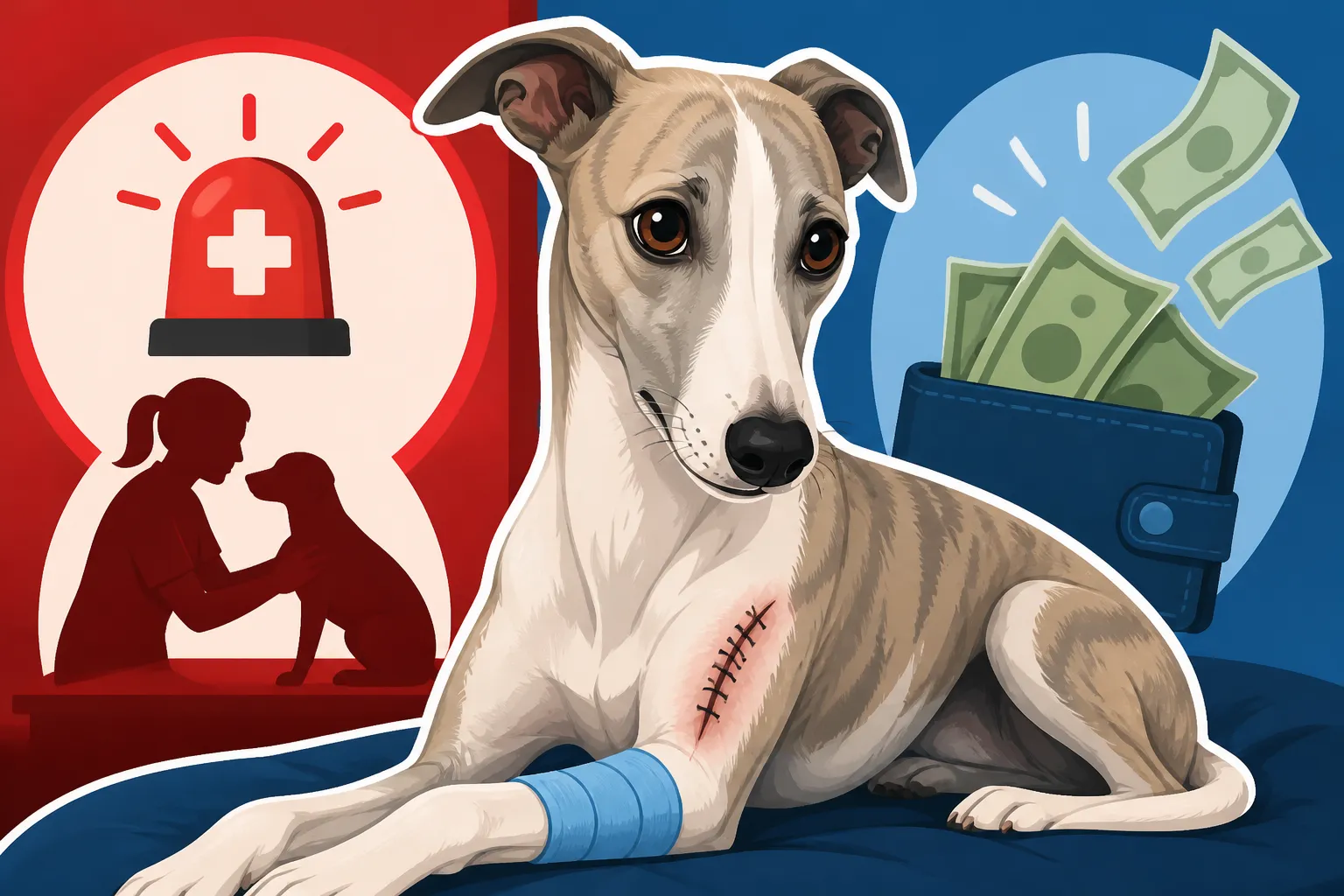
There's nothing quite like the heart-stopping moment you spot blood on your beloved Whippet, especially when it's from a deep cut or tear. Whippet owners know this particular dread all too well, often due to their breed's uniquely delicate skin. This guide is here to walk you through the reality of emergency stitches, from understanding why these injuries happen to navigating the vet visit and, yes, facing that unexpected bill.
The Unfortunate Reality: Why Whippets Get Injured
If you own a Whippet, you've probably heard the jokes about their "paper-thin skin." And while it might sound like an exaggeration, it's rooted in a very real challenge: our elegant companions are surprisingly prone to skin lacerations. Their lean physique, coupled with a boundless desire to run and explore, often sets them up for unexpected injuries. It's a frustrating paradox – a dog built for speed and agility, yet with skin that can tear from the slightest brush against something sharp.
Their Delicate Skin: A Breed Trait
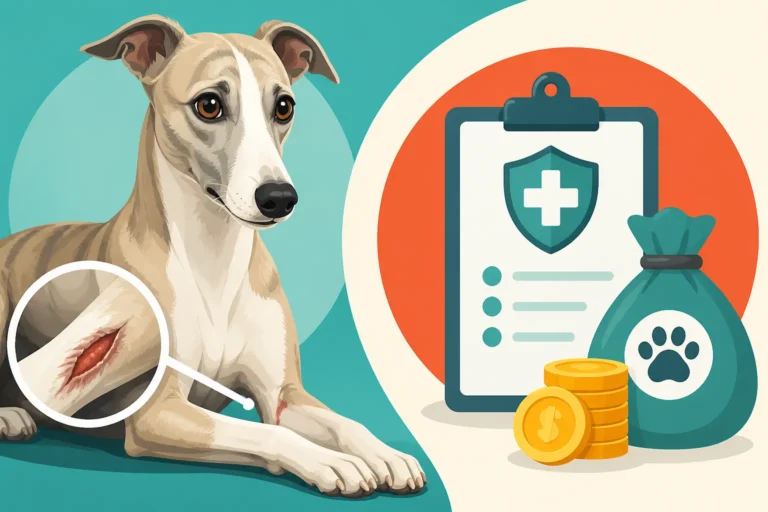
Whippets, like many sighthounds, possess incredibly fine, thin skin that lacks the protective layer of fat and thick fur common in other breeds. This anatomical quirk is part of what makes them so aerodynamic and fast, but it also makes them incredibly vulnerable. Their skin is taut over their muscular bodies, and there's simply not much padding to absorb impact or friction. This means a seemingly minor scrape for another dog can be a deep gash for a Whippet, necessitating a trip to the vet for immediate attention.
Think about it: most dogs have a bit of "give" to their skin. A German Shepherd or a Labrador might brush past a thorny bush and emerge with just a superficial scratch. A Whippet, however, can catch its flank on a protruding twig, a sharp corner of furniture, or even another dog's tooth during play, and end up with a gaping wound. It's not about being clumsy; it's simply a physical reality of the breed, a trade-off for their athletic build. Many owners can attest to stories of surprising injuries from seemingly innocuous encounters, making it clear that The Thin Skin That Sends a Whippet to the Vet for Stitches is a very real concern.
Their Love for Speed and Adventure
Whippets are built to run, and run they do, with incredible enthusiasm and often, a distinct lack of self-preservation. Their instinct to chase, combined with their blistering speed, means they can cover ground incredibly fast and often find themselves in situations where their delicate skin is at risk. Whether it's tearing across a field after a squirrel, zig-zagging through dense undergrowth, or even just sprinting around the house, their velocity can turn minor obstacles into major hazards.
This isn't to say you should keep your Whippet cooped up; far from it! They need that outlet for their energy and prey drive. But it does mean that every run, every play session, and every adventure carries a slightly higher risk of a skin injury. A moment of exuberance can quickly lead to an unexpected veterinary emergency. It’s a part of living with these wonderful dogs, acknowledging their nature while trying to keep them safe.
Common Scenarios for Lacerations
From backyard skirmishes to outdoor excursions, Whippets seem to find ingenious ways to get themselves cut. One very common scenario involves them tearing through brush or tall grass. A seemingly innocent walk in a park or wooded area can result in a laceration from a broken branch or a sharp plant stem. Another frequent culprit is rough play with other dogs, especially those with less inhibition or sharper nails/teeth; a playful nip can quickly become a puncture.
Beyond the great outdoors, even indoor environments pose risks. Whippets are prone to injuring themselves on sharp edges of furniture, doorframes, or even crate wires if they panic or try to squeeze through tight spaces. Accidents around the home are surprisingly common, turning everyday objects into potential hazards for their thin skin. It’s also not uncommon for them to get a wound from a nail snagging on something or a paw pad being cut. Knowing Where a Whippet Tears Its Skin Most can help you identify potential hotspots in your own home and yard.
Recognizing a Whippet's Skin Injury: When to Act Fast
When your Whippet gets a cut, it can be really alarming, especially when blood is involved. The key is to stay calm and quickly assess the situation. Not every little nick needs immediate veterinary intervention, but many do, especially with Whippets. Knowing the signs of a serious injury and understanding what steps to take can make all the difference in ensuring a swift recovery and preventing complications.
Assessing the Severity: When is it an Emergency?
A small scratch or superficial abrasion might be treatable at home, but a deep laceration is a different story. For Whippets, any wound that goes through the full thickness of the skin, revealing underlying tissue, muscle, or fat, typically requires professional attention. If you can see fatty tissue (which often looks yellow), or if the edges of the wound gape open and don't come together easily, stitches are almost certainly needed. Heavy or persistent bleeding is also a clear red flag, as is a wound that looks very dirty or has foreign objects embedded in it.
Location matters too. Wounds over joints, like an elbow or hock, can be particularly tricky to heal due to constant movement and tension on the skin, often requiring more intricate closure. Similarly, wounds on the chest or abdomen might seem less severe but can be indicators of deeper trauma, necessitating a thorough vet check. If you're ever in doubt, it’s always better to err on the side of caution and contact your vet. Whether a Whippet's Cut Always Needs Stitches often depends on these factors.
Different Types of Whippet Wounds
Whippets can suffer from a few different types of skin injuries, each with its own characteristics and implications for treatment. Lacerations are probably the most common—these are typically linear tears with ragged or clean edges, often caused by sharp objects. Puncture wounds, though sometimes small on the surface, can be deep and carry bacteria into deeper tissues, making them prone to infection. These are often from another dog's tooth or a sharp stick.
Abrasions, on the other hand, are superficial scrapes that don't penetrate the full skin layer. While they might look raw and painful, they generally don't require stitches and can often be managed with good home wound care. However, even an abrasion can be extensive or deep enough in a Whippet to warrant a vet visit. Avulsion wounds, where a flap of skin is partially torn away, are also a possibility and almost always require veterinary intervention due to the tissue damage involved. Treating a Whippet's Skin Tear will vary greatly depending on the type and severity of the wound.
First Aid at Home: What You Can Do
While severe wounds demand professional attention, there are crucial first aid steps you can take immediately after an injury to help your Whippet and prepare for the vet visit. The absolute first step is to control any bleeding. Apply direct pressure to the wound with a clean cloth or gauze. Don't lift the cloth to check; maintain steady pressure. If blood soaks through, add more layers on top.
Once bleeding is somewhat controlled, gently clean the wound area with lukewarm water or a mild antiseptic solution, if you have one. Avoid harsh chemicals like hydrogen peroxide, as they can damage tissue. Trim any fur away from the edges of the wound if necessary, to help keep it clean and allow for better assessment by the vet. Secure a temporary, clean bandage if possible to protect the wound during transport. Keeping a Whippet Owner's First Aid Kit well-stocked is invaluable for these unexpected moments. Remember, these are temporary measures; your goal is to stabilize your dog and get them to the vet.
The Veterinary Visit: From Triage to Treatment
The emergency vet visit can be a whirlwind of anxiety and action. When you arrive with a bleeding Whippet, the veterinary team will jump into action, but understanding what to expect can help you feel a little more in control. Their priority will be to assess the injury, stabilize your dog, and then plan the best course of action to repair the damage.
Emergency Triage and Initial Assessment
Upon arrival at the veterinary clinic, especially an emergency one, your Whippet will be triaged. This means a veterinary technician or vet will quickly assess your dog's overall condition, not just the wound itself. They'll check vital signs like heart rate, respiration, and gum color to ensure your dog isn't in shock or experiencing other serious complications from blood loss or pain. They’ll also gauge the extent of the wound and confirm whether it requires immediate surgical repair.
Don't be surprised if they take your Whippet into the treatment area right away, especially if it's a busy emergency clinic. This allows them to work efficiently and minimize stress on your dog. While they're doing this, they'll gather a brief history from you: how the injury occurred, when, and any other symptoms you've noticed. This initial assessment is crucial for formulating a treatment plan and ensuring there are no other underlying issues that need addressing.
Sedation and Wound Preparation
Once the initial assessment is complete and the decision is made for stitches, your Whippet will almost certainly need some form of sedation or anesthesia. This isn't just to keep them still; it's also to alleviate pain and allow the veterinary team to thoroughly clean, examine, and prepare the wound without causing further distress. Whippets, being sensitive creatures, respond much better to being calm and pain-free during such procedures.
The area around the wound will be carefully clipped of fur to prevent hair from contaminating the site and to allow for proper cleaning. The wound itself will then be flushed extensively with antiseptic solutions to remove any dirt, debris, or bacteria. This is a critical step in preventing infection and ensuring the best possible healing outcome. It's important to remember that Why a Whippet Needs a Sighthound Anesthesia Protocol means your vet will likely use specific drugs and monitoring techniques tailored to their unique physiology. They will also implement measures like Warming a Whippet During Surgery to prevent hypothermia, which they are prone to.
The Stitching Process Itself
With the area prepped and your Whippet comfortably sedated, the vet will proceed with closing the wound. This is a meticulous process. They might first debride the wound, meaning they carefully remove any damaged or devitalized tissue to ensure healthy edges for stitching. Then, they'll typically close the deeper layers of tissue first with dissolvable sutures, bringing everything together beneath the skin. This helps reduce tension on the superficial skin layers and promotes stronger healing.
Finally, the visible outer layer of skin will be closed with sutures or staples. The type of suture material and pattern used will depend on the wound's location, size, and tension. For areas with a lot of movement, your vet might use a specific pattern or even place a drain if fluid accumulation is expected. The goal is to close the wound securely, minimize scarring, and promote a clean, healthy healing environment. In some cases, if the wound is very old or infected, they may opt to delay closure and treat the infection first.
Understanding the Costs: The Whippet Bill for Stitches
One of the most immediate concerns after ensuring your Whippet is safe and being treated is, inevitably, the cost. Emergency vet bills, especially for something like stitches, can be a real punch to the gut for any pet owner. It's a bill nobody budgets for, but understanding the various components that contribute to the total can help you navigate the financial aspect a little better.
Initial Exam and Emergency Fees
When you rush your Whippet to an emergency clinic, expect to pay an emergency examination fee. This fee is generally higher than a regular office visit fee because emergency clinics are staffed 24/7, have specialized equipment, and are prepared to handle critical situations at a moment's notice. This initial fee covers the triage, physical examination, and initial assessment of your dog's condition and injury severity.
Beyond the initial exam, if the injury occurs after normal business hours or on a weekend/holiday, there might be an additional "after-hours" or "emergency" surcharge. These fees can quickly add up, even before any actual treatment or procedures begin. It's important to ask for an estimate upfront if possible, although in true emergencies, treatment often takes precedence. Knowing What an After Hours Vet Visit Costs for a Whippet can help you mentally prepare for the initial shock.
Anesthesia and Sedation Costs
As mentioned, sedation or anesthesia is almost always required for a Whippet needing stitches, especially for deep or complicated lacerations. The cost of this will vary significantly based on the type of drugs used, the duration of the procedure, and the level of monitoring required. For sighthounds like Whippets, extra precautions are often taken during anesthesia due to their unique metabolism, which can sometimes lead to How Slowly a Whippet Wakes From Sedation.
This means more specialized anesthetic agents (like Propofol as a Whippet's Safer Option), more intensive monitoring equipment (ECG, blood pressure, pulse oximetry), and often, a dedicated veterinary technician to monitor your dog throughout the entire process. These added layers of safety and care, while absolutely necessary for your Whippet's well-being, naturally increase the overall cost. What Sedation Adds to a Whippet's Wound Repair can be a substantial portion of the total bill.
Suture Materials and Surgical Time
The actual stitching itself involves costs for the suture materials, surgical instruments, and, most significantly, the veterinary surgeon's time. Suture materials come in various types and sizes, each suited for different tissues and healing requirements, and their cost is factored in. The surgical time is a major component, as complex lacerations can take a significant amount of time and skill to close properly, especially if debridement (removal of damaged tissue) is extensive.
If the wound is deep, requires multiple layers of closure, or is located in a tricky area with high tension, the procedure will be more intricate and time-consuming, leading to higher surgical fees. The expertise of the veterinary surgeon also plays a role; a board-certified surgeon might charge more than a general practitioner, though for routine lacerations, a general vet is usually perfectly capable. What a Whippet Laceration Repair Costs is a direct reflection of the complexity and time involved.
Medications and Follow-Up Visits
The cost doesn't end when your Whippet comes home. You'll also have bills for post-operative medications. This typically includes pain relief to keep your Whippet comfortable during recovery, and antibiotics to prevent or treat potential infections. Whippets, with their thin skin and active lifestyles, are particularly susceptible to wound infections if not properly managed.
Additionally, follow-up visits are almost always necessary. These appointments allow the vet to check the healing progress, assess for signs of infection, and eventually remove the stitches. Sometimes, a recheck might reveal a complication, like swelling or dehiscence (where the wound opens up), which could require further treatment and additional costs. All these follow-up appointments and prescribed medications contribute to the total financial impact of an emergency stitch bill.
Emergency Stitch Bill Breakdown
To give you a clearer picture, here’s a simplified table illustrating potential cost components for an emergency stitch procedure on a Whippet. Please remember these are general ranges and actual costs can vary widely based on location, vet clinic, time of day, and wound severity.
| Cost Component | Description | Estimated Cost Range (USD) |
|---|---|---|
| Emergency Exam Fee | Initial assessment, triage, vital signs check. | $75 – $150 |
| After-Hours Surcharge | Additional fee for evenings, weekends, holidays. | $50 – $150 (if applicable) |
| Sedation/Anesthesia | Medications, monitoring, staff time for sedation. | $200 – $600 |
| Wound Prep & Debridement | Clipping, cleaning, flushing, removal of damaged tissue. | $100 – $300 |
| Suture Materials & Surgical Time | Actual stitching, surgeon's time, sterile supplies. | $300 – $800+ |
| Pain Medication (take home) | Oral pain relievers for a few days to a week. | $30 – $80 |
| Antibiotics (take home) | Oral antibiotics to prevent/treat infection. | $40 – $100 |
| Elizabethan Collar (E-collar) | "Cone of shame" to prevent licking/chewing. | $15 – $40 |
| Follow-Up Recheck | Check wound healing, stitch removal (may be included or separate). | $50 – $100 |
| Total Estimated Cost | (Can range widely depending on complexity and location) | $800 – $2,000+ |
Post-Procedure Care: Healing at Home and Preventing Complications
Bringing your Whippet home after a stitching procedure is a relief, but the recovery journey has only just begun. Proper post-operative care is paramount to ensure the wound heals cleanly, to prevent infection, and to minimize the risk of complications. This often requires patience, vigilance, and strict adherence to your vet's instructions.
Managing the Cone of Shame
Ah, the infamous Elizabethan collar, or "cone of shame." No dog loves it, and your sensitive Whippet will likely be no exception. However, it is absolutely non-negotiable. Dogs, by instinct, will try to lick, chew, or scratch at wounds, and for a Whippet, whose skin can be fragile, this can quickly undo all the vet's careful work, leading to infection or reopening of the stitches. An inflatable collar or a soft cone might be more comfortable for some Whippets than the traditional hard plastic, but always check with your vet to ensure it offers sufficient protection.
Your Whippet will need to wear the cone at all times until the wound is fully healed and stitches are removed. This can be a challenging period, as it restricts their movement, vision, and ability to eat and drink comfortably. You might need to adjust their food and water bowls, or even remove the cone briefly for supervised meals. Patience and positive reinforcement (and maybe some extra cuddles) are key to helping your Whippet adapt to this temporary necessity. Whether a Whippet Should Wear a Cone After Stitches is usually a resounding yes.
Pain Management and Antibiotics
Your vet will likely send your Whippet home with a course of pain medication and possibly antibiotics. Administering these exactly as prescribed is crucial. Pain management isn't just about comfort; it helps reduce stress and encourages rest, which is vital for healing. If your Whippet is in pain, they might be restless, pick at the wound more, or even become withdrawn. Never give human pain medications to your dog, as many are toxic.
Antibiotics, if prescribed, are designed to prevent or treat bacterial infections that could jeopardize the healing process. It's vital to complete the entire course of antibiotics, even if the wound looks much better after a few days. Stopping early can lead to antibiotic resistance and a resurgence of infection. If you notice any adverse reactions to the medication, contact your vet immediately.
Monitoring for Infection and Complications
Vigilant monitoring of the wound site is critical during the healing period. Daily checks for signs of infection or other complications can catch problems early, before they become serious. Look for redness, swelling, heat around the wound, or any discharge (pus). A small amount of clear or slightly pinkish fluid might be normal initially, but anything thick, discolored, or foul-smelling is a cause for concern.
Also, keep an eye on the stitches themselves. If any appear loose, broken, or if the wound edges are starting to pull apart (dehiscence), contact your vet immediately. Whippets' thin skin can be prone to this, especially if there was a lot of tension on the wound. Remember that How Slowly a Whippet's Skin Heals can be a factor, so don't expect instant miracles. Any change in your Whippet's general demeanor—lethargy, loss of appetite, or fever—should also prompt a call to the vet.
Follow-Up Appointments and Stitch Removal
Your vet will schedule one or more follow-up appointments to check on the wound's progress. These visits are essential to ensure everything is healing as it should. During these checks, the vet will examine the incision, assess for any complications, and decide when it's safe to remove the external stitches. Typically, stitches are left in for 10-14 days, but this can vary depending on the wound's location and how quickly your Whippet is healing.
Resist the temptation to remove stitches yourself, even if they look ready. Your vet has the tools and expertise to do it safely and hygienically, minimizing discomfort and risk of infection. If your Whippet's wound is healing exceptionally well, they might even get an earlier "all clear" from the cone, which is always a cause for celebration in a Whippet household!
Budgeting for the Unexpected: Preparing for Whippet Emergencies
The sting of an emergency vet bill is often exacerbated by the fact that it's completely unexpected. While we all hope our Whippets remain injury-free, the reality is that accidents happen. Proactive financial planning can save you a lot of stress and ensure your beloved companion gets the care they need without hesitation.
The Role of Pet Insurance
Pet insurance can be a literal lifesaver when unexpected vet bills arise. For a breed like the Whippet, prone to skin tears and other athletic injuries, having a good insurance policy can provide immense peace of mind. Policies vary widely, so it's crucial to research and choose one that fits your needs and budget. Look for plans that cover accidents and illnesses, rather than just wellness care, and understand their deductibles, reimbursement percentages, and annual limits.
Many pet insurance providers, like Healthy Paws, offer comprehensive plans that can cover a significant portion of emergency care, including diagnostics, surgery, medication, and follow-up visits for things like stitches. While you typically pay the vet upfront and then get reimbursed, knowing that a substantial portion of that unexpected bill will be covered makes a huge difference. Investing in insurance when your Whippet is young and healthy can prevent exclusions for pre-existing conditions later on. Be sure to check What a Whippet's Annual Deductible Should Be to find a plan that works for you. And remember, it's worth checking Whether Insurance Covers a Whippet's Emergency Stitches before an incident occurs.
Emergency Savings Funds
Even with pet insurance, an emergency savings fund is a smart idea. Most insurance policies have a deductible you'll need to meet, and then they'll reimburse a percentage of the remaining bill. Having a dedicated fund ensures you can cover these out-of-pocket costs without stressing. Aim to set aside enough to cover your deductible and perhaps an additional 10-20% of a potential emergency bill.
This fund can also be invaluable for smaller emergencies or routine care that might not meet your insurance deductible, or for situations where your policy might have limitations. Think of it as your personal buffer, a financial safety net specifically for your Whippet's health needs. Many owners find peace of mind by setting up an automatic monthly transfer into this special savings account, making it a habit rather than an afterthought.
Considering Wellness Plans
While wellness plans typically focus on routine care like vaccinations, annual exams, and parasite prevention, some might offer discounts on certain procedures or even include some emergency first aid components. They aren't a replacement for comprehensive pet insurance or an emergency fund, but they can complement your overall financial strategy for your Whippet's health.
Companies like Chewy and Ollie primarily focus on pet food and supplies, but their ecosystem might include partnerships or programs that could offer indirect financial benefits related to overall pet health. For example, maintaining your Whippet's optimal nutrition with quality food can contribute to their general resilience and faster healing should an injury occur. Always compare the costs and benefits of any plan to ensure it truly provides value for your specific situation.
Prevention Is Key: Minimizing Risks for Your Whippet
While accidents can and do happen, there are many steps you can take as a Whippet owner to significantly reduce the likelihood of your dog needing emergency stitches. A little foresight and proactive management can go a long way in protecting their delicate skin and keeping them safe.
Creating a Safe Environment
Start by looking at your home and yard through your Whippet's eyes. Identify and mitigate potential hazards. Walk your yard and remove any loose debris, sharp sticks, or discarded items that could cause injury. Trim back thorny bushes or install protective fencing. If you have an outdoor kennel or run, ensure there are no sharp edges or broken wires your Whippet could snag themselves on if they bump against it.
Indoors, secure any loose wires, cover sharp furniture corners, and keep hazardous objects out of reach. For Whippets, especially those prone to zoomies, even a cluttered hallway can become a risk zone. Consider using soft bedding everywhere your Whippet rests to prevent pressure sores, but also to provide a soft landing if they accidentally bump or fall. Remember, The Wardrobe a Whippet Needs Because It Has No Body Fat also means you should consider protective clothing like a light coat when walking in brush to offer an extra layer against scrapes.
Appropriate Exercise and Supervision
Whippets need to run, that's undeniable, but how and where they run matters immensely. Off-leash running should only occur in securely fenced areas where you've personally checked for hazards. Dog parks can be risky; while some are fine, others might have unseen dangers or other dogs whose play style is too rough for a Whippet's delicate build. Always supervise play with other dogs, especially larger or boisterous breeds, and be ready to intervene if things get too rambunctious.
When walking on a leash, especially in areas with potential overgrowth or uneven terrain, keep a close eye on your Whippet. Avoid letting them dart into dense brush. Consider using a long line in open fields where you can control their range and prevent them from bolting into unknown territory. Remember their strong prey drive; a squirrel or rabbit can send them off at top speed without regard for obstacles, so always be mindful of their surroundings. Why a Whippet Bruises So Easily also means you should be cautious about rough play or impacts.
Regular Health Checks
Routine veterinary visits are not just for vaccinations; they're an opportunity for your vet to perform a thorough physical examination and identify any subtle health issues that might predispose your Whippet to injury or complicate healing. For example, ensuring their nails are trimmed regularly helps prevent them from snagging and causing toe injuries or getting caught on something that could lead to a fall.
Maintaining a healthy weight and good muscle tone also helps protect against injuries. A fit Whippet is often a more agile Whippet, better able to navigate obstacles and less prone to clumsy accidents. Your vet can also offer advice on any specific concerns you have about your Whippet's activity levels or environment, providing tailored guidance to keep them safe and healthy for as long as possible. Consider annual checks, particularly as your Whippet ages, as Caring for a Whippet Past Ten can involve new considerations for skin fragility and overall mobility.
Disclaimer
This article is for general informational purposes only and does not constitute professional advice. Laws, prices and regulations vary by location and change over time. Consult a qualified professional for guidance on your specific situation.