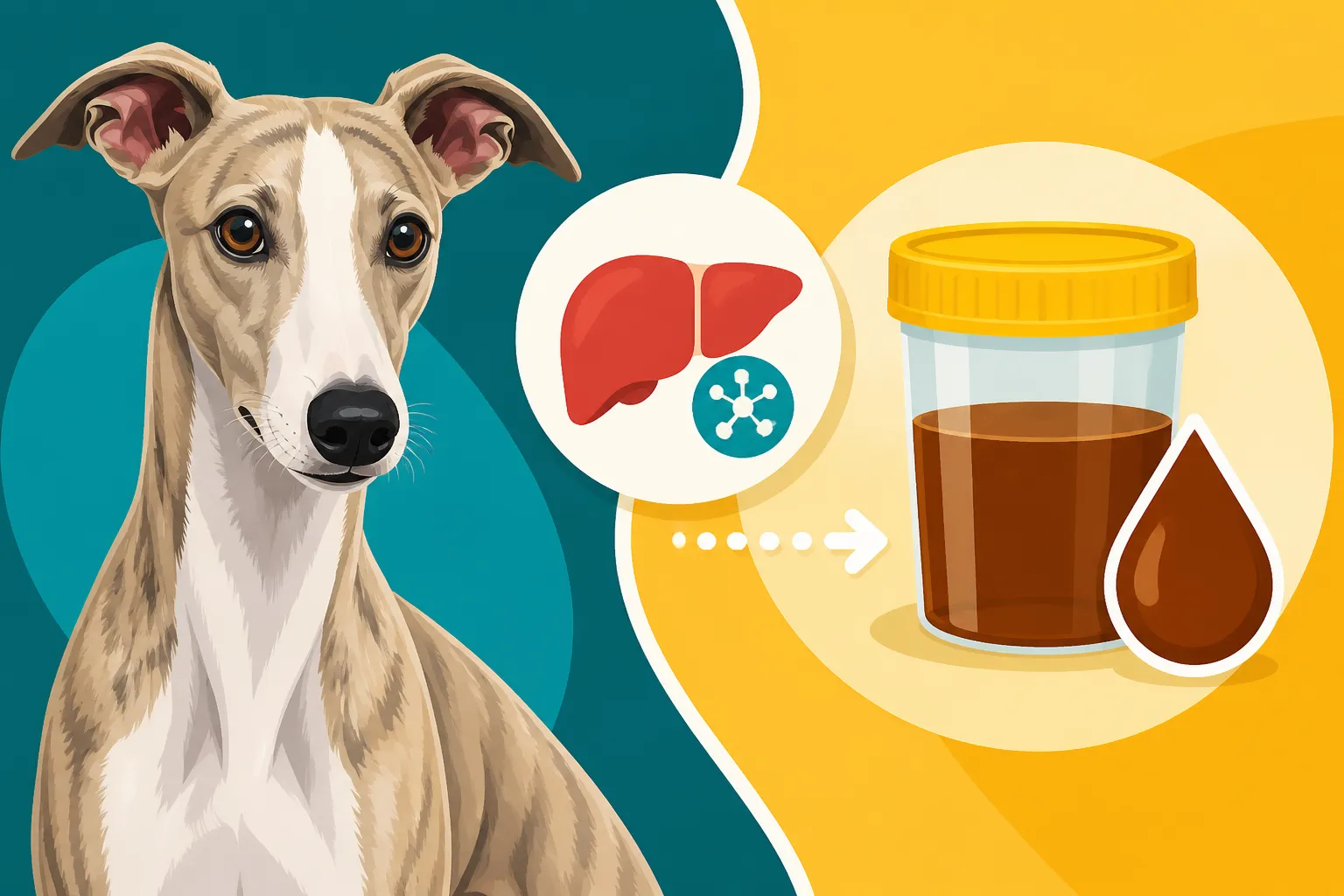
Whether a Whippet With PFK Deficiency Passes Dark Urine
It's incredibly frightening as a Whippet owner to notice something is just off with your beloved companion. One of the most alarming things you might see is a change in their urine color, especially if it's taken on a dark, almost reddish-brown hue. This unsettling symptom can be a sign of many issues, but for a Whippet, it can sometimes point to a genetic condition called Phosphofructokinase (PFK) deficiency. This guide will walk you through what PFK deficiency is, why it might cause dark urine, and how to best care for a Whippet facing this challenge.
Understanding Phosphofructokinase (PFK) Deficiency in Whippets
Learning that your Whippet might have a genetic condition can feel overwhelming. PFK deficiency isn't a widely known ailment outside of certain breed circles, but understanding the basics is the first step toward managing it effectively and ensuring your dog lives the fullest life possible.
What PFK Deficiency Actually Is
At its core, Phosphofructokinase (PFK) deficiency is a genetic disorder that impacts a dog's red blood cells. PFK is a crucial enzyme, a tiny protein, that plays a starring role in glycolysis – the metabolic pathway that converts glucose (sugar) into energy for the cells. Think of it like a vital spark plug in your car's engine; without it, the whole system struggles to convert fuel into power. In Whippets, this deficiency means their red blood cells don't have enough of this enzyme, leading to them being more fragile and breaking down prematurely.
This breakdown, called hemolysis, is where many of the visible symptoms stem from. When red blood cells are compromised, they can't do their job of carrying oxygen around the body efficiently. This isn't just a minor inconvenience; it can have profound effects on your Whippet's energy levels, their ability to cope with stress, and their overall health. The genetic nature of this disease means it's passed down from parents to offspring, making responsible breeding practices incredibly important. We'll delve deeper into the genetics, specifically "Whether a Whippet's PFK Deficiency is recessive", later in this guide.
How PFK Deficiency Affects Red Blood Cells
Normally, red blood cells are robust little oxygen carriers, shuttling oxygen from the lungs to every tissue and organ in the body. They need a steady supply of energy, produced through glycolysis, to maintain their integrity and perform their vital function. When a Whippet has PFK deficiency, their red blood cells can't produce energy efficiently, especially under certain conditions. This makes them highly susceptible to damage.
When these fragile red blood cells encounter stressors like intense exercise, excitement, fever, or even some medications, they can literally burst. This mass destruction of red blood cells floods the bloodstream with their contents, including hemoglobin. This acute hemolytic crisis is what triggers many of the severe symptoms you might observe, including the alarming change in urine color. It's a cascade effect: compromised energy production leads to fragile cells, which then break down, causing a host of problems for your Whippet.
The Link Between PFK Deficiency and Dark Urine
Seeing your Whippet pass dark urine is naturally terrifying. It immediately signals that something is seriously wrong, and your mind races through all the possibilities. For Whippets, especially those predisposed to or diagnosed with PFK deficiency, that dark urine is often a direct and critical indicator of a hemolytic episode.
Why Hemolysis Leads to Dark Urine
When a Whippet experiences a hemolytic crisis due to PFK deficiency, their red blood cells are destroyed at an accelerated rate. These cells contain hemoglobin, the protein responsible for carrying oxygen and giving blood its red color. When red blood cells break open, this hemoglobin is released into the bloodstream. The body then tries to process and eliminate this excess hemoglobin.
Part of this process involves converting hemoglobin into bilirubin, which is typically processed by the liver and excreted in bile. However, when there's a massive amount of hemoglobin released, the kidneys also try to filter it out. Hemoglobin, or its breakdown product, can then be excreted in the urine, giving it a distinct dark, reddish-brown, or even black appearance. It’s not simply "strong" urine; it’s a sign of blood cell destruction and can often be described as looking like Coca-Cola or dark tea. This is a critical symptom, demanding immediate veterinary attention, as it signals a significant internal event.
Differentiating Dark Urine from Other Causes
While dark urine can be a hallmark sign of PFK deficiency in a Whippet, it’s also important to remember that other conditions can cause similar discoloration. This isn't to downplay PFK deficiency, but rather to highlight why a proper veterinary diagnosis is so crucial. Dehydration, for example, can make urine appear much darker yellow or amber due to its concentration, though typically not the reddish-brown associated with hemolysis. Certain foods or supplements can also temporarily alter urine color, though this is rare in a way that mimics a medical emergency.
More serious conditions like kidney disease, liver issues, or urinary tract infections can also lead to discolored urine, sometimes with visible blood. Ingesting toxins or certain medications can also be a culprit. That's why simply seeing dark urine warrants an immediate trip to the vet. They will perform tests to differentiate between these possibilities, which might include a urinalysis to check for red blood cells, hemoglobin, and other markers, as well as blood tests to assess red blood cell count and overall organ function. Never assume; always seek professional advice to pinpoint the exact cause.
Recognizing Other Symptoms Beyond Urine Color
While dark urine is a very visible and alarming symptom of a PFK deficiency episode, it's rarely the only one. Understanding the full spectrum of signs can help you identify a crisis early and get your Whippet the help they need. These symptoms often revolve around the body's struggle with anemia and oxygen deprivation.
General Signs of an Anemic Crisis
When your Whippet's red blood cells are being destroyed faster than their body can replace them, they become anemic. This lack of sufficient oxygen-carrying capacity in the blood manifests in several ways that are usually quite noticeable to an attentive owner. One of the first things you might observe is extreme lethargy. Your normally energetic Whippet might suddenly seem unusually tired, uninterested in play, or reluctant to move. They might sleep more than their usual impressive "How many hours a day a Whippet sleeps".
Along with lethargy, you might see noticeable weakness or even staggering. Their gums, which are usually a healthy pink, might appear pale or even whitish, indicating poor blood flow. You might also notice an increase in their respiratory rate or effort, as their body tries to compensate for the lack of oxygen by breathing faster. These signs, coupled with dark urine, create a clear picture of a Whippet in distress and require immediate veterinary care. Don't wait for multiple symptoms to appear; if you see one, especially dark urine or extreme lethargy, it's time to act.
Triggers and Episodic Nature of PFK Deficiency
One of the challenging aspects of PFK deficiency is its episodic nature. A Whippet with PFK deficiency might appear perfectly healthy for long stretches, leading you to believe everything is fine. However, certain triggers can suddenly bring on an acute hemolytic crisis. Knowing these triggers is paramount for managing the condition and trying to prevent these frightening episodes. The most common culprits are intense or prolonged exercise, especially in hot weather, as well as extreme excitement or stress.
Imagine your Whippet having a particularly thrilling play session at the dog park, chasing a lure, or even just getting overly worked up by visitors. These moments, while seemingly harmless, can be enough to trigger a breakdown of their fragile red blood cells. Fever, infections, or even sudden changes in environmental temperature can also be triggers. It's a bit like having a hidden tripwire; the dog can be completely fine until that wire is hit. This is why it's so important to understand "Whether excitement triggers a PFK episode in a Whippet" and tailor their lifestyle accordingly. The good news is, by understanding these triggers, you can often mitigate the risk of severe episodes.
Living with a Whippet Diagnosed with PFK Deficiency
A diagnosis of PFK deficiency can feel like a heavy blow, but it's not a death sentence. Many Whippets with this condition can live full and happy lives with careful management and a deep understanding of their unique needs. It requires a commitment to a modified lifestyle and vigilant observation.
Managing Daily Life and Exercise
The key to living with a PFK-deficient Whippet is moderation. While it's tempting to think your Whippet needs to be bubble-wrapped, that's not realistic or fair to a dog that still has natural instincts and desires for activity. The goal is to avoid the intense, sudden bursts of exertion and prolonged periods of high excitement that are known triggers. This means rethinking traditional Whippet activities like long, fast sprints or high-intensity lure coursing. Instead, focus on shorter, controlled walks and gentle play in a secure, quiet environment.
It’s about understanding the nuances of "Whether a Whippet with PFK Deficiency can exercise". They can still enjoy being outdoors, sniffing around, and even a good, brisk walk, but pushing them to exhaustion or letting them get overly stimulated in a dog park filled with boisterous play might be too risky. Think of it as managing a delicate balance: providing enough mental and physical stimulation to keep them happy, without crossing the line into a potential crisis. This might mean adjusting your expectations and finding new ways to bond that prioritize their safety.
The Role of Diet and Environment
While diet isn't a cure, it can play a supportive role in managing a PFK-deficient Whippet. Some research suggests that high-carbohydrate meals can increase the risk of an episode for PFK-deficient dogs, particularly if coupled with other stressors. Therefore, working with your veterinarian or a veterinary nutritionist to ensure a balanced diet that isn't excessively high in simple carbohydrates might be beneficial. Focus on high-quality protein and healthy fats, with complex carbohydrates in moderation, if any. Your vet can provide specific recommendations tailored to your Whippet's individual needs and activity level.
Beyond diet, creating a calm and stable home environment is crucial. Whippets are sensitive dogs by nature, and minimizing stress can go a long way in preventing PFK episodes. This might mean having a consistent routine, providing plenty of comfortable, quiet resting spots, and avoiding overly chaotic situations. If your Whippet tends to get overly excited by visitors or certain sounds, consider strategies to manage those reactions, such as designated quiet spaces or desensitization training. The goal is to reduce any factors that could put undue stress on their fragile red blood cells, allowing them to thrive within their limitations.
Diagnosis and Management of PFK Deficiency
If you suspect PFK deficiency or your Whippet has already had an episode, getting a definitive diagnosis and establishing a robust management plan with your veterinarian is critical. This condition requires specific diagnostic steps and ongoing care to ensure your Whippet's well-being.
Getting a Definitive Diagnosis
The good news is that PFK deficiency can be definitively diagnosed through a simple DNA test. This test identifies the specific genetic mutation responsible for the condition in Whippets, removing any guesswork. Many owners can even order the test directly through specialized veterinary genetic labs. It’s a huge relief to confirm or rule out a genetic condition with such certainty, and I highly recommend looking into "Whether PFK Deficiency Has a DNA Test in Whippets" if you have any concerns. This test is crucial for breeders to avoid passing on the gene, but it's also invaluable for pet owners.
In addition to genetic testing, your veterinarian will likely run blood tests during an active crisis to assess the severity of the anemia and look for other indicators of red blood cell destruction. These might include a complete blood count (CBC) to check red blood cell numbers, and specialized tests that look for PFK enzyme activity in the red blood cells, although the genetic test is more conclusive. It's important to be aware that some bloodwork numbers can look confusing in sighthounds generally; for context, it's good to read up on "The Bloodwork Numbers That Look Wrong on a Healthy Whippet", but specific PFK testing will be distinct. The results from these tests will guide the immediate care your Whippet needs during an episode.
Treatment and Prognosis
Unfortunately, there is no cure for PFK deficiency. However, it is a manageable condition. Treatment focuses entirely on supportive care during an acute hemolytic crisis and preventative measures to reduce the frequency and severity of episodes. During a severe episode, your Whippet might require hospitalization, intravenous fluids to maintain hydration, oxygen therapy to aid oxygen delivery, and in very severe cases, a blood transfusion to replace critically low red blood cell counts. These interventions are life-saving and emphasize the need for immediate veterinary attention when an episode occurs.
The long-term prognosis for Whippets with PFK deficiency varies. With careful management, many affected dogs can live a relatively normal lifespan, though they will always require monitoring and adjustments to their lifestyle. Some dogs experience very few episodes, while others may be more prone to them. It's crucial to work closely with a veterinarian who understands sighthound specific conditions and who can help you tailor a preventative strategy. Knowing "Whether a Whippet with PFK Deficiency lives long" often comes down to proactive care and swift action during crises. The costs associated with emergency care for a PFK crisis can be substantial, so having a good pet insurance plan, like one from Healthy Paws, can be an absolute lifesaver. Healthy Paws helps cover those unexpected veterinary bills, ensuring you can provide the best care without financial strain.
Breeding Considerations and Genetic Testing
Understanding the genetics of PFK deficiency isn't just for current pet owners; it's absolutely vital for breeders to ensure the health of future generations. This is where responsible breeding practices truly shine and make a profound difference.
Understanding the Recessive Gene
PFK deficiency in Whippets is inherited as an autosomal recessive trait. What does this mean in plain English? It means that a Whippet must inherit two copies of the defective gene—one from each parent—to actually develop the disease. A dog that inherits only one copy of the defective gene is considered a "carrier." Carriers do not typically show any symptoms of PFK deficiency themselves; they live perfectly normal, healthy lives, often without any indication they carry the gene. However, they can pass that single defective gene onto their offspring.
The danger arises when two carriers are bred together. In such a pairing, there's a 25% chance that each puppy will inherit two copies of the defective gene and thus be affected by PFK deficiency. There's a 50% chance they'll be carriers, and a 25% chance they'll be completely clear. This genetic lottery highlights why simply breeding "healthy-looking" dogs isn't enough when dealing with recessive conditions. For a deeper dive into the inheritance pattern, learning "Whether a Whippet's PFK Deficiency is recessive" is key.
The Importance of Breeder Testing
Given the recessive nature of PFK deficiency, genetic testing of all breeding stock is incredibly important for any responsible Whippet breeder. By testing potential breeding dogs, breeders can identify carriers and avoid mating two carriers together, thereby preventing the birth of affected puppies. If a carrier must be bred for other valuable genetic traits, they should only be mated with a dog that has been tested and confirmed to be completely clear of the PFK mutation. This pairing will produce only clear or carrier puppies, with no affected offspring.
This responsible approach helps to reduce the prevalence of PFK deficiency in the breed over time and ensures that puppies going to new homes are less likely to face this challenging condition. Unfortunately, not all breeders prioritize this testing, which is why it's so important for prospective puppy buyers to inquire about genetic health testing for PFK and other conditions. You might be surprised to learn "How common PFK Deficiency is in Whippets", emphasizing the need for diligent screening. Don't be afraid to ask for proof of testing. This transparency is a hallmark of an ethical breeder committed to the long-term health of their lines. And remember, investing in a Whippet from a health-tested line is a proactive step, but comprehensive pet insurance from providers like Healthy Paws can provide an extra layer of financial security for any unexpected health challenges that may arise throughout your dog's life. Healthy Paws has a good reputation for covering genetic conditions if enrolled before diagnosis.
Managing the Risk of PFK Episodes
Living with a Whippet who has PFK deficiency means being proactive about managing risks. While you can't eliminate the condition, you can certainly minimize the likelihood and severity of episodes. It's all about understanding and controlling their environment and activities.
Environmental Controls and Activity Adjustments
The core of risk management lies in avoiding known triggers. This means being acutely aware of your Whippet's environment. For instance, extreme temperatures, both hot and cold, can be stressful for a PFK-deficient Whippet. On hot days, limit outdoor time to early mornings or late evenings, ensure plenty of shade, and always have fresh water available. In colder weather, a warm coat is essential, and short, brisk walks are preferable to prolonged exposure. For more on keeping your Whippet warm, you might want to read "Whether a Whippet Needs a Coat Below Fifty Degrees".
When it comes to activity, it’s about controlled engagement. Instead of letting them off-leash in an open field where they might sprint wildly for an extended period, opt for a long line in a secure, quiet area. Short, gentle play sessions, indoor games, and puzzle toys can provide mental and physical stimulation without over-exertion. Even something as simple as a sudden loud noise or an unexpected visitor can cause enough excitement to trigger an episode, so creating a calm home environment is also part of this strategy. A quiet routine and predictable interactions help keep stress levels low.
The Importance of a Sighthound-Savvy Veterinarian
One of the most critical aspects of managing a Whippet with PFK deficiency is having a veterinarian who truly understands sighthounds. These breeds have unique physiological characteristics that differ significantly from other dogs, and PFK deficiency adds another layer of complexity. A sighthound-savvy vet will be familiar with the nuances of their bloodwork, their specific anesthetic protocols, and how conditions like PFK deficiency can impact their overall health. For example, they'll know that "Why anesthesia is riskier in a Whippet" isn't just a myth, and how certain medications or procedures might need to be adjusted.
Your vet will be your primary partner in monitoring your Whippet's health, advising on lifestyle adjustments, and providing rapid intervention during an emergency. They can help you develop an individualized care plan, discuss dietary considerations, and recommend specific supplements if needed. Don't hesitate to seek out a specialist if your regular vet isn't as familiar with sighthound health; it can make all the difference in the world for your Whippet's quality of life. The cost of specialized care can add up, so again, considering pet insurance like Healthy Paws, which is often recommended for sighthound owners due to the breed's unique needs, can alleviate stress during difficult times.
Key Information at a Glance: PFK Deficiency
To help consolidate the crucial information about PFK deficiency in Whippets, here’s a quick reference table. This summarizes the main points regarding symptoms, triggers, and management strategies.
| Feature | Description |
|---|---|
| What It Is | A genetic enzyme deficiency in red blood cells (Phosphofructokinase) that impacts energy production, leading to fragile cells. |
| Inheritance | Autosomal recessive. Dog must inherit two copies of the defective gene to be affected. Carriers have one copy and are typically asymptomatic but can pass it on. |
| Primary Symptom | Dark, reddish-brown urine (hemoglobinuria) due to red blood cell destruction (hemolysis). |
| Other Symptoms | Lethargy, weakness, pale gums, exercise intolerance, rapid breathing, fever during episodes. |
| Common Triggers | Strenuous exercise, extreme excitement or stress, fever, infections, high-carbohydrate meals (in some cases), sudden temperature changes. |
| Diagnosis | Definitive DNA test identifies the genetic mutation. Blood tests confirm anemia/hemolysis during an episode. |
| Treatment | No cure. Management focuses on supportive care during crises (IV fluids, oxygen, blood transfusions) and preventing triggers. |
| Prognosis | Varies by individual. With careful management and trigger avoidance, many Whippets can lead full lives. Lifespan generally good if episodes are well-controlled. |
| Prevention | Responsible breeding requires genetic testing of all breeding stock to avoid mating two carriers. |
| Daily Living | Moderate exercise, calm environment, balanced diet, close monitoring, and a sighthound-savvy vet are essential. Pet insurance (e.g., Healthy Paws) is highly recommended for emergency care. |
Disclaimer
The information provided in this article is for educational purposes only and is not a substitute for professional veterinary advice. Always consult with a qualified veterinarian for any health concerns or before making any decisions about your Whippet's care.