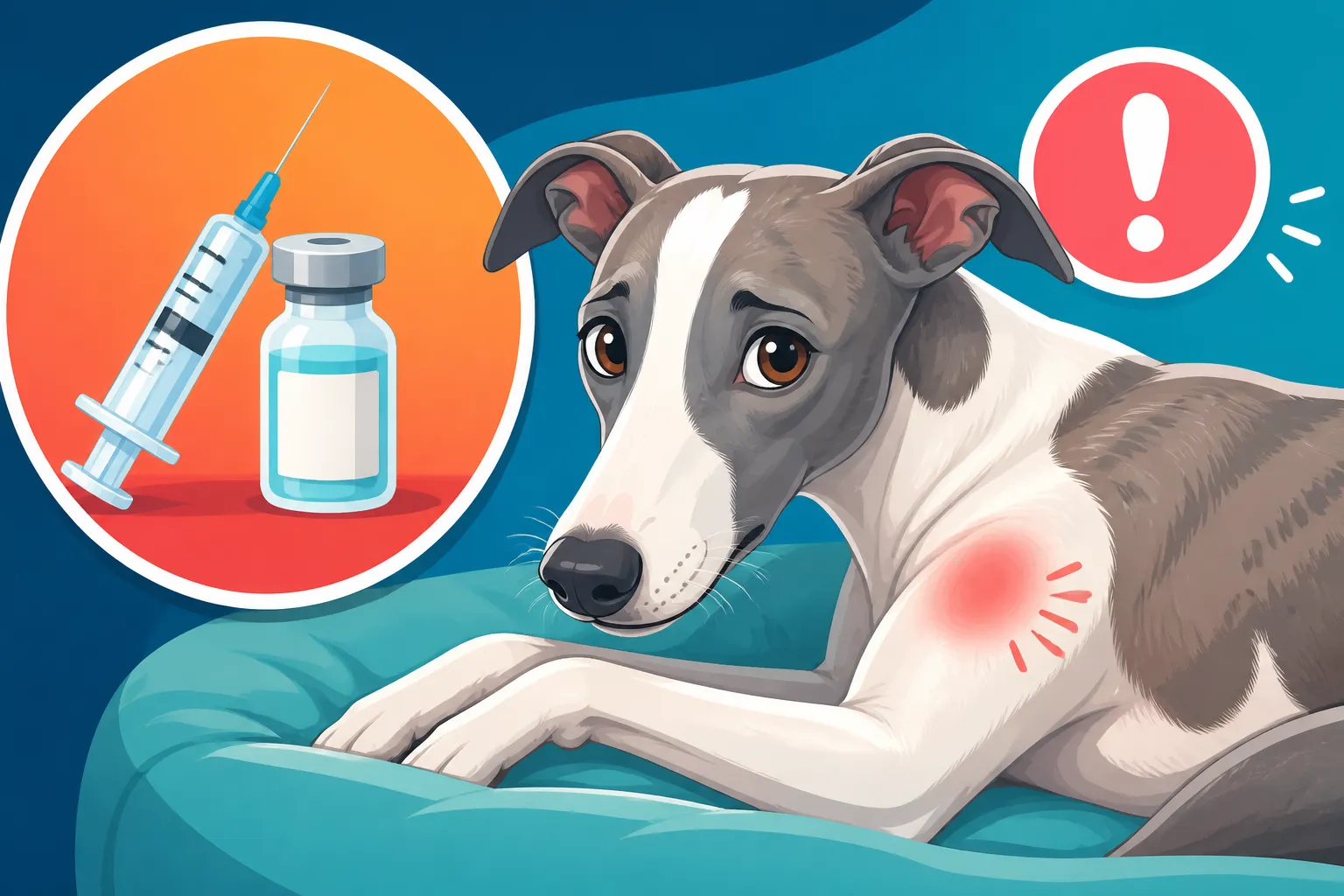
Vaccine Reactions in a Whippet
It’s a worry no Whippet owner wants: you take your beloved dog to the vet for their routine vaccinations, hoping to protect them from serious diseases, only to witness an unexpected reaction. Whippets, with their unique physiology, can sometimes respond differently to vaccinations than other breeds, leaving us scrambling to understand what’s happening and how best to care for them. This guide aims to walk you through the various types of vaccine reactions your Whippet might experience, how to recognize them, and what steps you can take to keep your furry friend safe and comfortable.
Understanding Vaccine Reactions in Whippets
Vaccines are a cornerstone of preventive care, shielding our Whippets from illnesses that can be devastating. However, like any medical procedure, they carry a small risk of adverse reactions. For Whippet owners, this can feel like an even bigger concern because our dogs often seem so delicate and sensitive. It’s not just in our heads; there can be physiological reasons why a Whippet might react differently.
Why Whippets Might Be More Sensitive
Whippets are sighthounds, and this breed group often displays a unique sensitivity to certain medications and medical procedures. Their lean body mass, minimal subcutaneous fat, and high metabolism are factors that can contribute to how their bodies process and react to various substances. We often talk about how this affects things like anesthesia – a topic well-covered in discussions like "Why Anesthesia Is Riskier in a Whippet" – but this sensitivity can extend to vaccines as well.
Because Whippets are so lean, there's less tissue buffering the vaccine injection. While this might seem like a small detail, it can sometimes contribute to more pronounced local reactions. Their generally more "finely tuned" systems might also mean they manifest systemic reactions a bit more clearly or intensely than a thicker-coated, heavier-boned breed. It’s not a universal truth for every Whippet, of course, but it’s a valid concern many owners share. We’re always hyper-aware of their thin skin and delicate nature, often leading us to worry more about any medical intervention.
Types of Reactions You Might See
Vaccine reactions can range from very mild and localized annoyances to severe, life-threatening emergencies. It's crucial to understand this spectrum so you can respond appropriately. Most reactions are mild and resolve on their own, but being able to differentiate them from something more serious is key.
Generally, reactions fall into a few categories: local reactions at the injection site, mild systemic reactions affecting the whole body but not severely, and more serious systemic allergic or immune-mediated reactions. Understanding these distinctions will help you decide if a quick call to the vet is needed, or if an immediate trip to the emergency clinic is in order. It’s about being informed, not paranoid, and knowing that your Whippet’s well-being is paramount.
Common Mild Vaccine Reactions and How to Manage Them
The good news is that most vaccine reactions are mild, temporary, and easily managed at home. These reactions are essentially your Whippet's immune system doing its job, responding to the vaccine as it should. While they can still be uncomfortable for your dog and concerning for you, they typically don't pose a significant health threat.
Localized Swelling and Soreness
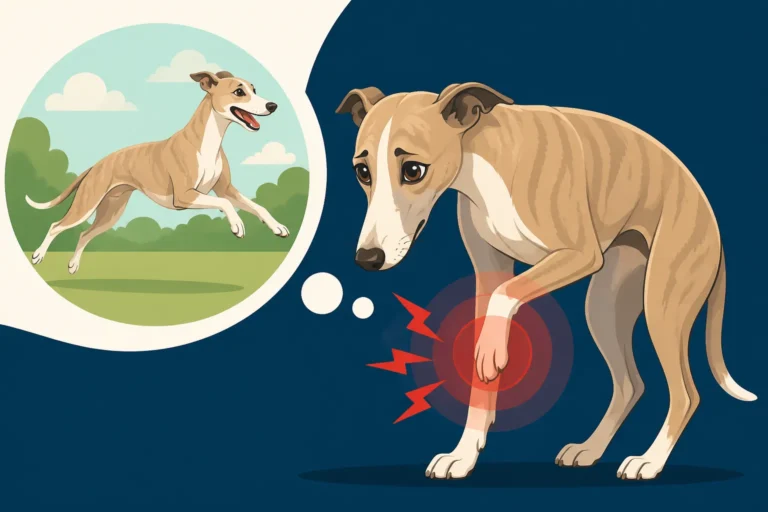
One of the most frequent reactions is swelling, redness, or tenderness at the injection site. Think of it like a human getting a flu shot—sometimes your arm feels a bit sore afterwards. For your Whippet, this might manifest as them limping slightly, holding their leg up, or not wanting you to touch the area where the vaccine was given. You might even feel a small, firm lump under the skin. This lump is often just inflammation or a granuloma forming as the body processes the vaccine.
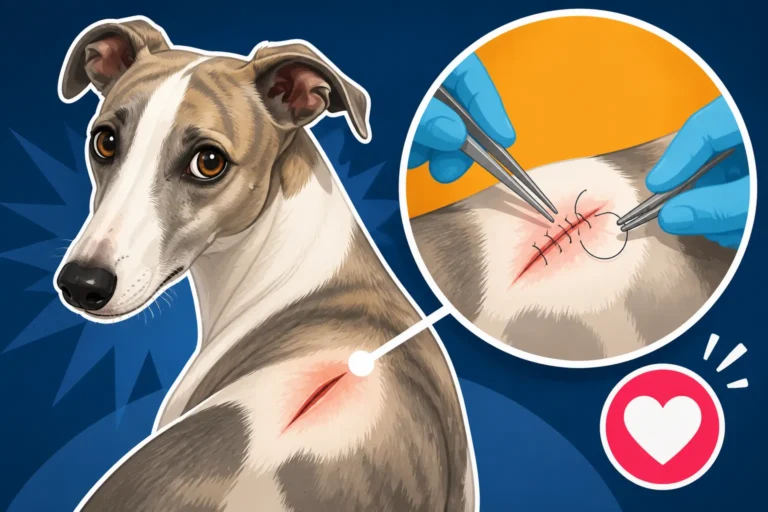
These local reactions usually appear within a few hours to a day after vaccination and typically subside within 24-48 hours. You can often help alleviate discomfort by applying a cool compress to the area for 5-10 minutes a few times a day. If the swelling is significant, seems to be growing, or if your Whippet is in obvious pain, a call to your vet is warranted. They might recommend a mild anti-inflammatory medication or simply reassure you that it’s normal. Remember, our Whippets have "The Thin Skin That Sends a Whippet to the Vet for Stitches" from everyday scrapes, so any lump or bruise can look more dramatic on their delicate frame.
Lethargy and Mild Fever
Another common mild reaction is a general feeling of being "off." Your Whippet might seem a bit more tired than usual, less interested in playing, or just want to curl up and sleep more. This lethargy can sometimes be accompanied by a mild fever, which is also a normal immune response. Just like we might feel a little under the weather after a vaccine, your Whippet can too.
These symptoms usually start within a few hours post-vaccination and generally resolve within a day or two. Ensure your Whippet has a quiet, comfortable place to rest. Offer plenty of fresh water and keep an eye on them. If the lethargy is extreme, if the fever seems high (you can often tell by feeling their ears or groin, though a rectal thermometer is more accurate), or if these symptoms persist beyond 48 hours, it's always best to contact your veterinarian. They can advise if further intervention, like a fever reducer, is needed.
Loss of Appetite or Mild Nausea
Some Whippets might experience a temporary dip in appetite or even mild nausea after vaccination. They might turn their nose up at their regular kibble or be a bit more hesitant to eat treats. This is usually linked to the general feeling of being unwell or a slight upset stomach from the immune response. It’s rarely severe, but it can be disheartening for us owners when our dogs aren't eager for their meals.
If your Whippet is eating less, try offering something bland and easy to digest, like plain cooked chicken and rice, for a day or two. Small, frequent meals might be more appealing than one large one. Make sure they are still drinking water to prevent dehydration. If the lack of appetite lasts more than 24 hours, or if they are actively vomiting or experiencing diarrhea, it’s time to call your vet. While mild nausea is common, persistent gastrointestinal upset can indicate something more serious or a need for anti-nausea medication.
Recognizing More Serious Vaccine Reactions in Whippets
While the vast majority of vaccine reactions are mild, it’s essential to be aware of the signs of more serious, albeit rarer, adverse events. These types of reactions require immediate veterinary attention, as they can quickly become life-threatening. Knowing what to look for can make all the difference in getting your Whippet the urgent care they need.
Allergic Reactions (Anaphylaxis)
Anaphylaxis is a severe, rapidly progressing allergic reaction that can affect multiple body systems and is considered a medical emergency. Though rare, it can be extremely frightening and dangerous. In Whippets, as in other dogs, symptoms typically appear very quickly after vaccination, often within minutes to an hour.
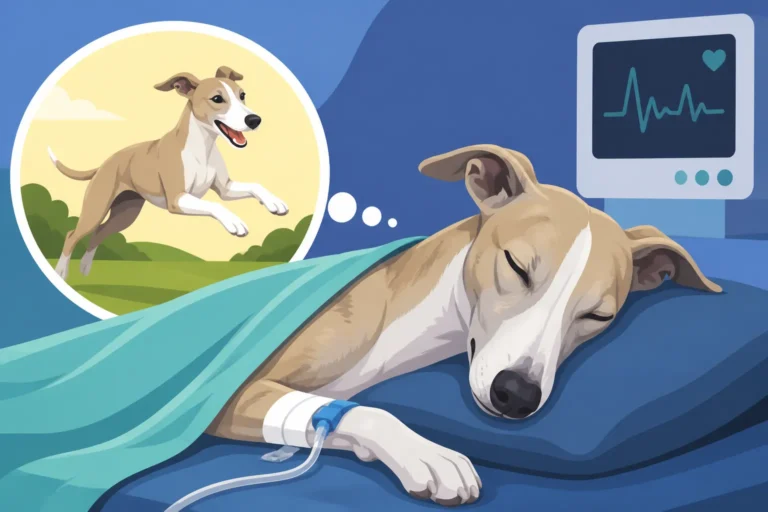
Look for signs like sudden facial swelling (especially around the eyes, muzzle, or ears), hives (itchy red bumps) that may appear all over the body, vomiting, diarrhea, or sudden weakness and collapse. In severe cases, your Whippet might have difficulty breathing, pale gums, or an increased heart rate. If you see any of these symptoms, especially facial swelling or difficulty breathing, do not hesitate. Get your Whippet to the nearest emergency veterinary clinic immediately. This is one of those situations where understanding "What an After Hours Vet Visit Costs for a Whippet" becomes secondary to saving your dog's life. Early intervention with antihistamines, corticosteroids, and epinephrine can be life-saving.
Immune-Mediated Reactions
Even rarer than anaphylaxis are immune-mediated reactions, where the vaccine triggers an autoimmune response. These can include conditions like immune-mediated hemolytic anemia (IMHA) or immune-mediated thrombocytopenia (IMTP). These reactions are typically delayed, appearing days or even weeks after vaccination, making them harder to link directly to the vaccine.
Symptoms for IMHA might include extreme lethargy, pale gums, yellowing of the skin or eyes (jaundice), dark urine, and increased respiratory rate. IMTP might present with bruising, pinpoint red spots on the skin (petechiae), or bleeding from the nose or gums. These are serious, complex conditions that require extensive veterinary diagnosis and treatment. While these are incredibly uncommon, if your Whippet develops any unexplained severe symptoms in the weeks following a vaccination, especially those related to blood disorders, ensure your vet is aware of the recent vaccination history. Discussions about "The Bloodwork Numbers That Look Wrong on a Healthy Whippet" can become very relevant in these rare scenarios.
Neurological Symptoms
On the extreme end of the rarity spectrum are neurological reactions, such as seizures, tremors, or disorientation. These are exceedingly rare and often linked to specific types of vaccines or pre-existing neurological conditions. If your Whippet experiences any seizure activity, unusual tremors, or seems disoriented and unable to recognize you, it’s a critical emergency.
Just like with severe allergic reactions, immediate veterinary care is essential. Provide as much detail as possible to your vet about the timing of the vaccine and the onset and nature of the symptoms. While terrifying to witness, understanding the potential for even these remote possibilities allows you to act swiftly, which is always the best course of action for your Whippet’s health.
Proactive Steps for Vaccinating Your Whippet
Given the potential for reactions, especially in a sensitive breed like the Whippet, it's natural to want to take every precaution. The good news is there are several proactive steps you can discuss with your veterinarian to minimize risks and ensure your Whippet gets the protection they need with the least amount of stress.
Discussing Vaccine Protocols with Your Vet
An open and honest conversation with your veterinarian is your best tool. Instead of a one-size-fits-all approach, a tailored vaccination plan can significantly reduce risks. For adult Whippets, discuss the possibility of titer testing for core vaccines (like distemper, parvovirus, and adenovirus). A titer test measures the level of antibodies in your dog's blood, indicating if they still have immunity from previous vaccinations. If their titers are sufficiently high, they may not need a booster, potentially sparing them from an unnecessary vaccine exposure.
For puppies, who need their initial series, discuss a vaccination schedule that prioritizes core vaccines and considers their lifestyle. For example, a Whippet who rarely leaves a securely fenced yard might not need certain non-core vaccines immediately that a dog who frequently visits dog parks or boarding kennels would. Always ask your vet about the necessity of each vaccine for your individual Whippet and their environment. This personalized approach is often advocated by vets who understand the nuances of sighthound care, as discussed in topics like "Whether a Whippet Needs a Vet Who Knows Sighthounds".
Spacing Out Vaccinations
One common strategy to reduce the risk of a reaction, particularly if your Whippet has shown mild sensitivities in the past, is to space out vaccinations. Rather than administering multiple vaccines (e.g., DHPP and Leptospirosis) at a single appointment, your vet might recommend giving them a few weeks apart. This approach allows your Whippet's immune system to respond to one vaccine at a time, potentially reducing the overall systemic load and the chance of an adverse reaction.
This is especially helpful for non-core vaccines that might be considered elective based on your dog's risk factors. For instance, if your Whippet needs a kennel cough vaccine and their rabies booster, your vet might suggest scheduling them two to three weeks apart. This way, if a reaction does occur, it's easier to pinpoint which vaccine might have been the trigger, aiding in future decision-making. It’s a simple change that can make a big difference in reducing your worry and your Whippet's discomfort.
Monitoring Your Whippet Post-Vaccination
The period immediately following vaccination is crucial for observation. Most mild reactions occur within the first 24-48 hours, while severe anaphylactic reactions happen much faster, often within minutes. It's a good idea to schedule vaccine appointments for a day when you can be home with your Whippet afterward, or at least keep a close eye on them for several hours.
Stay vigilant for any of the signs we've discussed, both mild and severe. Keep your vet's number handy, and know the location of the nearest emergency veterinary clinic. It’s also wise to avoid strenuous activity immediately after vaccination; a quiet day at home is usually best. Many owners find peace of mind by having pet insurance, like plans from Healthy Paws, which can help cover unexpected emergency veterinary costs if a serious reaction does occur. Being prepared for the unexpected is part of responsible Whippet ownership, helping ensure they live out "The Twelve to Fifteen Years a Whippet Lives" happily and healthily.
| Type of Reaction | Symptoms | When It Appears | Action Required |
|---|---|---|---|
| Mild Local | Swelling, redness, soreness at injection site; small lump | Within hours to 1 day | Monitor, cool compress. Call vet if severe pain or growing lump. |
| Mild Systemic | Lethargy, mild fever, decreased appetite, mild nausea | Within hours to 1-2 days | Monitor, rest, offer bland food. Call vet if extreme lethargy, high fever, or symptoms persist > 48 hrs. |
| Severe Allergic | Facial swelling, hives, vomiting, diarrhea, sudden weakness, difficulty breathing, collapse | Minutes to 1 hour | IMMEDIATE EMERGENCY VET VISIT. |
| Immune-Mediated | Extreme lethargy, pale/yellow gums, dark urine, bruising, pinpoint red spots, bleeding (rare) | Days to weeks | Contact vet immediately, inform them of recent vaccination. |
| Neurological | Seizures, tremors, disorientation (very rare) | Within hours to days | IMMEDIATE EMERGENCY VET VISIT. |
Disclaimer
The information provided in this article is for educational purposes only and is not intended to be a substitute for professional veterinary advice, diagnosis, or treatment. Always seek the advice of your veterinarian or other qualified animal health provider with any questions you may have regarding a medical condition.