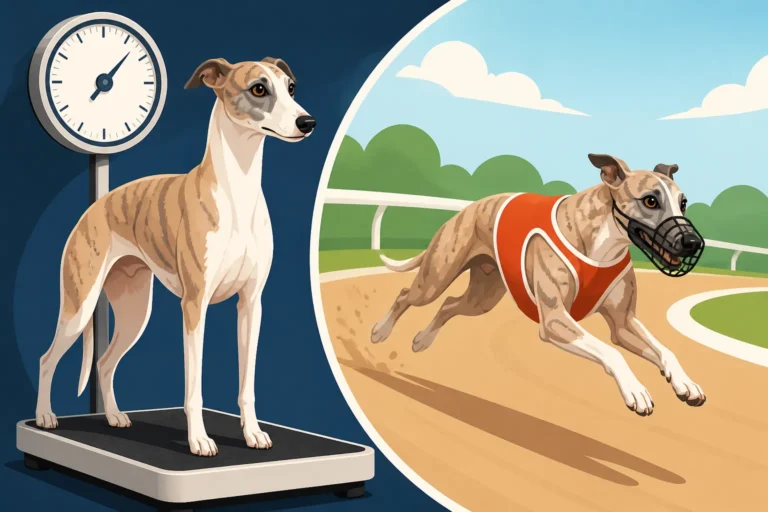
The Whippet Against a Greyhound
Bringing a sighthound into your life is an incredible experience, but for many prospective owners, the choice between a Whippet and a Greyhound can feel like a daunting decision. Both breeds share that iconic, elegant build and astonishing speed, but they also come with distinct differences in size, temperament, and care requirements that can profoundly impact daily life. This guide will help you unpack what truly sets these magnificent dogs apart, ensuring you make an informed choice for your home and lifestyle.
Understanding the Sighthound Family Tree
When you look at a Whippet and a Greyhound, it's easy to see the family resemblance. They both possess that unmistakable aerodynamic silhouette, deep chest, tucked abdomen, and powerful musculature designed for breathtaking speed. This isn't a coincidence; the Whippet was intentionally bred from the Greyhound, among other breeds, to create a smaller, more accessible version of the "poor man's racehorse." Understanding this shared heritage helps to explain why they have so many similarities, yet also develop their own unique traits.
The Shared Heritage of Speed
Both Whippets and Greyhounds were originally developed for specific purposes that demanded incredible speed and agility. Greyhounds, with their longer legs and larger strides, were perfected for open-field coursing, chasing live game like hare, and eventually for organized track racing. Their history is steeped in aristocracy and ancient lineage, revered for their hunting prowess and regal bearing.
Whippets, on the other hand, emerged from a more humble background in 19th-century industrial England, primarily in the Northern coalfields. Miners, who couldn't afford or house the larger Greyhounds, sought to create a miniature version that could still participate in the thrilling "rag racing" and "snap dog" competitions that were popular at the time. This gave rise to the Whippet, often called the "poor man's racehorse" or the "lightning rag dog," a testament to their incredible speed relative to their size. Despite their different origins, the core sighthound instinct to chase by sight is deeply ingrained in both, leading to that famous acceleration and love of a good sprint.
The Whippet's Role as a "Mini" Greyhound
It's tempting to think of a Whippet as simply a smaller Greyhound, and while there's truth to that, it’s not the whole story. The Whippet was indeed created by crossing smaller Greyhounds with other breeds like terriers (for gameness) and possibly Italian Greyhounds (for further size reduction and refinement). This selective breeding resulted in a dog that retained much of the Greyhound's elegance and speed but in a more compact package.
This difference in size is perhaps the most obvious distinction, influencing everything from how much space they need in your home to the cost of their food and veterinary care. A Whippet typically weighs between 25 to 40 pounds, while a Greyhound can easily top 60 or even 80 pounds. This size discrepancy also affects their presence and perceived fragility; while both are lean and possess thin skin The Thin Skin That Sends a Whippet to the Vet for Stitches, a large Greyhound might seem more robust than a dainty Whippet, even if both are equally prone to bumps and scrapes. The historical context also shows a breed developed to live intimately within a working-class family home, fostering a unique blend of athleticism and companionability that differs subtly from their larger cousins. For a more detailed look, you might enjoy reading The Whippet Against the Greyhound and the Italian Greyhound.
Physicality and Presence: More Than Just Size
While both breeds share that iconic sighthound shape, a closer look reveals significant differences in their physical attributes that influence their movement, their needs, and even how they are perceived. It’s not just about height and weight; it’s about the very mechanics of their magnificent bodies.
Height, Weight, and General Build
Let’s talk numbers first, because size is often the most immediate differentiator. A male Greyhound typically stands between 27 to 30 inches at the shoulder and weighs anywhere from 60 to 80 pounds, sometimes even more for larger males. Females are slightly smaller, usually 26 to 28 inches and 50 to 65 pounds. They are long-legged, with a powerful, muscular frame built for sustained speed over longer distances – at least longer than a Whippet's typical sprint.
A Whippet, by contrast, is a truly medium-sized dog. Males usually measure 19 to 22 inches at the shoulder and weigh 25 to 40 pounds, with females slightly smaller at 18 to 21 inches and 20 to 35 pounds. While still incredibly athletic, their proportions are more compact, giving them a more "sprinter" appearance compared to the Greyhound's "long-distance runner" vibe. This difference in mass affects everything from how much space they take up on your sofa to how easily you can lift them if they need assistance. For instance, knowing What a Whippet Actually Weighs can help you visualize them in your home.
The Nuances of Their Running Styles
Both breeds are blindingly fast, but their athleticism manifests in subtly different ways. Greyhounds are often considered the fastest dogs on earth over a short to medium distance, capable of reaching speeds of 40 to 45 miles per hour. Their powerful hindquarters, flexible spine, and efficient gait allow for incredible bursts of speed and a long, sweeping stride that eats up ground. They are built for the dash, but their endurance, while good, isn't that of a marathon runner.
Whippets are no slouch either, clocking in at speeds around 35 miles per hour. While they can't quite match the top speed of a Greyhound, their acceleration is phenomenal, and their agility can be astounding. They have a slightly more "compact" gallop, and some argue they are quicker to change direction. How Fast a Whippet Actually Runs delves deeper into their specific abilities. Both breeds, despite their speed, have surprisingly low endurance for sustained, high-speed running, preferring short, intense bursts followed by long naps. This is why you often hear the adage "40-mile-an-hour couch potato" applied to sighthounds generally, but it particularly resonates with both Whippets and Greyhounds.
Why Their Coats and Skin Need Special Attention
One of the defining characteristics of both Whippets and Greyhounds is their incredibly short, fine coat and thin skin. This sleek, low-maintenance coat contributes to their aerodynamic profile but offers very little insulation or protection from the elements or everyday bumps and scrapes. Owners of both breeds quickly learn to be vigilant about temperature control.
In cold weather, both Whippets and Greyhounds absolutely need coats, sweaters, and even pajamas to stay warm, both indoors and out. They simply don't have the natural fat or thick fur to protect them. You'll find a great selection of coats for both breeds on sites like Chewy. Their thin skin is also prone to tears, nicks, and scrapes that might barely bother a thicker-skinned breed. A simple brush against a thorny bush or a rough play session can result in a laceration requiring veterinary attention. This is a shared sighthound trait that owners must be prepared for, often keeping a first-aid kit handy.
Temperament and Living with Both Breeds
Beyond their physical appearance, the heart of choosing between a Whippet and a Greyhound often comes down to their personalities and how they fit into a family environment. While both breeds share many core sighthound traits, their sizes and nuances in disposition can lead to different living experiences.
The Myth of the Hyperactive Sighthound
Perhaps the biggest misconception about both Whippets and Greyhounds is that their incredible speed means they are constantly bouncing off the walls. Nothing could be further from the truth! Both breeds are renowned "couch potatoes" or "40 mph couch potatoes." After a good run or a brisk walk, they are usually content to curl up on the softest spot they can find – ideally your sofa or bed – and snooze for hours. It’s important to understand that while they can run like the wind, they don't need to be constantly exercising. Short bursts of intense activity are usually sufficient to satisfy their physical needs.
The key difference often lies in the sheer scale of their "couch potato-ness." A Greyhound, due to its larger size, takes up more space and can be a bit more clumsy in a small home. They can be incredibly laid-back and stoic, often maintaining a quiet dignity even indoors. Whippets, while equally lazy, tend to be a bit more "bouncy" in their younger years, with a playful exuberance that might last a bit longer than a young Greyhound's. However, both quickly settle into a relaxed routine once their exercise needs are met. Many new owners are pleasantly surprised by How Many Hours a Day a Whippet Sleeps.
Social Dynamics with People and Other Pets
Both Whippets and Greyhounds are generally gentle, affectionate, and sensitive dogs who thrive on human companionship. They bond closely with their families and often display a quiet devotion. They are not typically boisterous or demanding, preferring to lean into you for pets rather than jumping all over you. However, their sensitivity means they don't respond well to harsh training methods; positive reinforcement works best with these intelligent, soft-natured dogs. How a Whippet Learns When It Bruises From Pressure highlights this sensitive nature.
When it comes to other pets, their strong prey drive is a significant consideration. Both breeds have been bred for generations to chase small, fast-moving objects. While many Greyhounds, especially retired racers, can successfully live with cats, it often requires careful introduction and an understanding of the individual dog's history and temperament. Whippets are similar; they can often coexist with resident cats or smaller dogs if raised with them or properly introduced, but any unknown small, furry creature outside the home is likely to trigger their chase instinct. Living With a Whippet and a Cat offers valuable insights for Whippet owners. For both breeds, supervision, especially in the early stages, is paramount.
Trainability and Sensitivity
Both Whippets and Greyhounds are intelligent dogs, but they are not typically eager to please in the way some working breeds are. They can be incredibly stubborn if they don't see the point of an exercise, and their sensitivity means that positive reinforcement, patience, and making training fun are key. They are not dogs that will perform complex obedience routines with military precision, but they are certainly capable of learning good manners and a variety of tricks with the right approach.
Whippets, perhaps due to their slightly more playful nature, might be perceived as a touch more amenable to active training sessions, especially if treats or lure coursing are involved. Greyhounds often have a more independent streak, which can sometimes be mistaken for stubbornness. For both, understanding their sighthound nature – particularly their incredible vision and prey drive – is crucial for successful training, especially recall. A strong recall is difficult to achieve for both breeds due to their innate drive, making secure fencing and leashes indispensable.
Exercise Needs and Outdoor Adventures
Understanding the unique exercise requirements of sighthounds is paramount for any prospective owner. While both Whippets and Greyhounds share a love for a good sprint and a long nap, their ideal routine and how safely they can enjoy the outdoors differ in subtle but important ways.
Sprint vs. Stamina: Tailoring Their Workouts
Both Whippets and Greyhounds excel at short, explosive bursts of speed. Think of them as sprinters, not marathon runners. A Greyhound, with its larger lung capacity and longer stride, can maintain higher speeds for a slightly longer duration than a Whippet, but neither breed is built for hours of sustained jogging or hiking at a fast pace. Their exercise needs typically involve one or two periods of intense running (think 15-20 minutes of zoomies in a secure area) balanced with daily walks at a moderate pace.
For a Whippet, a couple of vigorous sprints in a fenced yard or at a lure coursing event can be enough to satisfy their need for speed, complemented by 30-60 minutes of leash walking daily. Greyhounds often thrive on a similar schedule, perhaps a slightly longer walk to account for their size. The key is quality over quantity when it comes to high-energy exercise. They benefit immensely from opportunities to stretch their legs and truly run, rather than being forced into endurance activities that aren't suited to their build. How Much Exercise a Whippet Really Needs provides a great overview for Whippet-specific exercise.
Off-Leash Freedom and the Prey Drive
This is arguably the most critical distinction and a source of constant frustration for sighthound owners. Both breeds possess an incredibly strong prey drive, which, when coupled with their phenomenal speed, means that off-leash excursions in unsecured areas are extremely risky. If a Whippet or Greyhound spots something they perceive as prey – a squirrel, a rabbit, a blowing leaf – their instinct to chase can override any amount of training, and they can be out of sight in seconds. Why a Whippet Cannot Be Let Off Leash in an Open Field explains this well.
Because of this, neither breed can reliably be trusted off-leash unless they are in a fully fenced and secure area. This means dog parks can be dangerous for them (both being prey and chasing prey), and open fields are a definite no-go. For Greyhounds, whose racing history means they might be used to a starting box and lure, their prey drive can be even more pronounced, and they often carry muzzles in public for this reason. Whippets, while smaller, are no less driven. Owners of both breeds must commit to leash walking in unfenced areas and finding safe, enclosed spaces for them to run freely. A long line can be a good compromise for supervised outdoor time in a larger space.
Adapting to Different Environments
Given their exercise needs and their love for comfort, both breeds adapt surprisingly well to a variety of living situations, provided their unique requirements are met. You might think such athletic dogs need vast estates, but their "couch potato" nature makes them excellent indoor companions.
Greyhounds, despite their size, are often described as "40-mile-an-hour rugs" indoors. They are generally quiet, calm, and don't require much space to roam inside. An apartment can be perfectly suitable for a Greyhound, as long as they get their daily walks and opportunities for off-leash sprints in a safe, fenced area. Their main requirement indoors is a soft, comfortable place to sleep, and lots of them!
Whippets are even more adaptable to smaller living spaces due to their compact size. They fit perfectly into apartments, condos, or houses with smaller yards. Like Greyhounds, they need soft bedding everywhere and crave warmth, often burrowing under blankets. They are generally quiet companions, not prone to excessive barking. Whether a Whippet Suits an Apartment answers this common question definitively. The biggest challenge for both breeds in any environment is providing a safe, fenced space to run, whether that's a private yard with a secure fence or regular trips to a rented dog field.
| Feature | Whippet | Greyhound |
|---|---|---|
| Size (Shoulder) | 18-22 inches (46-56 cm) | 27-30 inches (69-76 cm) |
| Weight | 20-40 lbs (9-18 kg) | 50-80 lbs (23-36 kg) |
| Top Speed (approx.) | 35 mph (56 km/h) | 40-45 mph (64-72 km/h) |
| Primary Exercise | Short, intense sprints; daily walks | Short, intense sprints; daily walks |
| Off-Leash Reliability | Very Low (High prey drive) | Very Low (High prey drive) |
| Indoor Energy | Low (Couch potato, playful bursts) | Very Low (Couch potato, quiet) |
| Sensitivity | High (Responds to positive reinforcement) | High (Responds to positive reinforcement) |
| Apartment Suitability | Excellent | Excellent |
| Grooming | Minimal (Short coat, thin skin) | Minimal (Short coat, thin skin) |
| Common Coat Issues | Thin skin, prone to tears | Thin skin, prone to tears |
Health, Lifespan, and Care Considerations
Bringing any dog into your home is a long-term commitment, and understanding the health profile and daily care requirements of a Whippet versus a Greyhound is vital for a happy and healthy life together. Both breeds are generally robust, but their sighthound physiology does come with some unique considerations.
Common Health Concerns in Each Breed
Overall, both Whippets and Greyhounds are considered healthy breeds, often living long, full lives. A Whippet typically lives The Twelve to Fifteen Years a Whippet Lives, while Greyhounds usually have a lifespan of 10 to 14 years. However, there are some health points unique to sighthounds or more prevalent in these breeds.
One shared concern is their unique anesthetic sensitivity, which means standard protocols often need adjustment. Both Greyhounds and Whippets metabolize certain drugs differently and are prone to hypothermia during surgery due to their low body fat. Always ensure your vet is aware of Why a Whippet Needs a Sighthound Anesthesia Protocol. Both breeds can also be prone to dental disease, so regular teeth cleaning and check-ups are important. Greyhounds, especially retired racers, can be prone to certain cancers like osteosarcoma or hemangiosarcoma, and specific bloodwork parameters that look "abnormal" for other breeds are normal for sighthounds. Understanding The Bloodwork Numbers That Look Wrong on a Healthy Whippet is crucial. Whippets can have some predispositions to conditions like certain eye diseases or heart murmurs, although many are benign.
Daily Care and Grooming Routines
When it comes to daily care, both Whippets and Greyhounds are wonderfully low-maintenance in the grooming department. Their short, fine coats shed minimally and require very little brushing – perhaps a quick once-over with a rubber curry brush a couple of times a week is all that's needed. They rarely need baths unless they've rolled in something truly offensive, as they don't have a strong "doggy odor."
However, their thin skin and lack of padding mean their comfort is paramount. Both breeds need ample soft bedding throughout your home to prevent pressure sores, especially on bony prominences like elbows and hips. If you're looking for dog beds, places like Chewy offer endless options, but remember, the softer and more supportive, the better. You might find yourself constantly buying beds, as detailed in The Beds a Whippet Owner Keeps Buying. Nail trims are a frequent necessity for both, as active lifestyles don't always wear down their nails sufficiently. Keeping a close eye on their lean body condition is also important; while they should look thin and athletic, you don't want them to be underweight.
Long-Term Commitments and Costs
The decision to bring a Whippet or a Greyhound into your life involves not just the initial adoption or purchase cost, but a commitment to their care for over a decade. While both are generally healthy, unexpected veterinary bills can arise. Emergency stitches for a skin tear, for example, are a common scenario for sighthound owners and can add up quickly. Emergency Stitches: the Whippet Bill Nobody Budgets For is a real eye-opener. Pet insurance is often a wise investment for both breeds, helping to mitigate the financial impact of accidents or illnesses.
Feeding costs will naturally be higher for a Greyhound due to their larger size, but both breeds are generally efficient eaters and aren't typically expensive to feed relative to their activity levels. Where they diverge in cost often comes down to their needs for warmth. A Greyhound will require larger, and thus potentially more expensive, coats and pajamas than a Whippet. However, the fundamental needs for secure exercise, soft bedding, and dedicated companionship are consistent across both. Ultimately, while there are financial considerations, the loving companionship and joy they bring are immeasurable.
Disclaimer
This article is for general informational purposes only and does not constitute professional advice. Laws, prices and regulations vary by location and change over time. Consult a qualified professional for guidance on your specific situation.