Whether Whippet Racing Still Happens
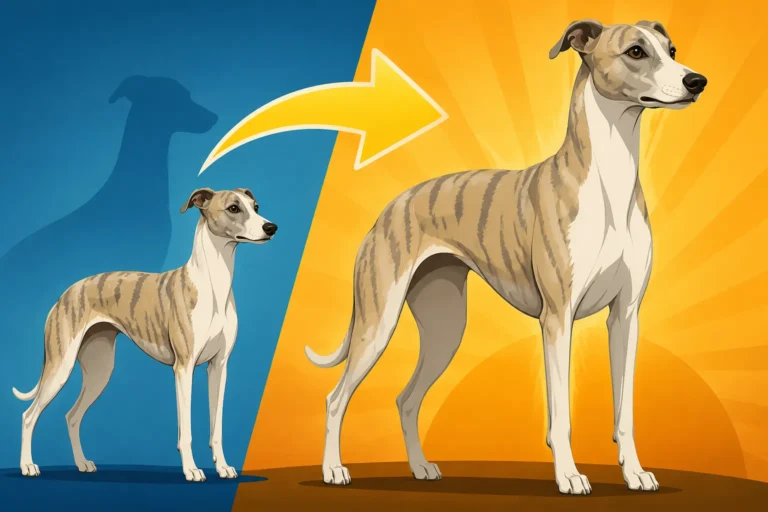
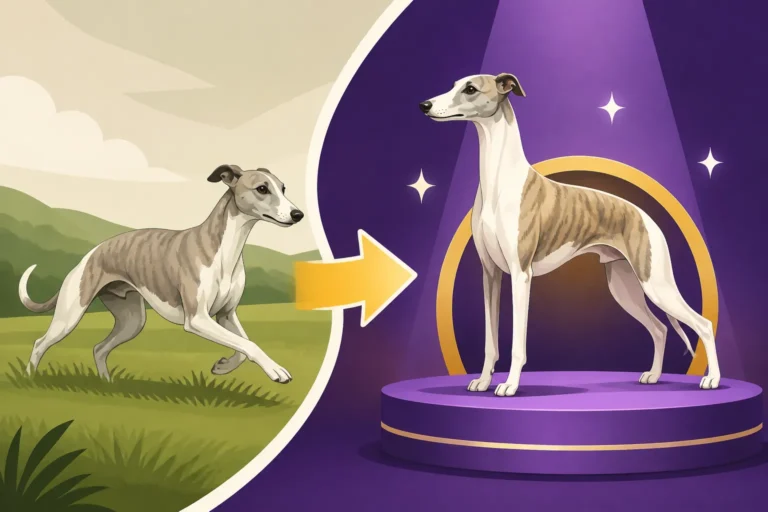
If you're wondering if the days of Whippets streaking across fields in pursuit of a rag are long gone, you're not alone. Many people mistakenly believe that Whippet racing is a relic of the past, confined to old stories and black-and-white photographs of miners cheering on their beloved dogs. But the truth is, Whippet racing is very much alive, though it has evolved significantly from its historical roots, offering modern sighthound owners a fantastic outlet for their dogs' incredible speed and prey drive.
The Enduring Legacy of Whippet Racing: From Humble Origins to Organized Sport
The history of Whippets is deeply intertwined with racing, a tradition born from necessity and a love for these athletic dogs. To truly understand why Whippet racing persists today, we need to appreciate where it all began. It wasn't just a pastime; for many, it was a way of life, a source of pride, and sometimes even a means of putting food on the table.
Tracing the Roots: The "Poor Man's Racehorse"
Imagine the industrial towns of 19th-century England, particularly in the coalfields of the North. Here, working-class families, often struggling financially, couldn't afford the grand greyhounds of the aristocracy. They needed a smaller, more economical dog – one that could live comfortably in a small home, be fed cheaply, and still possess that undeniable sighthound instinct for the chase. This is where the Whippet, often affectionately called "the poor man's racehorse," came into its own. You can learn more about this fascinating origin in The Poor Man's Racehorse: Whippets in the Northern Coalfields.
These early Whippets were bred for speed and agility, often from crosses of small Greyhounds, Italian Greyhounds, and perhaps even some terrier blood for tenacity. They were lean, compact athletes, perfectly suited for the short bursts of speed required in their unique form of racing. This wasn't about fancy tracks or elaborate rules; it was grassroots, community-driven competition that fostered immense pride and fierce loyalty among owners.
The Evolution of the Sport: From Rag Racing to Modern Tracks
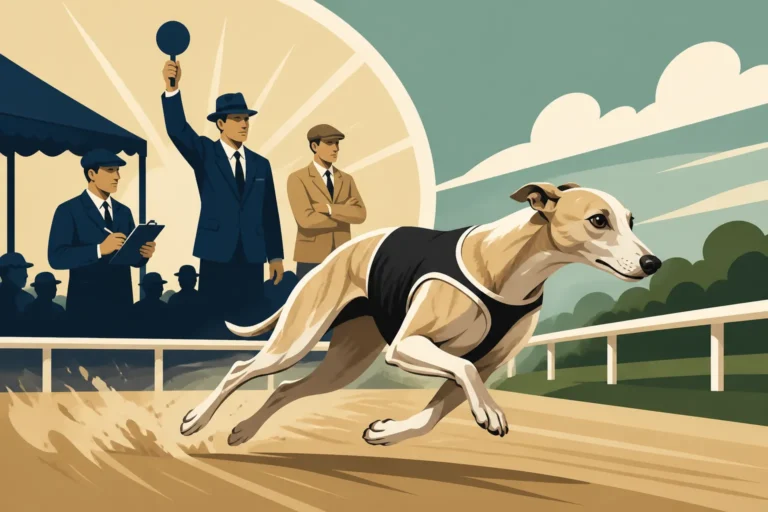
The earliest form of Whippet racing was famously known as "rag racing." Picture this: two men standing a distance apart, one holding the Whippet, and the other waving a piece of cloth – the "rag" – to entice the dog to sprint towards him. The dogs would be released and tear across the open ground, driven by their intense prey drive to catch the lure. Wagers were common, sometimes involving a week's wages, highlighting the importance and excitement surrounding these events. Rag Racing and the Week's Wages Riding on a Whippet delves deeper into the stakes of these competitions. It was raw, exhilarating, and a true test of a Whippet's natural abilities. How a Whippet Rag Race Was Run illustrates the mechanics of these early races.
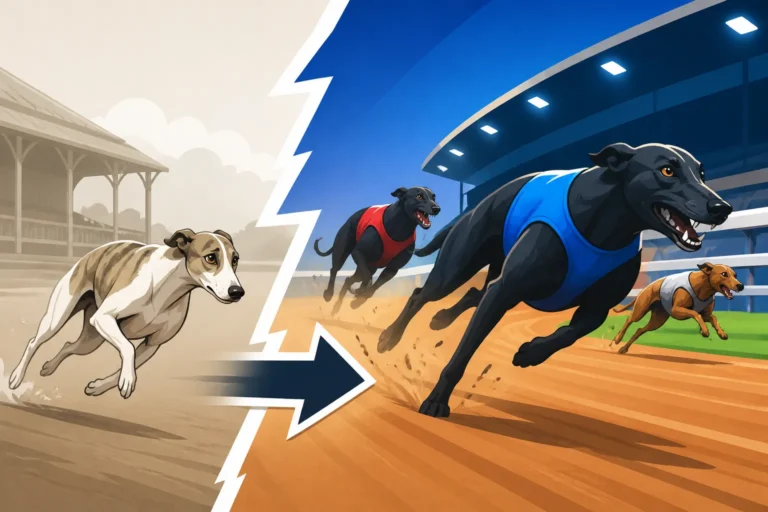
As time went on, and dog sports became more organized, Whippet racing naturally evolved. The informal rag races gave way to more structured events, eventually incorporating mechanical lures to ensure fairness and consistency, removing the human element from the "lure" itself. This shift allowed for safer, more standardized competitions, drawing more participants and formalizing the rules of engagement. While the charm of the original rag race is a beloved part of Whippet history, modern racing provides a controlled environment that still celebrates the breed's incredible athleticism.
Whippet Racing Today: Types and Venues
Modern Whippet racing encompasses several exciting disciplines, each designed to tap into the breed's inherent desire to chase. These aren't just niche activities; they are vibrant, community-focused sports enjoyed by thousands of Whippet owners across the globe. You might be surprised at the variety of ways a Whippet can fulfill its need for speed.
Lure Coursing: Simulating the Chase in the Field
Lure coursing is perhaps the closest modern sport to the Whippet's historical role as a sighthound, mimicking the chase of live prey. Instead of a live rabbit, dogs pursue an artificial lure – typically a plastic bag or strip of fabric – attached to a line and pulled by a motor across an open field. The course is designed with turns and straightaways, emulating the erratic path a rabbit might take, allowing the Whippet to use its keen eyesight, incredible agility, and explosive speed.
This sport is fantastic because it allows Whippets to engage their natural instincts in a safe, controlled environment. Owners often describe it as seeing their dog truly come alive, their instincts taking over as they focus entirely on the chase. It's a joy to watch a Whippet navigate the course with such grace and power. Many Whippet owners find that How Lure Coursing Channels a Whippet's Drive is an excellent way to fulfill their dog's innate urges without risk. You'll find these events organized by local sighthound clubs and national organizations like the American Sighthound Field Association (ASFA), often held in large, fenced-off fields where dogs can run freely without danger.
Oval Track Racing: The Thrill of the Chase on a Circuit
For those who enjoy the more traditional "track" feel, oval track racing offers an exciting alternative. These events are often run on scaled-down versions of greyhound tracks, or specially designed grass or dirt ovals. Whippets, wearing racing muzzles and colorful blankets to distinguish them, are released from starting boxes and chase a mechanical lure around the oval. This format truly showcases a Whippet's incredible acceleration and sustained speed over a defined distance.
Oval racing demands not just speed, but also the ability to navigate turns effectively, requiring a blend of power and precision. The atmosphere at these events is often electric, with owners and spectators cheering on their dogs as they fly around the track. Seeing a pack of Whippets thundering down the straightaway is a sight to behold, a testament to their athletic prowess. If you're considering getting into this, understanding What a Whippet's Racing Muzzle and Blanket Cost can help you prepare.
Straight Racing and Fast CAT: Quick Bursts of Speed
Straight racing is exactly what it sounds like: a race over a straight course. This is where a Whippet's explosive acceleration truly shines. The distances are typically shorter than oval track racing, emphasizing a quick burst from the starting box to the finish line. This format is simple, direct, and incredibly exciting, often over distances like 100 or 200 yards.
A particularly popular form of straight racing sanctioned by the American Kennel Club (AKC) is Fast CAT (Coursing Ability Test). In Fast CAT, dogs run individually down a 100-yard straight course, chasing a mechanical lure, and their speed is measured. It's an accessible sport for many Whippets and their owners, requiring minimal equipment and a relatively short time commitment per run. It’s perfect for dogs who love to run but might not be suited for competitive pack racing or complex lure coursing patterns. Many owners find Whether Fast CAT Suits a Whippet because it's less formal and lower pressure than other racing types. The simplicity and sheer joy of seeing your Whippet reach its maximum speed make Fast CAT a truly rewarding experience.
The Organizations Keeping the Whippet Racing Spirit Alive
Behind every organized Whippet racing event are dedicated individuals and organizations passionate about preserving these sports. These groups set the rules, organize trials, certify judges, and foster a welcoming community for participants. They are the backbone of modern Whippet racing, ensuring it remains safe, fair, and fun for everyone involved.
North American Whippet Racing Association (NOTRA) and American Sighthound Field Association (ASFA)
When it comes to competitive sighthound sports in North America, two names stand out: NOTRA and ASFA.
The North American Whippet Racing Association (NOTRA) is dedicated primarily to straight and oval track racing for Whippets and other sighthound breeds. NOTRA events typically involve dogs running in small groups (often three or four at a time) from starting boxes, chasing a mechanical lure. They have clear rules, a points system for titles, and a strong emphasis on sportsmanship and the well-being of the dogs. Participating in NOTRA events gives owners a structured way to compete and earn titles, celebrating their Whippet's speed and drive in a competitive setting. The organization provides resources and a calendar of events, making it easier for new enthusiasts to get involved.
The American Sighthound Field Association (ASFA), on the other hand, focuses on lure coursing, replicating the conditions of an open-field chase. ASFA trials are judged on a dog's enthusiasm, follow, speed, agility, and endurance, awarding points towards field championship titles. They cater to a wider variety of sighthound breeds, each with its specific standards and classes. ASFA trials are a wonderful way to see Whippets truly embody their hunting heritage, using their natural instincts to track and pursue the lure. Both NOTRA and ASFA maintain high standards for safety and ethical treatment of the dogs, ensuring that these sports are healthy and positive experiences. You can find detailed information about entry fees and costs associated with these events in What Lure Coursing and Fast CAT Cost a Whippet Owner.
The Role of AKC Fast CAT in Modern Whippet Sports
While NOTRA and ASFA represent the more traditional and competitive sighthound sports, the AKC Fast CAT program has significantly broadened the appeal of Whippet racing. Introduced by the American Kennel Club, Fast CAT is designed to be accessible to all breeds (though sighthounds, including Whippets, naturally excel), providing a fun and relatively low-stress way for dogs to experience the thrill of the chase.
Fast CAT events measure a dog's speed over a 100-yard dash. It's often set up in conjunction with other AKC events, making it easy for owners to participate. The beauty of Fast CAT lies in its simplicity: no complex patterns, no pack racing, just pure, unadulterated speed. Dogs run solo, timed with electronic equipment, and earn titles based on accumulated points, which are calculated based on their speed and handicapped for their size. This inclusive approach has introduced many new owners to the joy of sighthound sports, offering a fantastic entry point for those curious about what their Whippet can do. It's a wonderful way for a Whippet to get a Whether a Whippet Needs a Daily Sprint in a controlled environment. Even if you're not aiming for championship titles, the sheer fun of watching your dog fly down the course is incredibly rewarding.
Why Whippet Owners Still Race: Beyond the Finish Line
So, why do people continue to participate in Whippet racing when there are so many other dog sports available? It's more than just the thrill of competition; it's about connecting with a breed's history, fulfilling their natural instincts, and building a unique bond with your dog and a community of like-minded enthusiasts.
Tapping into Instinct and Building Bonds
At the core of every Whippet is the instinct to chase. It's hardwired into their DNA, a remnant of their sighthound ancestors. For a Whippet, there's little that compares to the sheer exhilaration of a full-out sprint after a moving object. Racing provides a safe and appropriate outlet for this powerful drive, allowing them to engage in a behavior that is deeply satisfying to them. You see their eyes light up, their bodies coil with anticipation, and then they explode into motion – it's pure joy for them.
When a Whippet gets to run, truly run, its entire being seems to vibrate with happiness. Owners often report that their racing Whippets are more content, calmer at home, and generally better-behaved because their fundamental needs for exercise and mental stimulation are being met. This shared experience of tapping into their primal instincts strengthens the bond between dog and owner. It's not just a hobby; it's a partnership forged in speed and instinct. Why a Whippet Enjoys Racing is a crucial aspect of their well-being. This kind of focused activity is truly The Job a Whippet Actually Needs to feel fulfilled.
Community, Camaraderie, and the Joy of the Sport
Beyond the dogs themselves, Whippet racing fosters an incredible sense of community. Events are often weekend-long affairs, bringing together owners from various backgrounds who share a common passion. There's a wonderful camaraderie among sighthound enthusiasts, with seasoned participants often eager to mentor newcomers, offer advice, and share stories. You'll find people swapping tips on conditioning, discussing the best food options (you might hear discussions about favorite Chewy brands for performance food!), and simply enjoying each other's company.
It’s a place where you can celebrate victories, commiserate over near misses, and always feel supported. This isn't just about winning; it's about participation, about seeing your dog thrive, and about being part of a group that understands and cherishes these unique dogs. Many describe it as a big, extended family. Even if your Whippet is just a beloved couch potato for much of the week, Whether a Whippet Suits an Apartment is less about daily sprints and more about these dedicated outlets. The shared experience builds lasting friendships and creates a supportive network where questions about everything from training to nutrition are welcome.
Finding a Whippet Racing Event Near You
So, you're intrigued and thinking about getting your Whippet involved? That's fantastic! Finding events is easier than you might think, and there are resources available to help you navigate the world of organized Whippet sports.
Online Resources and Club Directories
The best place to start your search is online. The national organizations like NOTRA (North American Whippet Racing Association) and ASFA (American Sighthound Field Association) maintain websites with event calendars, club directories, and contact information. The AKC (American Kennel Club) website also has a comprehensive events search for Fast CAT trials.
Here’s a table summarizing where to look for different types of events:
| Event Type | Primary Organizing Body | What to Look For |
|---|---|---|
| Lure Coursing | American Sighthound Field Association (ASFA) | ASFA Trial Schedule, Local Sighthound Clubs |
| Oval Racing | North American Whippet Racing Association (NOTRA) | NOTRA Race Meet Schedule, Regional Whippet Racing Groups |
| Straight Racing | NOTRA | NOTRA Race Meet Schedule, Regional Whippet Racing Groups |
| Fast CAT | American Kennel Club (AKC) | AKC Event Search (filter by Fast CAT) |
Many local Whippet clubs or all-breed dog clubs will host events or know where they are held. A quick search for "[Your State/Region] Whippet club" or "[Your State/Region] sighthound field events" can yield excellent results. These clubs are often wonderful resources for beginners, offering clinics, practice sessions, and a friendly environment to learn the ropes. Don't be shy about reaching out to them; sighthound people are generally very welcoming! When preparing for these events, you might find yourself browsing Chewy for appropriate training aids or even just a new collar.
Preparing Your Whippet for Its First Race
Getting your Whippet ready for racing isn't overly complicated, but a few key steps will ensure a positive experience.
First and foremost, your Whippet needs to be in good physical condition. Regular exercise, including opportunities to sprint in a safely fenced area, is crucial. Remember, Whippets are built for speed, but like any athlete, they need conditioning to prevent injuries. Ensure they are at a healthy weight; too thin or too heavy can both be detrimental. A well-balanced diet, perhaps even a performance-oriented kibble you can find on Chewy, will support their energy needs.
Secondly, you'll want to ensure your Whippet has a strong recall and is comfortable being handled by strangers, as officials will need to check them in and out of the starting area. Familiarity with a racing muzzle is also important; while not always required for Fast CAT, it's standard for pack racing for safety. Start slowly, attend some events as a spectator to get a feel for the atmosphere, and let your Whippet soak it all in. Most importantly, focus on making it a fun experience for your dog. The age at which a Whippet can begin participating in these activities is also an important consideration, as discussed in The Age a Whippet Can Start Lure Coursing. Don't push them too hard, too fast, and always prioritize their enjoyment and well-being.
So, yes, Whippet racing absolutely still happens! It's a vibrant, exciting, and deeply rewarding world for those who embrace it. From the thrilling field trials of lure coursing to the sheer speed of track racing and Fast CAT, there are plenty of opportunities for your Whippet to show off its incredible athleticism and fulfill its ancient instinct to chase.
Disclaimer
This article is for general informational purposes only and does not constitute professional advice. Laws, prices and regulations vary by location and change over time. Consult a qualified professional for guidance on your specific situation.