What a Whippet’s Racing Muzzle and Blanket Cost
It's easy to get swept up in the thrilling blur of a Whippet on the track, chasing the lure with every fiber of their being. But before your swift companion can officially join the fray, there’s the practical side of acquiring the right gear. Beyond the sheer joy of watching them run, understanding what a racing muzzle and blanket truly cost is a crucial step for any aspiring Whippet racer, ensuring you're prepared for this exciting, yet sometimes surprisingly nuanced, aspect of the sport. This guide aims to shed light on these essential expenses, helping you navigate the world of specialized sighthound racing equipment.
The Non-Negotiable Gear: Why Muzzles are Essential for Whippet Racing
When you see a pack of Whippets thundering down the track, each wearing a peculiar basket over their snout, it's not a fashion statement, nor is it a sign of aggression. These muzzles are fundamental pieces of safety equipment, vital for the well-being of every dog participating in a race. Their presence is a testament to careful planning and a deep understanding of sighthound dynamics in a competitive environment.
Safety First: Preventing Incidents on the Track
Imagine a group of highly athletic dogs, propelled by an intense prey drive, all converging on a mechanical lure at incredible speeds. The sheer excitement and competition can lead to dogs inadvertently bumping into each other, or even attempting to "re-catch" the lure directly from a competitor's mouth if they get too close. This is where the racing muzzle earns its keep. It acts as a protective barrier, effectively preventing accidental nips, scratches, or more serious bites that could occur in the heat of the moment. Without muzzles, the risk of injury to the dogs' faces and eyes would dramatically increase, turning an exhilarating sport into a potentially dangerous one. It's about proactive protection, ensuring that the only thing these magnificent athletes are focused on is the chase, not each other's proximity.
Regulatory Requirements Across Racing Organizations
For anyone looking to participate in organized Whippet racing, whether it's through a local club or a national organization, the requirement for muzzles is universal and non-negotiable. These aren't suggestions; they are mandates enforced by bodies like the National Oval Track Racing Association (NOTRA) or the American Sighthound Field Association (ASFA) for lure coursing. These rules exist to protect the dogs, maintain fairness, and uphold the integrity of the sport. If you arrive at a meet without the proper muzzle, your Whippet simply won't be allowed to run. This standardization means that all participants compete under the same safety protocols, fostering an environment where sportsmanship and animal welfare are paramount. It’s a common frustration for new owners to realize how specific these requirements are, but they are born from decades of experience in sighthound sports. You'll find similar rigorous standards for What NOTRA Racing Costs a Whippet Owner or What Lure Coursing and Fast CAT Cost a Whippet Owner, where safety is always a top priority.
Different Muzzle Types and Their Practicality for Racing
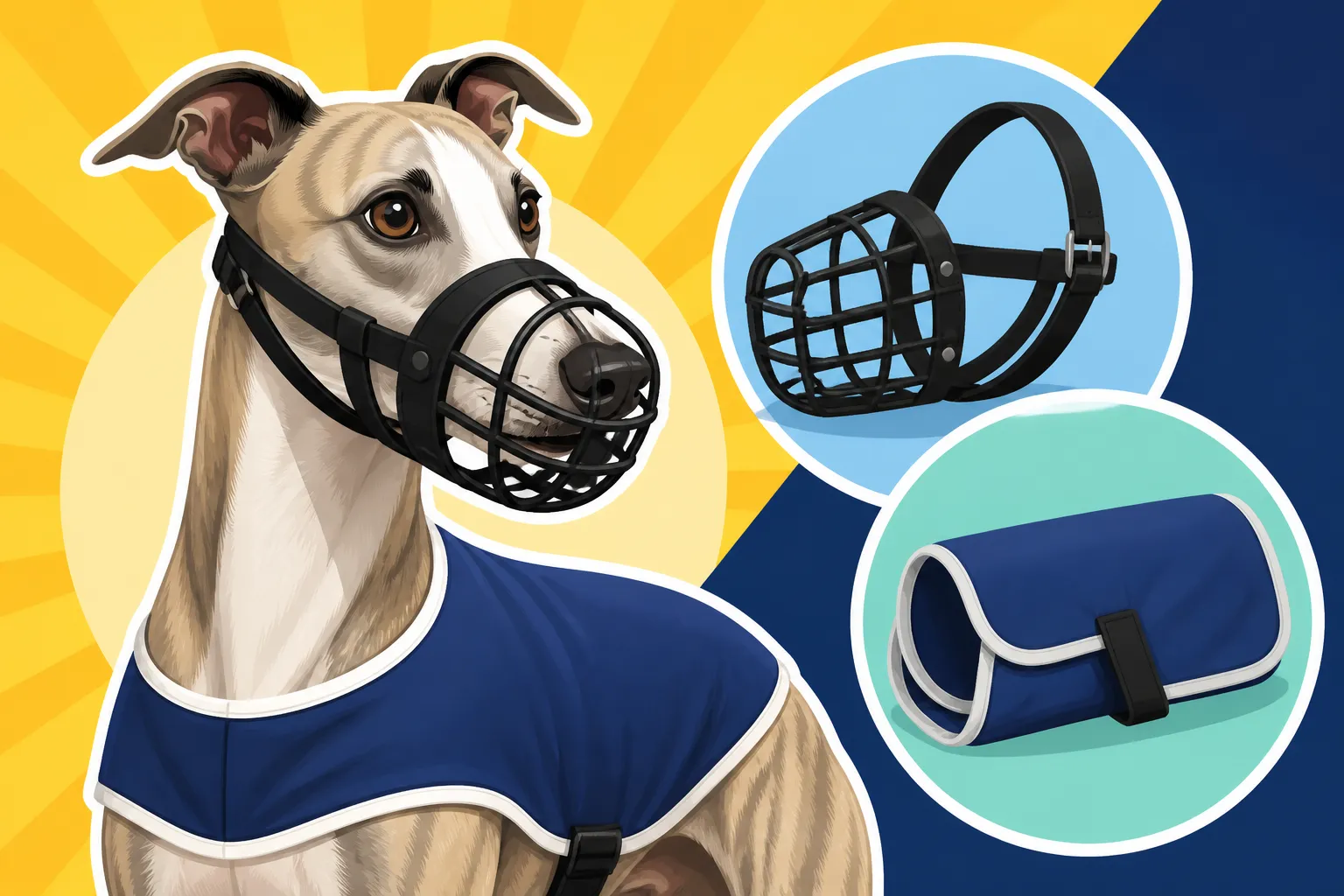
While the basic function of a racing muzzle is consistent, there are various types available, each with slightly different characteristics. The most common for racing are lightweight plastic or wire basket muzzles. Plastic muzzles are often preferred for their minimal weight, which is crucial for a dog bred for speed, ensuring it doesn't impede their performance. They are typically open enough to allow for panting and drinking, essential for active dogs. Wire muzzles, while slightly heavier, offer excellent ventilation and can be extremely durable. Some owners use traditional greyhound racing muzzles, which are designed for high impact and speed. For general outings or veterinary visits, you might use a softer, fabric muzzle, but these are absolutely unsuitable for racing due to the lack of protection and breathability during strenuous exercise. Choosing the right racing muzzle means balancing lightness, durability, and adequate protection, often leading owners to invest in a specific racing model distinct from any everyday muzzle they might own.
Decoding the Racing Blanket: Identification and Performance
Just like human athletes wear distinct jerseys or bibs, Whippets in a race are outfitted with racing blankets. These aren't just for show; they serve critical functions in identifying each dog, signaling their lane, and ensuring a fair, easy-to-judge competition. Beyond their practical uses, they also add to the vibrant spectacle of sighthound racing, making each dog a recognizable blur of speed.
More Than Just a Pretty Color: The Purpose of a Racing Blanket
A Whippet racing blanket, often a lightweight vest or saddle, is adorned with a unique number and color combination. This isn't purely decorative; it’s fundamental to the operation of a race. In a field of four or six incredibly fast, similarly-built dogs, distinguishing one from another as they hurtle around the track would be impossible without these identifiers. The color typically corresponds to the dog's starting box or lane, while the number provides specific identification. This clarity allows judges and spectators alike to follow the race accurately, track placements, and ensures that the correct dog is credited with its performance. It takes away any ambiguity, which is crucial when races are decided by fractions of a second. Imagine the chaos if every dog was just a generic fawn blur!
Material Matters: Comfort, Durability, and Visibility
The construction of a racing blanket is also important, though perhaps less so than a muzzle for direct safety. Materials are chosen for their lightness, durability, and visibility. Most racing blankets are made from smooth, durable fabrics like nylon or a lightweight satin-like material, which helps to minimize drag and prevent chafing on the Whippet’s sensitive skin. The fabric must be tough enough to withstand multiple races, washes, and the occasional jostle without tearing. Furthermore, the colors chosen are often bright and contrasting to ensure maximum visibility, even from a distance or at high speeds. This combination of material quality and thoughtful design ensures the blanket doesn't hinder the dog's performance or cause discomfort, allowing them to focus entirely on the lure. You might even consider How Many Coats a Whippet Actually Needs for various temperatures, but a racing blanket is designed purely for the track, not for warmth.
Customization and Official Requirements for Blankets
While some racing organizations or clubs might provide generic blankets for use at specific events, most dedicated Whippet racers will invest in their own. This often involves some level of customization. Owners might choose colors that represent their kennel or simply a favorite hue, emblazoned with their dog's race number. However, these customizations must always adhere to the organization's specific rules regarding size, placement of numbers, and approved colors. These standards ensure uniformity and prevent any dog from gaining an unfair advantage (or disadvantage) from an improperly designed blanket. It’s important to check with the specific racing club or sanctioning body beforehand to ensure your chosen blanket meets all their criteria. This small detail ensures that while there's room for personal touch, the core purpose of identification and fairness remains upheld.
Understanding the Cost Spectrum of Whippet Racing Muzzles
The cost of a racing muzzle can vary quite a bit, depending on the material, brand, and where you choose to purchase it. It's not just a generic dog muzzle; it's a specialized piece of athletic equipment, and that specialization often comes with a particular price point. Budgeting for this item means understanding these nuances.
Factors Driving Muzzle Prices: From Basic to Bespoke
The most significant factors influencing muzzle prices are material and construction. Basic plastic racing muzzles, often molded from a single piece, tend to be the most economical entry point. They are lightweight and perfectly functional for most racing needs. Moving up, you'll find more durable plastic or coated wire muzzles that might be reinforced in certain areas or offer a more refined fit. These can command a slightly higher price. Then there are premium or custom-fit options. Some specialized sighthound equipment makers offer muzzles that can be custom-sized to your Whippet's unique head shape, ensuring an absolutely perfect and comfortable fit. These bespoke muzzles, while a higher initial investment, can offer superior comfort and reduce the risk of rubbing on your dog's sensitive skin, making them a worthwhile consideration for serious competitors.
Where to Purchase: Retailers, Specialty Shops, and Online Options
When it comes to buying a racing muzzle, you'll have a few avenues. General pet supply stores, even large online retailers like Chewy, might carry basic basket muzzles suitable for sighthounds, but these often aren't specifically designed for the rigors and speed of racing. For truly appropriate racing muzzles, you'll typically need to seek out specialized sighthound equipment vendors. These can be online shops that cater specifically to the sighthound community, or sometimes small, independent crafters who understand the unique needs of these breeds. Attending larger racing events can also be a great way to find vendors who set up stalls, allowing you to try on different muzzles for fit. While you might use Chewy for your daily food supply or toys, for racing specific items, a more niche supplier is usually the way to go to ensure you get a product that meets racing standards.
The Lifespan and Replacement Cycle of a Racing Muzzle
A well-made racing muzzle, especially a sturdy wire or quality plastic one, can last for many years if properly cared for. They are designed to be durable,withstanding the bumps and tumbles of competition. However, muzzles can get damaged in a particularly rough race, or simply wear out over time, especially if they are frequently used and not stored carefully. It's also possible to lose a muzzle, particularly at busy events with lots of gear. While the initial cost might feel like a one-time expense, it's wise to consider a replacement budget down the line. Having a spare muzzle, even a more basic one, can be a lifesaver if your primary one breaks or goes missing right before a race. This foresight can prevent unnecessary stress and ensures your Whippet won't miss out on their chance to run.
Unpacking the Expense of Whippet Racing Blankets
Like muzzles, racing blankets come with their own set of cost considerations. From basic ready-made options to custom-designed pieces, the price can fluctuate based on materials, craftsmanship, and the level of personalization you desire for your Whippet's track attire.
Basic vs. Premium: What Impacts Blanket Cost
The cost of a racing blanket primarily depends on its materials, construction, and whether it's a standard or premium offering. A basic racing blanket, often made from a simple yet durable nylon fabric, with heat-pressed or sewn-on numbers, will be the most budget-friendly option. These are perfectly functional for racing and meet all regulatory requirements. On the other hand, premium blankets might feature higher-quality, silkier fabrics that are even lighter and potentially more comfortable, or they might boast more intricate stitching, reflective elements, or more robust closures. Some owners choose these higher-end options for the aesthetic appeal or a perceived slight edge in comfort, but for the most part, a well-made basic blanket performs its job admirably.
Custom Orders vs. Ready-Made: Finding Your Best Value
The biggest differentiator in blanket pricing often comes down to customization. Ready-made racing blankets, which might come in standard colors and pre-assigned numbers, are generally more affordable because they are mass-produced. These are a great option if your club supplies them or if you don't have specific aesthetic preferences beyond meeting the rules. However, many owners love the idea of a custom blanket – choosing specific colors, having their dog's name or kennel logo subtly integrated, or selecting specific font styles for the numbers. This personalization, of course, adds to the cost. Working with an independent crafter who specializes in sighthound gear can result in a beautiful, unique blanket, but be prepared for a higher price tag. The value here isn't just in the functionality, but in the pride of seeing your Whippet race in gear that truly represents them.
The True Cost of Identification: Beyond the Initial Purchase
While the initial cost of a racing blanket might seem straightforward, there are a few other considerations. If your Whippet competes frequently, you might want multiple blankets to rotate for different race numbers or simply to have a clean one ready for each event. This means multiplying that initial cost. Additionally, maintaining the blanket's integrity is key. Regular washing, especially for lighter colors, is essential to keep numbers clear and visible, which adds to the wear and tear over time. Although typically durable, blankets can get snagged or torn during rough play or racing. Unlike a muzzle, which is purely protective, a blanket also contributes significantly to identification, so its condition and legibility are paramount. Therefore, thinking about a replacement cycle or having a spare on hand is a sensible part of the long-term budget for a racing Whippet owner.
Beyond the Price Tag: Total Costs and Responsible Whippet Ownership for Racers
Investing in racing muzzles and blankets is just one piece of the puzzle when you decide to introduce your Whippet to the exhilarating world of sighthound sports. It’s crucial to understand how these specific gear costs fit into the broader financial commitment of having an active, athletic Whippet.
Budgeting for the Full Racing Experience: Gear in Context
When considering the cost of a racing muzzle and blanket, it’s important to place them within the larger financial landscape of Whippet racing. These items are just the entry fee, so to speak. You'll also need to budget for event entry fees, which can quickly add up over a season, travel costs to and from race meets, and potentially overnight stays if events are far from home. Then there's the ongoing cost of training equipment, like a proper sighthound collar or a long line for practicing recall in safe areas. Furthermore, an athletic Whippet will benefit from a high-quality diet tailored to their energy output, which can be a significant expense. The specialized gear is an important initial outlay, but it's part of a much bigger financial commitment that makes the racing hobby truly feasible.
Protecting Your Athletic Whippet: The Role of Insurance and Nutrition
An active racing Whippet, by nature of their sport, is more prone to certain injuries. Muscle strains, pulled ligaments, and even skin tears from brush or incidental contact are not uncommon. This is where pet insurance, from providers like Healthy Paws, can be an absolute lifesaver. Investing in a good policy can help mitigate the financial shock of unexpected veterinary bills for injuries or illnesses. While we wish our dogs would never get hurt, having a safety net for situations that might require The Thin Skin That Sends a Whippet to the Vet for Stitches or addressing Muscle Pulls in a Whippet is just responsible ownership. Beyond insurance, optimal nutrition is paramount for a racing Whippet. These dogs burn a lot of calories and need fuel that supports their lean muscle mass and recovery. Exploring high-quality dog foods, perhaps even those from specialized providers like Ollie, designed for active dogs, is a crucial part of keeping your Whippet in peak condition. A healthy, well-nourished dog is less prone to injury and recovers faster, making it an investment in their performance and longevity. You might also find yourself considering Whether a Racing Whippet Needs a Performance Food.
Maintaining Your Gear: Care, Cleaning, and Longevity
The initial cost of your racing muzzles and blankets isn't truly the only cost. Proper care and maintenance play a significant role in how long these items will last, directly impacting your long-term expenses. Muzzles should be regularly cleaned, especially after dusty or muddy race days, to prevent dirt and grit from causing irritation or wear. Checking them for cracks or bends is also important for safety. Racing blankets need to be washed to keep them clean and their numbers clearly visible. Storing both items properly, away from direct sunlight or places where they might get chewed or damaged, will significantly extend their lifespan. Neglecting these simple care routines means you'll be replacing gear much more frequently, adding to your overall expenditure. Think of it as caring for any other piece of valuable sports equipment – a little effort goes a long way in preserving your investment.
| Feature | Basic Plastic Muzzle | Premium Wire Muzzle | Standard Racing Blanket | Custom Racing Blanket |
|---|---|---|---|---|
| Typical Cost Range | Lower end | Mid to higher end | Lower to mid end | Mid to higher end |
| Primary Material | Molded plastic | Coated wire, sometimes reinforced | Nylon, polyester | Satin, specialized athletic fabric |
| Key Benefits | Lightweight, economical, functional | Very durable, excellent ventilation, precise fit options | Meets all rules, functional, good value | Personalized, unique design, potentially lighter |
| Pros | Good starting option, easy to clean | Long lifespan, robust protection, can be custom fit | Essential for racing, widely available | Expresses individuality, higher quality feel |
| Cons | Less durable than wire, limited custom fit | Can be heavier, higher initial cost | Limited design choice, less personalization | Higher cost, longer lead time for production |
| Lifespan | Moderate (1-3 years) | Long (3-7+ years) | Moderate (2-4 years) | Moderate to long (3-5+ years) |
| Replacement Needs | More frequent | Less frequent | Occasional for wear/tear | Occasional for wear/tear, or for new designs |
Disclaimer
This article is for general informational purposes only and does not constitute professional advice. Laws, prices and regulations vary by location and change over time. Consult a qualified professional for guidance on your specific situation.