Why a Whippet Enjoys Racing
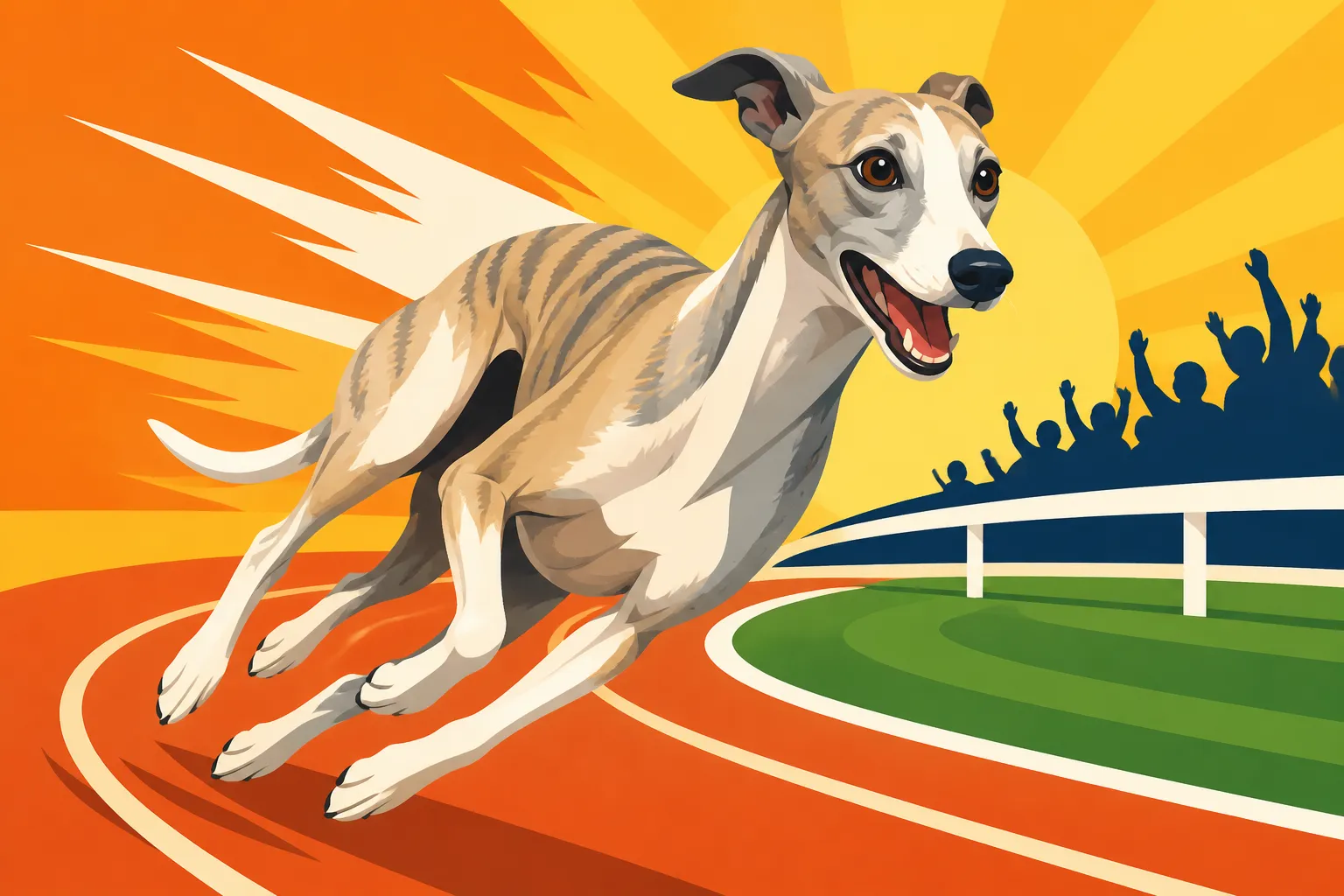
It’s a common sight at the track: a Whippet, ears flattened, eyes gleaming, muscles coiled tight, absolutely vibrating with anticipation at the starting line. For many, the image of a Whippet curled up on the sofa is paramount, but the sheer joy and effortless grace they display during a race are undeniable. If you’ve ever watched one of these incredible dogs burst from the boxes, you’ve probably wondered, "What is it about racing that lights up a Whippet’s soul so completely?" This guide delves deep into the multifaceted reasons behind a Whippet's love for racing, exploring both their ancient instincts and the sheer physical and mental exhilaration they experience on the track.
The Innate Drive: Unpacking the Sighthound Instinct
Whippets are sighthounds through and through, meaning their primary hunting tool is their incredible eyesight and their instinct to chase anything that moves. This isn't just a quirk; it's a fundamental part of their genetic makeup, honed over centuries. When a Whippet races, it's not performing an unnatural act or being forced into a sport; it's engaging in a highly refined and controlled expression of its deepest, most primal drives.
The Primacy of the Prey Drive
Imagine a small, furry creature darting across an open field. For a Whippet, that movement triggers an instantaneous, overwhelming instinct to pursue. This is their prey drive, and it’s powerful. In a racing scenario, whether it's lure coursing after a plastic bag on a string or straight track racing to a mechanical bunny, the Whippet perceives the lure as prey. The thrill isn't just in the running; it's in the hunt. It's a simulated chase, a chance to fulfill an ancient purpose in a safe, structured environment. This deep-seated instinct means that many Whippets don't just like racing; they need it as an outlet for this powerful drive. Without such an outlet, this energy can sometimes be misdirected, leading to frustration or chasing inappropriate things in the yard or on walks.
The Visual Stimulus: Sight-Hunters by Nature
Unlike scent hounds, who follow a trail with their nose to the ground, Whippets are built to spot movement from a distance and give chase. Their wide-set eyes provide excellent peripheral vision, and their ability to focus intensely on a moving object is remarkable. When the lure starts to move, often at high speed, it immediately captures their attention. It’s a powerful visual stimulus that overrides almost everything else. This intense focus means they are fully engaged, their minds and bodies working in perfect concert towards a single goal: catching that "prey." This singular focus during the chase is a key part of their enjoyment, offering a pure, unadulterated experience of their natural abilities.
The Thrill of the Chase: A Hardwired Reward
There's a reason why, even if they never "catch" the lure, many Whippets come off the track panting but undeniably happy. The act of chasing itself is incredibly rewarding. Endorphins flood their system, their bodies are engaged in explosive activity, and their minds are completely absorbed. It's a profound feeling of accomplishment and satisfaction that goes beyond simple obedience or trick training. It's a fundamental aspect of who they are. This "flow state" they enter during the chase is deeply pleasurable, fulfilling a biological imperative that has been passed down through generations. It's not about winning or losing for them; it's about the pure, unadulterated joy of the run. This is a critical point for owners to understand when considering how to provide fulfilling activities for their Whippet, as simple walks often don't tap into this powerful drive. Why a Whippet's Chase Instinct Overrides Its Recall explains just how strong this instinct is.
The Physical Perfecting: A Body Built for Speed
You only have to look at a Whippet to see that they are athletes. Every aspect of their physical form, from their elegant arch to their powerful hindquarters, is optimized for speed and agility. Racing allows them to fully utilize this magnificent design, pushing their bodies to their natural limits in a way few other activities can.
Streamlined Anatomy and Explosive Power
Whippets possess a unique physique: a deep chest for large lungs, a flexible spine that allows for incredible extension and contraction during a gallop (the "double suspension gallop"), and long, lean muscles. This combination gives them explosive power and astonishing acceleration. How Fast a Whippet Actually Runs is truly breathtaking. When they run, they become a blur of motion, effortlessly covering ground at speeds that would leave most other breeds far behind. This feeling of effortless speed and the freedom of unbridled motion is a huge part of their enjoyment. They are literally built for this. Their body is a finely tuned machine, and racing is the ultimate performance test where every part works in harmony.
Efficient Movement and Stamina
While known for their sprints, Whippets also possess a surprising amount of stamina for their bursts of speed. Their efficient gait and lightweight build mean they can maintain high speeds over the relatively short distances of a typical race track or lure coursing field. This isn't about endurance running, but about repeated bursts of fast, controlled energy. The ability to run full-out, then recover quickly, and be ready for another run, speaks to their incredible athletic conditioning. For a Whippet, racing is a complete body workout that engages every muscle, challenging them physically in a deeply satisfying way. It’s a dance of power and grace, where they feel completely in tune with their own capabilities.
Injury Prevention and Natural Agility
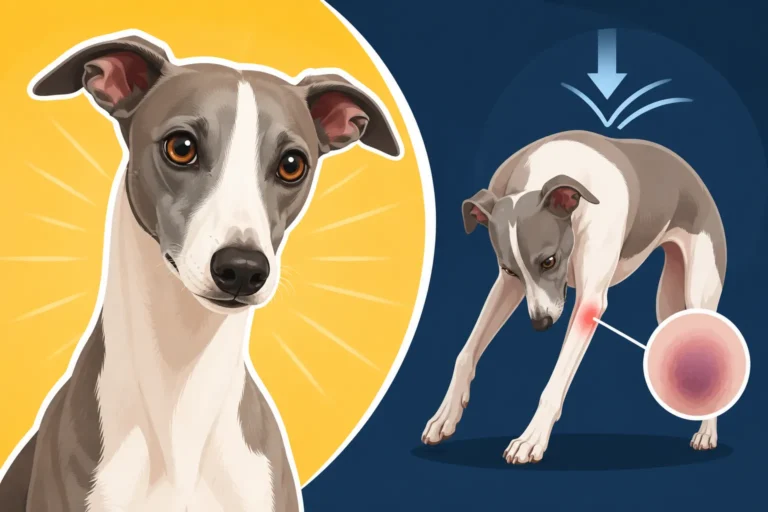
Whippets are incredibly agile, capable of quick turns and sudden stops, which is essential for lure coursing where the "prey" darts unpredictably. This agility, combined with their muscular build, actually helps prevent injuries during intense activity. While their thin skin can be prone to tears – something every Whippet owner has to be aware of and is discussed in The Thin Skin That Sends a Whippet to the Vet for Stitches – their underlying musculoskeletal structure is surprisingly robust for powerful running. Racing, when done safely on appropriate surfaces, allows them to hone this agility, strengthening their core and limbs, which can contribute to their overall physical well-being. It’s a testament to their natural design that they can perform such demanding movements with relative safety, provided conditions are suitable.
More Than Just Instinct: Mental and Emotional Fulfillment
While instinct and physical prowess are huge factors, racing isn't purely a robotic response. Whippets are intelligent, sensitive dogs, and the mental and emotional aspects of racing contribute significantly to their enjoyment, fostering confidence, focus, and a strong bond with their human companions.
The Joy of Unrestricted Movement
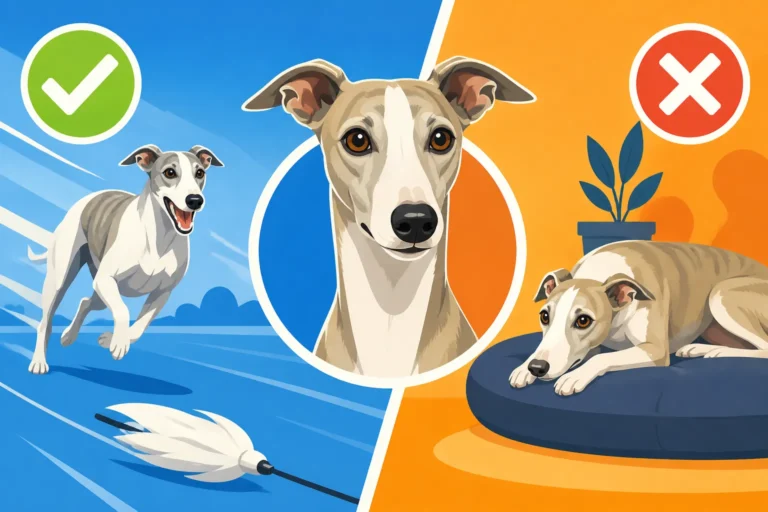
Think about the sheer joy of running without constraint. For a Whippet, whose natural gait is a full-out gallop, having the space and opportunity to truly open up and run at top speed is incredibly liberating. Most domestic environments, even large yards, don't allow for this kind of uninhibited movement. Racing provides a safe, expansive area where they can stretch their legs, feel the wind in their fur, and experience the pure exhilaration of maximum velocity. It’s an almost meditative experience for them, a moment where they are completely present and free. This feeling of freedom is a powerful motivator and explains why even a "couch potato" Whippet will transform into a rocket on the track.
The Social Aspect of the Track
While sighthound racing is often about individual performance, there's still a social component. Whippets are often run in small groups, or they are certainly around other Whippets and sighthounds at events. They pick up on the excitement of the other dogs, the energy of the crowd, and the general atmosphere of anticipation. For many, being around their own kind, even in a competitive setting, can be stimulating. It's a shared experience of collective excitement and focused energy. This communal feeling, even if subtle, can add another layer of enjoyment to the experience, making it more than just a solitary pursuit. For some Whippets, a friendly rivalry can even boost their drive!
The Bond with Their Handler
Despite their intense focus on the lure, the bond between a Whippet and its owner is crucial to their racing enjoyment. Handlers prepare them, encourage them, and celebrate with them. A Whippet often looks to their owner for reassurance and motivation at the starting line, even if only for a split second before the lure appears. The shared experience of training, travel, and competition strengthens this bond immensely. When a Whippet performs well, it often looks back to its owner, tail wagging, seeking that positive affirmation. This partnership, built on trust and mutual understanding, makes the entire experience more rewarding for both dog and human. It’s a testament to how sensitive these dogs are, even in the heat of competition.
Nurturing the Passion: How Owners Support Racing Enjoyment
For a Whippet to truly enjoy racing, it needs more than just the instinct and the physical capability. Responsible ownership plays a huge role in developing and maintaining that passion, from early training to providing the right equipment and environment.
Positive Reinforcement and Training Methods
Whippets are incredibly sensitive dogs, and harsh training methods can quickly shut them down or make them anxious. How a Whippet Learns When It Bruises From Pressure highlights their delicate nature. Therefore, positive reinforcement is absolutely key when introducing them to racing or any new activity. Associate the starting box, the track, and the lure with highly rewarding experiences – praise, special treats, and enthusiastic encouragement. Programs like BAXTER & Bella offer excellent online training resources that emphasize positive, force-free methods, which can be invaluable for building a confident and eager racing prospect from puppyhood. This approach ensures that racing remains a joyful, self-motivating activity rather than a chore or a source of stress. The goal is to build a positive association so strong that the Whippet wants to run, rather than feeling compelled.
Providing Appropriate Outlets
Racing, whether it’s organized track racing, NOTRA (National Oval Track Racing Association), ASFA (American Sighthound Field Association) lure coursing, or AKC Fast CAT, provides an ideal outlet for a Whippet's natural abilities. These activities are designed with the sighthound in mind, offering a safe and stimulating environment. If formal racing isn't an option, owners can look for opportunities to engage their Whippet in similar activities. Many local clubs offer "fun runs" or practice sessions that mimic the racing environment. Even supervised off-leash play in a secure, large area can help fulfill some of that need for speed and chase. How Lure Coursing Channels a Whippet's Drive is a great read if you want to explore alternatives to formal track racing.
Here’s a quick overview of common sighthound sports that Whippets enjoy:
| Sport | Description | Key Appeal to Whippets |
|---|---|---|
| Track Racing (NOTRA) | Dogs race on an oval track, chasing a mechanical lure. | Pure speed, direct chase, competition with peers (often solo runs for safety, but in heat format). |
| Lure Coursing (ASFA) | Dogs chase a plastic lure across an open field, mimicking a live hunt. | Unleashing natural hunting instincts, varied terrain, complex turns, mental engagement. |
| Fast CAT (AKC) | A straight, 100-yard dash where dogs chase a lure for speed. | Burst speed, high-energy sprint, instant gratification, accessible to many skill levels. |
| Open Field Coursing | Chasing live quarry (usually jackrabbits) in a natural environment (where legal). | Ultimate expression of natural hunting, high challenge, requires exceptional conditioning. |
Equipment and Safety Considerations
Safety is paramount in any racing endeavor. Proper fitting equipment is crucial. A well-designed racing muzzle is essential for track safety, and a good quality, secure racing blanket ensures easy identification and safe handling. You can find a range of options for these items on platforms like Amazon, but always prioritize fit and durability. After racing, ensure your Whippet has adequate hydration and a comfortable, warm place to rest. The Wardrobe a Whippet Needs Because It Has No Body Fat explains why proper attire, even for recovery, is so important for these lean dogs. Never push a Whippet beyond its physical limits, especially when they are young; Raising a Whippet Puppy Without Wrecking Its Joints stresses the importance of controlled exercise during development. Regularly check their paws for injuries and ensure they have a balanced diet to support their athletic lifestyle.
Conclusion
A Whippet's enjoyment of racing is a beautiful confluence of centuries of selective breeding, innate sighthound instincts, a perfectly engineered physique, and the deep satisfaction that comes from engaging in an activity they were born to do. It’s not just a sport; for many Whippets, it’s a profound expression of their very nature. Providing them with these opportunities, whether in formal competitions or through similar safe, high-energy play, isn’t just good for their physical health, but crucial for their mental and emotional well-being. Watching a Whippet run is to witness pure joy in motion, a testament to the powerful, ancient connection between dog and chase.
Disclaimer
This article is for general informational purposes only and does not constitute professional advice. Laws, prices and regulations vary by location and change over time. Consult a qualified professional for guidance on your specific situation.