Whether Miners Bet on Whippet Races
The image of a grizzled coal miner, his face smudged with soot, standing proudly beside his lean, elegant whippet on a Sunday afternoon, is etched into the history of these incredible dogs. It evokes a time and a place where life was hard, and moments of joy and competition were fiercely cherished. For many, the idea of miners betting on these lightning-fast hounds is simply part of that rich tapestry, but the reality was often far more nuanced and deeply woven into the fabric of their daily existence. This guide will take you through the captivating story of whippet racing in the coalfields, exploring the intense personal and communal stakes, and the profound connection between these dogs and their working-class owners, where a wager was often much more than just a bet.
The Historical Roots of Whippet Racing in Mining Communities
To truly understand the culture of betting on whippet races, we first need to appreciate the world from which these traditions sprang. The northern coalfields of England were a landscape of relentless toil, tight-knit communities, and a profound ingenuity in finding joy and meaning amidst hardship. It was here, in this specific crucible, that the whippet as we know it today was truly forged, not just as a pet, but as a vital part of the social and recreational lives of miners.
The Whippet as a Miner's Companion
Life for a miner and his family was often characterized by long hours, dangerous conditions, and meager wages. Homes were small, and luxuries were few. In this environment, a dog wasn't just an animal; it was often an extension of the family, providing warmth, companionship, and sometimes even a means of putting food on the table. The whippet, with its gentle nature indoors and explosive speed outdoors, was perfectly suited to this dual role. These dogs were literally known as The Poor Man's Racehorse: Whippets in the Northern Coalfields, a testament to their value in a world where owning a full-sized greyhound was simply beyond reach.
These whippets were cherished, often sleeping inside the home, frequently sharing beds with their human companions. This wasn't just about affection; it was practical. Whether a Whippet Slept in the House and Raced on Sunday reflects the reality that these dogs needed to be kept warm, well-fed, and protected, especially their lean, muscled bodies that lacked the insulating fat of many other breeds. The bond formed under these conditions was incredibly strong, creating a deep loyalty that underpinned everything from daily life to race day.
Origins of Rag Racing
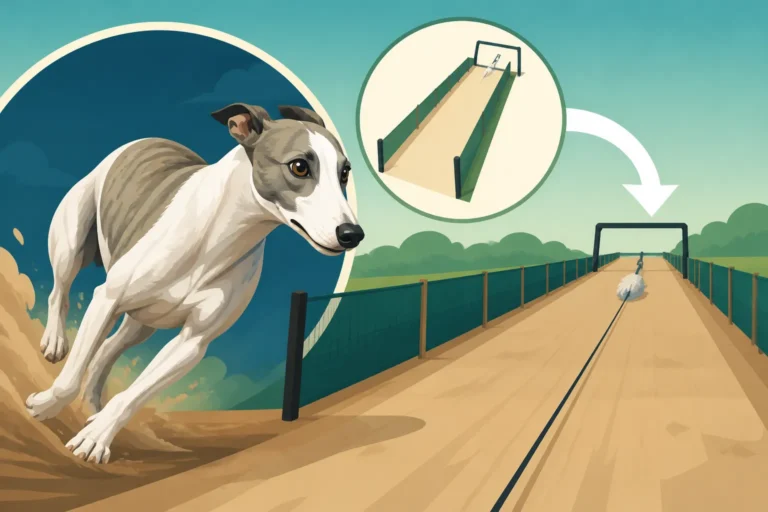
Against this backdrop of shared hardship and close companionship, rag racing emerged. It was a sport born of necessity and ingenuity, perfectly tailored to the resources and desires of the mining communities. Imagine a Sunday afternoon, the only day of rest, and miners gathering in an open field, perhaps near the pit head, their whippets quivering with anticipation. The "track" was usually just a cleared stretch of land, and the "lure" was a simple rag or piece of cloth, often tied to a string and pulled by the owner or a designated "lure man."
This was not the organized, formalized racing we might think of today. There were no starting boxes, no electric lures, and often no elaborate finish lines. How a Whippet Rag Race Was Run involved pure, unadulterated speed and instinct. The handler at the finish line would wave the rag, often making a distinctive call, and the whippets, released by their owners at the start, would streak towards it, eyes fixed on the moving target. It was a spectacle of raw athleticism, a thrilling display of canine power and grace that captivated onlookers and provided a much-needed release from the week's drudgery. The simplicity made it accessible, and the excitement made it unforgettable.
The Social and Economic Fabric of Whippet Betting
With the stage set by the intimate bond between miners and their whippets, and the exhilarating sport of rag racing, it's easy to see how betting became an inseparable part of the tradition. It wasn't merely about gambling in the modern sense; it was deeply ingrained in the social and economic fabric of these communities, a ritual that brought people together and, for a fleeting moment, offered a glimmer of hope or a chance to prove one's dog – and by extension, oneself.
Betting as a Community Event
For the miners, life was physically demanding and often isolating in terms of their work, but their communities were incredibly strong. Whippet races were not just sporting events; they were central social gatherings. Families would turn out, neighbors would cheer, and friendships would be forged or tested over the performance of a beloved hound. Betting at these events was a communal activity, a way to share in the excitement, to boast a little, and to engage in friendly (and sometimes not-so-friendly) rivalry.
The atmosphere at a rag race was electric. The roar of the crowd, the shouts of encouragement, the tension as the dogs flew across the ground – it was an escape. Even small bets amplified this experience, transforming casual observers into invested participants. It was a shared experience, a collective exhale from the grim realities of the mines. The opportunity to witness such speed and grace, to see The Whippets Miners Carried to Work transform into racing machines, was a source of immense pride and shared identity for these working-class communities.
The Stakes and the Wagering Process
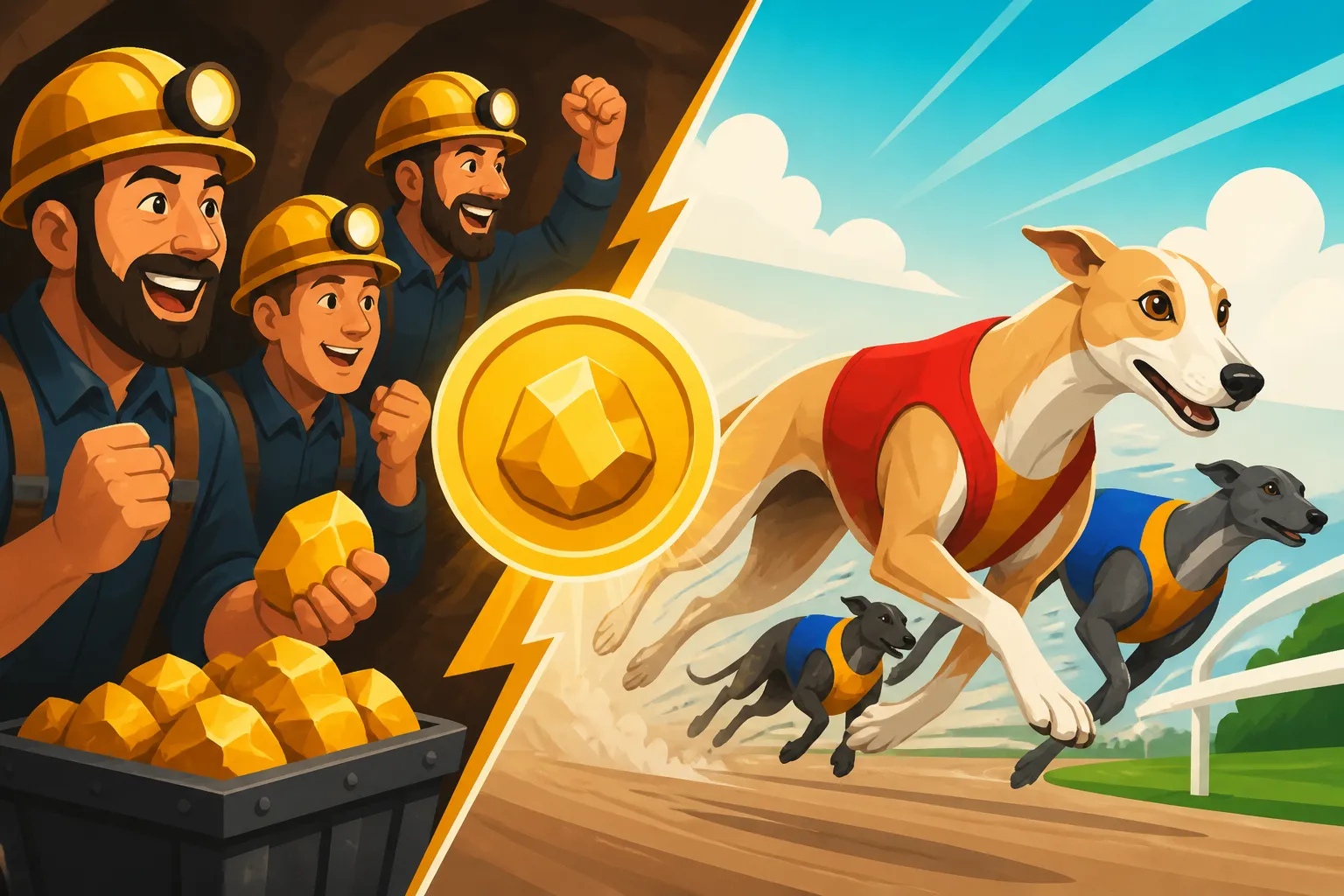
When we talk about whether miners bet on whippet races, the answer is a resounding yes, and the stakes, while sometimes modest, were often incredibly significant in the context of their lives. Wagering was largely informal, often sealed with a handshake and a promise. A man might bet a few shillings, a pint of ale, or even a week's wages, as vividly captured in the historical phrase Rag Racing and the Week's Wages Riding on a Whippet. This wasn't casual entertainment money for many; it represented a substantial portion of their income, making every race a high-pressure event.
Imagine working six long, arduous days underground, risking life and limb, only to place your hard-earned cash on the speed of your whippet. The motivation was multifaceted: the belief in their dog's ability, the desire for a small windfall, or simply the thrill of the gamble. The betting process itself was usually direct: owners might approach each other, spectators would call out odds, and money would change hands directly before or after the race. It was a raw, unfiltered form of gambling, entirely dependent on trust and reputation within the community, making success or failure intensely personal.
The Risks and Rewards of Betting on Whippets
The decision to place a wager on a whippet race in a mining community was never taken lightly. It was a gamble that carried both the exhilarating potential for a much-needed boost and the sobering risk of profound loss, impacting not just the individual but often the entire family unit.
The Thrill of the Win
For a miner living on the edge of poverty, a winning bet could be transformative, even if momentarily. Imagine the sheer elation of seeing your beloved whippet cross the finish line first, knowing that its speed had just secured a small but significant sum. This money might mean a rare treat for the children, new boots, or perhaps just a bit of breathing room until the next paycheck. It wasn't just about the cash, though; there was immense pride. The dog wasn't just your dog; it was a champion, a reflection of your hard work in conditioning and training.
A winning whippet brought status and respect within the community. The owner of a consistently fast dog might be looked upon with a mix of admiration and a touch of envy. Such a dog could be the talk of the pit, a source of local legend. This social currency was almost as valuable as the monetary winnings, affirming a man's judgment and dedication in a life where such affirmations were rare. It provided a powerful, if temporary, sense of triumph over the daily grind.
The Heartbreak of the Loss
But for every win, there was a loss, and the consequences could be severe. Losing a week's wages, or even a significant portion, could plunge a family into deeper hardship. The disappointment wasn't just financial; it was deeply personal. The crushing feeling of watching your whippet falter, of knowing you'd placed your hopes (and your family's immediate comfort) on its performance and been let down, was a heavy burden. There was the potential for shame, for whispers in the community, and for strained relationships at home.
The pressure on owners could be immense. There were stories, though perhaps rare, of desperate measures. The Fixing of Whippet Races was a known, if frowned-upon, possibility, as unscrupulous individuals sought to guarantee a win when the stakes were too high to leave to chance. This darker side highlights the desperation that could accompany the gambling culture, where the line between hope and despair was often razor-thin. For many, however, the integrity of the race, and the pure joy of the sport, usually outweighed the temptation to cheat.
The Evolution of Whippet Racing and Betting Culture
While the image of a miner betting on his whippet at a rag race is a powerful historical snapshot, the sport, and its associated wagering, didn't remain static. Like all cultural phenomena, it evolved, influenced by societal changes and the desire for greater organization.
From Informal Rags to Organized Racing
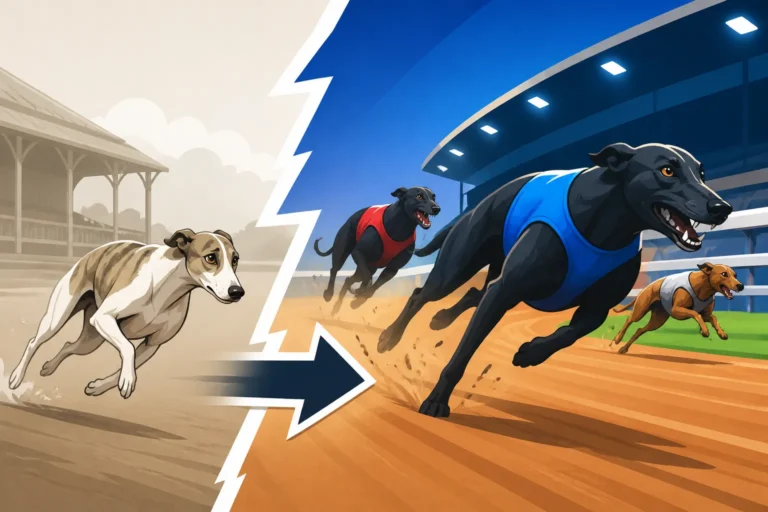
Over time, as communities grew and the popularity of whippet racing spread beyond purely informal gatherings, there was a gradual shift towards more structured events. The haphazard fields gave way to purpose-built tracks, and the simple rag lure was replaced by more sophisticated systems. When Whippet Racing Became Organized marked a significant turning point, bringing in rules, handicaps, and official recognition. This formalization helped standardize the sport, making it more appealing to a wider audience and, paradoxically, often making the betting more regulated.
With organized racing came dedicated race days, programs, and often, more formal bookmaking. While the intimate, handshake bets among neighbors still existed, the larger events started to resemble miniature horse races, attracting larger crowds and higher stakes. This transition helped solidify the whippet's place as a legitimate racing breed, leading to breeding for specific traits and a greater focus on official records and titles. However, even with formalization, the core thrill of watching these dogs run, and the opportunity to place a wager, remained central to the experience.
The Legacy of Miner's Whippets
Though the direct connection to coal miners and their weekly wages on the line has faded, the spirit of those early betting days lives on in the modern whippet world. The fierce competitive drive, the deep bond between owner and dog, and the sheer joy of watching a whippet run at full tilt are still paramount. Today, sports like lure coursing and Fast CAT allow whippets to express their innate prey drive and speed in a safe, controlled environment.
Modern whippet owners, many of whom keep their dogs happy with a varied diet from places like Chewy, might not be betting their weekly earnings on a race, but the heritage of speed and companionship is unmistakable. The commitment to conditioning a whippet, ensuring it is at its peak physical condition – much like miners How Whippets Were Conditioned Before Racing – remains a strong tradition. The raw excitement of watching a whippet chase a lure across a field is a direct echo of those bygone rag races. While the immediate economic pressure is gone, the pride in a fast dog and the camaraderie among owners are as strong as ever.
The Enduring Bond: Whippets Beyond the Wager
Beneath all the excitement of racing and the tension of betting, lay an unbreakable bond between the miner and his whippet. This relationship was the true heart of the culture, transcending mere utility or financial gain. It's a bond that continues to define the breed today.
The Whippet as a Family Member First
Despite the inherent gambling and the potential for a dog to bring in much-needed funds, the whippet was, first and foremost, a beloved family member. Miners poured their scant resources and immense affection into their dogs. A dog that could race and win was a source of pride, but a sick or neglected dog was a tragedy. The concept of How Miners Built the Whippet From a Greyhound They Could Afford speaks to this deep investment – they literally created a breed to fit their lives and their hearts.
These dogs were typically well-cared for, receiving the best food their owners could afford (often scraps from the table, supplemented by other means), and enjoying the warmth and comfort of the family home. The image of a miner carrying his dog to work, or gently nursing it through an injury, reveals a tenderness that belies the rough-and-tumble world of mining and racing. Their well-being was paramount, not just for race day, but for the inherent value of their companionship. This enduring characteristic of being a loyal, gentle, and beloved house dog, even alongside their athletic prowess, has shaped the whippet's temperament for generations.
Modern Whippet Activities
Today's whippet owners inherit this rich history, but their engagement with the breed's athletic abilities often comes without the harsh economic pressures of the past. Modern organizations like the National Oval Track Racing Association (NOTRA) and the American Sighthound Field Association (ASFA) provide ethical and safe avenues for whippets to race and course, channeling their natural instincts without promoting high-stakes gambling. Fast CAT (Coursing Ability Test) events also offer accessible opportunities for whippets to simply run for the joy of it.
For many, the focus is on health, companionship, and responsible breeding. Whippet owners now have access to a wealth of information and products, such as specialized diets and comfortable bedding available at retailers like Chewy, to ensure their dogs live long, happy, and healthy lives. The exhilaration of watching a whippet run remains, but it's now framed within a culture that prioritizes the dog's welfare and celebrates its natural athleticism, rather than solely its potential for financial gain. The tales of miners betting their wages remain a fascinating part of whippet lore, a testament to a unique historical period, but the core love for these elegant hounds endures.
The Cultural Significance: More Than Just a Bet
The history of miners betting on whippet races offers a captivating glimpse into a specific era and a unique subculture. It tells a story not just about gambling, but about community, resilience, and the powerful bond between humans and their dogs in the face of adversity. This deep historical connection shaped the breed, its temperament, and its enduring appeal.
A Way of Life
For many miners, whippet racing, and the betting that accompanied it, was far more than a recreational pastime; it was a fundamental aspect of their way of life. It provided a much-needed outlet for excitement, a social anchor, and a fleeting sense of control or fortune in lives often dictated by the harsh realities of their profession. The simple act of placing a bet, whether for a shilling or a week's pay, was intertwined with the hope for something better, a moment of triumph over the grind.
This culture also fostered a unique form of folk breeding and training. Miners intuitively understood the genetics of speed and the nuances of conditioning their dogs. They observed, experimented, and passed down knowledge, creating a breed that was perfectly adapted to their needs and their sport. This hands-on, community-driven development is a core part of The Century the Whippet Appeared and its subsequent refinement.
Economic Impact and Social Cohesion
While the economic impact of individual bets could be significant, the collective economic activity around races also played a small role in the local economy. Beyond money, however, was the profound impact on social cohesion. These events brought people together, strengthening communal bonds and providing a shared identity. They were places where news was exchanged, grievances were aired, and friendships were solidified.
The collective memory of these times, and the stories passed down through generations, continue to shape our understanding of the whippet. They remind us that this elegant sighthound has humble, working-class origins, born from a desire for speed, companionship, and a little bit of excitement in challenging times. Though the overt gambling has largely receded, the spirit of competition and the deep affection for the breed persist, making the whippet a truly special and historically rich companion.
| Aspect | Miner's Rag Racing & Betting (Historical) | Modern Whippet Lure Coursing/Fast CAT (Contemporary) |
|---|---|---|
| Primary Purpose | Entertainment, social gathering, potential financial gain | Athletic outlet, companionship, sport, breed preservation |
| Lure Used | Simple rag or cloth, often hand-pulled | Mechanical lure on a line, often battery-operated |
| Track Type | Open field, often improvised | Designated, usually fenced, safe course |
| Betting Nature | Informal, handshake agreements, high personal stakes | Formal entry fees, no direct gambling on results |
| Community Role | Central social event, source of local pride/rivalry | Club-based events, focus on camaraderie among enthusiasts |
| Economic Impact | Direct financial gain/loss, potentially significant | Cost of participation (entry fees, travel, equipment) |
| Dog's Role | Companion, family member, racing asset | Companion, family member, athlete, hobby partner |
Disclaimer
This article is for general informational purposes only and does not constitute professional advice. Laws, prices and regulations vary by location and change over time. Consult a qualified professional for guidance on your specific situation.