Why the Whippet Was Called the Lightning Rag Dog
If you’ve ever delved into the rich history of the Whippet, you've probably stumbled upon a rather charming, yet intriguing, old nickname: "The Lightning Rag Dog." It’s a descriptor that evokes a vivid image, painting a picture of speed and a rather humble origin. This guide is here to unravel the fascinating story behind that moniker, explaining where it came from, what it meant for the people who coined it, and how it shaped the breed we adore today.
The Humble Origins of the Whippet and Its Working-Class Roots
To truly understand why the Whippet earned the affectionate title of "Lightning Rag Dog," we have to travel back in time to the industrial heartlands of England, particularly the coalfields of the North. This wasn't a breed born in the laps of luxury or refined for aristocratic sporting pursuits. Quite the opposite, in fact.
From Poacher's Pal to Miner's Companion
The Whippet’s story is deeply intertwined with the lives of coal miners and mill workers. These were hard-working folks, often living on meager wages, who needed a dog that could serve multiple purposes. Food was scarce, and a quick dog that could catch a rabbit or a rat was an invaluable asset to put meat on the table. Think of it: a small, agile dog, capable of silently navigating the brush, with an uncanny ability to spot and pursue prey. This wasn't just a pet; it was a partner in survival. How Whippets Killed Rabbits for the Pot
Beyond its hunting prowess, the Whippet was a cherished companion. These dogs lived right alongside their families, often sleeping in the same beds for warmth and comfort in cold, damp homes. This close proximity fostered an incredibly strong bond between dog and owner, a loyalty that would become a hallmark of the breed and profoundly influence their performance on the track. They weren’t just dogs; they were family members who also happened to be incredibly useful.
A Greyhound for the Common Man
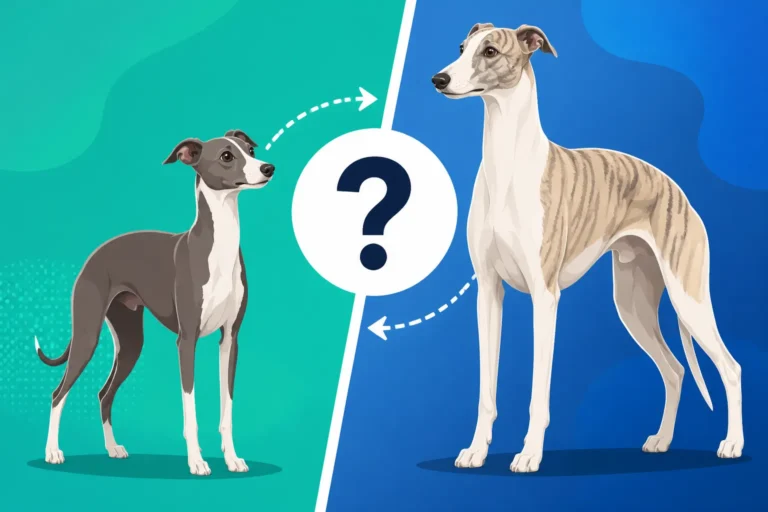
The majestic Greyhound, with its incredible speed and grace, was typically the dog of the gentry, reserved for aristocratic pursuits like hare coursing. Common folk, however, couldn't afford such a large dog, nor did they have the space or means to keep one. This created a need for a smaller, more accessible sighthound that could still deliver on speed and hunting instinct.
So, in the mid-19th century, miners and factory workers began to selectively breed their smaller, faster dogs. They likely crossed smaller Greyhounds with various terriers, such as the Bedlington Terrier and the Manchester Terrier, to create a dog that retained the sighthound’s speed and keen eyesight but in a more compact, robust package. The result was the Whippet – a dog often referred to as "the poor man's racehorse." It was a marvel of practical breeding, designed to fit into a modest home and still outrun almost anything. How Miners Built the Whippet From a Greyhound They Could Afford
The Thrill of the Rag Race: Speed, Skill, and Wagers
Once the Whippet breed began to solidify, their innate speed and chase drive found a natural outlet in a new sport born out of the working-class communities: rag racing. This wasn't the organized, grand spectacle of horse racing, but rather a grassroots event fueled by passion, community, and the desire for a little extra cash.
What Exactly Was a "Rag Race"?
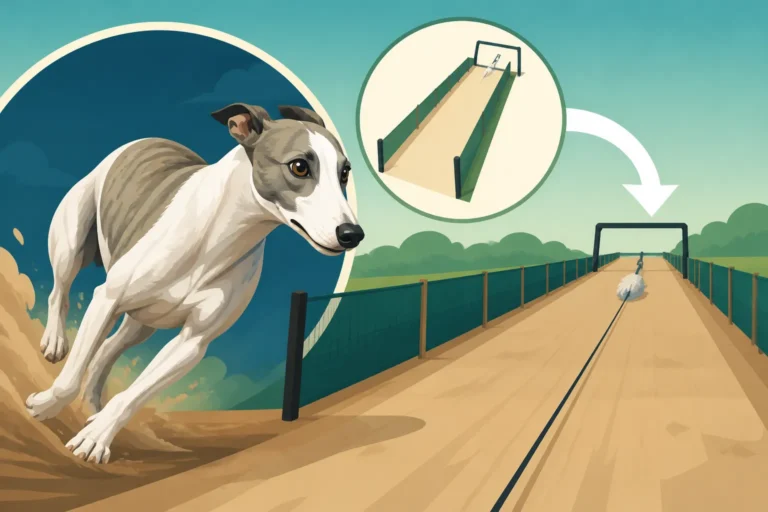
Imagine a simple, straight track, perhaps just a cleared stretch of land or a quiet road, usually between 100 and 200 yards long. At one end, a group of eager Whippets, each straining at the leash, eyes fixed on the distant figure of their owner. At the other end, the owner stands, perhaps with a distinctive handkerchief or a piece of cloth – the "rag." When the signal was given, the owner would wave this rag, often accompanied by enthusiastic calls, and the dogs would be released.
The Whippets, with their intense prey drive and profound bond with their owners, would launch themselves forward, tearing down the track at astonishing speeds, entirely focused on reaching that waving rag and the beloved person holding it. It was a pure display of instinct and devotion, unfiltered by complex rules or elaborate equipment. The winner was the first dog to reach its owner and claim the coveted rag. How Long a Whippet Rag Race Course Was
The "Lightning" Aspect: Unmatched Speed
The "Lightning" part of the nickname wasn't just poetic license; it was a literal description of the Whippet's incredible acceleration and speed. For its size, a Whippet is an absolute powerhouse. They possess a unique galloping style, often described as a "double suspension gallop," where all four feet are off the ground twice during each stride. This allows them to reach speeds that are truly breathtaking to behold.
Over the short distances of a rag race, a Whippet could accelerate from a standstill to its top speed, which can be around 35 miles per hour, in just a few strides. This burst of speed, coupled with their agility and unwavering focus on the lure, made them appear like flashes of lightning across the track. They were faster than virtually any other dog of comparable size, making them perfectly suited for these short, explosive sprints. How Fast a Whippet Actually Runs Watching them streak across the field, it was easy to see why "lightning" became synonymous with their performance.
The Wagers and the Week's Wages
Rag racing wasn't just a fun pastime; it was often a serious affair with real stakes. For families living hand-to-mouth, winning a race could mean a significant boost to their meager income. Miners and factory workers would bet their "week's wages" on their beloved dogs, creating an electric atmosphere of excitement, hope, and intense rivalry. The betting was often informal, passed between neighbors and friends, but the competitive spirit was fierce. Rag Racing and the Week's Wages Riding on a Whippet
This economic aspect elevated the sport beyond mere entertainment. It meant that owners poured their hearts and souls into conditioning and training their Whippets, ensuring they were in peak physical form. A winning dog brought not only pride but also much-needed financial relief. The combination of intense competition, the working-class community's passion, and the genuine impact on people's livelihoods cemented the Whippet's place as a vital part of their culture.
The "Rag" in the Dog: Training and Instinct
The simplicity of rag racing belied a profound understanding of canine behavior and the unique bond between a Whippet and its human. The "rag" itself was more than just a piece of cloth; it was the ultimate motivator, a trigger for deep-seated instincts and a symbol of their owner's presence.
The Power of the Lure: Instinct and Drive
At the core of a Whippet's success in rag racing was its incredibly strong prey drive. These dogs were, after all, bred to chase down small game. The waving rag mimicked the erratic movement of fleeing prey, igniting that primal instinct to pursue and capture. It wasn't about complex commands or elaborate training routines; it was about harnessing a natural, powerful drive.
Training for rag racing was, in many ways, an extension of this instinct. Owners would spend countless hours reinforcing the association between the waving rag and the ultimate reward – often just the joy of reaching their owner and playing with the cloth. They didn't need harsh methods; the Whippet's eager-to-please nature and intense focus on their person meant that positive reinforcement, even before it was a recognized training method, was inherently at play. This deep understanding of their dog's intrinsic motivation is what made the "rag" such a potent lure. How Lure Coursing Channels a Whippet's Drive
Building the Bond for the Finish Line
What truly set rag racing apart, and what made the Whippet so uniquely suited for it, was the intimate connection between the dog and its owner. Unlike modern dog racing where a mechanical lure is used, the rag race relied entirely on the dog's desire to reach its human. The owner wasn't just a handler; they were the finish line, the reward, the ultimate prize.
This deep bond meant that the Whippet would run with an almost unparalleled intensity, not just for the chase, but for the reunion. The cheering, the waving, the familiar scent and sight of their owner – all these elements combined to create an irresistible pull for the dog. This emotional connection was a powerful engine, driving the Whippet to push its limits, knowing that at the end of the furious sprint was the person they adored. This type of racing was a true testament to the partnership between human and dog, a beautiful blend of natural instinct and profound affection. Many a modern Whippet owner will attest to their dog's unwavering focus on them, especially when treats or toys are involved – you might even find some great high-value treats on Chewy that will make your Whippet equally focused!
More Than Just a Race Dog: The Whippet's Dual Role
While the "Lightning Rag Dog" nickname highlights their incredible athletic prowess and racing heritage, it's crucial to remember that these dogs were never just athletes. They embodied a fascinating dual nature, seamlessly transitioning from formidable competitors to beloved family members.
From the Track to the Hearth
The same Whippet that burst across the field like a bolt of lightning on Sunday morning would, by evening, be curled up on the sofa or in its owner's bed, a picture of calm contentment. This incredible adaptability is a defining characteristic of the breed. They weren't kenneled beasts; they were integrated into the very fabric of family life, sleeping beside the children, sharing meager meals, and offering quiet companionship in often challenging circumstances. Whether a Whippet Slept in the House and Raced on Sunday
This dual role meant that Whippets had to possess a gentle temperament indoors, capable of living peacefully in close quarters. Their low maintenance grooming requirements and relatively quiet nature made them ideal house dogs. While they needed a burst of speed outdoors, they were masters of relaxation inside, earning them another beloved nickname: the "40 mph couch potato." This ability to switch from high-octane athlete to serene companion is one of the Whippet's most endearing and enduring traits.
Evolution of the Breed and the Name's Legacy
As society evolved, so too did Whippet racing. The informal rag races eventually gave way to more organized events, with proper tracks, mechanical lures, and structured rules. Organizations like the National Oval Track Racing Association (NOTRA) and the American Sighthound Field Association (ASFA) emerged, providing regulated avenues for Whippets to showcase their speed and athleticism. Even today, activities like Fast CAT (Coursing Ability Test) continue this tradition, allowing Whippets to chase a lure at top speed, delighting both dogs and owners. Why a Whippet Enjoys Racing
Despite these changes, the "Lightning Rag Dog" nickname stuck, a fond echo of the breed's humble, yet thrilling, beginnings. It serves as a reminder of their remarkable blend of speed, instinct, and an unwavering bond with their human companions. Modern Whippets, whether they are show champions, agility stars, or simply cherished family pets, still carry this legacy. You see it in their joyous bursts of speed in a fenced yard, their intense focus on a thrown toy, and their unparalleled ability to go from zero to sixty in seconds flat. They remain, at heart, the same lightning-fast, rag-chasing dogs that brought excitement and a little bit of magic to the lives of their working-class owners so many years ago. It’s a heritage that’s worth celebrating, and certainly one that makes this breed truly special. And whether you're looking for training tools or cozy blankets for your 40 mph couch potato, you can find a huge selection on Chewy.
Here's a quick comparison of Whippets and Greyhounds, highlighting some of the differences born from their distinct histories:
| Feature | Whippet | Greyhound |
|---|---|---|
| Origin | 19th Century England (Northern Coalfields) | Ancient, across many cultures (developed for nobility/hunting) |
| Size | Medium (approx. 25-40 lbs) | Large (approx. 60-80 lbs) |
| Cost (Historical) | "Poor man's racehorse" (more accessible) | Dog of the gentry (more exclusive) |
| Racing Style | Short, explosive sprints (rag racing) | Longer track races (coursing, track racing) |
| Primary Use | Hunting small game, racing, family companion | Hunting large game, racing, companion for nobility |
| Temperament | Adaptable, calm indoors, affectionate | Generally calm indoors, reserved but affectionate |
| Housing Needs | Suited for smaller homes/apartments | Requires more space due to larger size |
Disclaimer
This article is for general informational purposes only and does not constitute professional advice. Laws, prices and regulations vary by location and change over time. Consult a qualified professional for guidance on your specific situation.