The Century the Whippet Appeared
It’s easy to look at a sleek, elegant Whippet today and assume they’ve always been around, gracing dog shows and cozying up on sofas. But the truth is, every breed has a story, a genesis rooted in human need and historical circumstance. Many new Whippet owners, or those just admiring the breed, might feel a bit lost trying to pin down exactly when this unique sighthound truly emerged, distinct from its larger cousins. This guide is here to unravel that history, taking you back to the very century when the Whippet, as we know it, began to capture hearts and prove its worth.
The Industrial Revolution and the Whippet's Emergence
The story of the Whippet isn't one of aristocratic breeders meticulously crafting a new canine companion in grand kennels. Instead, it's a tale woven into the harsh, sooty fabric of industrial England, particularly the coalfields of the North. This isn't just a fun fact; it's fundamental to understanding the Whippet's very nature – its resilience, its speed, and its deep connection to its human family.
The Socio-Economic Landscape of Northern England
During the 19th century, the landscape of Northern England was undergoing a profound transformation. The Industrial Revolution was in full swing, drawing countless laborers to burgeoning mining towns and factory cities. Life was tough, often brutal, with long hours, meager wages, and cramped living conditions. For many working-class families, particularly the miners, a dog wasn't just a pet; it was a valued companion, a source of entertainment, and sometimes even a means of putting food on the table. They lived in small cottages, shared what little they had, and their dogs were very much a part of their daily existence, both at home and at work.
It was in this environment of grit and pragmatism that the need for a specific type of dog became apparent. These folks couldn't afford the upkeep of a large, purebred Greyhound, nor did they have the space for one. They needed a dog that could excel at short, sharp bursts of speed, hunt small game to supplement their diet, and yet be small enough to be easily housed and fed in tight quarters. This was the incubator for the Whippet's development, a breed born of necessity and ingenuity, far from the polished show rings of later years. You can read more about this fascinating origin in The Poor Man's Racehorse: Whippets in the Northern Coalfields.
The Need for a Smaller, Agile Sighthound
The sheer economic realities of the time dictated the kind of dog that would thrive among these communities. A full-sized Greyhound, while incredibly fast, was simply too big for the small homes and limited budgets of the miners. Imagine trying to feed a large sighthound on a miner's wage, or keep it in a tiny cottage! It simply wasn't practical. What they sought was a "miniature Greyhound" – a dog that retained the incredible speed and keen eyesight of its larger ancestors but in a more compact, manageable package.
This desire wasn't just about size; it was about specific utility. These communities loved racing and gambling, and a smaller, faster dog meant exciting competition. They also needed a dog that could hunt rabbits and other small vermin quickly and efficiently in the local fields, providing a crucial protein source for their families. This blend of sport and sustenance drove the selective breeding that would eventually define the Whippet. The result was a dog that could spring into action, cover ground rapidly, and then settle down peacefully by the fire, a true reflection of its owners' lives.
Blending Breeds: The Ancestry of the Early Whippet
The Whippet didn't just magically appear. It was the careful (and often informal) blending of existing breeds, chosen for specific traits that would serve the purposes of its working-class creators. Understanding this genetic tapestry helps to explain the Whippet's unique physical characteristics and temperament today.
The Greyhound's Indispensable Influence
There's no doubt that the Greyhound formed the bedrock of the Whippet's ancestry. Miners were undeniably impressed by the Greyhound's phenomenal speed and its ability to sight and pursue prey. However, as discussed, the purebred Greyhound was often out of reach. So, what did they do? They sought smaller, less "perfect" Greyhounds, or perhaps crosses, that could be bred down in size. These Greyhounds passed on their incredible athletic build, their characteristic "roach" back (though not always as pronounced), their deep chest, and their remarkable speed.
The Greyhound's influence is evident in every aspect of the Whippet's form and function. From its long, lean muscles to its powerful hindquarters, the Whippet is a sighthound through and through, designed for bursts of incredible speed. But it wasn't a simple reduction in size; it was a refinement, a specific adaptation for the needs of its new home. If you've ever wondered about the differences, take a look at The Whippet Against the Greyhound and the Italian Greyhound for a deeper comparison.
Terrier Contributions to the Mix
Here's where the story gets a little more complex and, for some, quite surprising. Alongside the sighthound lineage, it's widely believed that various terrier breeds were introduced into the developing Whippet population. Why terriers? Well, they brought qualities that pure sighthounds sometimes lacked, particularly gameness and tenacity for catching smaller, tougher prey, and potentially a bit more ruggedness for the rough-and-tumble environment of the coalfields. While the exact terrier breeds are debated, it's thought that breeds like the now-extinct Old English White Terrier or possibly even early types of the Manchester Terrier contributed to the Whippet's genetic makeup.
These terrier influences might have imbued the Whippet with a slightly broader skull, a different coat texture in some early variations, and perhaps an even sharper hunting instinct for small game. This blend of sighthound speed and terrier grit created a truly versatile working dog. The question of Whether Terrier Blood Is in the Whippet is a fascinating one that speaks to the practical breeding methods of the time. This cross-breeding, driven by function, resulted in a dog that was perfectly suited to its environment, capable of both the elegant sprint and the determined hunt.
Early "Snap Dogs" and Their Purpose
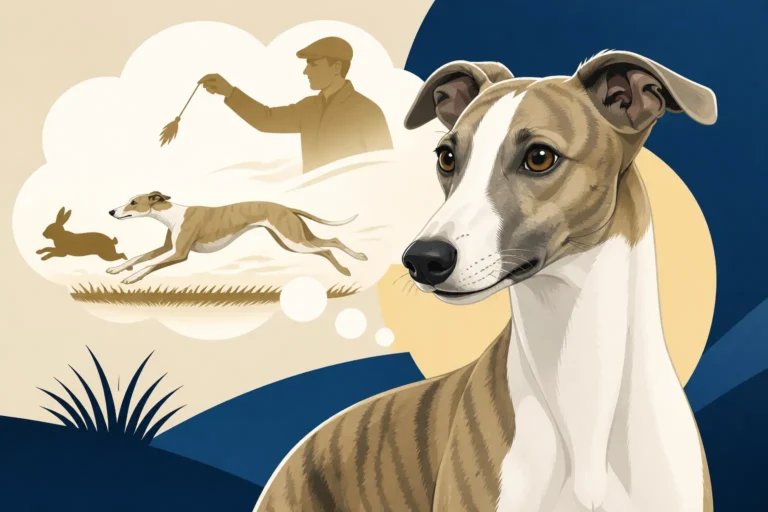
Before the name "Whippet" became commonplace, these emerging dogs were often referred to as "snap dogs." This rather evocative name speaks directly to their primary function: catching small game, particularly rabbits, with a quick, decisive "snap" of the jaws. These dogs were exceptional at rabbit coursing, a popular pastime that served both as sport and a practical way to acquire food. The agility and quick reflexes inherited from their diverse ancestry made them masters of this pursuit.
The "snap dog" era highlights the Whippet's utilitarian roots. These weren't pampered pets; they were active, working members of the family. Their ability to quickly dispatch prey was highly valued, and their performances in these informal hunting and racing events provided much-needed entertainment and a sense of community for their owners. It's a testament to their skill that they were given such a descriptive and apt moniker. More on their early names and purposes can be found in The Older Name Snap Dog for the Whippet.
From Working Dog to Gentleman's Companion: Whippet Evolution
As the 19th century progressed, the Whippet's role began to broaden. While still deeply rooted in the working-class communities that fostered its development, its unique charm and athleticism started to catch the eye of a wider audience, leading to more formalized activities.
The Rag Race Phenomenon
One of the most defining aspects of the early Whippet was its involvement in "rag racing." This was the quintessential working-class sport, taking place on crude, improvised tracks in fields or cleared areas. Miners would gather on their day off, often with their week's wages riding on the outcome, to watch their dogs tear down a track after a piece of cloth (the "rag") waved by their owner at the finish line. This wasn't just a race; it was a vibrant community event, steeped in tradition and fierce local pride.
The dogs would be held at a starting line, often by a helper, and released to chase the rag, which acted as a powerful lure, mimicking the chase of real prey. The incredible speed and drive of these small sighthounds were on full display, making for thrilling spectacles. These races were the proving ground for the fastest and most agile Whippets, solidifying their reputation as exceptional sprinters. For a deeper dive into the specifics, check out Rag Racing and the Week's Wages Riding on a Whippet. Unlike today where finding specialized gear like racing blankets is easy on sites like Chewy, these early enthusiasts often had to improvise with what was available, reflecting a different era of dog ownership.
Transition to Formal Competition and Recognition
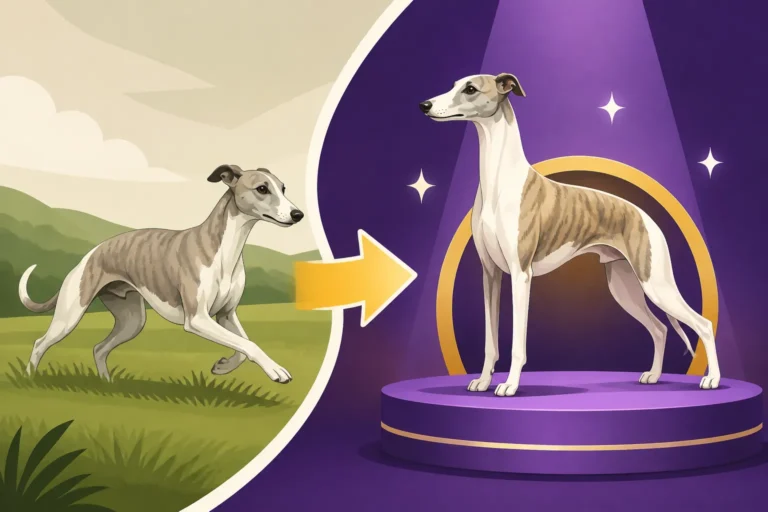
As the Whippet's popularity grew beyond the immediate working-class circles, a desire for more organized competition and formal recognition emerged. This transition marked a significant shift from purely utilitarian breeding to an appreciation for conformation and standardized traits. The allure of their speed and gentle nature started to draw attention from those in more affluent circles, who saw the potential for a new show dog and a sport beyond the informal rag races.
This led to the establishment of more formal racing clubs and eventually, the inclusion of the Whippet in official dog show registries. It was a gradual process, but one that cemented the breed's place in the canine world. This move towards formalization also meant that breeders began to focus on specific physical standards, ensuring a consistent look and temperament for the breed. It was during this period that the Whippet began its journey from a humble miner's dog to the recognized and beloved breed we know today.
The Rise of Organized Racing and Recognition
The latter part of the 19th century saw the Whippet shed some of its rough-and-tumble image as it gained wider acceptance and began to be formally recognized by kennel clubs. This was a crucial step in the breed's journey, establishing its identity and setting the stage for its global spread.
Early Kennel Club Recognition in the UK
The Kennel Club in the United Kingdom, established in 1873, played a pivotal role in standardizing and recognizing dog breeds. For a breed to be officially recognized by such a prestigious body meant a huge leap in status and legitimacy. It transitioned a collection of similar types of dogs into a distinct, identifiable breed with a written standard, guiding future breeding efforts. The Whippet, with its growing popularity and distinct characteristics, eventually caught their attention.
While the exact year of formal registration might vary slightly depending on the source or initial classification, it's generally accepted that the Whippet gained official recognition towards the end of the 19th century. This recognition was a testament to its established type and growing appeal. It allowed for organized showing, formal pedigrees, and a more structured approach to breeding, ensuring the preservation of its unique traits. This was a monumental moment for the breed, marking its true arrival on the official canine stage. For the exact details, you might consult The Year the Kennel Club Recognized the Whippet.
The Formation of the American Whippet Club
Across the Atlantic, the Whippet also found a growing fan base. As the breed gained traction in the UK, it naturally made its way to America, carried by enthusiasts who recognized its unique qualities. The American Kennel Club (AKC), founded in 1884, mirrored the UK's Kennel Club in its mission to promote and protect purebred dogs. Just as in Britain, formal recognition by the AKC was a significant milestone for the Whippet in the United States.
The breed was formally recognized by the AKC in the late 19th century. This recognition paved the way for the formation of breed-specific clubs dedicated to its advancement. The American Whippet Club (AWC) was established to serve as the parent club for the breed in the United States, promoting responsible breeding, sportsmanship, and the welfare of Whippets. The formation of such a club signifies a mature interest in the breed and a commitment to its future. Knowing The Year the AKC Recognized the Whippet helps put this historical development into perspective. These clubs and their activities were a far cry from the informal rag races, providing structure and advocacy for the breed.
Whippets Across the Pond: Early American History
The Whippet's charm and athleticism weren't confined to its native England. By the end of the 19th century, the breed had made its way to American shores, quickly establishing itself in a new continent.
The Whippet's Arrival in North America
The journey of the Whippet to North America mirrors that of many other European breeds: immigrants, travelers, and enthusiasts brought their beloved dogs with them, eager to establish a foothold for their chosen companions in the New World. It’s not hard to imagine why the Whippet would appeal. Its compact size made it easier to transport than a Greyhound, and its adaptable nature meant it could thrive in various settings, from urban homes to developing rural areas.
These early Whippets likely arrived with British settlers or those with a keen interest in dog sports. Initially, they might have continued their role as rabbit hunters or informal racers, much as they had in England. But it wasn't long before organized interest began to emerge. The appeal of a dog that combined elegance with blistering speed was undeniable, and American fanciers quickly saw the potential for formal shows and racing events. The process of How the Whippet Reached America is a tale of quiet enthusiasm spreading across an ocean.
Early American Racing and Exhibitions
Once on American soil, the Whippet's inherent talents quickly found an outlet. Just as in England, early American enthusiasts gravitated towards racing. The short, intense bursts of speed made Whippet racing an exciting spectator sport, drawing crowds and fostering friendly competition. These events often took place at local fairs, sporting clubs, or private estates, demonstrating the breed's versatility and athleticism.
Beyond racing, the Whippet's elegant conformation began to attract attention in the burgeoning American dog show circuit. As the AKC recognized the breed, it opened the doors for Whippets to be exhibited in conformation events, where their physical attributes were judged against the breed standard. This dual appeal – as both a superb athlete and a beautiful show dog – helped solidify the Whippet's place in American canine culture. It’s a far cry from what owners experience today, where finding resources for both racing and showing is simple with online retailers like Chewy, offering everything from training treats to show leads.
The Whippet's Enduring Legacy: A Table of Milestones
To truly appreciate the Whippet's journey through history, it helps to see some of its key developmental milestones laid out. These dates and events, while general to the century, represent crucial shifts in the breed's recognition and purpose.
| Era / Century | Key Developments | Purpose/Role | Social Context |
|---|---|---|---|
| Early 19th Century | Informal cross-breeding, "snap dogs" | Rabbit hunting, informal sport, pest control | Working-class communities, Industrial Revolution England |
| Mid-19th Century | "Rag Racing" emerges, growing popularity | Sprint racing, gambling, family companion | Miner's dog, community entertainment, limited resources |
| Late 19th Century | Formal recognition by Kennel Clubs (UK & US) | Show dog, organized racing, established breed | Expanding appeal, gentry interest, breed standardization |
| Turn of 20th Century | American breed clubs formed, wider distribution | Continued racing & showing, household pet | Global spread, formalized dog sports, established pedigree |
The Modern Whippet: A Glimpse Forward
From its humble beginnings as a miner's companion and a participant in "rag races," the Whippet has undeniably come a long way. The 19th century laid the groundwork for this remarkable breed, showcasing its speed, its adaptability, and its gentle spirit. Today, the Whippet is cherished not just for its athletic prowess but also for its incredibly affectionate nature, making it a beloved member of countless families worldwide.
Understanding its history helps us appreciate why they are the way they are – dogs that can sprint at incredible speeds but are just as happy curled up on the sofa. They carry the legacy of their working-class ancestors, a testament to resilience and the deep bond between humans and canines. They remind us that true value isn't always found in grand pedigrees, but often in the dogs that faithfully served and enriched the lives of ordinary people. Even if they're now spoiled with beds and toys from places like Chewy, their roots are in a much harder time.
This rich history also explains many of the unique characteristics we observe in the Whippet today. Their sensitivity, their love of comfort, and their powerful prey drive are all echoes of their past. They are, truly, a testament to the ingenuity and passion of the people who shaped them over a century ago.
Disclaimer
This article is for general informational purposes only and does not constitute professional advice. Laws, prices and regulations vary by location and change over time. Consult a qualified professional for guidance on your specific situation.