Whether a Whippet’s Dental Needs Sighthound Anesthesia
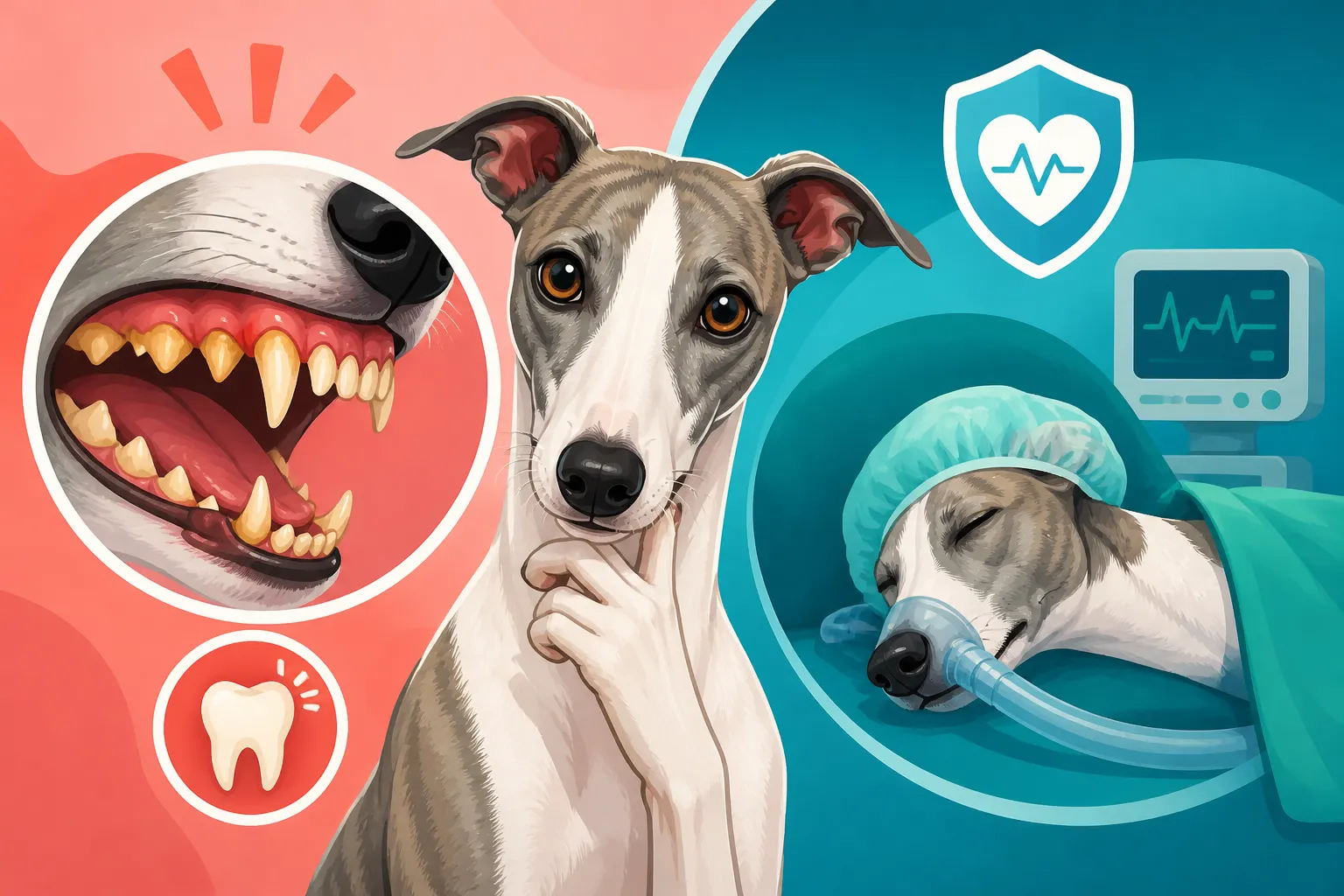
It’s a heart-stopping moment for any Whippet owner when the vet says your beloved dog needs a dental procedure under general anesthesia. We all know our lean, athletic Whippets are a bit different, and the thought of them going under can be truly anxiety-inducing. This guide is here to shed light on why a Whippet’s dental needs often require a specialized "sighthound anesthesia protocol" and what you can do to ensure the safest experience possible for your cherished companion.
The Unique Concerns with Sighthound Anesthesia And Why Dentals Are No Exception
Many Whippet owners have heard the whispers, read the warnings online, or perhaps even experienced firsthand the heightened risks associated with anesthesia for sighthounds. It’s not just a myth; there are very real physiological reasons why our Whippets require a more cautious and tailored approach when it comes to any procedure requiring general anesthesia, and dental work is absolutely no exception. This isn't about being overly protective; it's about being informed and advocating for our dogs' specific needs.
Why Whippets Are Different Under Anesthesia
The primary reason Whippets, and sighthounds in general, stand apart under anesthesia stems from their unique metabolism and body composition. They are built for speed, lean and muscular, with very little body fat. This lack of insulating fat means they can get cold incredibly quickly during a procedure, which can complicate recovery and prolong the effects of anesthetic drugs. Their efficient livers also metabolize certain drugs differently than other breeds, often taking longer to process and clear them from their system.
Beyond their lean build, Whippets also have a unique red blood cell profile and often a lower blood pressure baseline, which competent veterinary staff should be aware of. When a typical vet clinic applies a "standard" anesthesia protocol designed for a Golden Retriever or a Bulldog, it can quickly become problematic for a Whippet. This is precisely why understanding Why a Whippet Needs a Sighthound Anesthesia Protocol is so vital for every owner. These dogs simply don't fit the mold, and ignoring their distinct physiology can lead to avoidable complications.
The Drugs to Be Wary Of
Not all anesthetic drugs are created equal, especially when it comes to sighthounds. Certain older anesthetic agents, particularly thiobarbiturates like thiopental (Pentothal), are notoriously problematic for Whippets. These drugs are highly fat-soluble, and because Whippets have so little body fat, the drug rapidly moves from the bloodstream into the brain, causing a quick but intense effect, and then struggles to find a "storage" place in the fat, leading to a much slower and often rougher recovery. Instead of being stored in fat tissue and slowly released, it remains active in their system for longer, resulting in prolonged sedation and grogginess.
Thankfully, modern veterinary medicine has many safer alternatives. Propofol is widely considered a much better option for sighthounds because it's metabolized by the liver and kidneys, not stored in fat, leading to a smoother and faster induction and recovery. Other drugs, like isoflurane or sevoflurane for maintenance, are also generally safe. It’s crucial to have an open conversation with your veterinarian about Which Drugs a Whippet Should Not Be Given and what safer alternatives they plan to use. Don't be shy about asking for specifics; it's your dog's health on the line.
Monitoring and Recovery: Critical for Whippets
Anesthesia isn't just about the drugs used; it's equally about the meticulous monitoring during the procedure and the careful management of recovery. For a Whippet, this means constant vigilance. Their body temperature, heart rate, blood pressure, and oxygen saturation need to be monitored much more closely than with many other breeds. Active warming measures, such as circulating warm water blankets or forced-air warming systems, are absolutely non-negotiable from the moment they go under until they are fully awake and warm.
The recovery period can feel interminably long for a Whippet owner. It's not uncommon for a Whippet to be groggy and disoriented for several hours, sometimes even longer, after anesthesia. This is often due to their unique metabolism, even with safer drugs. Knowing How Slowly a Whippet Wakes From Sedation can help manage your expectations and reduce panic. During this time, continued warmth and comfort are paramount. Proper recovery protocols, including careful observation and continued warmth like Warming a Whippet During Surgery techniques, are just as vital as the anesthetic protocol itself to prevent complications and ensure a smooth transition back to full awareness.
Understanding "Sighthound Anesthesia Protocol" for Dental Care
When a veterinarian discusses a "sighthound anesthesia protocol," they’re not just saying a fancy phrase; they’re referring to a carefully considered, multi-faceted approach designed to mitigate the inherent risks for breeds like Whippets. For a dental procedure, which often involves significant time under anesthesia, this specialized protocol becomes even more critical. It’s about recognizing the unique challenges and proactively addressing them at every stage of the process, from pre-op to post-op.
What a Sighthound-Specific Protocol Entails
A true sighthound-specific anesthesia protocol goes beyond just drug choice. It usually begins with thorough pre-anesthetic testing, including comprehensive bloodwork to assess organ function and red blood cell counts. This helps flag any underlying issues that could increase anesthetic risk. During the procedure, the team will focus on maintaining hydration with intravenous fluids, ensuring consistent body temperature through active warming devices, and employing continuous, advanced monitoring of vital signs. This level of care should be standard for any Whippet undergoing anesthesia, not an add-on.
The actual anesthesia itself will involve a balanced approach using drugs known to be safer for sighthounds, often combining a pre-medication with an induction agent and then maintaining anesthesia with an inhalant gas. The goal is to use the lowest effective dose of each medication to achieve the desired effect while minimizing side effects. Post-anesthetic pain management is also critical, using medications that are safe and effective for Whippets. You should absolutely insist on Whether a Whippet Needs Pre Anesthetic Bloodwork before any procedure, especially a dental.
Why Dental Procedures Often Require General Anesthesia
It’s tempting to wish for a magic wand that could clean your Whippet’s teeth without general anesthesia, but the reality is that a thorough, effective dental cleaning requires it. Unlike simply brushing the visible surfaces, a professional dental procedure involves scaling beneath the gumline, polishing to smooth enamel and prevent future plaque buildup, and often dental X-rays to check for issues below the gum. If extractions are necessary, these are certainly painful and require proper anesthesia and pain management.
Imagine trying to clean your own teeth, let alone a dog's, while they are wide awake and potentially squirming. It's simply not possible to perform these intricate and potentially uncomfortable tasks without the patient being completely still and pain-free. Anesthesia allows the vet to do a comprehensive job, addressing not just surface plaque but also hidden infections or decaying teeth that can cause chronic pain and even systemic health problems for your Whippet down the line.
Finding a Vet Who Gets Whippets
One of the biggest hurdles for Whippet owners can be finding a veterinary practice that genuinely understands and consistently applies sighthound-specific protocols. Not every vet sees a lot of Whippets, Greyhounds, or other sighthounds, and consequently, they might not be as familiar with their unique needs. It's perfectly acceptable, and indeed advisable, to ask direct questions about their experience with sighthounds and their anesthetic protocols.
Don't hesitate to "interview" potential clinics or speak extensively with your current vet about their approach. Ask if they have specific sighthound protocols in place, what drugs they typically use, and what monitoring equipment they employ. A good vet will welcome your questions and be able to clearly articulate their plan. If you feel hesitant or get vague answers, it might be time to consider Whether a Whippet Needs a Vet Who Knows Sighthounds, perhaps seeking out a practice recommended by other sighthound owners in your area. This proactive approach can make all the difference in ensuring your Whippet's safety.
Practical Steps for a Safer Whippet Dental
Taking your Whippet in for a dental procedure can still feel daunting, even with all the right information. But by being an informed and proactive advocate for your dog, you can significantly reduce the risks and ensure the process is as smooth and safe as possible. There are concrete steps you can take well before the scheduled procedure, during your discussions with the veterinary team, and when you bring your Whippet home.
Pre-Dental Preparation and Health Checks
Before any elective procedure like a dental, your Whippet should undergo a thorough physical examination and pre-anesthetic bloodwork. This isn't just a formality; it's a critical step to catch any hidden health issues that could make anesthesia more risky. Your vet will check kidney and liver function, blood cell counts, and overall health to ensure your Whippet is in the best possible condition. If your Whippet is older or has a known heart murmur, a cardiac exam, perhaps even an echocardiogram, might be recommended. This is a topic worth discussing with your vet, especially if your Whippet is past eight years old, as Whether a Whippet Should Have a Cardiac Exam can provide crucial information.
Beyond these veterinary checks, ensure your Whippet is otherwise healthy. If they've been sneezing, coughing, or showing any signs of illness, it’s best to postpone the dental until they are fully recovered. A healthy patient handles anesthesia much better than one fighting off even a minor infection. Make sure your Whippet has fasted appropriately before the procedure as instructed by your vet, usually withholding food for 8-12 hours prior, but allowing water until a few hours before.
Discussing the Protocol with Your Vet
This is where your advocacy comes into play. Before the day of the dental, schedule a time to talk specifically about the anesthesia protocol for your Whippet. Don't assume they "just know." Ask direct questions:
- "What pre-anesthetic drugs will you use?"
- "What induction agent will you use?"
- "What gas anesthetic will be used for maintenance?"
- "Will you be using IV fluids, and what rate?"
- "What active warming methods will be in place (e.g., Bair Hugger, warm water blankets)?"
- "What monitoring equipment will be used, and who will be dedicated to monitoring my Whippet?"
- "What is your plan for post-operative pain management?"
- "Can I speak to the veterinary technician who will be monitoring my dog?"
A competent and sighthound-savvy veterinary team will be able to answer these questions confidently and explain their rationale. If you hear specific drug names you're concerned about, refer back to your research on Which Drugs a Whippet Should Not Be Given and discuss your concerns. This conversation builds trust and ensures everyone is on the same page regarding your Whippet's unique needs.
Here's a quick comparison of what to look for:
| Feature | Standard Anesthesia Protocol (General) | Sighthound Anesthesia Protocol (Preferred) |
|---|---|---|
| Pre-Anesthetic Bloodwork | Often recommended | Always recommended, comprehensive panel |
| Drug Selection | Broader range of drugs, some less ideal for sighthounds | Specific choices to avoid prolonged recovery (e.g., Propofol over Thiobarbiturates) |
| IV Fluids | Often used | Always used, critical for hydration and blood pressure support |
| Temperature Management | Passive warming (blankets) sometimes used | Active warming (circulating water blankets, forced-air systems) throughout procedure and recovery |
| Monitoring | Basic vital signs (heart rate, respiration) | Advanced monitoring (ECG, blood pressure, SPO2, capnography, temperature) with dedicated technician |
| Recovery | Generally faster | Extended, monitored recovery with continued warmth and observation |
| Pain Management | Standard post-op meds | Carefully selected, sighthound-safe pain medications |
Post-Procedure Care at Home
Bringing your Whippet home after anesthesia requires patience and a quiet environment. They will likely still be groggy, unsteady, and maybe a little confused. Keep them warm and comfortable in a quiet, familiar space, ideally on a soft, padded bed or a couch where they can feel safe. Offer small amounts of water a few hours after they've settled, and then a small, bland meal later in the evening if they seem interested. Don't be surprised if they don't have much of an appetite initially.
Monitor them closely for signs of discomfort, continued extreme lethargy, or any adverse reactions. Make sure they take any prescribed pain medication or antibiotics as directed. The recovery can sometimes feel like How Long a Whippet Takes to Wake From Anesthesia is a test of your own patience, but know that with time, they will return to their usual bright-eyed selves. Keep them quiet and avoid strenuous activity for the next day or two to allow for full recovery.
The Importance of Regular Dental Hygiene for Whippets
While discussing anesthesia can be stressful, it's crucial to remember that good dental hygiene can significantly reduce the frequency and severity of dental procedures your Whippet might need. Preventative care is always better than reactive treatment, especially when anesthesia is involved. Taking proactive steps can help keep your Whippet's teeth healthier for longer, potentially pushing back the need for future general anesthesia.
Why Whippets Are Prone to Dental Issues
Unfortunately, Whippets, like many smaller breeds and sighthounds, are often predisposed to dental disease. Their narrow jaws can sometimes lead to crowded teeth, creating more surfaces for plaque and tartar to accumulate. Their genetic makeup can also contribute to how quickly tartar builds up. Over time, this plaque hardens into tartar, leading to gingivitis (gum inflammation) and eventually periodontal disease, which can cause pain, tooth loss, and even impact their overall systemic health, affecting organs like the heart, kidneys, and liver.
Many owners are surprised at how quickly their Whippet's teeth can go from sparkling white to furry with tartar. This rapid buildup means that without consistent home care, professional dental cleanings under anesthesia become necessary more often than with some other breeds. Understanding Why a Whippet Builds Tartar Fast is key to accepting and committing to a rigorous dental hygiene routine.
Daily Care to Minimize Anesthesia Needs
The single best way to minimize the need for frequent anesthetic dentals is consistent daily home care. Brushing your Whippet's teeth every day, or at least several times a week, is the gold standard. Use a soft dog toothbrush and a veterinary-approved enzymatic toothpaste (never human toothpaste). Start slowly and make it a positive experience with lots of praise and treats.
Beyond brushing, there are other tools that can help. Veterinary dental chews, specific dental diets, and water additives can all play a role in reducing plaque and tartar buildup. Look for products that have a Veterinary Oral Health Council (VOHC) seal, which indicates they meet standards for plaque and/or tartar control. You can find a wide variety of these products on sites like Chewy or Amazon. While these are not a substitute for brushing, they can certainly supplement your efforts. For more tips, check out How Often a Whippet's Teeth Need Brushing.
Balancing Risk and Reward: When a Dental is Essential
Despite the very real concerns about sighthound anesthesia, it’s important to understand that untreated dental disease poses far greater risks to your Whippet's health. Chronic pain from infected teeth, persistent bacterial infections spreading through the bloodstream, and the eventual loss of teeth can severely impact your dog's quality of life and shorten their lifespan. Postponing a necessary dental because of anesthesia fears can often lead to more complicated and risky procedures down the road.
Your veterinarian will assess the severity of your Whippet's dental disease and help you weigh the risks of anesthesia against the risks of leaving the dental issues untreated. If your vet recommends a dental, it's usually because the benefits of addressing the problem outweigh the risks, especially when a sighthound-specific anesthesia protocol is followed. Good oral health is foundational to overall health, and sometimes, careful anesthesia is the necessary bridge to achieving that.
Disclaimer
This article is for general informational purposes only and does not constitute professional advice. Laws, prices and regulations vary by location and change over time. Consult a qualified professional for guidance on your specific situation.