Whether a Whippet Needs Antibiotics for Every Cut
It's an all too common scenario for Whippet owners: you glance down at your beloved, lean companion after a romp in the yard or a playful wrestle with another dog, and there it is – a nasty scrape, a deep gash, or a surprisingly wide flap of skin hanging open. Your heart sinks because you know their delicate, thin skin is prone to these kinds of injuries, and the immediate thought often jumps to, "Do they need antibiotics for this?" This guide is here to help you navigate those anxious moments, understand your Whippet's unique skin vulnerabilities, and equip you with the knowledge to make informed decisions about wound care and when professional veterinary intervention, including antibiotics, is truly necessary.
The Reality of Whippet Skin Tears
If you own a Whippet, you've probably already become intimately familiar with their incredibly fine, almost paper-thin skin. It’s one of their defining characteristics, contributing to their sleek, aerodynamic appearance, but it also means they’re far more susceptible to cuts, scrapes, and tears than many other breeds. It’s not a matter of if your Whippet will get a skin injury, but when.
Why Whippet Skin is So Vulnerable
Imagine a balloon – easily punctured, right? Now imagine that balloon covered in a very thin, short layer of fur. That’s essentially what we’re dealing with when it comes to a Whippet's skin. Unlike breeds with thicker, more robust skin or dense undercoats, Whippets lack the natural padding and resilience that might protect against minor trauma. Their skin is incredibly elastic but also remarkably delicate, and there's very little subcutaneous fat to cushion it from impact or sharp objects. This means that a casual brush against a thorny bush that another dog might barely notice can result in a significant laceration for a Whippet.
Their active, playful nature often puts them in situations where these injuries are likely to occur. Whether they’re zooming through tall grass, bumping into furniture, or just enjoying a vigorous play session with a canine friend, their speed and agility, combined with their fragile skin, create a perfect storm for scrapes and tears. Many owners can tell you stories about seemingly innocuous objects causing surprisingly deep wounds. This unique characteristic is why we have a whole discussion dedicated to The Thin Skin That Sends a Whippet to the Vet for Stitches, because these aren't just minor nicks.
When a Cut is More Than "Just a Scratch"
It’s easy to dismiss a small cut, but with a Whippet, vigilance is key. What might appear as a superficial scratch on a Golden Retriever could be a full-thickness skin tear on your Whippet. The location of the wound also matters significantly. Areas with less muscle or fat, like their legs, chest, and flanks, are particularly prone to gaping wounds that expose underlying tissue. Even minor cuts in these areas can be problematic because the skin is under tension, making it difficult for the edges to stay together and heal properly without intervention.
A key factor in determining the severity and potential for infection is the depth and cleanliness of the wound. A clean incision from, say, a sharp piece of glass might heal differently than a ragged tear from a rusty fence. Contamination with dirt, debris, or bacteria from the environment immediately increases the risk of infection. Furthermore, because Whippets have such little fat, sometimes what looks like just a skin tear can actually expose muscle or even bone in severe cases. This is why understanding Whether a Whippet's Cut Always Needs Stitches is so important, because often, they do.
Deciding When Antibiotics Are Truly Necessary
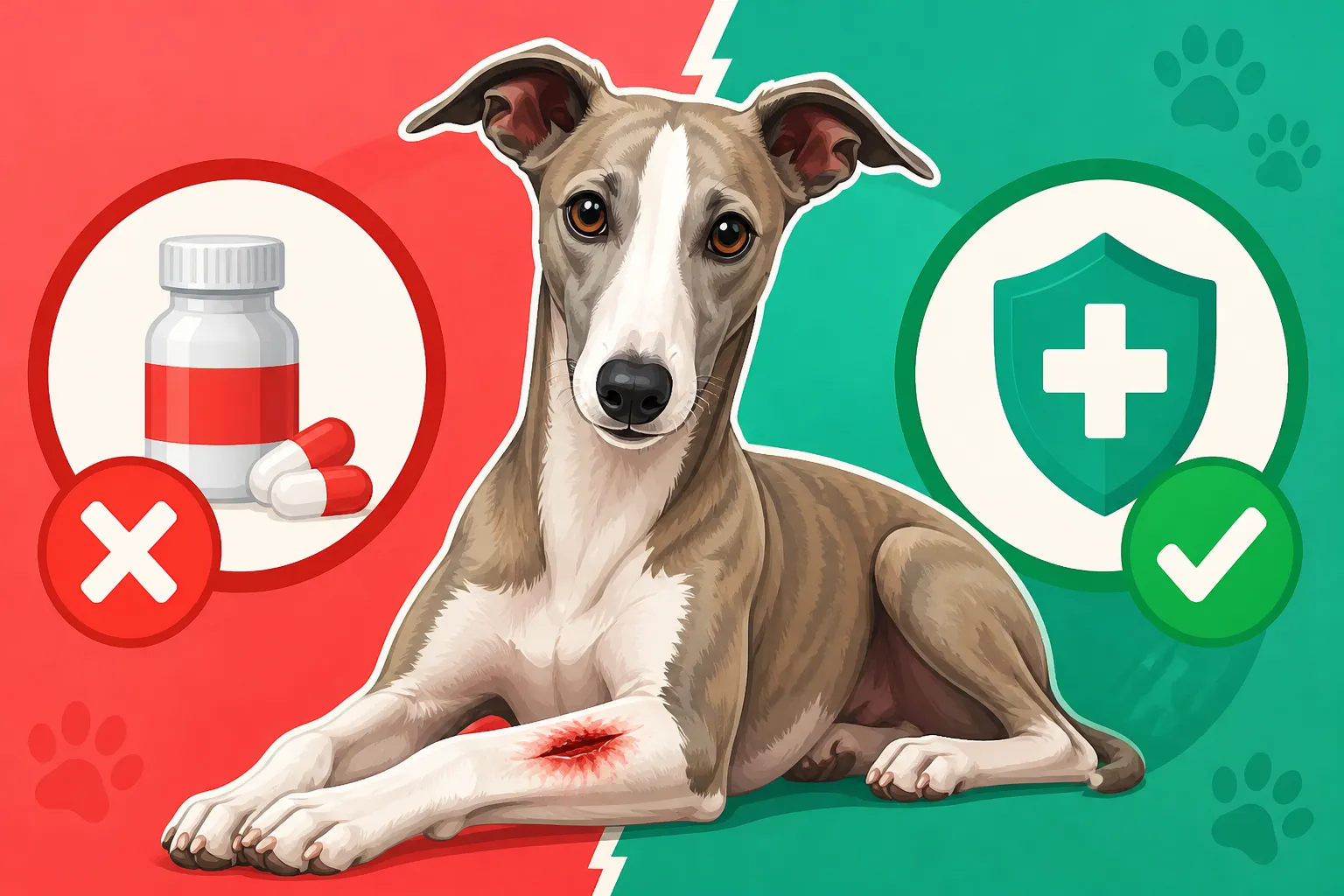
It's a common misconception that every open wound automatically requires antibiotics. While infection is a serious concern, especially with your Whippet's thin skin, overuse of antibiotics can lead to resistance and other health issues. The decision to use antibiotics should always be a thoughtful one, guided by a veterinarian's assessment.
Signs of Infection That Warrant Antibiotics
Not every wound will become infected, but it's crucial to know what to look for. If you notice any of these signs developing around your Whippet's cut, it's time to contact your vet, as antibiotics may be needed:
- Redness and Swelling: Beyond the initial inflammation, if the area around the wound becomes increasingly red, hot to the touch, and significantly swollen.
- Pus or Discharge: Any thick, discolored discharge (yellow, green, or white) that isn't clear or slightly blood-tinged serum is a strong indicator of bacterial infection. A foul odor is also a major red flag.
- Increased Pain: If your Whippet becomes more sensitive to touch around the wound, or starts limping or guarding the area more than initially.
- Fever or Lethargy: Systemic signs of infection, such as your Whippet being unusually tired, running a fever, or losing their appetite, mean the infection is spreading beyond the wound site.
- Delayed Healing: If the wound isn't showing signs of improvement within a few days, or if it appears to be getting worse despite home care, it could be infected.
Remember, a little redness and swelling are normal in the first 24-48 hours after an injury, as the body's immune system kicks in to start the healing process. It's when these signs worsen or persist that concern grows. Many owners keep a good first aid kit on hand, often stocked with items from places like Chewy, which can help with initial cleaning but can't replace veterinary care for a developing infection.
The Risks of Over-Prescribing Antibiotics
While antibiotics are life-savers when truly needed, their casual or unnecessary use carries significant risks. One of the biggest concerns is the development of antibiotic-resistant bacteria. The more frequently antibiotics are used, the more opportunities bacteria have to evolve and become resistant, making future infections much harder to treat. This is a global health crisis, and responsible antibiotic stewardship starts with individual pet owners and veterinarians.
Beyond resistance, antibiotics can also have side effects on your Whippet. They can disrupt the natural balance of beneficial bacteria in the gut, leading to digestive upset like diarrhea or vomiting. In some cases, dogs can have allergic reactions to certain antibiotics. Therefore, if your vet suggests a wait-and-see approach for a clean, minor wound, it's often because they're weighing these risks against the immediate benefit. They're not being dismissive; they're being responsible.
Topical vs. Oral Antibiotics for Whippets
When antibiotics are deemed necessary, your vet might prescribe either a topical ointment or oral medication, or sometimes both.
- Topical Antibiotics: These are applied directly to the wound and are generally used for superficial infections or as a preventative measure on clean wounds that are at low risk of systemic infection. They can be very effective for localized bacterial growth. However, a major challenge with Whippets (and most dogs!) is preventing them from licking off the ointment. You might need to use an Elizabethan collar or protective bandaging to ensure the medication stays where it needs to be. For deeper or more extensive wounds, topical treatments alone are rarely enough.
- Oral Antibiotics: If the infection is deeper, more widespread, or if your Whippet is showing systemic signs of illness (fever, lethargy), oral antibiotics are usually necessary. These medications work throughout the body to combat the infection. Your vet will select an antibiotic that targets the most likely bacteria involved and will provide specific dosing instructions. It's absolutely vital to complete the entire course of antibiotics, even if your Whippet seems to be feeling better after a few days. Stopping early is a prime cause of antibiotic resistance.
Your vet will consider the specific nature of the wound, the presence and type of infection, and your Whippet's overall health before recommending a course of action. If you're concerned about your Whippet's gut health during an antibiotic course, discuss probiotics with your vet. Some owners opt for fresh food diets, like those offered by Ollie, which can support overall gut health, but always consult your vet regarding dietary changes during illness.
First Aid and Prevention: Your Best Defense
While we can't completely prevent our active Whippets from getting the occasional cut, we can certainly minimize the risks and be prepared to act quickly when an injury does occur. Being proactive with first aid and prevention can make a world of difference in your Whippet's recovery and reduce the likelihood of needing antibiotics.
Essential Wound Care at Home
When your Whippet comes in with a cut, your immediate actions are critical. Here’s a step-by-step guide to initial home care:
- Assess the Wound: Gently part the fur to get a good look. Is it a superficial scrape, or is it deep and gaping? Is there a lot of bleeding? Is there foreign material embedded in it? The size and depth will often dictate whether it’s a vet visit or something you can manage at home. Knowing What Belongs in a Whippet Owner's First Aid Kit is essential here.
- Control Bleeding: If the wound is bleeding, apply direct pressure with a clean cloth or gauze. Hold firm pressure for several minutes. Most minor bleeding will stop within 5-10 minutes. If it doesn't, or if the blood is spurting, it’s an emergency.
- Clean the Wound: This is perhaps the most crucial step. Gently flush the wound with a saline solution or lukewarm tap water. You want to remove any dirt, debris, or bacteria. Avoid harsh antiseptics like hydrogen peroxide or rubbing alcohol, as these can damage delicate tissue and delay healing. Povidone-iodine diluted to a weak tea color can be used, but gentle flushing with water is often sufficient for initial cleaning.
- Trim Hair Around the Wound: If there's fur obstructing your view or getting into the wound, carefully trim it away with blunt-nosed scissors. This helps keep the wound clean and allows for better assessment and treatment.
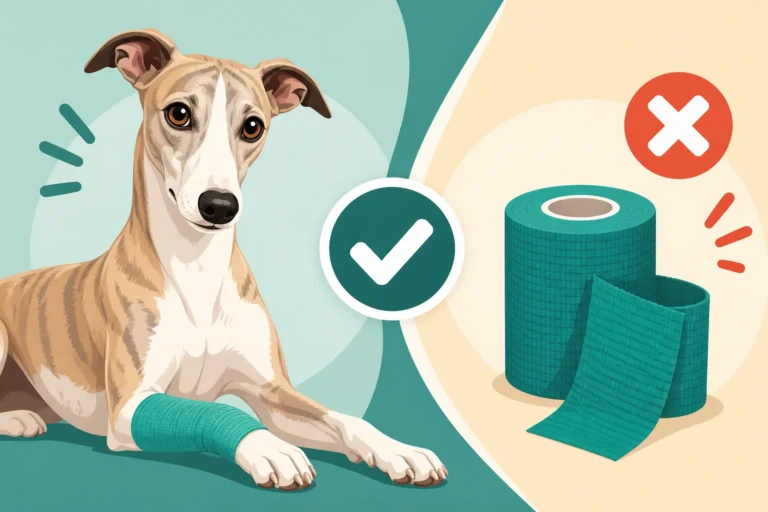
- Apply a Protective Dressing: Once clean and dry, you can apply a thin layer of an over-the-counter antibiotic ointment (like Neosporin, but always check with your vet for what's safe for dogs) and cover it with a sterile, non-stick pad. Then, secure it with a cohesive bandage like vet wrap. You can often find these supplies on Amazon or Chewy. Make sure the bandage isn't too tight – you should be able to slip two fingers underneath it. This protects the wound from further contamination and your Whippet from licking it. Whether a Whippet Owner Should Keep Vet Wrap is a resounding yes!
- Monitor Closely: Change the dressing daily and re-clean the wound. Watch for any signs of infection (redness, swelling, pus, odor) and ensure the wound is beginning to close.
It's important to understand that while you can do excellent first aid, many Whippet skin tears, especially those on their thin legs or flanks, will require veterinary attention for proper closure. Sometimes, even what looks like a small cut can gape open and need stitches or surgical glue to heal effectively.
Protecting Your Whippet's Delicate Skin
Prevention really is the best medicine when it comes to Whippets and their fragile skin.
- Supervise Outdoor Play: Always supervise your Whippet, especially when they're running in areas with tall grass, brush, or potential hazards like broken branches or fencing. Their speed often means they don't see obstacles until it's too late.
- Secure Environments: Ensure your yard is free of sharp objects, loose wires, or anything that could cause injury. Check fences regularly for protruding nails or splinters.
- Protective Clothing: Consider using lightweight coats or body suits, especially during walks in brushy areas or even for certain indoor activities if your Whippet is particularly prone to self-inflicted scrapes. Whether a Whippet Should Wear a Coat in Cover isn't just about warmth; it's about protection. There are many options available on Chewy that are specifically designed for sighthounds' unique body shapes.
- Nail Trims: Keep your Whippet's nails trimmed short. Long nails can cause accidental scratches, especially when they're enthusiastically "kneading" on you or playing.
- Soft Bedding: Ensure your Whippet always has soft, padded places to rest. Their bony prominences can develop pressure sores, which can then become open wounds and get infected. Why a Whippet Cannot Sleep on a Hard Floor is a very real concern for their skin health.
- Appropriate Playmates: While Whippets often love to play rough, consider the play style and nail length of their doggy friends. A boisterous Golden Retriever with untrimmed claws could inadvertently cause a serious scratch.
When to Call the Vet – And What to Ask
Knowing when a wound is beyond home care is crucial for your Whippet's health and comfort. Err on the side of caution; a quick vet visit can prevent a minor issue from becoming a major infection or a prolonged healing process.
Red Flags That Demand Immediate Veterinary Attention
Don't hesitate to call your vet or an emergency animal clinic if you observe any of the following:
- Deep or Gaping Wounds: If you can see muscle, fat, or bone, or if the edges of the wound are wide apart and won't stay closed, it needs professional closure.
- Excessive or Uncontrolled Bleeding: If you can't stop the bleeding with direct pressure after 10-15 minutes, or if the blood is spurting, seek emergency care immediately.
- Wounds Around Joints or Eyes: Injuries near joints can impact mobility and require precise repair. Wounds near the eyes can quickly become very serious.
- Limping or Severe Pain: If your Whippet is unable to put weight on a limb or is showing signs of intense pain, the injury might be more severe than a simple skin tear, possibly involving tendons, ligaments, or even a fracture.
- Signs of Infection: As discussed earlier, worsening redness, swelling, pus, foul odor, fever, or lethargy are all reasons to seek veterinary care urgently.
- Puncture Wounds: These can look deceptively small on the surface but can be very deep, trapping bacteria inside and leading to serious abscesses. Dog bites, even from a friendly playmate, often result in puncture wounds that require veterinary assessment.
- Any Large or Dirty Wound: If the wound is large, heavily contaminated with dirt, or has foreign objects embedded that you can't easily remove, a vet needs to assess and clean it thoroughly, potentially under sedation. For context on costs, What a Whippet Laceration Repair Costs can vary greatly depending on severity and needed interventions.
Preparing for Your Vet Visit
When you call your vet, be ready to provide a clear description of the injury:
- When and how it happened: What was your Whippet doing? Did you see the incident?
- Location and appearance: Where is the wound? How big is it? Is it bleeding? Is it gaping?
- Your Whippet's behavior: Are they limping? Are they in pain? Are they eating and drinking normally?
- Any first aid you’ve already given: Have you cleaned it? Applied pressure? Bandaged it?
When you get to the clinic, the vet will likely examine the wound, clean it thoroughly, and determine if sutures, surgical glue, or staples are needed. They will also assess the risk of infection. Don't be afraid to ask questions:
- "Does this wound need antibiotics, and if so, why?"
- "Are topical or oral antibiotics best in this case?"
- "What are the potential side effects I should watch for?"
- "How often should I clean the wound and change the dressing?"
- "What are the specific signs of infection I should look for as we heal?"
- "When should I bring my Whippet back for a recheck or staple/suture removal?"
Your veterinarian is your best resource. They understand the unique physiology of Whippets, including their thin skin and sighthound-specific considerations, such as Why a Whippet Needs a Sighthound Anesthesia Protocol if sedation is required for wound repair. By working together, you can ensure your Whippet gets the best care, heals quickly, and avoids unnecessary antibiotic use, protecting their health for the long term.
Disclaimer
This article is for general informational purposes only and does not constitute professional advice. Laws, prices and regulations vary by location and change over time. Consult a qualified professional for guidance on your specific situation.