Whether a Whippet’s Coat Thins on the Chest
It's incredibly disheartening to notice your beloved Whippet's coat thinning, especially on their chest, a prominent area that already seems so delicate. Many Whippet owners share this worry, wondering if it's a sign of a deeper problem or just another quirky characteristic of these unique sighthounds. This guide will delve into why a Whippet's coat might appear thinner on its chest, help you distinguish between normal variations and potential concerns, and provide actionable steps to keep your lean companion comfortable and healthy.
The Bare Facts: Why a Whippet's Coat is Different
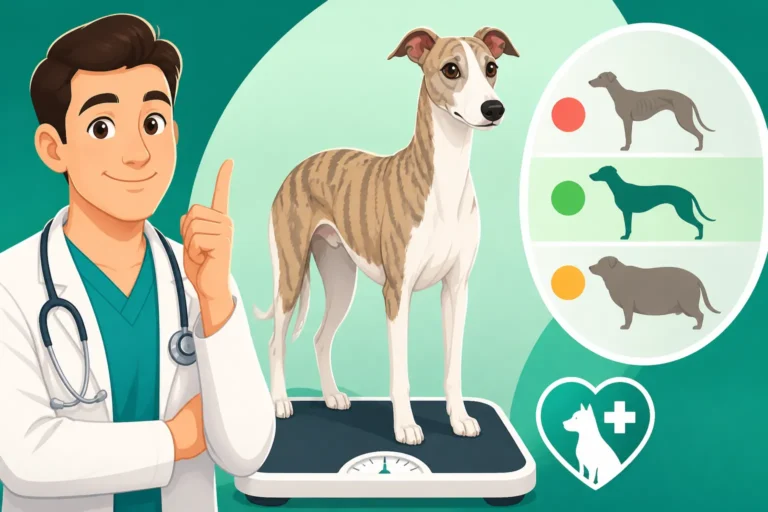
Whippets are built for speed, and part of that sleek design means they don't carry a lot of extra anything – especially not fat or a thick, insulating coat. Their skin is fine, their hair is short and close-lying, and they lack the undercoat that gives many other breeds their plush appearance and protection. This physical makeup, while perfect for sprinting, also makes them particularly susceptible to external factors that can lead to thinning hair, particularly in areas like the chest that often bear the brunt of contact with surfaces.
Understanding Whippet Anatomy and Coat Density
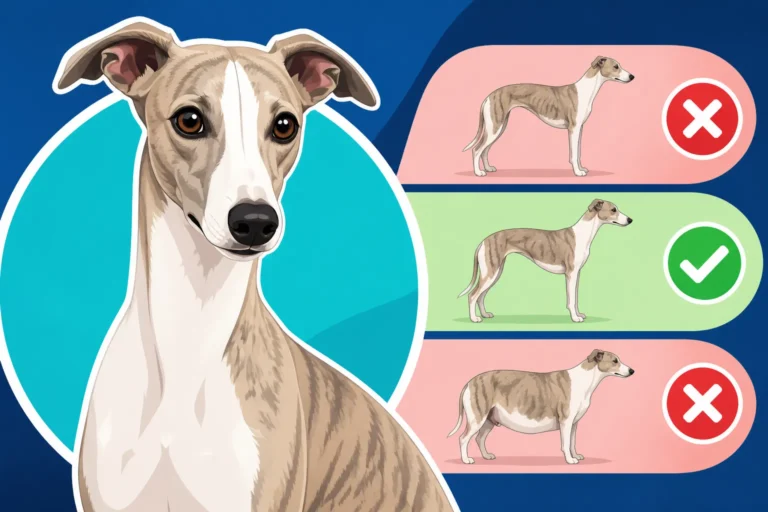
When you look at a Whippet, what you see is often a testament to their athletic build: prominent ribs, a deep chest, and a gracefully arched back. What you don't see much of is body fat or a dense fur coat. This isn't an oversight; it's by design. Their single layer of short hair, while incredibly soft, offers minimal insulation and padding. This is why you often find yourself looking for A Whippet Has No Insulation and No Padding options for them, even indoors, especially during cooler months. This natural lack of density means that any minor hair loss or thinning becomes much more noticeable compared to a double-coated breed.
Imagine your Whippet snuggling into their favorite bed or leaning against the arm of the sofa – these everyday actions put pressure and friction on their skin, particularly across the chest and elbows. For a dog with a thick coat, this might go unnoticed, but for a Whippet, it can gradually wear down the already sparse hair, making it appear even thinner. It's a common characteristic of sighthounds, and understanding this inherent delicacy is the first step in addressing any concerns.
Natural Hair Cycles and Shedding in Whippets
Even though Whippets are known for being low-shedding dogs, they still have natural hair growth and shedding cycles, just like any other canine. Their hair follicles go through phases of growth, rest, and shedding. While you might not find huge tumbleweeds of Whippet hair rolling across your floor, they do lose old hair to make way for new.
This shedding, combined with their naturally fine coat, can make certain areas look sparser during different times of the year or stages of their life. For instance, some owners notice a subtle increase in shedding during seasonal changes, or perhaps after a particularly stressful event. A good, healthy diet, such as those offered by brands like Ollie, can support a robust coat, but even with optimal nutrition, the fundamental nature of their fine hair means that areas of friction will often be the first to show signs of thinning or wear. It's not usually a dramatic baldness, but rather a gradual reduction in density that can catch your eye, especially on their delicate chest.
Common Culprits Behind a Thinning Chest Coat
When you notice a thinning patch on your Whippet's chest, it's easy to jump to conclusions and worry about serious health issues. While a vet visit is always recommended if you have concerns, many cases of thinning hair on a Whippet's chest are due to common, everyday factors related to their unique physique and habits. Understanding these can help you address the issue effectively.
Friction and Pressure Points
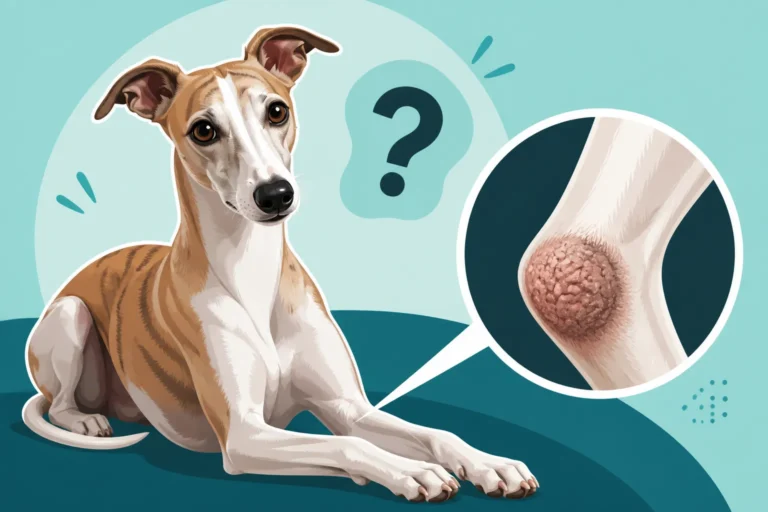
This is arguably the most common reason for a Whippet's chest coat to thin. Think about how your Whippet spends their day. Do they love to sprawl out on the floor, especially on hard surfaces? Do they lean heavily on furniture or against you when they're snuggling? All these actions create friction and pressure on their delicate skin and sparse coat, particularly over bony prominences like the sternum (chest bone) and elbows.
For a breed with minimal fat padding, continuous rubbing or pressure can cause the hair follicles in those areas to wear down, break, or even cease production temporarily. It's similar to how constant rubbing can create calluses on our own skin. This isn't usually painful for them, but it can certainly look concerning to a loving owner. You might notice these spots are a little redder or have a slightly different texture to the surrounding skin. Investing in comfortable, padded beds and blankets for every spot they love to lounge can make a huge difference in mitigating this. Check out Amazon or Chewy for a wide array of orthopedic or memory foam beds that can really protect those vulnerable areas.
Environmental Factors and Exposure
Whippets are not designed for harsh outdoor living. Their thin skin and lack of protective undercoat make them vulnerable to the elements. Prolonged exposure to cold, damp weather without adequate protection can stress their skin and coat. Similarly, sunburn is a real concern for these dogs, especially on light-colored or sparsely haired areas like the chest, which can lead to skin irritation and subsequent hair loss. Why a Whippet's Pink Skin Burns is a serious consideration, and protecting their skin from UV rays is just as important as keeping them warm.
Think about a Whippet who loves to zoom through tall grass or brambles. While they might enjoy the sprint, the constant brushing against rough vegetation can also abrade their delicate chest hair, leading to thinning. Even wearing ill-fitting coats or harnesses can contribute to friction-related hair loss in this area. It's a tricky balance between letting them be dogs and protecting their unique physical needs.
Dietary Deficiencies and Nutritional Support
A dog's coat is often a fantastic indicator of their overall health and nutrition. If a Whippet's diet is lacking in essential nutrients, particularly certain fatty acids, proteins, or vitamins, their coat can become dull, brittle, and start to thin. While Whippets are generally easy keepers when it comes to food, their high metabolism means they need quality fuel. Keeping Weight On a Whippet Without Making It Fat is a common challenge, but ensuring they get enough of the right kind of nutrients is paramount for skin and coat health.
For instance, Omega-3 and Omega-6 fatty acids are crucial for healthy skin and a shiny coat. If your dog's diet isn't providing enough of these, or if they have trouble absorbing them, you might notice a difference in their coat quality. Some owners explore adding supplements or switching to a higher-quality food to address this. Brands like Ollie focus on fresh, whole ingredients that can be excellent for supporting overall health, including skin and coat integrity. Always consult with your vet before making significant dietary changes or adding supplements, as they can help identify any specific deficiencies.
When to Worry: Differentiating Normal from Concerning Hair Loss
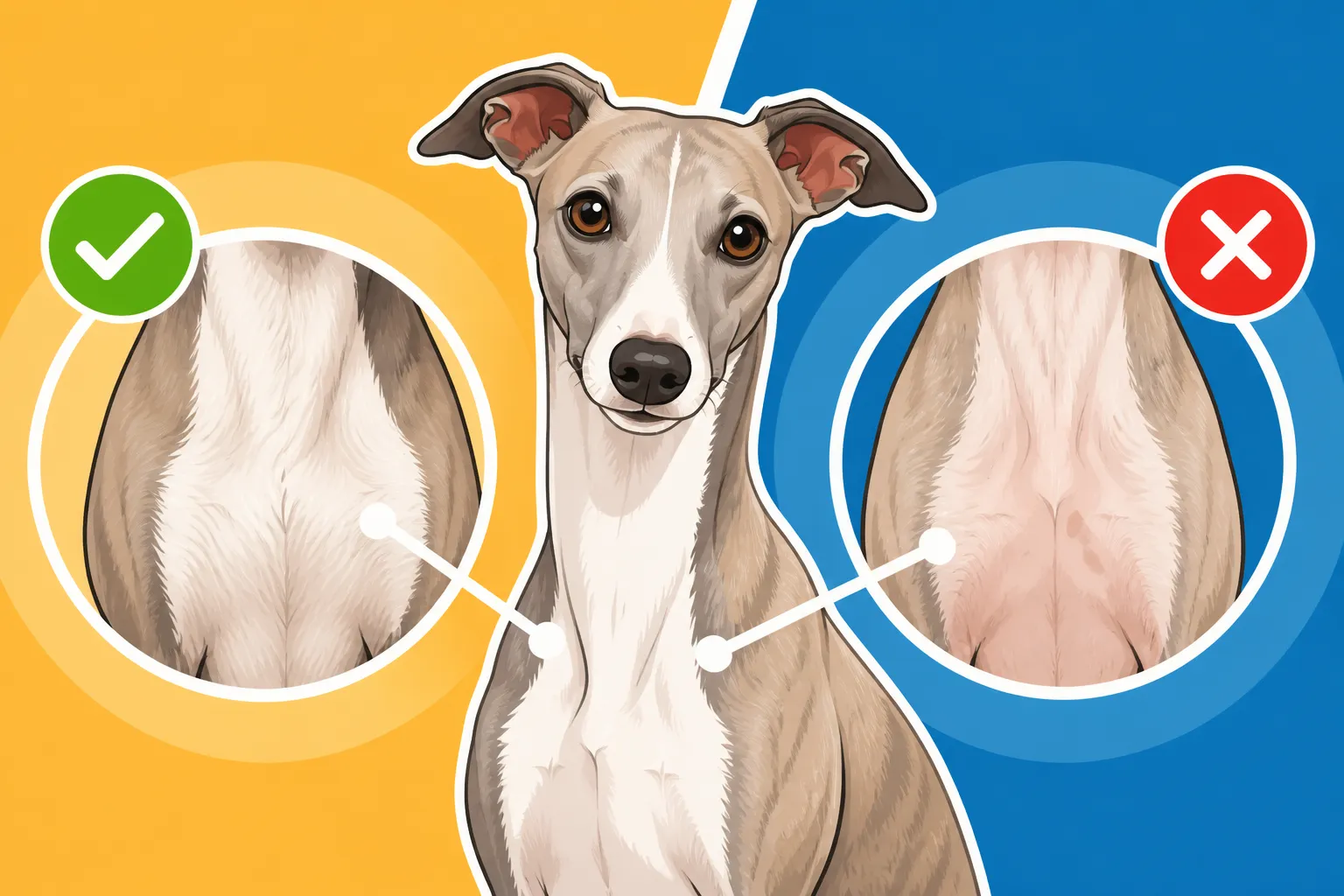
It’s one thing to observe a slightly thinner patch of fur on your Whippet’s chest due to everyday wear and tear; it’s another to notice signs that indicate a more serious underlying issue. While Whippets are predisposed to looking a bit "bare" in certain spots, knowing when to seek veterinary advice is crucial for their well-being. Look beyond just the absence of hair and pay attention to the condition of the skin underneath.
Signs of Skin Irritation or Infection
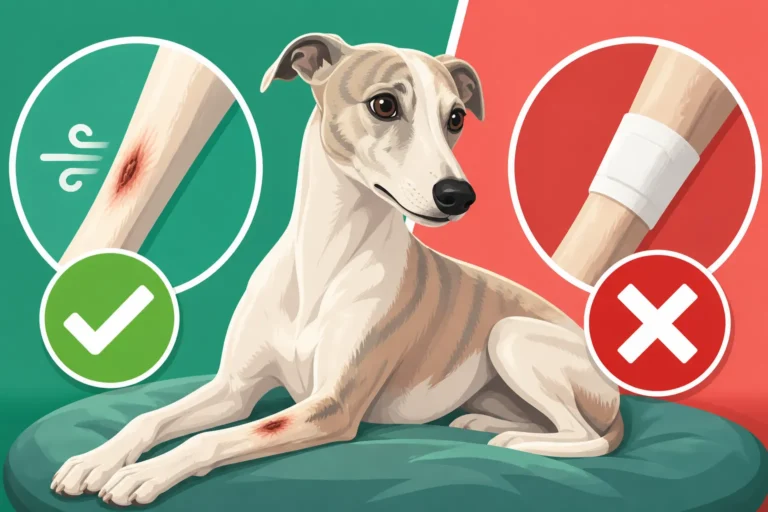
If the thinning area on your Whippet's chest isn't just less hairy but also looks red, inflamed, bumpy, scaly, or greasy, it’s time to call the vet. These are all potential indicators of skin irritation, allergies, or even an infection. Whippets have The Thin Skin That Sends a Whippet to the Vet for Stitches, which also means their skin can be more prone to various dermatological issues.
Here are some specific signs to watch for:
- Redness or Inflammation: The skin might look angry or feel warm to the touch.
- Pustules or Bumps: Small, pus-filled bumps or raised red areas could signal a bacterial infection (pyoderma) or folliculitis.
- Flaking or Scaling: Dry, flaky skin, often accompanied by itching, could point to conditions like Dandruff on a Whippet or fungal infections.
- Excessive Itching, Licking, or Chewing: If your Whippet is constantly bothering the area, they're clearly uncomfortable, and this behavior can further exacerbate hair loss and irritation.
- Changes in Skin Pigmentation: Darkening or thickening of the skin in the thinning area can sometimes indicate chronic irritation or certain endocrine issues.
- Odor: An unpleasant smell emanating from the thinned area is a strong indicator of an infection.
Any of these accompanying symptoms warrant a professional check-up to diagnose and treat the root cause, rather than just masking the symptoms.
Hormonal Imbalances and Other Health Issues
While less common for isolated chest thinning, generalized hair loss or specific patterns of hair loss can sometimes be a red flag for systemic health problems, including hormonal imbalances. Conditions like hypothyroidism (though The Hypothyroidism a Whippet Does Not Have is a common vet discussion point, true hypothyroidism can occur) or Cushing's disease can manifest as symmetrical hair loss, often starting on the flanks or trunk and sometimes affecting the chest.
Other health considerations include:
- Allergies: Environmental or food allergies can cause widespread itching and skin inflammation, leading to hair loss as the dog scratches, rubs, and licks themselves.
- Parasites: Fleas, mites (like demodex), or ringworm (a fungal infection) can all cause localized or widespread hair loss, often with accompanying irritation.
- Autoimmune Diseases: In rare cases, autoimmune conditions can affect the skin and hair follicles, leading to hair loss.
- Age-Related Thinning: Just like humans, some older Whippets might experience a general thinning of their coat as they age, though this is usually more widespread and uniform, not confined solely to the chest. Caring for an Old Whippet That Feels the Cold also means being mindful of their changing skin and coat needs as they mature.
If you notice that the thinning is symmetrical, spreading, or accompanied by other signs of illness (lethargy, changes in appetite or thirst, weight changes), don't hesitate to consult your veterinarian. They can perform diagnostic tests, such as skin scrapes, blood work, or biopsies, to get to the bottom of the issue and ensure your Whippet receives appropriate care.
Practical Solutions and Care for a Thinning Chest Coat
Once you've ruled out underlying medical conditions with your vet, focusing on practical management and supportive care can significantly help improve the appearance and health of your Whippet's chest coat. Many solutions revolve around protection, comfort, and good nutrition, all of which are vital for these lean, delicate dogs.
Protective Gear and Comfortable Bedding
Since friction is a primary culprit for thinning chest hair, minimizing it is key. This means being mindful of where and how your Whippet rests and plays.
- Soft Bedding Everywhere: Whippets crave comfort, and for good reason. They need soft, supportive places to lie down to protect their joints and their delicate skin. Ensure you have plenty of plush beds, blankets, and even padded crate mats available in all their favorite lounging spots. Look for orthopedic foam beds on Chewy or Amazon that distribute weight evenly, reducing pressure on the chest and bony areas. Why a Whippet Cannot Sleep on a Hard Floor is not just about comfort; it's about protecting their skin and body.
- Protective Clothing: When venturing outdoors, especially in cooler weather or areas with abrasive vegetation, consider a soft, well-fitting coat or vest. This acts as a barrier, protecting the chest from environmental friction and potential scrapes. There are many stylish and functional options specifically designed for the unique Whippet physique, often made from fleece or soft technical fabrics. The Wardrobe a Whippet Needs Because It Has No Body Fat is extensive, and a good chest protector can certainly be part of it. Ensure it fits well without rubbing or causing new friction points.
- Harness vs. Collar: If your Whippet pulls on the leash, a harness that distributes pressure across the chest (rather than a collar that can rub at the neck/upper chest) might be a better choice. However, even harnesses can cause friction if ill-fitting. Always ensure any harness is snug but not tight, and check regularly for any signs of rubbing or hair loss beneath the straps.
Nutritional Support for Skin and Coat Health
A healthy coat starts from within. Ensuring your Whippet receives a balanced diet rich in essential nutrients is fundamental.
- High-Quality Diet: Feed a premium dog food that lists real meat as the first ingredient. A diet rich in digestible protein and healthy fats provides the building blocks for healthy skin and hair. If you're considering a fresh food diet, Ollie offers customized meal plans that can be excellent for overall vitality, including coat health.
- Omega Fatty Acids: These are superstar nutrients for skin and coat. Supplementing with Omega-3 and Omega-6 fatty acids, often found in fish oil or flaxseed oil, can significantly improve skin hydration, reduce inflammation, and promote a healthier, shinier coat. Whether a Whippet Needs Fish Oil is a common question, and for many, the answer is yes, especially if they have sensitive skin or a thinning coat.
- Vitamins and Minerals: Ensure your dog's diet provides adequate levels of vitamins (especially A, E, and B-complex) and minerals (like zinc), which are all vital for skin and hair health. A balanced commercial diet usually covers these, but if you're feeding a homemade diet, ensure it's formulated by a veterinary nutritionist.
Grooming and Skin Care Routines
While Whippets don't require extensive grooming, thoughtful care can make a difference for their delicate skin and coat.
- Gentle Bathing: Bathe your Whippet only when necessary, using a mild, pH-balanced shampoo specifically formulated for sensitive skin. Over-bathing can strip natural oils, leading to dryness and irritation. After bathing, gently pat them dry rather than vigorous rubbing, which can cause friction.
- Regular Brushing: A soft rubber curry brush or a grooming mitt can help stimulate circulation, distribute natural oils, and remove loose hairs without irritating the skin. This can be a soothing ritual for your Whippet and helps you monitor their skin condition. How Often a Whippet Needs Brushing isn't much, but it's important.
- Moisturizing and Protection: For particularly dry or irritated patches, your vet might recommend a pet-safe moisturizer or balm. In sunny climates, using a pet-specific sunscreen on sparsely haired areas like the chest can prevent sunburn, which can lead to further thinning and discomfort.
Here's a quick comparison of common reasons for thinning hair on a Whippet's chest and how to approach them:
| Symptom / Observation | Most Likely Cause(s) | What to Look For | Action |
|---|---|---|---|
| Slightly sparse, no skin issue | Natural thin coat, friction, light shedding | Healthy skin, no redness/itching, consistent with wear | Soft bedding, protective coats, omega supplements |
| Redness, itching, flaky skin | Allergies, infection, parasites | Bumps, scabs, strong odor, excessive scratching | Vet visit for diagnosis (skin scrape, blood test), specific treatment (medication, special shampoo) |
| Symmetrical hair loss | Hormonal imbalance, systemic illness | Lethargy, weight changes, increased thirst/urination | Vet visit for diagnosis (blood work), medication for underlying condition |
| Dry, brittle coat overall | Nutritional deficiency, environmental dryness | Dull coat, occasional dandruff | Review diet quality, add omega supplements, ensure adequate hydration, humidifier in dry environments |
By being observant and proactive, you can ensure your Whippet's delicate chest remains as healthy and comfortable as possible. Remember, your vet is your best resource for any persistent or concerning changes in your Whippet's coat or skin health.
Disclaimer
This article is for general informational purposes only and does not constitute professional advice. Laws, prices and regulations vary by location and change over time. Consult a qualified professional for guidance on your specific situation.