Which Brush Suits a Whippet’s Coat
If you're a Whippet owner, you've probably stood in the pet aisle, staring at a wall of brushes and feeling utterly lost. It's tough trying to figure out which brush won't irritate their incredibly delicate skin or simply glide uselessly over their fine, sleek coat. This guide is here to cut through that confusion, helping you choose the right tools and techniques to keep your Whippet's coat gleaming and their skin healthy and happy.
Understanding Your Whippet's Unique Coat
A Whippet's coat isn't just "short" – it's a finely-tuned marvel of nature designed for speed and minimal drag. But what makes it so efficient on the track also makes it a bit of a puzzle for grooming. Forget everything you know about double-coated breeds or even most short-haired dogs; a Whippet is in a league of its own.
The Fine, Short, and Smooth Reality
Unlike many breeds, Whippets possess a single, extremely fine layer of hair. There's no thick undercoat to contend with, no fluffy insulation. Their coat lies close to their body, giving them that famously sleek and elegant silhouette. This means they don't have a lot of "padding," which is why you can often see their ribs and hip bones quite clearly, a natural characteristic that often surprises people unfamiliar with the breed. This lack of bulk also means their skin is very close to the surface, making them sensitive to harsh brushing. It's a fundamental part of Why a Whippet Has So Little Body Fat, and it dictates how we approach their grooming.
This fine texture also means that dirt and dust don't get trapped as easily as in a thicker coat. A quick run outside usually results in debris falling right off, rather than getting deeply embedded. However, this doesn't mean their coat is maintenance-free. It still sheds, and it still benefits immensely from regular care to distribute natural oils and promote a healthy shine. The smoothness is a joy to touch, but it also means some brushes simply won't grip the hairs effectively.
Minimal Shedding, Maximum Sensitivity
While Whippets are often touted as low-shedding, let's be realistic: every dog with hair sheds something. Whippets typically shed less than many breeds, but they do have periods of more noticeable shedding, especially seasonally. The hairs they do shed are short and fine, which can sometimes weave themselves into fabrics, making them surprisingly persistent despite their small size. Understanding How Much a Whippet Sheds Year Round helps set realistic expectations for your home.
The real challenge with a Whippet's coat isn't the volume of hair, but the sensitivity of the skin underneath. Their skin is quite thin and prone to tears and abrasions, an unfortunate reality that many Whippet owners discover firsthand. This means any grooming tool must be gentle. A brush that feels perfectly fine on a Labrador might be intensely irritating or even painful for a Whippet. We need to prioritize comfort and skin health above all else when selecting a brush.
Why Conventional Brushes Often Don't Work
Many standard dog brushes, like slicker brushes with their fine wire bristles or even some stiff-bristled brushes, are simply too harsh for a Whippet. Slickers can scratch their delicate skin, causing redness or even microscopic abrasions that can lead to discomfort or infection. Even brushes designed for short coats, if they have stiff bristles, can be too much.
Another common issue is that some brushes simply aren't effective. Those designed to de-shed thick undercoats, for instance, are useless on a Whippet, as there's no undercoat to remove. Others might just skim over the surface without actually removing loose hair or stimulating the skin. The goal for a Whippet isn't to "de-shed" in the traditional sense, but to gently remove loose hairs, distribute natural oils, and provide a light massage that encourages healthy skin and a shiny coat.
The Best Brushes for a Whippet's Coat
When it comes to grooming your Whippet, less is often more, and gentle is always key. The right tools will feel almost like a soothing massage for your sensitive companion.
Rubber Curry Brushes and Grooming Mitts
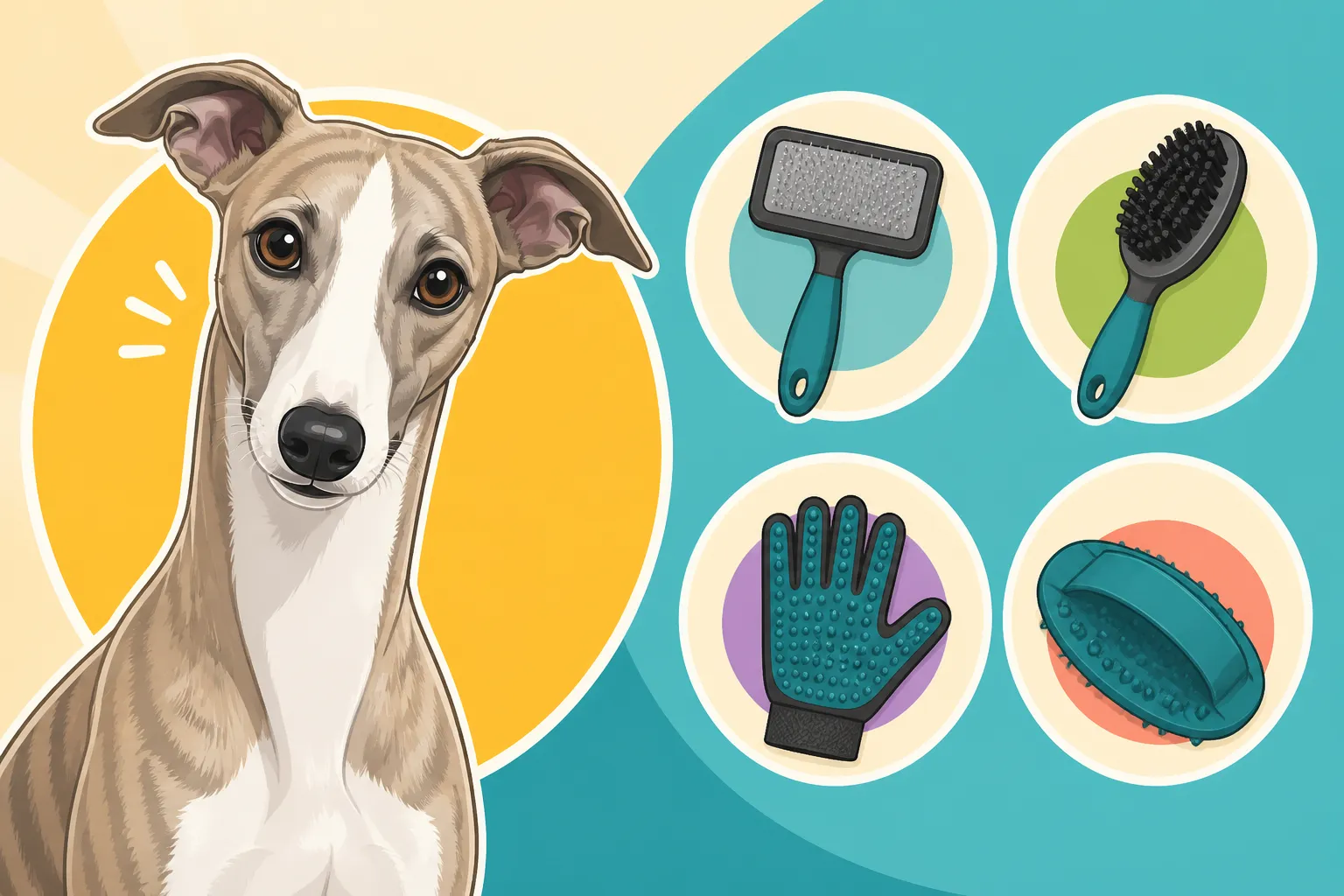
These are, hands down, the absolute heroes of Whippet grooming. Rubber curry brushes, sometimes called "zoom grooms," have soft, pliable rubber nubs that gently grab loose hair without scratching the skin. Grooming mitts offer a similar experience, often fitting over your hand like a glove, allowing you to "pet" away shedding hair.
Here's why they're perfect:
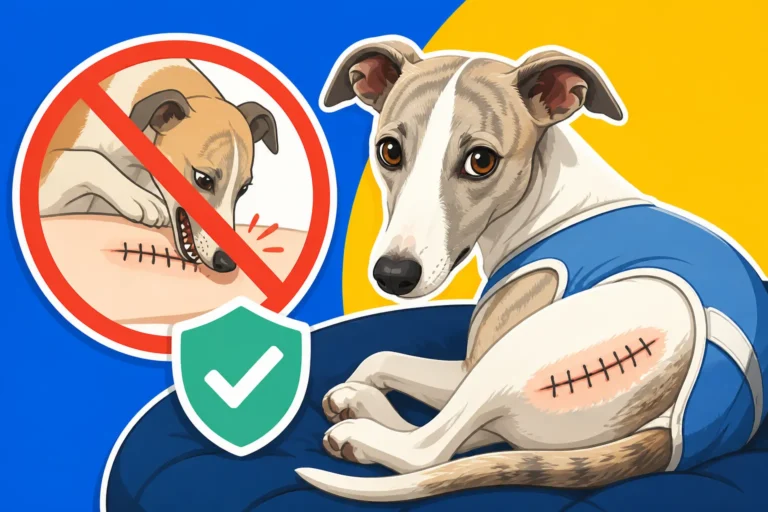
- Gentle on Skin: The soft rubber is flexible and won't irritate even the most sensitive Whippet skin. This is crucial for avoiding issues like The Thin Skin That Sends a Whippet to the Vet for Stitches from accidental snags.
- Effective Hair Removal: The nubs create static and friction, lifting loose, dead hairs from the coat efficiently. You'll be surprised how much hair these seemingly simple tools can collect.
- Stimulates Circulation: The gentle massaging action helps to stimulate blood flow to the skin, promoting healthy coat growth and oil distribution. This can contribute to a naturally shiny coat.
- Easy to Clean: Most rubber brushes are incredibly easy to rinse clean, making them hygienic and long-lasting. You can find excellent options for these on sites like Chewy or Amazon, often available in various colors and sizes.
To use one, simply make short, firm strokes in the direction of hair growth. For areas like the belly or inner thighs where the skin is extra thin, use an even lighter touch. You'll see a little pile of fine hairs gather on the brush or mitt, which you can then easily peel off and discard. It’s a rewarding feeling to remove all that loose fur without causing any discomfort to your sensitive friend.
Soft Bristle Brushes
While rubber brushes are excellent for removing loose hair, a soft bristle brush serves a different, equally important purpose: polishing the coat to a brilliant shine. Think of it as the finishing touch after the main shedding removal.
- Polishing Power: The natural or synthetic soft bristles help to distribute the natural oils across the coat, enhancing its luster and making it incredibly smooth to the touch. This is a big part of why A Whippet Has No Insulation and No Padding – their coat is all about sleekness, and a soft brush brings that out.
- Gentle Touch: Just like with the rubber brush, the key here is softness. Look for brushes with densely packed, very soft bristles, often marketed for puppies or dogs with delicate coats.
- Light Shedding: For very light, everyday shedding, a soft bristle brush can also pick up some loose hairs, though it won't be as efficient as a rubber curry for heavier shedding periods.
Use a soft bristle brush with long, sweeping strokes over the entire body after you've used your rubber brush. It's a lovely way to bond with your Whippet and give their coat that extra healthy glow. You might even find they quite enjoy the sensation, leaning into your strokes.
Microfiber Towels and Grooming Cloths
These aren't brushes in the traditional sense, but they are incredibly useful tools for Whippet coat care and deserve a spot in your grooming kit. A clean, soft microfiber towel or a dedicated grooming cloth can work wonders.
- Dust and Dirt Removal: Whippets love to lounge on everything and explore every nook and cranny. A damp (not wet) microfiber cloth is excellent for wiping away dust, loose dander, and light dirt that can accumulate on their coat, especially after a nap in a dusty sunbeam or a romp in the park.
- Enhancing Shine: A dry microfiber cloth can be used to buff the coat, much like a soft bristle brush, to bring out its natural sheen. It's particularly good for a quick touch-up before guests arrive or if you just want to admire that classic Whippet gleam.
- Quick Dry After Rain: If your Whippet has been out in the rain and doesn't want a full bath, a highly absorbent microfiber towel can quickly wick away moisture from their short coat. This is especially helpful since The Whippet That Will Not Toilet in the Rain might try to rush back inside as soon as possible.
Keep a few of these handy. They're inexpensive and can be machine washed, making them a practical addition to your routine. Just a few strokes can make a noticeable difference in how clean and shiny your Whippet looks and feels.
Here's a quick comparison of the best tools for your Whippet's coat:
| Tool Type | Primary Use | Key Benefit for Whippets | Ideal Frequency | Where to Find |
|---|---|---|---|---|
| Rubber Curry Brush | Removing loose hair, gentle massage | Extremely gentle, stimulates circulation | 2-3 times a week, or as needed | Pet stores, Chewy, Amazon, online pet retailers |
| Grooming Mitt | Removing loose hair, bonding | Very gentle, feels like petting | 2-3 times a week, or as needed | Pet stores, Chewy, Amazon, online pet retailers |
| Soft Bristle Brush | Polishing coat, distributing natural oils | Enhances natural shine, light shedding removal | Daily, or several times a week | Pet stores, Chewy, Amazon, online pet retailers |
| Microfiber Towel/Cloth | Dusting, quick cleaning, buffing for shine | Highly absorbent, lifts dirt, no irritation | Daily, or as needed | General stores, Amazon, auto care sections |
Brushing Techniques and Routine for a Whippet
Having the right tools is only half the battle; knowing how to use them effectively and kindly is just as important. With a Whippet, their sensitive nature extends to their grooming experiences.
Gentle Does It
This cannot be stressed enough: gentleness is paramount when brushing a Whippet. Their skin is so thin, and they have so little body fat for cushioning, that harsh pulling or scrubbing can quickly cause discomfort or even minor injuries. Imagine trying to brush your own inner arm with a stiff brush – that's often how a Whippet's skin feels with an inappropriate tool.
Always use a light hand. If using a rubber curry, apply just enough pressure for the nubs to engage the hair, but not to dig into the skin. For a soft bristle brush, let the bristles glide over the coat. Pay extra attention to bony areas like hips, shoulders, and spine, where there's even less padding. If your Whippet flinches, pulls away, or shows any sign of discomfort, ease up immediately. The goal is a pleasant experience, not a wrestling match. Over time, your Whippet will learn to trust the process, often relaxing into the strokes and enjoying the attention.
Making it a Positive Experience
Grooming should be a bonding experience, not a chore. Start brushing your Whippet early, especially if you get them as a puppy. Introduce the brush slowly, letting them sniff it. Begin with very short sessions, just a few strokes, followed by praise and a tiny, high-value treat. Gradually increase the duration as they become more comfortable.
Choose a quiet time when your Whippet is relaxed, perhaps after a walk or a cuddle session on the sofa. Speak to them in a calm, soothing voice. If they seem nervous, don't force it. Try again later, or with a different, even softer tool. Associate brushing with positive things – a favorite blanket, a gentle scratch behind the ears, or a small piece of their favorite training treat. Making it enjoyable will make future grooming much easier and reinforce your bond. This positive reinforcement is key to success in many aspects of The First Year With a Whippet Puppy, including grooming.
Beyond Brushing: Other Coat Care Tips
While brushing is important, a healthy coat is also a reflection of overall well-being.
- Bathing: Whippets generally don't need frequent bathing. How Many Baths a Year a Whippet Needs is usually quite low, perhaps every few months or when they've genuinely rolled in something offensive. Their short coats repel dirt well, and over-bathing can strip essential oils, leading to dry skin. When you do bathe them, use a mild, moisturizing shampoo specifically formulated for sensitive skin, like those found on Chewy or Amazon. Remember, Which Shampoo Suits a Whippet's Thin Skin is important, as many human or harsh dog shampoos can cause irritation.
- Skin Health: Keep an eye out for any dry patches, flakiness, or redness. Whippets can sometimes get dandruff, especially in dry climates or during shedding periods. Dandruff on a Whippet can often be managed with a good diet and occasional moisturizing rinses. If you notice persistent skin issues, it's always best to consult your vet. They might recommend specific supplements or treatments.
- Diet and Supplements: What goes in often shows on the outside. A high-quality diet rich in omega fatty acids can significantly contribute to a healthy, shiny coat. Some owners find that adding fish oil or other skin-and-coat supplements helps maintain their Whippet's luster. If you're exploring fresh food options for your Whippet, brands like Ollie often emphasize quality ingredients that support overall health, including coat condition. Discussing Whether a Whippet's Coat Shines With Fish Oil with your vet can also be beneficial.
- Regular Checks: Use brushing time as an opportunity to perform a quick "health check." Run your hands over your Whippet's entire body, feeling for any new lumps, bumps, scratches, or tenderness. Check their paws for any cuts or foreign objects, and gently look at their ears and eyes. Early detection of issues can save a lot of trouble down the line.
When a Brush Isn't Enough: Addressing Coat Concerns
Sometimes, even with the best brushing routine, you might notice something isn't quite right with your Whippet's coat. This can be a sign of underlying issues that go beyond the surface.
Dealing with Excessive Shedding
While Whippets are generally low-shedders, "excessive" shedding for them might still be less than an average retriever. However, if you notice a sudden, significant increase in shedding beyond their normal seasonal cycles, it's worth investigating. Stress, diet changes, hormonal imbalances, allergies, or even certain medical conditions can contribute to increased hair loss.
A good brush will help manage the loose hair, but it won't stop the underlying cause. If your Whippet is shedding unusually heavily, review their diet, consider any recent changes in their environment or routine, and keep an eye out for other symptoms. Sometimes, improving their diet or adding a quality omega supplement can make a difference. However, if it persists, a vet visit is warranted to rule out medical issues. Understanding How Much a Whippet Sheds gives you a baseline for what's normal for the breed.
Dry Skin and Dull Coat
A Whippet's coat should have a natural, healthy sheen. If it looks dull, dry, or your Whippet is experiencing flaky skin, it often points to a few possibilities:
- Environmental Factors: Dry winter air, low humidity, or even harsh household cleaners can dry out a Whippet's skin. Consider a humidifier in your home if the air is particularly dry.
- Dietary Deficiencies: A diet lacking essential fatty acids or other vital nutrients can quickly show up in the coat. Ensuring your Whippet is on a high-quality, balanced diet is fundamental. Sometimes, enriching their diet with a supplement like fish oil can dramatically improve coat health.
- Over-Bathing or Harsh Products: As mentioned, too frequent bathing or using the wrong shampoos can strip the skin of its natural protective oils, leading to dryness. Revisit your bathing frequency and product choices.
- Underlying Health Issues: Less commonly, certain health conditions can manifest as dry skin or a dull coat. If dietary and environmental adjustments don't help, a vet check-up is a good idea to ensure there are no other medical concerns. For overall well-being, including coat health, it’s helpful to think about What a Whippet Needs Every Day in terms of nutrition and care.
Spotting Skin Issues During Brushing
Brushing isn't just about making your Whippet look good; it's also a fantastic opportunity for early detection of potential skin problems. Because their coat is so short and their skin so visible, you have a distinct advantage in noticing things quickly.
As you brush, pay close attention to:
- Redness or Irritation: Any unusual redness, especially in areas where they might scratch or lick.
- Lumps, Bumps, or Lesions: Feel for anything new or unusual under the skin. Whippets can develop various skin growths, some benign, some not. Catching them early is always best.
- Scratches or Cuts: Their thin skin means they can easily get nicks and scrapes from running through brush or even bumping into furniture. Keep an eye out for these. If you find a wound, gentle cleaning and observation are key, and for anything deep or gapping, it's time for Skin First Aid Every Whippet Owner Should Know and potentially a vet visit.
- Parasites: While less common for indoor Whippets, always check for fleas or ticks, especially after outdoor excursions.
- Hair Loss Patches: Areas where the hair seems to be thinning or missing could indicate allergies, fungal infections, or other issues.
Making brushing a regular part of your routine means you'll become very familiar with your Whippet's normal skin and coat. This familiarity is your best tool for noticing when something is amiss, allowing you to address it promptly and keep your beloved Whippet healthy and comfortable.
Disclaimer
This article is for general informational purposes only and does not constitute professional advice. Laws, prices and regulations vary by location and change over time. Consult a qualified professional for guidance on your specific situation.