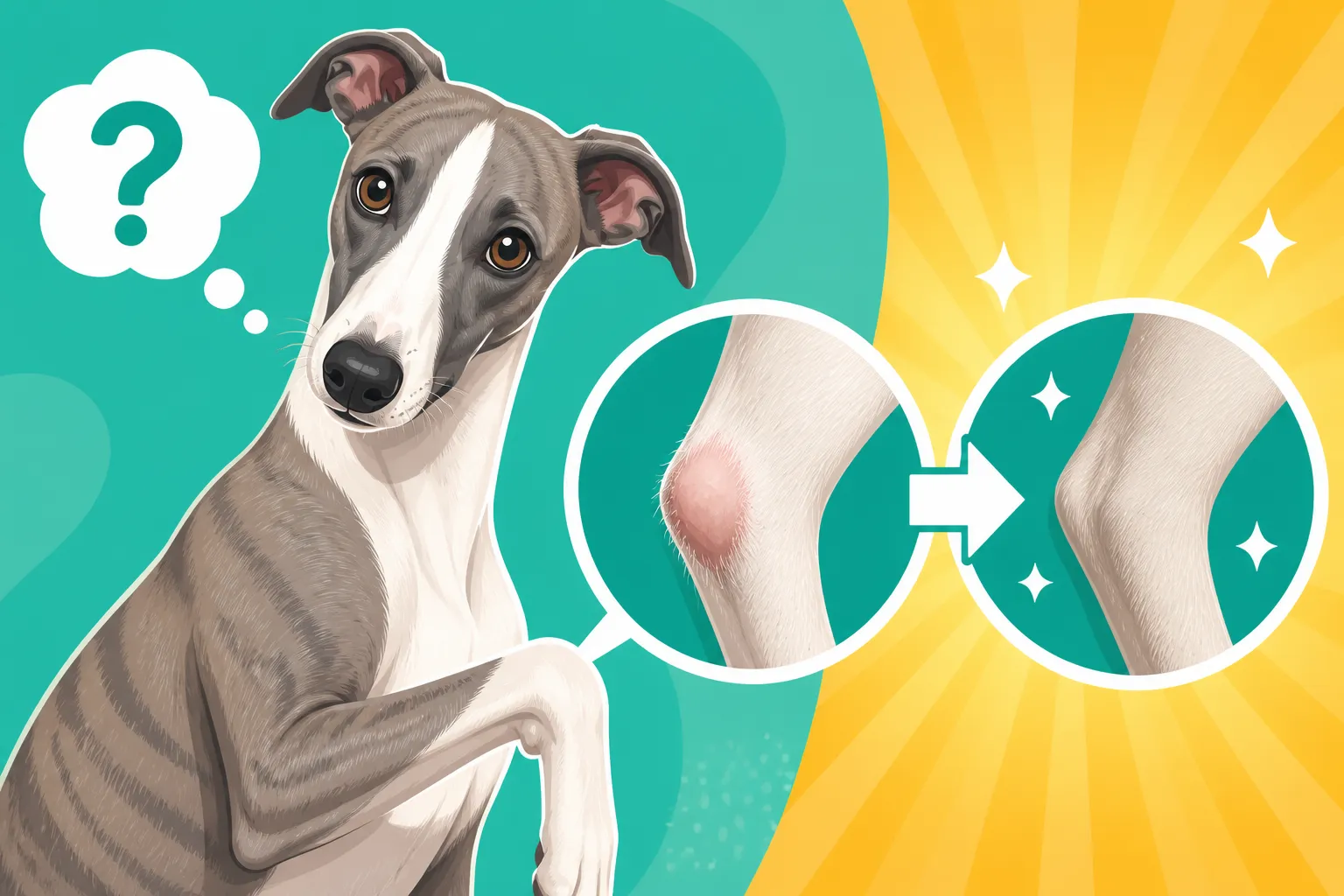
Whether a Whippet’s Bald Elbows Grow Hair Back
It's a common sight for us Whippet owners, isn't it? You look down at your beloved, sleek companion, and there they are: those tell-tale bald patches on their elbows. It’s natural to worry if your dog is uncomfortable or if it’s a sign of something more serious, and of course, you want their beautiful, soft coat to be uniform. This guide is here to walk you through why these bald spots appear, what to expect regarding hair regrowth, and most importantly, how to keep your Whippet comfortable and minimize the issue.
Understanding Why Whippets Get Bald Elbows in the First Place
Let's be honest, Whippets are built like finely tuned athletes, not fluffy pillows. Their unique physiology makes them particularly prone to certain skin issues, and bald elbows are right up there on the list. It’s not a reflection of poor care; it’s simply part of their breed specific needs.
The Natural Lack of Padding and Thin Skin
One of the most defining characteristics of a Whippet, and a big part of what makes them so wonderfully elegant, is their incredibly lean build. They don't have layers of fat or thick undercoats to cushion their joints. Think about your own elbows – they're bony, right? Now imagine if you spent a good portion of your day lying on them directly on hard surfaces. That’s essentially what your Whippet experiences.
Their skin, particularly over these bony prominences, is also notoriously thin and delicate. It's fantastic for speed and agility, allowing for maximum flexibility, but it's not designed for constant abrasion or pressure. This combination of minimal natural padding and fine skin means those elbows are always going to be vulnerable. When they lie down, all their weight is concentrated on small areas, and those elbows often bear the brunt. It’s just the physics of a sighthound's body at rest.
Constant Pressure and Friction: The Culprits
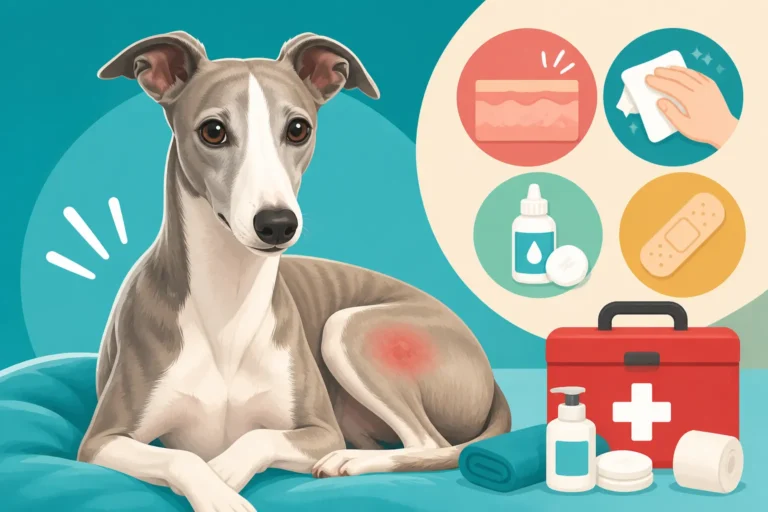
So, if their joints are naturally exposed, what exactly causes the hair loss? It boils down to relentless pressure and friction. Every time your Whippet lies down on a hard floor – hardwood, tile, even a thinly carpeted area – those elbows are pressed against a firm surface. This constant pressure restricts blood flow to the hair follicles in that area, effectively starving them of the nutrients they need to produce hair.
Beyond just pressure, there’s also friction. As your Whippet shifts, gets up, and lies back down, their elbows rub against the surface. Over time, this rubbing acts like a slow, steady erosion, wearing away the delicate hair shafts and eventually damaging the follicles themselves. It’s a cumulative effect; a single nap on the tile won’t cause baldness, but months and years of it certainly will. This is the same mechanism that leads to The Pressure Sores a Whippet Gets From Sleeping on the Floor on other bony spots like their hocks or hips. It’s not just about what they sleep on, but how often and for how long.
Contributing Factors Beyond Just Hard Surfaces
While hard surfaces are the primary culprits, other factors can exacerbate the problem or contribute to it.
- Age: As Whippets get older, their skin can become even thinner and less elastic. They might also spend more time resting due to lower energy levels or developing arthritis, increasing the duration of pressure on their elbows. An older dog might also have slightly less muscle mass, making those bony points even more prominent.
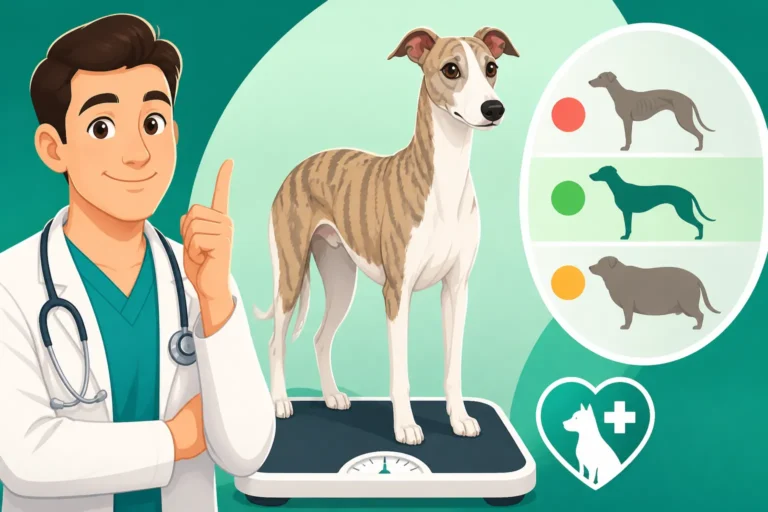
- Weight: While Whippets are typically lean, an overweight Whippet will place even more pressure on their joints when lying down. Conversely, an extremely underweight Whippet might also be more prone as there's even less soft tissue to cushion the bones. Maintaining a healthy What Body Condition Score a Whippet Should Be is always important for their overall health, including their skin.
- Activity Level: Surprisingly, very active Whippets might experience more friction from frequent lying down and getting up, especially if they're often doing it on rougher surfaces outdoors after a good run. However, the biggest factor remains the choice of indoor resting spots.
- Genetics: Some Whippets might simply have more delicate skin or a predisposition to thinner coats, making them more susceptible to these issues even with good care.
It's a combination of these elements that often leads to those shiny, hairless elbows we've all come to recognize.
Can the Hair Grow Back? Managing Expectations
This is the million-dollar question for many Whippet owners. The short answer is: sometimes, partially, or not at all. It really depends on the extent of the damage and how long the baldness has been present.
The Challenge of Regrowth in Callused Areas
When the hair loss is minor, perhaps just a bit of thinning, and it's caught early, you might see some regrowth. This is usually when the pressure has only temporarily suppressed the hair follicles. However, if the bald spot has been there for a while and has developed into a firm, thickened, or even grayish patch of skin – what we call a callus – then the chances of full hair regrowth are significantly lower.
Calluses form as the body's protective response to chronic pressure and friction. It's essentially a buildup of scar tissue and thickened skin designed to protect the underlying bone. Unfortunately, this thickened, often tougher skin often means the hair follicles underneath have been permanently damaged or even destroyed. Imagine trying to grow grass on a concrete path – it's just not going to happen. The skin structure itself has changed, making it very difficult for new hair to sprout.
So, while the hair might not fully return to a callused area, the goal shifts: prevent it from getting worse and ensure the skin remains healthy and comfortable.
What You Can Do to Encourage Hair Regrowth (and Prevent Further Loss)
Even if full regrowth isn't a guarantee, there's a lot you can do to support the skin and hair follicles, and most importantly, prevent existing thin areas from becoming full-blown calluses.
The absolute number one strategy is pressure relief. This means making sure your Whippet has ample, soft, and supportive bedding everywhere they like to rest. If they're currently sleeping on the hard floor, that needs to change immediately. You'd be amazed at how much difference truly orthopedic or memory foam beds can make. Consider having multiple options around the house. Check out stores like Chewy or Amazon for a wide selection of orthopedic dog beds that cater to larger, bonier breeds.
Beyond bedding, consider these steps:
- Moisturize Regularly: Just like human skin, canine skin can benefit from moisturizing, especially in dry, callused areas. Look for dog-specific paw balms or skin conditioners that are safe if licked. These can help keep the skin supple and less prone to cracking.
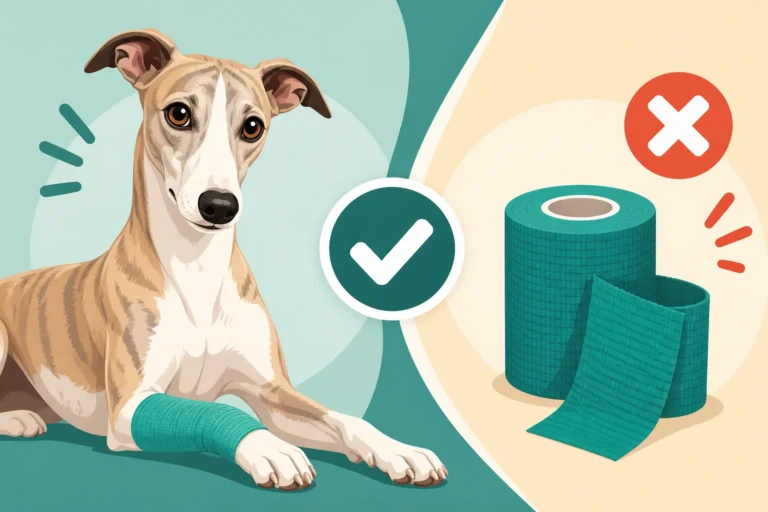
- Protect the Area: If your Whippet is particularly prone to new bald spots or has thin areas, you might consider protective sleeves or light wraps during certain activities or if they insist on lying on a less-than-ideal surface occasionally. However, ensure these are breathable and don't restrict movement or cause irritation. If you're out in rougher terrain, perhaps a coat that covers the elbows could help; Whether a Whippet Should Wear a Coat in Cover can offer protection not just from cold but also from scrapes.
- Gentle Cleaning: Keep the area clean and free from dirt or debris that could cause irritation or infection. Use a soft cloth and mild, dog-safe cleanser if needed.
The key is consistency. It won't happen overnight, but diligent care can make a significant difference over several months.
When Baldness Might Be More Than Just Pressure
While bald elbows are usually a mechanical issue for Whippets, it's crucial to be aware that hair loss can sometimes signal a deeper health problem. It's rare for bald elbows alone to be a symptom of a systemic illness, but if you notice other symptoms, or if the hair loss is widespread, symmetrical, itchy, or accompanied by skin changes like redness, inflammation, or sores, it's time for a vet visit.
Conditions that can cause hair loss include:
- Allergies: Environmental or food allergies can lead to itchy skin and excessive licking or chewing, resulting in hair loss.
- Parasites: Fleas, mites (like demodex), or other external parasites can cause intense itching and subsequent hair loss.
- Fungal or Bacterial Infections: Ringworm or bacterial skin infections can manifest as patchy hair loss, often with redness, scaling, or pustules.
- Hormonal Imbalances: Conditions like hypothyroidism (underactive thyroid) can cause symmetrical hair loss, dull coats, and other symptoms. While Whippets can have low thyroid readings that are normal for the breed, actual hypothyroidism is different. The Hypothyroidism a Whippet Does Not Have explains this nuance. Cushing's disease (overproduction of cortisol) is another hormonal condition causing hair loss, often with thin, fragile skin.
- Nutritional Deficiencies: While less common in dogs on a balanced commercial diet, severe nutritional deficiencies can impact coat health.
If you're ever in doubt, a quick trip to the vet for an assessment is always the safest bet. They can rule out underlying medical conditions and provide tailored advice.
Practical Steps for Supporting Elbow Health and Potential Regrowth
Okay, so we've talked about why it happens and what to expect. Now, let's get down to the nitty-gritty of practical, everyday care that makes a real difference for your Whippet's elbows.
Prioritizing Comfort: The Bedding Revolution
This cannot be stressed enough: soft, supportive bedding is paramount for a Whippet. It’s not a luxury; it’s a necessity for their physical comfort and long-term joint health. If your Whippet is habitually choosing hard floors, it’s not because they prefer it; it’s likely because they don’t have a bed that truly satisfies their need for comfort, or it's not placed where they want to be. Why a Whippet Cannot Sleep on a Hard Floor is something every owner should understand.
- Memory Foam or Orthopedic Beds: These are often the gold standard for Whippets. They distribute weight evenly, reducing pressure on bony points. Look for beds with dense foam that won't flatten quickly. Many brands offer excellent orthopedic options. You can find a vast array on sites like Chewy or Amazon, with customer reviews often highlighting how well they support sighthound builds.
- Deep, Soft Crates and Nests: Whippets love to burrow and feel secure. Consider a deep, soft crate bed or a nesting bed with high bolsters that they can lean into. The bolsters also offer a soft surface for their elbows if they choose to rest that way.
- Strategic Placement: Observe where your Whippet likes to nap. Do they follow the sunbeam? Do they prefer to be near you in the living room? Place comfortable beds in these favored spots. Don't just have one bed; consider having several throughout the house. How Many Beds a Whippet Needs in a House is probably more than you think!
- Soft Blankets Everywhere: Even with the best beds, Whippets might occasionally opt for a spot on the couch or a rug. Keep soft blankets readily available that they can bunch up or burrow under. These add an extra layer of cushioning wherever they choose to settle.
Think of it as creating a soft landscape for your dog, where a comfortable resting spot is never more than a few steps away.
Skin Care and Topical Support
Even with the best bedding, regular attention to the skin on your Whippet's elbows can help maintain its health and potentially aid in any regrowth efforts.
- Daily Inspection: Make it a habit to gently feel and look at your Whippet's elbows (and hocks, hips, etc.) during your daily cuddles. Look for any new thinning, redness, dryness, cracking, or signs of irritation. Early detection means early intervention.
- Moisturizing Balms: Apply a dog-safe moisturizing balm or cream to the bald or callused areas once or twice a day. Products containing ingredients like shea butter, coconut oil, vitamin E, or specific formulations for rough skin can be very beneficial. These help to keep the skin hydrated and flexible, preventing it from becoming dry, flaky, or cracking, which can lead to secondary infections.
- Avoid Harsh Products: When bathing your Whippet, use a mild, pH-balanced dog shampoo. Avoid harsh soaps or chemicals that could further dry out or irritate their delicate skin.
- Consider Sleeves (with caution): For active dogs or those prone to severe calluses, a soft, breathable elbow sleeve might offer an extra layer of protection, especially when outside or if they have a favorite rough spot they insist on lying on. However, ensure it fits well without being too tight, allows air circulation, and doesn't cause chafing or overheating. Remove it regularly for skin inspection.
The goal here is to nourish the skin, making it a healthier environment for any potential hair follicles that are still viable.
Nutritional Support and Overall Health
While diet alone won't magically regrow hair on a severely callused elbow, a well-balanced diet supports overall skin and coat health, which can contribute to the body's ability to repair and regenerate.
- High-Quality Diet: Ensure your Whippet is eating a high-quality, complete, and balanced dog food appropriate for their life stage and activity level. A diet rich in essential fatty acids, vitamins, and minerals is crucial for healthy skin and a shiny coat.
- Omega Fatty Acid Supplements: Omega-3 and omega-6 fatty acids are fantastic for skin health. Many owners add fish oil supplements to their Whippet's diet. Whether a Whippet Needs Fish Oil is a common question, and for skin and coat, the answer is often yes! These can help reduce inflammation and promote a healthy skin barrier. Brands like Ollie often emphasize fresh, wholesome ingredients that contribute to overall well-being, including skin health.
- Maintain a Healthy Weight: As mentioned earlier, being overweight puts more pressure on joints. Ensuring your Whippet maintains an ideal body condition reduces stress on their bony prominences, aiding in prevention and potentially recovery. Keeping Weight On a Whippet Without Making It Fat is a delicate balance, but a crucial one.
A holistic approach, combining external care with internal support, gives your Whippet the best chance for healthy skin and coat.
Living With Bald Elbows: Acceptance and Ongoing Care
After all the efforts, you might still find your Whippet's elbows don't fully regain their fur. And that's okay. For many Whippet owners, a certain degree of baldness on the elbows becomes a normal, accepted part of their dog's unique appearance.
Acceptance as Part of the Whippet Experience
It's easy to fixate on these cosmetic imperfections, especially when you want the very best for your dog. However, it's important to remember that bald elbows are incredibly common in Whippets and other sighthounds due to their anatomy. Unless the skin is red, inflamed, cracked, painful, or infected, these bald spots are generally a cosmetic concern, not a sign of discomfort or neglect.
Instead of seeing them as a flaw, you can view them as a "badge of honor" – a testament to your Whippet's active life and love for napping in all their favorite spots. Your focus should shift from achieving perfect regrowth to ensuring their comfort and preventing any complications. Whether a Whippet Gets Calluses on Its Elbows is a question with a very common answer: yes, they do. It’s part of having a Whippet.
Long-Term Management and Monitoring
Even if the hair doesn't grow back, ongoing care remains vital. Callused skin can be prone to dryness and cracking, especially in winter or dry climates, which can then become painful or lead to infection.
- Continued Bedding Vigilance: Never let up on providing ample soft bedding. This is your primary defense against further skin issues.
- Regular Moisturizing: Continue with daily or every-other-day application of a good quality skin balm to keep the calluses soft and pliable. This prevents them from becoming brittle and cracking.
- Watch for Changes: Keep an eye on the bald spots. Any sudden changes in size, texture, color, or if they become warm to the touch, swollen, or painful, warrant a vet check.
Think of it as routine maintenance, much like you would care for their teeth or nails.
When to Consult Your Veterinarian
While bald elbows are often benign, there are specific instances when you should absolutely reach out to your vet:
- Sudden Onset of Hair Loss: If the baldness appears suddenly and rapidly, rather than gradually over time.
- Widespread Hair Loss: If hair loss occurs in multiple areas beyond just the elbows, or appears symmetrically on both sides of the body.
- Itching or Discomfort: If your Whippet is licking, chewing, or scratching the bald areas, indicating discomfort or an underlying skin condition.
- Skin Changes: If the skin becomes red, inflamed, crusty, flaky, develops sores, pustules, or smells unpleasant. These could be signs of infection or other dermatological issues.
- Thickening, Cracking, or Bleeding: If calluses become very thick, crack open, or start to bleed, they need veterinary attention to prevent infection.
- Associated Symptoms: If the hair loss is accompanied by other signs of illness, such as lethargy, changes in appetite or thirst, weight loss, or changes in behavior.
- Lumps: Any new Lumps Worth Checking on a Whippet that appear on or near the bald areas should always be investigated by a vet.
Your vet can perform a skin scraping, fungal culture, blood tests, or other diagnostics to rule out medical causes for hair loss and recommend appropriate treatment if needed. Sometimes, what seems like a simple cosmetic issue can be a window into their overall health, so trust your gut if you feel something isn't quite right.
Choosing Supportive Bedding for Your Whippet
Here’s a quick overview of bedding types and their benefits for your Whippet’s sensitive joints.
| Bedding Type | Pros | Cons | Best For |
|---|---|---|---|
| Memory Foam/Orthopedic | Excellent pressure distribution, contours to body, durable | Can be more expensive, some dogs find them too firm initially | Older Whippets, those with joint issues, preventing elbow calluses |
| Deep Bolster Beds | Provides sense of security, soft edges for head/elbow rest, cozy | Can take up more space, some filling can flatten over time | Whippets who love to nest or lean, adding extra elbow support |
| Soft Crate Pads/Mats | Versatile for crates or floor, often washable, portable | May not offer enough thickness for primary resting spot if thin | Crate training, travel, adding a layer to existing beds |
| Plush/Shag Beds | Incredibly soft and inviting, good for burrowing | Can flatten over time, harder to clean thoroughly, may retain heat | Whippets who prioritize softness, additional comfort layer |
| Thick Fleece Blankets | Very versatile, cheap, easy to wash, can be layered for extra padding | Requires multiple layers for true support, can get pushed around | Adding comfort to any surface, burrowing, quick cover |
This article is for general informational purposes only and does not constitute professional advice. Laws, prices and regulations vary by location and change over time. Consult a qualified professional for guidance on your specific situation.