Foods That Are Dangerous to a Whippet
It’s a natural human instinct to share, especially with our beloved Whippets who gaze up with such hopeful, endearing eyes. But the truth is, many common human foods that we enjoy daily can be surprisingly toxic, even deadly, for our sensitive sighthound companions. Accidentally causing harm when you only wanted to offer a treat is a deeply frustrating and scary scenario no Whippet owner ever wants to face. This guide will meticulously walk you through the most dangerous foods you must keep away from your Whippet, helping you understand why they are harmful and empowering you to keep your slender, precious friend safe and healthy.
The Hidden Dangers in Your Kitchen for Your Whippet
Many of us love to share our meals or snacks with our beloved Whippets. Their expressive eyes and hopeful nudges can be incredibly hard to resist, especially when they’ve mastered that silent, soulful stare that says, "Just a tiny piece, please?" But what's perfectly fine, or even healthy, for humans can be incredibly toxic, even deadly, for dogs, especially a sensitive breed like a Whippet. It's not just about choking hazards or a mild upset stomach; many common ingredients contain compounds that wreak havoc on their different digestive systems and metabolisms. We need to be vigilant because even small amounts can sometimes cause significant issues, leading to emergency vet visits that are never fun for anyone involved.
Chocolate, Coffee, and Caffeine: The Stimulant Threat
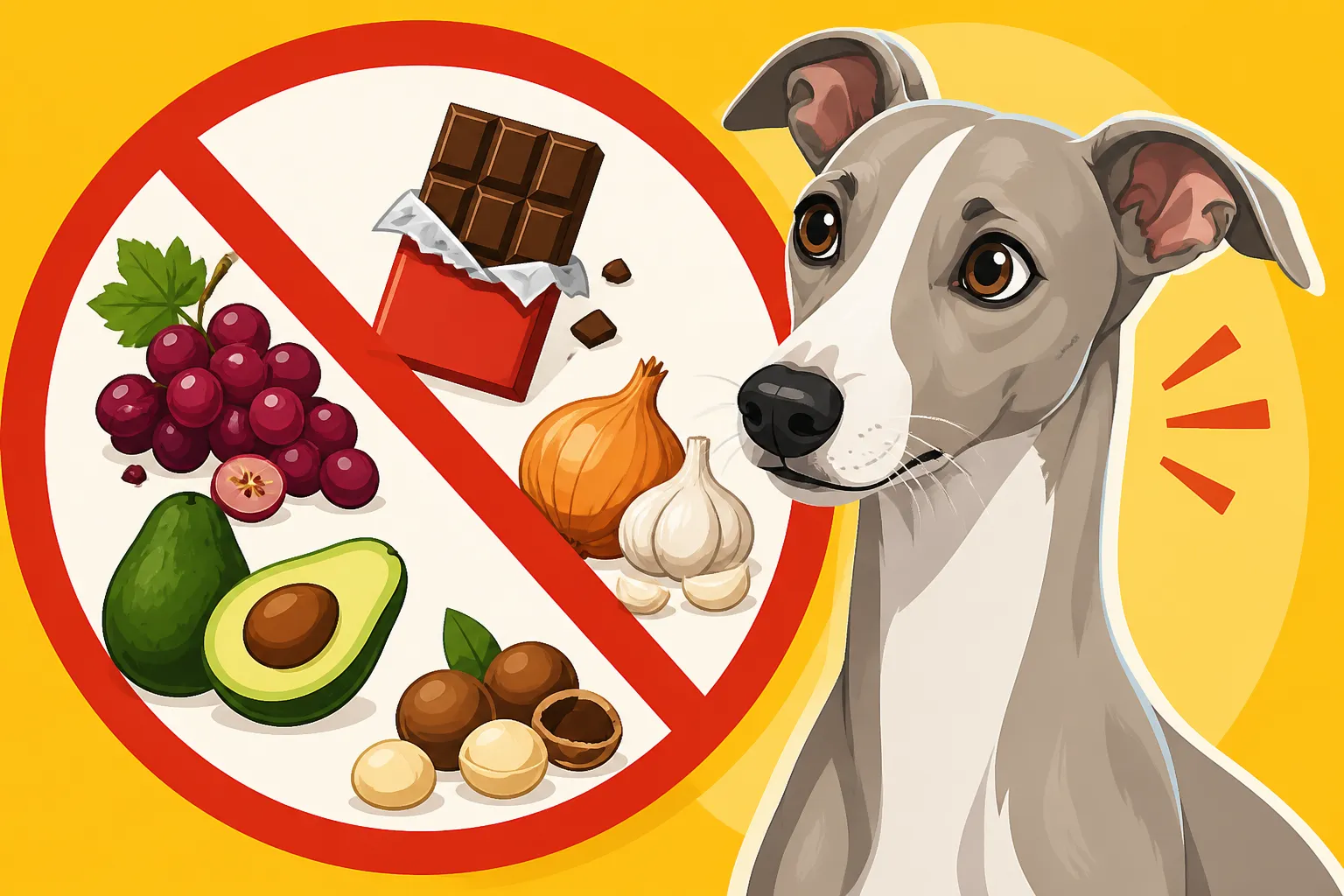
Let's start with one of the most well-known culprits: chocolate. It’s practically dogma in the dog-owning world, but do you know why it's so dangerous? The culprit is a stimulant called theobromine, which dogs metabolize much more slowly than humans. This means it stays in their system for longer, building up to toxic levels. Caffeine, found in coffee, tea, and energy drinks, acts similarly and is also highly toxic.
Whippets, with their lean body mass and often higher metabolism, can be particularly sensitive to these stimulants. Dark chocolate and baking chocolate contain the highest concentrations of theobromine, making them the most dangerous. Even a small square of high-cocoa chocolate accidentally dropped on the floor and quickly gobbled up by a curious Whippet can lead to serious problems. Symptoms can range from mild hyperactivity, vomiting, and diarrhea to more severe issues like tremors, seizures, an elevated heart rate, and even death in extreme cases. If your Whippet manages to get into something like this, don't wait to see if symptoms develop. Early intervention can make a huge difference. Sometimes, these incidents can even lead to other injuries if your Whippet becomes disoriented or hyperactive, occasionally necessitating a trip to the vet where something like The Thin Skin That Sends a Whippet to the Vet for Stitches might even come into play if they bump into something during a seizure.
Grapes and Raisins: A Mysterious and Potent Toxin
Grapes and raisins are perhaps one of the most perplexing and frightening toxins for dogs because the exact mechanism of their toxicity remains largely unknown. What is known, however, is that even a small handful of grapes or a few raisins can cause acute kidney failure in some dogs. There's no correlation between the amount ingested and the severity of the reaction, meaning one dog might eat a whole box of raisins and be fine, while another might eat a single grape and end up in critical condition. There's also no known "safe" amount for any dog.
For a Whippet, this means zero tolerance. If your child drops a few grapes, or if you accidentally leave a bowl of raisins within reach, the risk is immediate and severe. Symptoms often begin with vomiting and lethargy within a few hours, followed by increased thirst, reduced appetite, and abdominal pain. As kidney damage progresses, dogs may stop producing urine altogether. It's a terrifying prospect because kidney damage can be irreversible. While Whippets thankfully generally don’t suffer from The Kidney Disease a Whippet Does Not Have that some other breeds do, grape and raisin toxicity is a specific and devastating assault on their kidneys that needs immediate veterinary attention. Your vet will likely want to check The Bloodwork Numbers That Look Wrong on a Healthy Whippet to assess kidney function right away.
Common Produce and Pantry Staples to Avoid
It’s tempting to think that fruits and vegetables are always healthy, being natural and often low in calories. However, several common ones can be highly problematic for our Whippets. Similarly, some everyday pantry items that we use without a second thought can be lethal. It's crucial to know these because they're often overlooked when people consider pet safety, and they’re so ubiquitous in our kitchens.
Onions, Garlic, Leeks, and Chives: The Allium Family's Bite
The entire allium family – that includes onions, garlic, leeks, and chives – is toxic to dogs. The danger lies in compounds called thiosulphates, which can cause oxidative damage to a dog's red blood cells. This leads to hemolytic anemia, a condition where red blood cells are destroyed faster than they can be produced. Unlike humans, dogs lack the enzyme necessary to properly digest these compounds, making them especially vulnerable.
The form of the allium doesn't matter; raw, cooked, dehydrated, or powdered – all are equally dangerous. This means that onion powder in seasonings, garlic in pasta sauces, or even the remnants of a leek and potato soup can pose a significant risk. For a Whippet, a breed already predisposed to unique bloodwork quirks where Why a Whippet's Red Cell Count Runs High is often normal, this kind of blood cell destruction can be particularly alarming. Symptoms might not appear immediately, sometimes taking several days to manifest. Look out for lethargy, weakness, pale gums, dark red or brown urine, rapid breathing, and of course, vomiting and diarrhea. If you suspect your Whippet has ingested any amount of these, don't delay in contacting your vet.
Xylitol: The Silent Killer Sweetener
Xylitol is arguably one of the most dangerous and insidiously common toxins found in modern households. It’s a sugar alcohol used as an artificial sweetener in an ever-growing list of "sugar-free" products: chewing gum, mints, candies, baked goods, sugar-free peanut butter, certain toothpastes, mouthwashes, and even some vitamin supplements. For humans, it's a calorie-friendly alternative to sugar. For dogs, it’s a silent killer.
When a dog ingests xylitol, their pancreas mistakes it for real sugar and rapidly releases a massive amount of insulin. This causes a sudden and severe drop in blood sugar (hypoglycemia), which can be life-threatening within minutes. In higher doses, xylitol can also cause acute liver failure. Because Whippets are generally on the smaller side, even tiny amounts can be incredibly dangerous. Imagine giving your Whippet a spoonful of peanut butter as a treat, not realizing you grabbed a sugar-free variety containing xylitol – it's a heartbreaking scenario. Symptoms of xylitol poisoning include vomiting, weakness, staggering, disorientation, tremors, seizures, and collapse. It's crucial to diligently check labels on everything before sharing with your Whippet, especially anything marketed as "sugar-free." For safe and delicious dog treats and food, reputable pet stores like Chewy or even the pet sections on Amazon offer plenty of xylitol-free options. While we strive to provide our Whippet with What a Whippet Needs Every Day for a healthy life, accidental exposure to something like xylitol can quickly undo all that good care.
Avocado: Persin and Digestive Upset
Avocado is a bit more nuanced than other toxins, as its danger level can vary. The main concern is a fungicidal toxin called persin, which is found in the leaves, bark, skin, and especially the pit of the avocado. While many sources state that the flesh of the avocado is less toxic to dogs than to other animals like birds or horses, it can still cause digestive upset in some dogs, including our sensitive Whippets.
The bigger risks with avocado for dogs are often mechanical. The large pit is a serious choking hazard and can cause a dangerous intestinal blockage if swallowed whole, which a curious Whippet might attempt. The high fat content in the flesh can also be problematic, potentially leading to pancreatitis if ingested in large quantities, especially for dogs not accustomed to rich foods. While a tiny, plain piece of avocado flesh might be tolerated by some Whippets, it's generally best to avoid it completely to prevent any risks. This is especially true given that sighthounds can sometimes be prone to serious gastrointestinal issues like Bloat in a Whippet, so avoiding anything that might trigger an upset stomach is a wise move.
Miscellaneous Hazards and Precautions
Beyond specific food items, there are other household dangers and general practices that can put your Whippet at risk. Awareness of these broader categories is just as vital for maintaining a safe home environment, particularly for a breed that often has access to all areas of the house, from counter-surfing to burrowing under blankets on the sofa.
Alcohol, Yeast Dough, and Macadamia Nuts
These three items might seem like an odd grouping, but they share the common thread of being frequently overlooked household dangers:
- Alcohol: This might seem obvious, but alcohol is present in more than just alcoholic beverages. Some desserts, fermented foods, and even rising yeast dough can contain alcohol. Even small amounts can cause significant intoxication in dogs, leading to vomiting, diarrhea, central nervous system depression, tremors, disorientation, difficulty breathing, coma, and even death. Whippets, being relatively small, can be severely affected by even a tiny lick of a spilled drink.
- Yeast Dough: Raw yeast dough is a double threat. If ingested, it will continue to rise and expand in your Whippet's warm stomach, causing severe gas, pain, and potentially a life-threatening condition similar to bloat. As the yeast ferments, it also produces alcohol, leading to alcohol poisoning. This means you have two serious issues compounding each other, creating a true emergency.
- Macadamia Nuts: While the exact toxic agent in macadamia nuts remains unknown, they can cause serious issues for dogs. Symptoms typically appear within 12 hours and include weakness, depression, vomiting, tremors, hyperthermia (elevated body temperature), and lameness, particularly in the hind limbs. While usually not fatal, the experience is incredibly unpleasant for your dog and frightening for you. It's best to keep all nuts out of reach, but macadamia nuts are particularly problematic. This is another reason why creating The Household a Whippet Was Built For means being mindful of what’s within paw’s reach.
Bones, Fat Trimmings, and Dairy
These are items often thought of as "dog treats" but can be incredibly hazardous:
- Cooked Bones: While dogs love to chew on bones, cooked bones are brittle and can splinter easily. These sharp fragments can cause choking, lodge in the throat, puncture the esophagus or intestines, or cause severe constipation and rectal bleeding. It’s always safer to stick to appropriate chew toys or raw, non-weight-bearing bones specifically recommended by your vet or a knowledgeable pet nutritionist, though even raw bones carry risks of bacterial contamination and tooth fractures.
- Fat Trimmings: That delicious fatty layer from your roast or steak might seem like a tasty treat, but feeding fat trimmings to your Whippet can lead to a severe and painful condition called pancreatitis. This is an inflammation of the pancreas, an organ crucial for digestion and hormone regulation. Pancreatitis causes intense abdominal pain, vomiting, diarrhea, lethargy, and fever, often requiring hospitalization. To avoid this, and to ensure you’re Keeping Weight On a Whippet Without Making It Fat, always trim excess fat from any meat you might consider sharing.
- Dairy: Many dogs are lactose intolerant, meaning they lack the enzyme needed to digest lactose, the sugar in milk. While a small amount of plain yogurt might be fine for some, giving your Whippet milk, cheese, or ice cream can lead to digestive upset, including diarrhea and vomiting. It’s just not worth the risk of a messy situation, especially for a sensitive Whippet stomach. When considering Feeding a Whippet That Sprints and Then Sleeps, lean meats and appropriate kibble are always safer choices than dairy.
What to Do in an Emergency
Even the most careful owners can have an accident. Maybe a bag of groceries falls open, or a guest unknowingly gives your Whippet a forbidden treat. These things happen, and knowing what steps to take immediately can make all the difference for your Whippet's health and recovery. Panic is a natural reaction, but swift, informed action is truly crucial.
Immediate Steps and Contacting Your Vet
If you suspect your Whippet has ingested a toxic food, do not wait to see if symptoms develop. Time is often of the essence in these situations.
- Call Your Vet Immediately: Your regular veterinarian is your first point of contact during business hours. If it's after hours, call your nearest emergency veterinary clinic. Keep their numbers easily accessible, perhaps even saved in your phone.
- Gather Information: Be prepared to tell the vet:
- What your Whippet ate (be as specific as possible – e.g., "a chocolate chip cookie" rather than just "chocolate").
- How much they ate (e.g., "three cookies," "about half a bag of grapes").
- When they ate it (e.g., "about an hour ago," "sometime this morning").
- The ingredients list if you have the packaging (especially important for things like xylitol).
- Your Whippet's approximate weight.
- This information helps the vet assess the risk and determine the best course of action.
- Do NOT Induce Vomiting Without Vet Instruction: While inducing vomiting can sometimes be helpful, it can also be dangerous depending on the substance ingested, your dog's health, and how long ago they ate it. Some substances can cause more harm coming back up, and some Whippets might even be at higher risk for aspiration. Your vet will provide specific instructions if they deem it safe and necessary.
- Stay Calm (as much as possible): It's terrifying when your dog is in danger, but staying as calm as you can will help you think clearly and follow your vet's instructions precisely. They are there to help you and your Whippet.
Having a good relationship with your vet is invaluable, especially as What a Sighthound Vet Costs Over a Whippet's Life can be a significant investment over time. They know your Whippet and their specific needs. Remember, a poisoning emergency, much like Emergency Stitches: the Whippet Bill Nobody Budgets For, is one of those unexpected, high-stress situations where professional help is non-negotiable.
Common Toxic Foods and Their Dangers
To help you keep track, here's a quick reference table of common toxic foods and the issues they can cause for your Whippet. This isn't an exhaustive list, but it covers the most frequent culprits.
| Food Item | Primary Danger | Potential Symptoms |
|---|---|---|
| Chocolate, Caffeine | Theobromine & Caffeine toxicity (stimulant) | Hyperactivity, tremors, seizures, heart issues, vomiting, diarrhea |
| Grapes & Raisins | Unknown nephrotoxin (kidney failure) | Vomiting, lethargy, increased thirst, abdominal pain, decreased urine output |
| Onions, Garlic, Leeks | Thiosulphates (red blood cell damage, anemia) | Lethargy, weakness, pale gums, dark urine, vomiting, diarrhea |
| Xylitol | Rapid insulin release (hypoglycemia, liver failure) | Vomiting, weakness, staggering, seizures, collapse, jaundice, bleeding |
| Alcohol | Ethanol poisoning (CNS depression, organ damage) | Vomiting, diarrhea, disorientation, tremors, coma, breathing difficulty |
| Yeast Dough | Bloat, gas, alcohol intoxication | Abdominal distension, pain, retching, disorientation, weakness |
| Macadamia Nuts | Unknown toxin (neurological/digestive) | Weakness, lameness, vomiting, tremors, fever |
| Avocado (pits/skin/leaves) | Persin (digestive upset), Choking hazard | Vomiting, diarrhea (less severe in dogs), obstruction from pit |
| Cooked Bones | Splintering, choking, internal injury | Choking, vomiting, diarrhea, constipation, rectal bleeding |
| Fat Trimmings | Pancreatitis | Severe abdominal pain, vomiting, diarrhea, lethargy, fever |
Keeping your Whippet safe from dangerous foods comes down to constant vigilance and a little bit of knowledge. It’s easy to get complacent, especially when your Whippet seems to tolerate something once, but the risks are simply too high to take chances. Always assume that human foods are off-limits unless you are absolutely certain they are safe for dogs. Stick to high-quality dog foods and treats, and always double-check ingredient lists if you're ever unsure. Brands like Ollie offer carefully formulated, human-grade dog food, and of course, trusted retailers like Chewy and Amazon offer a wide array of safe and delicious options specifically designed for our canine companions. By being informed, you're not just preventing illness; you're actively protecting the precious bond you share with your unique and wonderful Whippet.
Disclaimer
This article is for general informational purposes only and does not constitute professional advice. Laws, prices and regulations vary by location and change over time. Consult a qualified professional for guidance on your specific situation.