Getting Weight On a Whippet That Will Not Eat
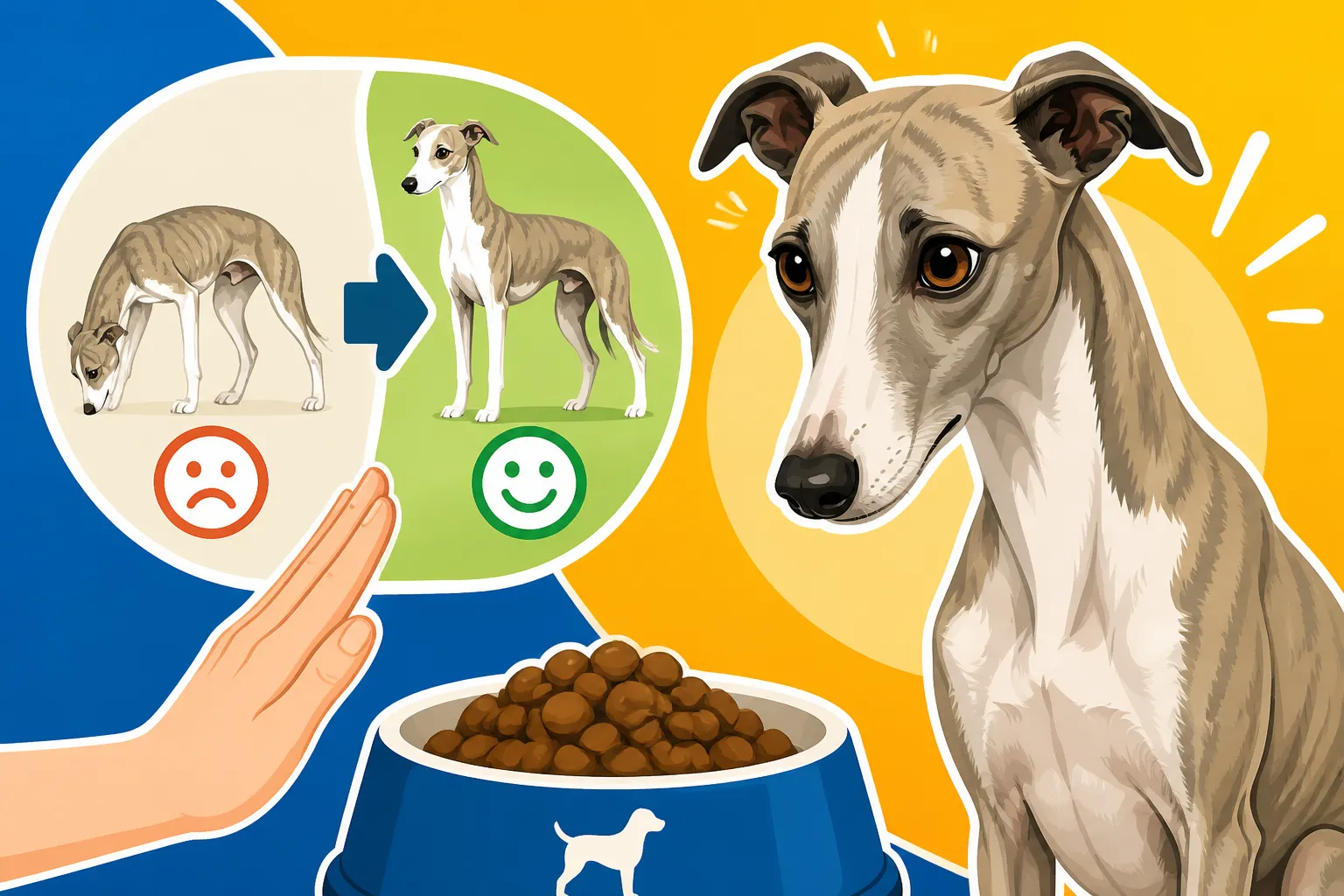
It’s a scenario many of us Whippet owners have faced, and it’s enough to make your heart sink: you’ve put down a perfectly good bowl of food, and your sleek, beautiful Whippet, who should be devouring it with gusto, just sniffs it disdainfully and walks away. For a breed that already looks so lean, it's incredibly worrying when they decide to go on a hunger strike, leaving you wondering if they're getting enough nutrients or if something serious is going on. This guide is all about helping you navigate the frustrating and often confusing world of the picky Whippet, offering practical steps and insights to get your beloved companion eating well again.
Understanding Why Your Whippet Might Be a Picky Eater
When your Whippet turns their nose up at food, the immediate panic is often, "Are they too thin?" This is a perfectly natural concern, especially with a breed that carries so little body fat. But differentiating between a naturally lean Whippet and one that is genuinely underweight or unwell is the first crucial step.
The Whippet's Natural Leanness vs. Actual Underweight
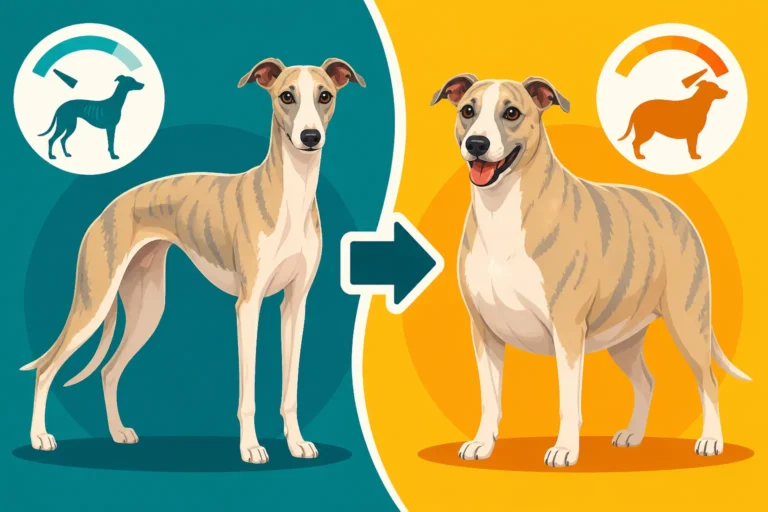
Let’s be honest, we’ve all had those well-meaning strangers comment on our Whippets, asking if we feed them enough. It's frustrating, isn't it? They just don't understand that a Whippet should be lean. Their physiology is built for speed, not for carrying extra insulation. You should typically be able to see the last few ribs, and their hip bones might be visible, especially when they stretch or move a certain way. This is normal. This is healthy. This is a Whippet.
However, there's a fine line between healthy leanness and being genuinely underweight. If your Whippet's spine feels sharp and prominent with no muscle covering, or if their hip bones protrude significantly, that's a red flag. A quick way to gauge this is by gently running your hands over their sides. You should be able to feel their ribs easily, but they shouldn't feel like they're poking out sharply with no flesh over them. You might find our post on Feeling a Whippet's Ribs and Hip Bones helpful in getting a clearer picture. It really helps to know what to look for and what is considered healthy for the breed, which is often different from what people expect in other dog breeds. Sometimes, just checking your dog against a visual body condition score chart can reassure you or confirm your worries. Understanding How Thin a Whippet Should Look is vital for any Whippet owner.
Common Reasons for Food Aversion Beyond Pickiness
It's easy to label a non-eating Whippet as "picky," but often, there's more to it than just a preference for gourmet dining. Many factors can impact appetite, and some are more serious than others.
One common, yet often overlooked, issue is dental pain. Imagine trying to enjoy your favorite meal with a toothache! Whippets are unfortunately prone to dental disease, and even a small amount of discomfort from a decaying tooth, gingivitis, or a cracked tooth can make eating painful enough to deter them. If your Whippet starts dropping food, chewing on one side, or showing sensitivity around their mouth, it’s worth a vet check. Our article Teeth Are the Whippet Problem That Sneaks Up goes into detail about this silent issue. Sometimes, the only sign might be a change in breath, so if you're wondering Whether a Whippet's Bad Breath Means Dental Disease, it's definitely something to investigate further.
Beyond dental issues, stress and anxiety can play a huge role. Whippets, for all their speed and strength, can be surprisingly sensitive souls. A change in routine, a new pet or family member, loud noises, or even feeling unwell can cause them to go off their food. They might not show overt signs of stress, but a lack of appetite can be an indicator. Even subtle gastrointestinal upset, parasites, or a mild infection can temporarily reduce their desire to eat. It’s also possible you’re simply overfeeding them with treats or table scraps between meals, inadvertently reducing their hunger for their actual food. And sometimes, they genuinely get bored of the same old kibble day in and day out!
Environmental Factors Affecting Appetite
Believe it or not, where and how your Whippet eats can significantly impact their willingness to clear their bowl. These are often easy fixes that can make a big difference.
Consider the dining environment: is it a busy, noisy part of the house? Some Whippets prefer a quiet, low-traffic area where they can eat without feeling rushed or observed. Eating too soon after a strenuous play session or a big sprint in the park might also be a factor; some dogs need a little time to settle down before they're ready to eat. The type of bowl matters too – some dogs dislike metal bowls, or bowls that are too deep and press against their whiskers.
Also, think about your presence. Some Whippets are "social eaters" and feel more comfortable eating when their people are nearby, providing a sense of security. Others might feel pressured if you're hovering too closely. It’s a delicate balance to observe without making them feel scrutinised. Have they always eaten alone, or is this a new habit? A change in their eating habits can sometimes be traced back to subtle shifts in their daily environment or routine.
Strategies for Encouraging a Reluctant Whippet to Eat
Once you've ruled out immediate medical concerns (or are working with your vet on them), it's time to get creative with food motivation. There are many tricks up a Whippet owner's sleeve when it comes to tempting a finicky eater.
Making Mealtime More Appealing
Sometimes, the simplest changes can make the biggest difference. Think about what makes food appealing to humans – aroma, temperature, texture. The same applies to our Whippets!
One often effective strategy is warming their food slightly. A little warmth can release the aromas of the food, making it much more inviting. You can do this by adding a bit of warm water or low-sodium chicken broth to kibble, or gently warming wet food in the microwave (just be sure to check the temperature thoroughly to avoid hot spots). If you're wondering about specific temperatures, our guide on Warming Food to Get a Whippet Eating has some great tips.
Adding enticing toppers can also work wonders. Think about a spoonful of plain canned pumpkin (not pie filling!), a drizzle of fish oil, some cooked, shredded chicken, or a little cottage cheese. These can transform a boring meal into something exciting. Brands like Chewy offer a fantastic array of kibble toppers, freeze-dried meats, and wet food mixers that can pique a Whippet's interest without drastically changing their diet.
Don't be afraid to experiment with different types of food textures and forms. If your Whippet is used to kibble, maybe a good quality wet food or a fresh food diet like Ollie could be the game-changer. Some Whippets thrive on a rotational diet where they get different proteins or brands every few weeks to keep things interesting. Just remember to introduce new foods slowly to avoid upsetting their stomach. For a really stubborn eater, sometimes Hand Feeding a Reluctant Whippet can re-establish a positive association with mealtime and make them feel more secure. This personal interaction can often bypass their initial reluctance.
Finally, consider their feeding schedule. While many adults eat twice a day, some Whippets might do better with three smaller meals, especially if they’re prone to skipping. Consistency is key, but don't be afraid to adjust the timing slightly to see what works best for your dog. For puppies, the meal schedule is especially critical, as covered in The Meal Schedule a Whippet Puppy Needs, but even for adults, a consistent routine helps build anticipation for food.
Addressing Environmental and Behavioral Hurdles
Beyond the food itself, the way you present the meal and the environment in which it's offered can greatly influence your Whippet's appetite.
Creating a calm, consistent eating space is paramount. If your Whippet is eating in a high-traffic area, try moving their bowl to a quieter corner of the kitchen or even a separate room during mealtimes. This can reduce distractions and allow them to focus on eating. If you have multiple pets, ensure each dog has their own space and isn't feeling competitive or stressed by the presence of other animals.
Consider the type of bowl. Some Whippets prefer a shallow dish, while others might appreciate a raised feeder, especially as they get older, to alleviate neck strain. If your Whippet tends to bolt their food (which is usually the opposite problem of pickiness, but worth noting for some), a slow feeder bowl might technically be an option, but for a truly picky eater, a wide, easily accessible bowl is usually better. The main thing is to find something comfortable and non-threatening.
Establishing a routine is incredibly helpful. Put the food down at the same time each day, and give your Whippet a set amount of time (say, 15-20 minutes) to eat. After that time, pick the bowl up, even if they haven't touched it. This teaches them that food isn't always available and creates a sense of scarcity, which can motivate them to eat when it's offered. It takes patience and can feel harsh initially, but it’s often very effective for a healthy dog who is just being particular.
Exploring Different Food Options
The market for dog food has exploded, and while this can be overwhelming, it also means there are more options than ever to tempt a picky Whippet.
High-quality kibble is the foundation for many dogs' diets. When choosing kibble, look for brands with named meat sources as the first few ingredients and avoid excessive fillers. Websites like Chewy and Amazon offer a vast selection of premium kibbles, often with detailed ingredient lists and customer reviews that can help you find a palatable option. Don't be afraid to try different protein sources—chicken, lamb, salmon, beef—as some Whippets have preferences or sensitivities.
Fresh food diets have gained immense popularity, and for good reason. Brands like Ollie deliver pre-portioned, human-grade meals directly to your door. These diets are often highly palatable due to their fresh ingredients and minimal processing. Many picky eaters respond incredibly well to the texture and aroma of fresh food, as it's closer to what they might naturally crave. If you're curious about this route, you might want to delve into Whether Fresh Food Suits a Whippet to see if it aligns with your care philosophy.
Raw feeding is another option, though it requires careful research and commitment to ensure a balanced diet. Advocates often report improved appetite, coat condition, and energy levels. However, it's crucial to consult with a veterinary nutritionist or experienced raw feeder to ensure your Whippet is getting all the necessary nutrients and to handle the food safely. Our post Whether a Whippet Can Be Fed Raw offers more insights into this specific dietary approach. The key here is not just raw, but balanced raw.
Sometimes, it's not the main meal but supplements that can help. A good probiotic can support gut health, which in turn can improve appetite and digestion. Talk to your vet about whether a supplement might be beneficial for your Whippet.
When to Seek Veterinary Advice and What to Expect
While many picky eating issues can be resolved with dietary adjustments and environmental changes, it’s absolutely critical to know when to involve your veterinarian. Their lean build means Whippets can lose condition quickly if they’re truly not eating, and what looks like pickiness could be a symptom of an underlying health problem.
Recognizing When It's More Than Just Pickiness
Your gut feeling as a Whippet owner is often your best guide. If your Whippet's lack of appetite is accompanied by other symptoms, it's time for a vet visit without delay. These symptoms include:
- Sudden or significant weight loss: Even a small drop in weight on a Whippet can be noticeable and concerning.
- Lethargy or decreased energy: Are they sleeping more than usual, uninterested in walks or play?
- Vomiting or diarrhea: Any gastrointestinal upset, especially if persistent.
- Changes in thirst or urination: Drinking or peeing significantly more or less.
- Pain or discomfort: Whining, limping, reluctance to move, or sensitivity to touch.
- Persistent refusal to eat for more than 24 hours: Especially if they're not even tempted by high-value treats.
- Changes in behavior: Increased anxiety, hiding, or unusual aggression.
If your Whippet has been stubbornly refusing food for a couple of days, or if they seem "off" in any other way, don't wait. Early intervention can make a huge difference in outcomes.
Preparing for Your Vet Visit
To make your vet visit as productive as possible, gather some information beforehand. Keep a journal for a few days (or even a week) before your appointment, noting:
- Exactly what your Whippet is eating (and not eating): Be specific about brands, quantities, and any toppers you’ve tried.
- Any treats or human food they’ve consumed: This helps the vet get a full picture of their caloric intake.
- When their appetite started to change: Was it sudden or gradual?
- Any other symptoms you’ve observed: Even subtle changes in energy, bathroom habits, or mood.
- Their current weight and any recent weight changes: If you weigh them at home, bring those records.
Bring the bag or label of their current food with you. This allows your vet to review the ingredients. Be prepared to discuss their general routine, exercise levels, and any recent stressors. It’s also a good idea to mention any specific Whippet health concerns you might have heard about. For example, some sighthound owners worry about Whether a Whippet's Packed Cell Volume Looks Anemic in Reverse or Why a Whippet's Thyroid Reading Runs Low when bloodwork is done, as these values can naturally differ in Whippets compared to other breeds. Your vet, ideally one familiar with sighthound physiology, will appreciate this background.
Potential Veterinary Interventions
When you take your Whippet to the vet for a lack of appetite, they will typically start with a thorough physical examination. This includes checking their teeth, gums, lymph nodes, abdomen, and listening to their heart and lungs. They'll also assess your Whippet's overall body condition.
Depending on their findings, your vet might recommend diagnostics such as:
- Bloodwork: This can check for underlying organ disease, infection, inflammation, and even some hormonal imbalances.
- Urinalysis: To check kidney function and rule out urinary tract infections.
- Fecal exam: To check for parasites.
- X-rays or ultrasound: If an internal issue is suspected.
- Dental cleaning and extraction: If dental pain is identified as the primary issue.
Once a diagnosis is made, or if no specific medical cause is found, your vet can offer specific dietary recommendations. This might include a prescription diet formulated for sensitive stomachs or to aid in weight gain, or advice on specific over-the-counter foods that might be more palatable. In some cases, if nausea is a factor, medications to settle the stomach or stimulate appetite might be prescribed.
Remember, getting a Whippet to eat when they're truly reluctant can be a challenging journey, but with patience, careful observation, and veterinary guidance, you can help your lean friend regain their healthy appetite and thrive.
Disclaimer
This article is for general informational purposes only and does not constitute professional advice. Laws, prices and regulations vary by location and change over time. Consult a qualified professional for guidance on your specific situation.