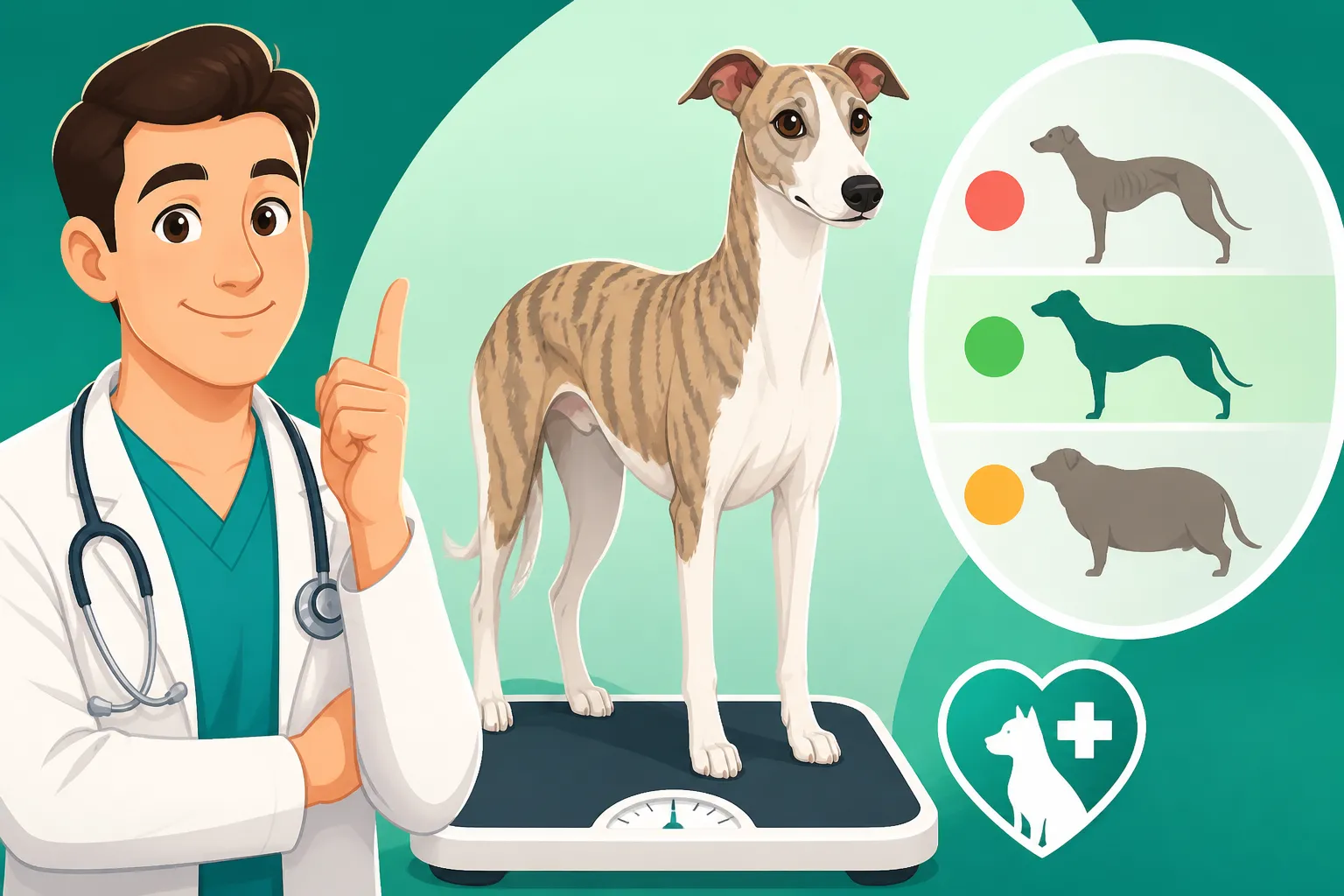
What a Vet Says About a Whippet’s Weight
It’s a common scenario for Whippet owners: you’re out for a walk, enjoying the crisp air with your sleek, athletic companion, and a well-meaning stranger inevitably remarks, "Oh my goodness, that dog looks so skinny! Are you feeding him enough?" This can spark anxiety or frustration, making you question if your beloved sighthound's naturally lean build is actually healthy. This guide will clarify what a veterinarian truly considers a healthy weight for a Whippet, helping you understand their unique physique and address those worries with confidence.
The Whippet's Unique Physique: What "Normal Thin" Really Means
Let's face it, Whippets don't look like your average Labrador or Golden Retriever. They are sighthounds, bred for speed and agility, which means their bodies are built entirely differently. They possess very little body fat, a deep chest, and a significant tuck-up, all contributing to that aerodynamic, "skinny" appearance. This isn't a sign of neglect; it's a testament to their breed standard and athletic purpose.
Feeling Ribs and Seeing Hip Bones
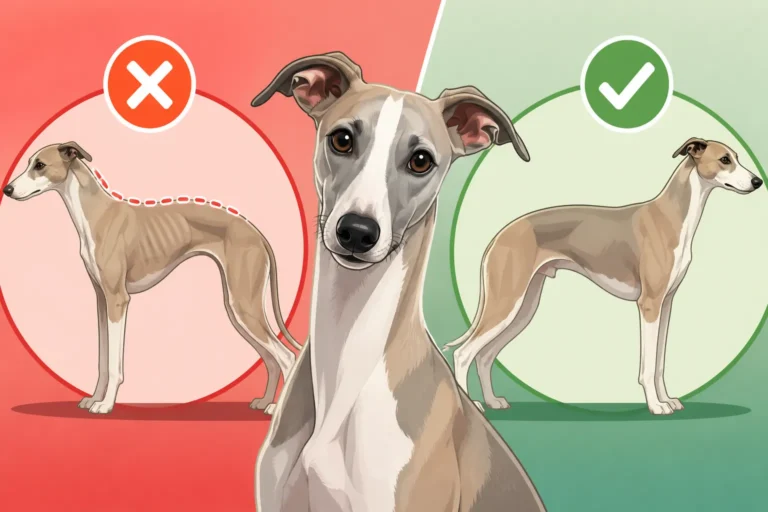
For a Whippet, seeing a few ribs is not just normal; it’s often indicative of a healthy body condition. When you gently run your hand along your Whippet's side, you should be able to easily feel their ribs, almost like feeling the knuckles on your hand, but without them protruding sharply. If you can see the last two or three ribs clearly without deep indentations, that's typically a good sign. If you see more than that, or if they're very stark and prominent, then it might be time for a vet check. Likewise, their hip bones and the points of their shoulders might be visible, especially when they move. This visibility is usually due to their minimal fat cover and the natural structure of their skeletal system, not a sign of starvation. How Many Ribs Should Show on a Whippet can be a great visual guide for many owners.
The Spine and Waist Tuck
Another characteristic of a healthy Whippet is a discernible waist when viewed from above, and a dramatic tuck-up from the side. The waist should narrow significantly after the rib cage, creating an hourglass shape. When you look at your Whippet from the side, their belly should sweep sharply upwards towards their hind legs. As for the spine, you should be able to feel the individual vertebrae with light pressure, particularly along the lower back. Seeing a hint of the spine is normal, especially when they stretch or arch their back. What you don't want to see are sharp, jagged vertebral prominences with no surrounding muscle or fat, which could signal a problem. Understanding How Thin a Whippet Should Look is key to distinguishing healthy leanness from actual emaciation.
Muscle Definition Versus Fat Cover
A healthy Whippet, even a pet one, should have visible muscle definition. Their powerful hindquarters, strong thighs, and shoulders should show contours beneath their thin skin and short coat. This muscle mass is crucial for their athleticism and overall health. When a Whippet is truly underweight, you'll see a loss of this muscle definition, and they might appear "bony" rather than "muscular and lean." On the flip side, an overweight Whippet will have a smoother, more rounded appearance, with less definition, and you might struggle to feel their ribs or hips easily. It's about finding that balance where they are lean and athletic, not a bag of bones, but certainly not padded with excess fat.
Dispelling Common Misconceptions and Owner Anxieties
The pressure from outside comments can be immense. It's tough when you're doing your best for your dog, only to have strangers imply you're not feeding them enough. This societal expectation that all dogs should have a bit of a "cushy" look often leads to genuine worry among Whippet owners, or even worse, the unintentional overfeeding of their lean athletes.
The "Starving Dog" Assumption
I've heard countless stories from Whippet owners who have been approached by concerned passers-by, sometimes even with accusations of neglect. It’s infuriating when you know you’re providing top-notch care, yet your dog’s natural build is misunderstood. This often leads owners to wonder, Why Strangers Think a Whippet Is Underfed. The reality is, most people are simply unfamiliar with the sighthound physique. They're used to breeds that carry more fat and have a less pronounced tuck-up. Your Whippet isn't starving; they're simply built differently. It's important for you, as their owner, to be confident in your knowledge of their healthy weight, so you can politely educate others or simply shrug off their unsolicited advice.
The Detriment of Overfeeding for Appearance
Many owners, out of genuine love and concern, or in an attempt to silence critics, try to put more weight on their Whippet. They might increase portion sizes, offer extra treats, or switch to richer foods. While their intentions are good, making a Whippet "chubby" to satisfy human aesthetics can actually be detrimental to their long-term health. Excess weight puts strain on their joints, heart, and other organs, potentially leading to issues like arthritis, heart disease, or diabetes later in life. A racing Whippet or one involved in lure coursing needs to be lean to perform at its best and avoid injury. Even a couch potato Whippet benefits from maintaining its healthy, athletic weight. How Easily a Whippet Gains Weight might surprise some owners, and it's a slippery slope to health problems.
Addressing a Whippet's Fickle Appetite
Some Whippets can be notoriously picky eaters, which can add to an owner's anxiety about their weight. One day they clear their bowl, the next they turn their nose up at it. Why a Whippet Is a Picky Eater can be a real head-scratcher. This inconsistent eating can make you worry they're not getting enough calories, especially if they already look lean. Before panicking, observe their energy levels, coat condition, and overall demeanor. If they're happy, active, and their coat is shiny, a skipped meal here and there is usually nothing to worry about. Sometimes, simply warming their food slightly, adding a tiny bit of low-sodium broth, or rotating protein sources (if their stomach can handle it) can encourage them to eat. If you're considering a more specialized diet for a picky eater, services like Ollie offer fresh food options that can be highly palatable. For general food supplies, Chewy often has a wide variety of brands and types to experiment with.
How Your Vet Assesses a Whippet's Body Condition
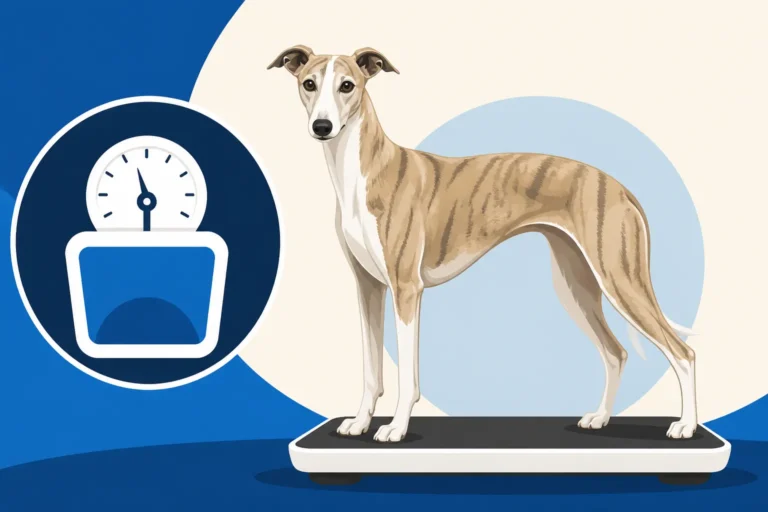
When you take your Whippet to the vet, they don't just weigh them and declare them "too thin." A good veterinarian understands breed differences and uses a comprehensive approach, primarily relying on something called the Body Condition Score (BCS). This isn't just about the number on the scale; it’s about a hands-on and visual assessment that takes into account their unique sighthound structure.
The Body Condition Scoring System
The Body Condition Score (BCS) is a standardized, subjective assessment tool that vets use to evaluate a pet's fat reserves. It's typically a 5-point scale or a 9-point scale, where a score in the middle (e.g., 3/5 or 4-5/9) represents an ideal weight. For sighthounds like Whippets, an ideal score might even be on the leaner side of that "ideal" range, reflecting their natural build. Your vet will look for specific markers to assign a score, focusing on areas like the ribs, spine, and waist. This is what helps answer the question, What Body Condition Score a Whippet Should Be.
The Hands-On Examination
During the examination, your vet will perform a thorough palpation, meaning they'll use their hands to feel your Whippet's body. They'll gently run their fingers along the rib cage, checking how easily the ribs can be felt. They'll also feel along the spine and over the hip bones. The goal isn't just to feel the bones, but to assess the amount of fat and muscle covering them. For a healthy Whippet, the ribs should be easily palpable without excessive pressure, the spine should feel prominent but not sharp, and the hip bones should be visible or easily felt with minimal fat cover. If your vet has to press hard to feel the ribs, or if they can't feel them at all, that's a red flag for being overweight. Conversely, if the bones feel extremely sharp and pronounced with no cushioning, that would indicate an underweight condition.
Visual Cues from Above and the Side
Beyond the hands-on feel, your vet will also visually assess your Whippet from different angles. From above, they'll look for a distinct waistline, an hourglass shape, where the abdomen tucks in behind the rib cage. From the side, they'll check for that classic deep chest and significant abdominal tuck. There should be a clear distinction between the chest and the abdomen. If the waist is not apparent, or if the abdomen sags rather than tucks up, these are visual cues that your Whippet might be carrying too much weight. A good vet knows that these visual cues are especially important for sighthounds, whose breed standards explicitly describe these characteristics.
| BCS (9-Point Scale) | Description | Whippet Appearance |
|---|---|---|
| 1 (Emaciated) | Ribs, lumbar vertebrae, pelvic bones, and all bony prominences evident from a distance. No discernible body fat. Obvious loss of muscle mass. | Every bone extremely stark; severe muscle wasting; deeply hollowed flanks. This is dangerously thin. |
| 2 (Very Thin) | Ribs, lumbar vertebrae, and pelvic bones easily visible. No discernible body fat. Minimal loss of muscle mass. | All ribs, spine, and hip bones very prominent; very sharp waist tuck; minimal muscle. Vet intervention likely needed. |
| 3 (Thin) | Ribs easily palpable and may be visible with no palpable fat. Tops of lumbar vertebrae visible. Pelvic bones becoming prominent. Obvious waist and abdominal tuck. | Ribs visible but not extreme; spine and hip bones visible/easily felt; distinct waist and tuck. Often a healthy sighthound appearance. |
| 4 (Underweight) | Ribs easily palpable with minimal fat covering. Waist easily noted when viewed from above. Abdominal tuck apparent. | Ribs easily felt, perhaps last 2-3 visible; clear waist and tuck. Still within healthy range for many Whippets. |
| 5 (Ideal) | Ribs palpable without excess fat covering. Waist observed behind ribs when viewed from above. Abdomen tucked up when viewed from the side. | Ribs easily felt but rarely visible; defined waist and good tuck. Standard ideal for many breeds, can be slightly generous for some Whippets. |
| 6 (Overweight) | Ribs palpable with slight excess fat covering. Waist discernible but not prominent. Abdominal tuck apparent. | Ribs harder to feel; waist less defined; some tuck, but less dramatic. Watch for weight gain. |
| 7 (Heavy) | Ribs palpable with difficulty; heavy fat cover. Noticeable fat deposits over lumbar area and base of tail. Waist absent or barely visible. Abdominal tuck absent. | Ribs require firm pressure to feel; no visible waist; belly sagging. Time for a diet. |
| 8 (Obese) | Ribs not palpable under heavy fat cover. Heavy fat deposits over lumbar area and base of tail. Waist absent. Obvious abdominal distention. | Ribs impossible to feel; broad, round back; no waist or tuck. Significant health risk. |
| 9 (Grossly Obese) | Massive fat deposits over thorax, spine, and base of tail. Waist absent. Extensive abdominal distention. Fat deposits on legs, face, and neck. | Enormous fat deposits everywhere; hardly moves. Urgent vet intervention needed. |
When to Be Genuinely Concerned: Underweight or Overweight
While it's important to understand a Whippet's natural leanness, there are indeed times when their weight indicates a genuine health concern. It's about differentiating between their athletic build and an unhealthy condition. Your vet is the best person to make this distinction, but knowing the signs can help you advocate for your dog.
Signs of an Actually Underweight Whippet
If your Whippet is truly underweight, it will be more than just "lean." You might see all their ribs, vertebrae, and hip bones starkly protruding, even when at rest. There will be no palpable fat covering them at all, making the bones feel sharp to the touch. Beyond the visual, a truly underweight Whippet might exhibit other symptoms: a dull, dry coat, low energy levels, lethargy, poor muscle mass (they might look frail rather than sleek), and possibly even a decreased appetite or digestive issues. If you notice these signs, especially in combination with extreme boney-ness, it's crucial to consult your veterinarian. When a Whippet Is Genuinely Too Thin can often be identified by these additional symptoms rather than just the visible ribs.
Identifying an Overweight Whippet and its Risks
An overweight Whippet might not look "fat" in the traditional sense, but their sleek lines will be gone. You'll struggle to feel their ribs without applying significant pressure, and there will be no distinct waist or abdominal tuck. Their gait might be slightly slower or less agile, and they might seem less enthusiastic about exercise. While Whippets are often quite good at regulating their food intake, it can happen, especially if they are getting too many high-calorie treats or inappropriate food. The risks of being overweight in any dog are serious, but for an athletic breed like a Whippet, extra weight can exacerbate joint issues, lead to cardiovascular problems, and generally shorten their active lifespan. How an Overweight Whippet Slows Down is often one of the first signs an owner notices, impacting their zoomies and play.
Making Dietary Adjustments with Vet Guidance
If your vet determines your Whippet is genuinely underweight or overweight, they will help you create a plan to adjust their diet. For an underweight Whippet, this might involve increasing their caloric intake through a high-quality, nutrient-dense food, often fed in smaller, more frequent meals. Your vet might recommend specific brands or types of food designed for active dogs. For an overweight Whippet, the focus will be on reducing calories while ensuring they still receive all necessary nutrients. This usually means carefully portioning their regular food, reducing treats, and potentially incorporating more low-calorie, high-fiber options. You might also look into specialized weight management foods available through retailers like Chewy or Amazon, or consider fresh food diets from companies like Ollie that allow for precise portion control. Always make dietary changes under veterinary supervision to ensure your Whippet's health. For dogs that are picky, Getting Weight On a Whippet That Will Not Eat needs careful consideration with a vet's advice.
Disclaimer
This article is for general informational purposes only and does not constitute professional advice. Laws, prices and regulations vary by location and change over time. Consult a qualified professional for guidance on your specific situation.