Whether a Whippet Suits a Family With a Toddler
Bringing a Whippet into a home with a toddler can be a deeply rewarding experience, but it also presents a unique set of challenges that many prospective owners don't fully anticipate. While these elegant sighthounds are renowned for their gentle nature, their sensitive physicality and instinctive behaviors mean that the unpredictable world of a small child requires careful consideration and proactive management to ensure safety and harmony for everyone. This guide will help you understand the dynamics between these two beloved, yet very different, family members.
Understanding the Whippet Temperament Around Young Children
Whippets are truly wonderful dogs, known for their calm demeanor indoors and their loving, affectionate personalities. However, their unique physical and behavioral traits mean that coexisting with a toddler requires more thought than with a more robust, less sensitive breed.
The Whippet's Gentle Nature and Sensitivity
One of the most defining characteristics of a Whippet is its inherent gentleness. They are rarely aggressive, preferring to avoid conflict rather than engage in it. This gentleness extends to their interactions with humans, often making them excellent family pets. However, this same gentleness is paired with a delicate physical structure. Whippets have thin skin and very little body fat, which means they can be surprisingly susceptible to bumps, scrapes, and even skin tears from seemingly minor incidents.
Consider the reality of a toddler: they are still learning about their own strength and coordination, prone to sudden movements, and sometimes lacking the ability to understand boundaries. A child might trip and accidentally fall on a sleeping Whippet, or grab an ear or tail with more force than intended. While your Whippet's first instinct will likely be to retreat, repeated rough handling or accidental injuries can lead to fear or anxiety, which is unfair to the dog. It’s not about malice from the child, but simply their developmental stage colliding with the Whippet’s delicate physicality. Understanding The Thin Skin That Sends a Whippet to the Vet for Stitches is crucial for any Whippet owner, and this sensitivity is amplified when a toddler is in the home.
Prey Drive and Sudden Movements
Another critical aspect of the Whippet temperament is their strong, innate prey drive. Bred for centuries to chase and catch small, fast-moving objects, this instinct is deeply ingrained. While your Whippet knows your toddler is not prey, the erratic movements, high-pitched squeals, and sudden dashes characteristic of a small child can inadvertently trigger this powerful chase response.
Imagine a scenario where your toddler, delighted with a new toy, sprints across the living room. To a Whippet, this could mimic the action of a rabbit bolting. Even if the dog's intention is playful, a Whippet running at speed, even on soft carpet, can easily knock over a small child, leading to injury for both. It’s not aggression; it’s an instinctual reaction. While training can mitigate some aspects, completely overriding this hard-wired drive is incredibly difficult, and expecting a Whippet to ignore a running child 100% of the time is unrealistic. This is why understanding Why a Whippet's Chase Instinct Overrides Its Recall is paramount, especially when small children are involved.
Essential Strategies for a Harmonious Household
Successfully integrating a Whippet with a toddler isn't about hoping for the best; it's about intentional management and consistent training. By putting the right strategies in place, you can foster a safe and loving environment for both your dog and your child.
Supervision and Safe Spaces
The absolute golden rule for any home with a dog and a toddler is never, ever leave them unsupervised. This isn't just for a Whippet; it applies to all breeds, regardless of their reputation. Toddlers are unpredictable, and even the most laid-back dog can react unexpectedly if startled, hurt, or pushed past its comfort zone. Direct, active supervision means you are always in the same room, actively observing their interactions, and ready to intervene immediately.
Creating safe spaces for both your Whippet and your toddler is equally vital. Your dog needs a quiet retreat where they can escape the hustle and bustle of a busy child. This might be a comfortable crate in a low-traffic area, an elevated dog bed in a corner, or even a designated room with a baby gate. This "safe haven" is where the dog can relax without fear of being approached, poked, or startled. For your toddler, a playpen or gated off area can provide a secure zone where they can play freely without inadvertently bothering the dog. For those looking for comprehensive guidance on preparing their dog for life with kids, programs like BAXTER & Bella offer excellent online resources that walk you through step-by-step training and management techniques before and after a child arrives. Providing a secure and comfortable crate for your Whippet is often a non-negotiable step in achieving this harmony, as detailed in Whether a Whippet Can Be Crate Trained.
Teaching Respectful Interactions
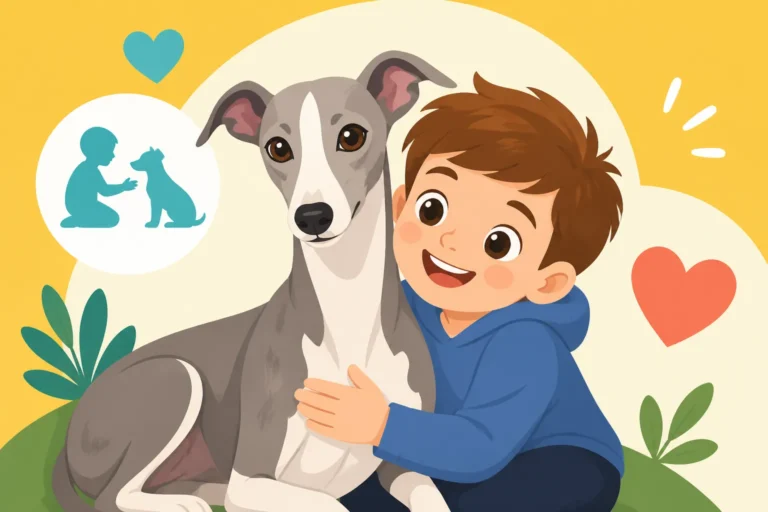
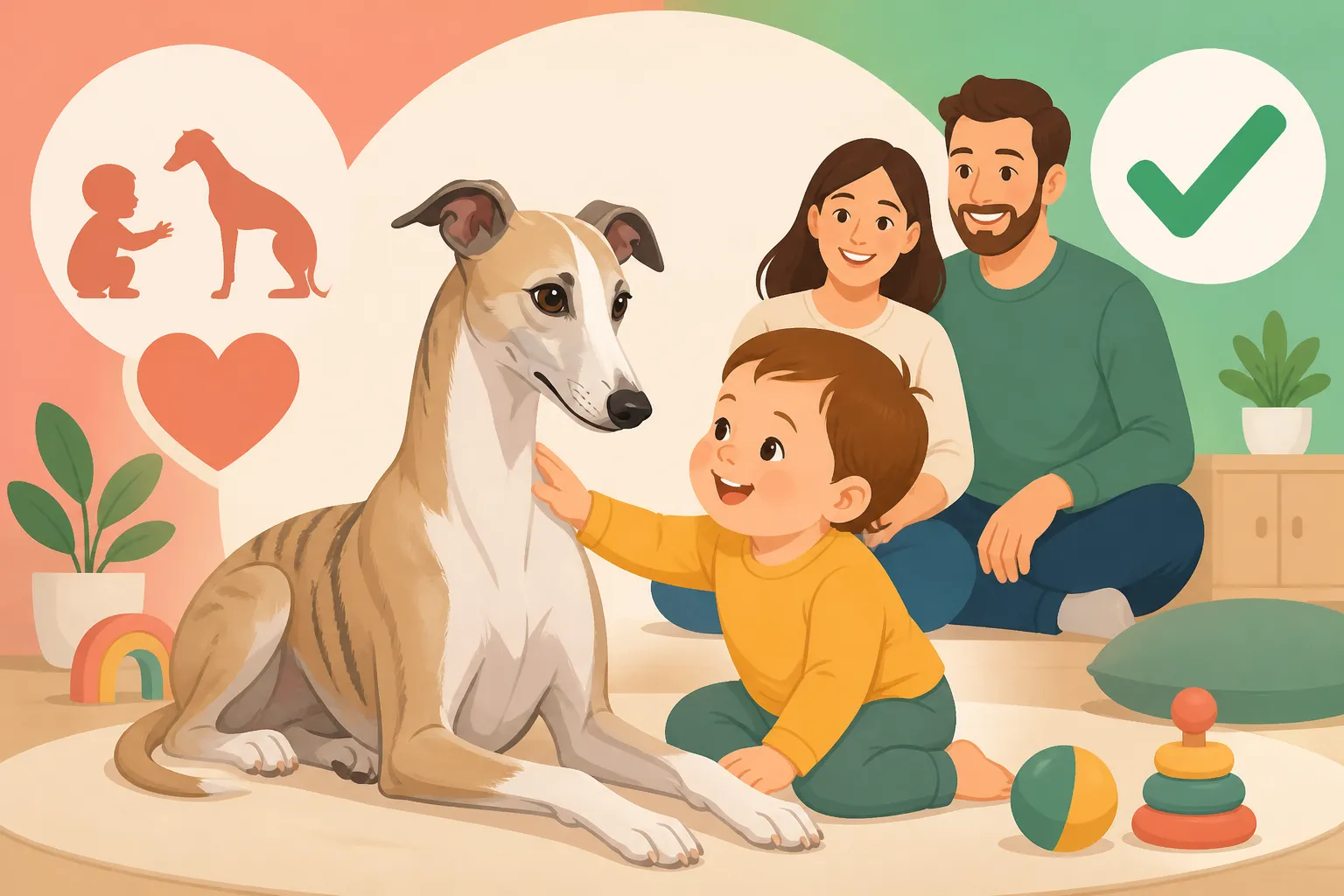
A harmonious relationship is a two-way street, requiring both the dog and the child to learn appropriate behaviors. It's crucial to proactively teach your toddler how to interact respectfully with the Whippet, and to reinforce appropriate behavior in the dog. Start early by teaching your child "gentle hands." Show them how to stroke the dog calmly on its body, avoiding sensitive areas like ears, tail, and face. Use simple, consistent language like "gentle, gentle" and always supervise these interactions closely, praising both child and dog for calm behavior.
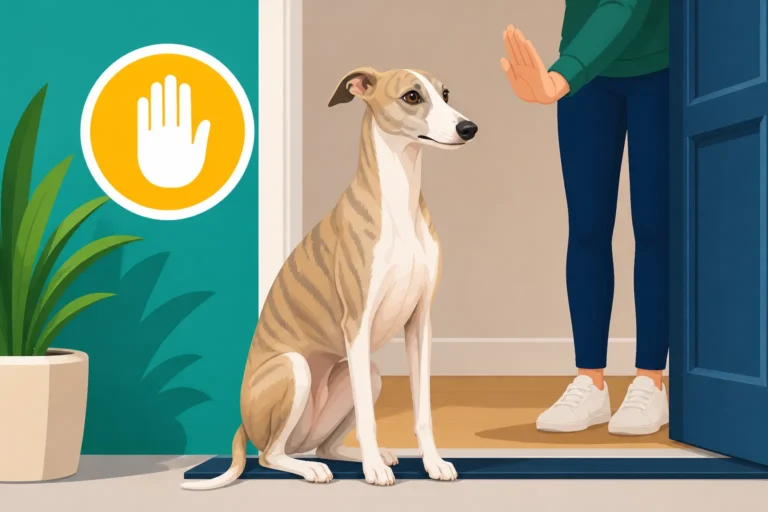
Equally important is teaching your Whippet to tolerate gentle handling and to associate the child with positive experiences. Never force interactions. If your Whippet retreats, let them. Reward them generously with high-value treats when they calmly observe or interact gently with your child. Teach your Whippet cues like "off" or "place" so they can disengage from situations where the toddler might be overstimulated or too close. Remember, Whippets are incredibly sensitive, and harsh corrections or punishment will be counterproductive and damaging to their trust. Instead, focus on positive reinforcement and building confidence. Their delicate nature means How a Whippet Learns When It Bruises From Pressure is an important consideration in all training methods.
Preparing Your Whippet and Your Home
Thoughtful preparation of both your dog and your living environment can significantly ease the transition and daily life with a Whippet and a toddler. This proactive approach minimizes stress for everyone and sets the stage for a successful cohabitation.
Early Socialization and Desensitization
If you're bringing a Whippet puppy into a home with a toddler, early socialization is paramount. This isn't just about exposing the puppy to other dogs; it's about carefully and positively introducing them to the sights, sounds, and sensations associated with young children. This means exposing them to children's voices, the sounds of toys dropping, strollers, and quick movements, all from a safe distance and paired with high-value rewards. The goal is to build positive associations, not just tolerance.
For adult Whippets, especially those adopted from rescue organizations, understanding their history with children is vital. If an adult Whippet has no known history with toddlers, or a negative one, proceeding with extreme caution and professional guidance is non-negotiable. Even with a good history, a slow, controlled introduction process is key. Gradual exposure, always supervised and with an escape route for the dog, helps them acclimate. Remember, Socializing a Whippet Puppy goes a long way in shaping their future interactions, but it's an ongoing process that needs reinforcement.
Management Tools and Environment Modification
Your home environment needs to be set up to prevent accidental encounters and manage interactions. Baby gates are your best friends. They allow you to create physical boundaries, separating the Whippet and toddler when you can't actively supervise, or when either needs a break. These gates are excellent for keeping the dog out of a child's play area or vice-versa, without making the dog feel completely isolated from the family. You can find a wide variety of sturdy baby gates on Amazon, suitable for different doorways and staircases.
Beyond gates, consider the general safety of your shared space. Keep all dog toys that could be a choking hazard for a child out of reach, and conversely, keep small child's toys that a dog could ingest off the floor. Secure trash cans and teach your Whippet a strong "leave it" command to prevent them from investigating discarded food or items. Ensure your Whippet has multiple comfortable, soft beds throughout the house, providing ample soft surfaces for resting and preventing pressure sores. Good quality dog beds are readily available on Amazon and are essential, especially since Whether a Whippet Should Sleep Under a Blanket is a common behavior due to their lack of body fat.
Long-Term Considerations and Potential Challenges
While the initial stages are crucial, thinking about the long-term dynamic between your Whippet and toddler, and anticipating potential challenges as both grow, will help maintain a happy and safe home.
Energy Levels and Exercise
Whippets are famously known as the "40 mph couch potatoes." This means they have incredible bursts of speed and need to run, but they are equally content to spend many hours curled up on the sofa or in a soft bed. This unique energy profile can be both a blessing and a challenge with a toddler. On one hand, a Whippet’s indoor calmness means they generally aren't bouncing off the walls, which can be a relief with a busy child. On the other hand, their need for high-speed exercise can't always be met with a toddler in tow.
You'll need dedicated time and a safe, securely fenced area where your Whippet can truly stretch their legs and run without the risk of chasing a toddler or getting underfoot. A dog park is often not the safest option for a Whippet due to their delicate build and prey drive around smaller dogs or fast-moving children. This means finding a private, fenced yard or a sighthound-specific enclosed park. Expecting a Whippet to get all its exercise in the backyard with a toddler will likely lead to frustration for the dog and potential accidents. Understanding The Whippet Is a Forty Mile an Hour Couch Potato truly helps in managing their unique exercise needs.
Health and Injury Risks
The delicate nature of a Whippet's physique means they are more prone to certain injuries, particularly skin tears, fractures, or muscle strains, compared to breeds with thicker coats and heavier bones. While a toddler's actions might rarely cause severe harm, repeated accidental bumps, steps on paws, or being sat on can lead to discomfort, pain, and potentially expensive vet visits.
Beyond physical injuries, consider the psychological well-being of your Whippet. If the dog is constantly stressed, anxious, or fearful due to a lack of safe spaces or relentless interaction from a child, it can lead to behavioral issues. A chronically stressed dog, even a gentle Whippet, might become withdrawn, develop resource guarding, or, in extreme cases, snap if feeling cornered and unable to escape. It's vital to prioritize the Whippet's mental and physical health by implementing the management strategies discussed earlier. The question of Whether a Whippet Is Fragile Around Children highlights the importance of constant vigilance and proactive training to prevent avoidable accidents and foster a positive relationship.
Here's a quick overview of how Whippet traits might interact with toddler behaviors:
| Whippet Trait | Toddler Behavior | Potential Interaction / Challenge | Management Strategy |
|---|---|---|---|
| Delicate Build/Thin Skin | Clumsy movements, accidental falls | Risk of skin tears, bruising, or bone injury for the Whippet | Constant supervision, safe retreat areas for dog |
| Strong Prey Drive | Sudden running, high-pitched sounds | Whippet may chase playfully, knocking child over | Securely fenced play areas for dog, teaching "leave it" |
| Sensitive Hearing | Loud noises, screaming | Can startle or stress the Whippet | Create quiet zones for the dog, desensitize gently |
| Need for Quiet/Rest | Constant activity, attention-seeking | Disrupted sleep, increased stress for the Whippet | Designated "no-kid" zones for dog (crate, gated room) |
| Affectionate/Cuddle Bug | Wants to pet, hug the dog | Can lead to over-excitement or unintended rough play | Teach gentle interaction, supervise all contact |
| Quick to Retreat | Follows dog, corners it | Whippet may feel trapped, leading to fear-based reactions | Teach child boundaries, ensure escape routes for dog |
| Low-energy indoors | Needs constant entertainment | Dog may ignore child, child may try to instigate play | Provide separate enrichment for child, involve dog in calm play |
Ultimately, bringing a Whippet into a family with a toddler can absolutely work, but it requires commitment, education, and consistent management from the adults in the home. It means being the advocate for both your child's safety and your dog's well-being, creating a structured environment where both can thrive and form a loving bond.
Disclaimer
This article is for general informational purposes only and does not constitute professional advice. Laws, prices and regulations vary by location and change over time. Consult a qualified professional for guidance on your specific situation.