Whether a Whippet Mix Keeps the Speed
A Whippet mix may inherit the Whippet’s speed, but the breed name alone cannot predict how fast an individual dog will run. Body shape, inherited traits, age, fitness, health, and whether the dog enjoys chasing all matter. This guide explains what to look for, how to exercise a Whippet mix safely, and why a secure place to run matters more than a guess about top speed.
What Whippet Mixes Inherit
Speed comes from more than one trait
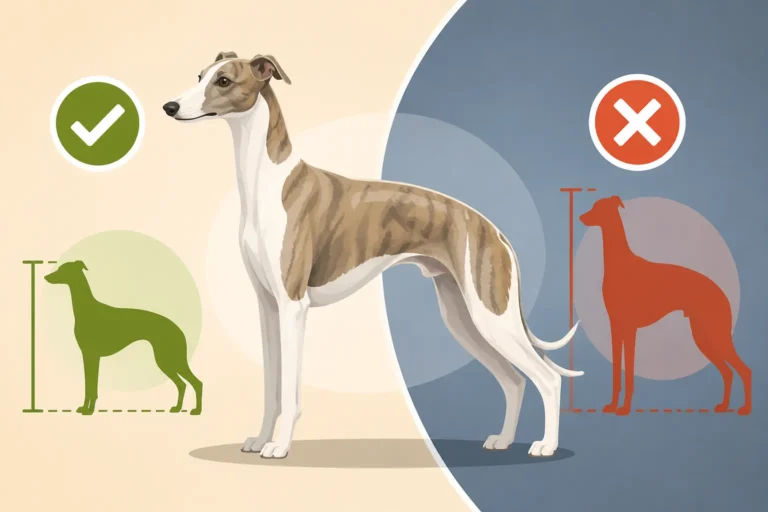
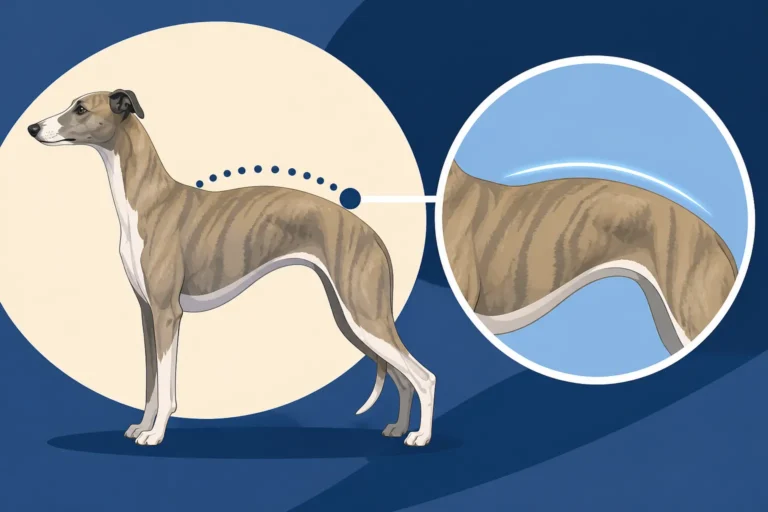
Whippets are built for short bursts of speed: they have long legs, a flexible spine, a deep chest, and a lean, athletic frame. A mix may inherit several of these features, just one or two, or a body type that looks quite different. Even puppies from the same litter can grow into noticeably different adults.
Speed is also more than body shape. Coordination, muscle development, motivation, and general health affect how quickly a dog accelerates and how comfortably it moves. A dog with a Whippet-like outline may not love sprinting, while a sturdier mix with less obvious sighthound structure may still be remarkably quick.
That is why it helps to think in terms of potential rather than a guaranteed speed. A Whippet mix with a similar build and strong chase drive might be a fast sprinter, but appearance alone cannot tell you exactly how fast. For a closer look at the purebred baseline, see How Fast a Whippet Actually Runs.
The other parent can change the picture
The non-Whippet parent can influence a mix’s size, proportions, movement, and motivation. A mix with another athletic breed may have plenty of speed but a different build or style of running. A dog with a heavier, shorter-legged parent may be less suited to sprinting, even if it inherited some Whippet characteristics.
Temperament matters, too. Some dogs are eager to chase a moving toy or lure; others would rather trot, sniff, or stay close to their person. A strong chase response can make a dog look impressively fast in a burst, but it can also make the dog difficult to call back once something catches its attention.
Genetics do not divide neatly into “half Whippet, half other breed” in a way that predicts a specific ability. A mixed-breed dog may inherit traits unevenly, and two dogs with similar ancestry can behave very differently. The broad overview in What a Whippet Mix Inherits is useful context, but your own dog’s movement and comfort are the practical guide.
A Whippet mix is not automatically a racing dog
A fast dog is not necessarily a dog that should be encouraged to race or sprint hard. A pet Whippet mix may never have had the gradual conditioning, appropriate surface, or health assessment that organized racing and lure sports require. Running flat out on slippery ground, uneven terrain, or near traffic creates risks regardless of the dog’s natural ability.
A dog’s enthusiasm can also disguise discomfort. Watch for limping, stiffness after rest, reluctance to continue, unusually heavy panting, or a change in gait. Stop the activity if anything seems off, and ask a veterinarian about new or recurring signs rather than trying to diagnose an injury by appearance.
How to Tell Whether Your Mix Is Built to Run
Look at movement, not just a narrow waist
Whippets are naturally lean, so a slim outline does not prove that a mix is fit, fast, or underweight. Look at the dog moving at a comfortable pace. Does the dog appear balanced and coordinated? Does it move freely without shortening a stride, favoring a limb, or seeming stiff afterward? Those observations are more useful than comparing your dog with a photo of a purebred Whippet.
A veterinarian can assess body condition and discuss whether your dog is ready for more vigorous activity. This is especially helpful if the dog is newly adopted, has an unknown medical history, is carrying extra weight, or has had previous orthopedic problems. A gradual plan is safer than testing the dog’s maximum speed in a sudden burst.
For puppies and young dogs, be particularly cautious about repetitive, forced running. Growing bodies need time to develop, and a puppy chasing a ball until it drops is not a reliable measure of safe exercise limits. Ask your veterinarian when structured running makes sense for your individual dog.
Notice what your dog chooses to do
A Whippet mix’s natural play style gives you useful clues. Does the dog accelerate after a tossed toy, chase leaves, or enjoy a short sprint with another dog? Or does it prefer steady sniffing and relaxed walks? Interest can vary with the setting, the weather, the dog’s confidence, and previous experience, so one quiet outing does not settle the question.
Offer brief, low-pressure chances to move in a safe area and let the dog pause. You are looking for comfortable, voluntary movement—not a dramatic top-speed performance. Build activity gradually, with warm-up walking and breaks, and avoid repeatedly throwing a toy until the dog is exhausted.
If you want to understand the difference between a dog that can run and one that needs frequent sprinting, Whether a Whippet Needs a Daily Sprint explores the question for the breed. A mix may have different needs, but the same principle applies: match activity to the individual rather than assuming a high-speed dog needs to run hard every day.
Separate athletic ability from body condition
A dog may be quick but poorly conditioned, or slower but in excellent physical shape. Fitness develops over time through suitable activity, not a single all-out chase. If your dog has mostly been a couch companion, do not take it from short neighborhood walks to repeated sprints in one weekend.
Check paws and nails, too. Long nails, sore pads, or an awkward harness can make movement less comfortable. A properly fitted harness or walking setup can make controlled outings easier; when shopping, compare fit and return policies through a retailer such as Chewy, but prioritize a design that suits your dog’s body and does not restrict shoulder movement.
Safe Ways to Exercise a Fast Whippet Mix
Choose a secure running space
A fenced area is the safest place to let a dog explore speed. A Whippet mix can spot a squirrel, rabbit, or other moving animal and take off before you have time to react. A dog that usually comes when called may still ignore you in the middle of a chase.
Check the fence for gaps, loose gates, and places where a dog could squeeze through or jump over. Supervise even in a fenced yard, and avoid assuming that a familiar field is safe just because it looks quiet. Roads, wildlife, other dogs, and unexpected openings can turn a fun run into an emergency. The reasons behind this caution are explained in Why a Whippet Cannot Be Let Off Leash in an Open Field.
If you do not have access to a private yard, look for a securely enclosed dog exercise area and learn its rules before visiting. Keep your dog on leash while entering and leaving, and allow time to settle before letting it run. A long line can be useful in some settings, but it is not a substitute for a securely fenced space when a dog is likely to sprint.
Warm up, watch the ground, and cool down
Start with a few minutes of easy walking before inviting faster movement. This gives your dog a chance to look around and begin moving gradually. After a sprint session, let the dog walk and recover rather than stopping abruptly and heading straight to the car.
Surface matters. Wet grass, loose gravel, sharp debris, and uneven ground can increase the chance of a slip or cut. Inspect the area before letting your dog off leash, and check paws afterward. If your dog has a history of strains or is returning from an injury, ask your veterinarian what activity is appropriate before restarting fast play.
During warmer weather, provide water and breaks, and do not push a dog that is panting heavily or struggling to settle. In cold conditions, a lean dog may need a coat during the warm-up or between runs. A retailer such as Chewy can be one place to compare coats and basic first-aid supplies, but the right choice depends on fit, weather, and your dog’s comfort.
Use toys and structured activities thoughtfully
A flirt pole, a controlled game of fetch, or a dog sport may help channel a dog’s interest in movement. Keep sessions short enough that you can stop while your dog is still coordinated and responsive. Repeated sharp turns and abrupt stops can be demanding, particularly on slick or uneven ground.
If your mix enjoys chasing, you might investigate a supervised sport such as lure coursing or a timed straight-line activity. Participation rules, age requirements, and health recommendations vary, so check the organization’s guidance and discuss strenuous activity with your veterinarian. A sport can provide structure, but it does not reveal a dog’s exact top speed or guarantee that the dog will enjoy competition.
For play with other dogs, consider size, play style, and whether the area has enough room to avoid collisions. A fast dog weaving through a crowded dog park can be at risk even if every dog is friendly. Whether a Whippet Gets Hurt Playing With Bigger Dogs offers related considerations about managing rough or mismatched play.
What Speed Means for Everyday Life
Fast does not mean high exercise needs all day
Many sighthounds are capable of sudden bursts of speed and then enjoy resting. A Whippet mix may share that pattern, but needs vary with age, health, temperament, and the other breed in the mix. Some will be content with walks, training games, and occasional safe runs. Others will need more varied activity and mental engagement.
Rather than deciding from breed labels, observe how your dog settles at home. A dog that is relaxed after suitable exercise may be getting enough. Persistent restlessness can have several causes, including insufficient activity, anxiety, or a need for more enrichment; simply adding harder running is not always the answer.
Build a routine that includes walks, sniffing, training, and rest. Food puzzles or scent games can offer mental work without requiring a sprint. If you use treats or enrichment toys, Chewy may be a convenient place to compare options, but choose items appropriate to your dog’s chewing habits and supervise anything that could be swallowed or damaged.
Recall is not a reliable emergency brake
A dog’s ability to run quickly is one reason to take recall training seriously, but training cannot make an open field risk-free. Begin in a low-distraction setting, reward your dog generously for coming back, and gradually practice around more distractions while using a leash or long line where appropriate.
Do not test recall for the first time when a rabbit bolts across the path. A chase can overpower a well-practiced cue, especially at a distance. Secure management—leashes near roads and enclosed areas for running—is more dependable than hoping the dog will stop mid-pursuit. See Why a Whippet's Chase Instinct Overrides Its Recall for more on why this can happen.
If your dog has a strong prey drive, plan outings around that reality. Keep gates closed, use secure equipment, and make sure everyone in the household follows the same door and leash routines. Equipment that fits properly matters; Chewy is one option for browsing collars and harnesses, though a careful fit check and supervised use are essential.
Think of speed as an individual possibility
A Whippet mix can be very fast, moderately athletic, or not especially interested in sprinting. The most reliable way to understand your dog is to combine a realistic look at its build with careful observation, gradual conditioning, and veterinary guidance when needed.
| What you notice | What it may suggest | A sensible next step |
|---|---|---|
| Lean, long-legged build and smooth movement | The dog may be suited to short bursts of speed | Offer brief, voluntary runs in a secure area |
| Eagerness to chase moving objects | Strong motivation, not necessarily a measure of safe fitness | Use secure management and practice recall on leash |
| Stiffness, limping, or reluctance after play | Possible discomfort or overexertion | Stop strenuous activity and consult a veterinarian |
| Little interest in sprinting | The dog may prefer other forms of exercise | Try walks, sniffing, and low-impact enrichment |
| Rapid fatigue or unusual breathing | Activity may be too intense, or there may be a health concern | Stop, allow recovery, and seek veterinary advice if symptoms persist |
The practical answer is that a Whippet mix may keep some of the Whippet’s speed, but no mix is guaranteed to be a sprinter. Give the dog safe opportunities to move, protect it from uncontrolled chases, and let its comfort and health—not assumptions about its ancestry—set the pace.
Disclaimer
This article is for general informational purposes only and does not constitute professional advice. Laws, prices and regulations vary by location and change over time. Consult a qualified professional for guidance on your specific situation.