How Fast a Whippet Accelerates From a Standstill
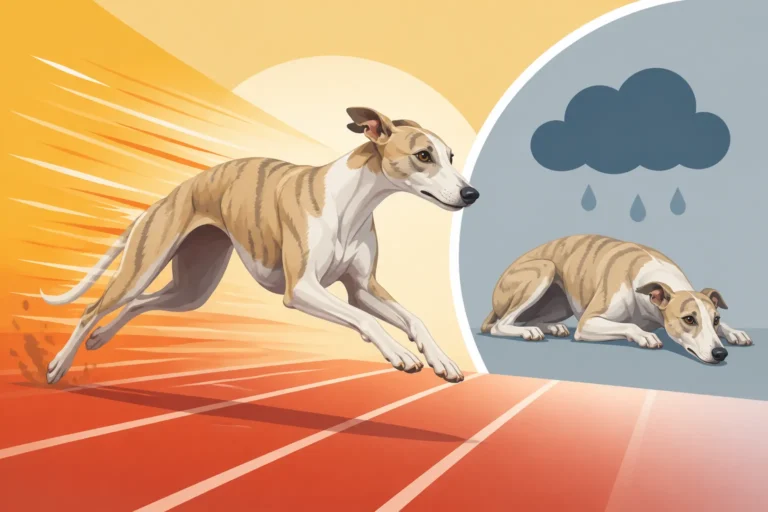
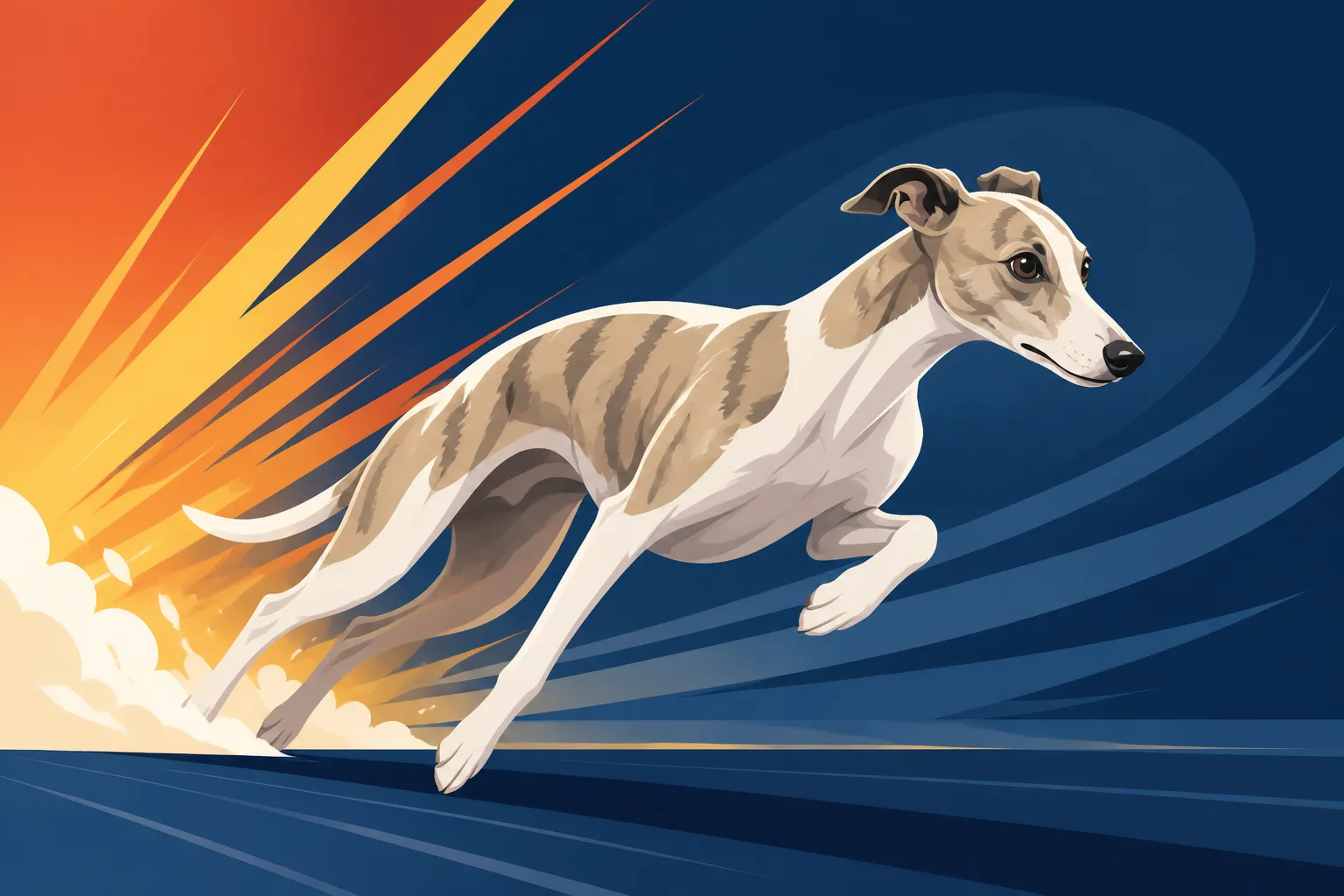
It’s a common sight for anyone who loves a Whippet: one moment, your sleek companion is standing perfectly still, perhaps eyeing a squirrel or a rogue leaf, and the next, they’re a blur across the yard, seemingly having vanished into thin air. That explosive, breathtaking burst of speed from a complete standstill is one of the most remarkable traits of this incredible breed, and it’s something many owners marvel at, and sometimes, struggle to manage. This guide will explore the incredible mechanics behind a Whippet's initial acceleration and what it means for owning these pocket rockets.
The Physics Behind a Whippet's Burst of Speed
Whippets aren't just fast; they're masters of instantaneous acceleration. It's not just about their top speed, but how quickly they can get to that speed from zero that truly sets them apart. This isn't accidental; their entire physiology is a finely tuned machine built for precisely this purpose, a testament to centuries of selective breeding.
The Sighthound Build: Designed for Explosive Power
Take a moment to truly look at a Whippet. Every curve, every muscle, every bone is designed with speed in mind, particularly that initial, powerful thrust. Their distinctive silhouette isn't just for show; it's a blueprint for extreme athleticism.
They possess a deep chest, which isn't just aesthetically pleasing, but serves a critical function: housing large lungs and a powerful heart. This generous lung capacity allows for maximum oxygen intake, fueling their muscles for intense, short bursts of activity. When they launch themselves forward, their respiratory system is ready to meet the immediate, ravenous demand for oxygen. Coupled with this is a flexible, arched spine, often called a "roach" or "arch over the loin." This arch acts like a spring, coiling and releasing tremendous energy. As the Whippet pushes off, the spine extends, giving incredible reach and power to the hind legs, then flexes as they tuck their legs under, preparing for the next powerful stride. Their long, powerful legs, particularly the hindquarters, are packed with muscle, providing the raw force needed for that initial explosive push. It’s like a sprinter's starting blocks, but built into their very anatomy.
The Gallop Cycle: Unpacking the Double Suspension
The secret weapon in a Whippet's acceleration arsenal is their unique gait: the double suspension gallop. This isn't just a fancy term; it's a highly specialized form of locomotion that maximizes both speed and, crucially, acceleration.
In a double suspension gallop, there are two distinct moments when all four of the Whippet's feet are completely off the ground. The first occurs when their legs are gathered underneath them, flexing their spine like a compressed spring. The second happens when their legs are fully extended, reaching out as far as they can go, stretching their body to its absolute limit. This incredible elasticity and range of motion means that with each stride, a Whippet covers an astonishing amount of ground. From a standstill, they can engage this powerful, ground-covering gallop almost instantly, converting potential energy into kinetic energy with startling efficiency. It's the difference between a car slowly accelerating and one that slams the pedal to the floor from a red light. The double suspension allows them to literally "fly" through the air between pushes, reducing friction and gaining incredible momentum in mere seconds.
Myostatin and Muscle Composition
While all Whippets are marvels of speed, there's a genetic factor that can further amplify their musculature and, consequently, their acceleration: the myostatin gene. Even without the specific mutation, the average Whippet naturally possesses a high proportion of fast-twitch muscle fibers, which are essential for explosive power.
These fast-twitch fibers contract rapidly and powerfully, but they fatigue quickly – perfectly suited for short, intense sprints rather than endurance. This inherent muscle composition is why a Whippet can go from zero to breathtaking speeds in a flash but often prefers a cozy nap after just a few minutes of intense activity. They are built for bursts, not marathons. For those interested, you can dive deeper into What Myostatin Does in a Whippet to understand its role in muscle development. There's also the fascinating aspect of Why One Copy of the Bully Gene Makes a Whippet Faster, which directly relates to how their muscles are structured for peak performance, though it's important to note that this is a specific genetic variant and not typical for all Whippets. Even without that extra genetic boost, a standard Whippet is already a powerhouse of acceleration.
From Zero to Zoom: How Quickly Can They Reach Top Speed?
Witnessing a Whippet launch itself is truly a spectacle. It’s not just fast; it’s an instantaneous transition from stillness to a blur, a blink-and-you-miss-it phenomenon that catches many people off guard.
The Initial Dash: Unbelievable First Steps
Imagine dropping something fragile and watching your Whippet, previously snoozing, spring to attention and intercept it before it hits the ground. That’s the kind of speed we're talking about from a standstill. Their initial push-off is incredibly strong, propelled by those powerful hindquarters and flexible spine. They don't 'build up' speed in the way many other dogs do; they explode into it.
Within just a few strides, a Whippet can already be approaching their top speed, leaving most other breeds, and certainly humans, far behind. This isn't a gradual acceleration; it's more like hitting a turbo boost. They cover an incredible amount of ground in those first few seconds, demonstrating an agility that's almost feline in its suddenness. This ability is why they are so incredibly effective in sighthound sports, where quick reactions and immediate speed are paramount to catching the lure.
Comparing to Other Breeds and Athletes
To truly appreciate a Whippet's acceleration, it helps to put it into perspective. While Greyhounds might hold the title for sheer top speed over longer distances, Whippets are arguably more impressive in their ability to reach significant speeds in a fraction of the time and space.
Think of it this way: a human Olympic sprinter, even Usain Bolt in his prime, takes several seconds to reach their peak velocity. A Whippet can achieve a remarkable percentage of its top speed within a couple of seconds and a very short distance. Compared to many common dog breeds like Labradors or Golden Retrievers, the difference is stark. While those breeds can run, their acceleration from a stop is simply not in the same league. A Whippet essentially bypasses the "warm-up" phase of acceleration, launching directly into a high-speed sprint.
To give you a rough idea, here's a conceptual comparison of how different subjects might accelerate over a very short distance:
| Subject | Initial Launch (0-10 yards) | Sustained Acceleration (10-30 yards) | Peak Speed Achieved |
|---|---|---|---|
| Whippet | Extremely fast, explosive | Rapid, near-instantaneous | Very High |
| Greyhound | Very fast, powerful | Rapid, builds slightly more | Extremely High |
| Human Sprinter (Elite) | Powerful, deliberate | Fast, builds steadily | High |
| Labrador Retriever | Good, strong | Moderate, steady | Medium |
| Basset Hound | Slow, lumbering | Gradual, low | Low |
Factors Influencing Acceleration
While a Whippet's inherent design gives them a massive advantage, several factors can influence just how quickly they can go from zero to sixty (or, more accurately, from zero to about 35 mph!).
First, age and fitness level play a huge role. A fit, young adult Whippet will have much more explosive power than an older dog or one that isn't regularly exercised. Just like human athletes, their peak performance is tied to their physical conditioning. Regular appropriate exercise, which involves short sprints, helps maintain muscle tone and cardiovascular health. Secondly, the surface matters. A soft, grassy field provides good traction for pushing off, but a hard, uneven surface can be less efficient and risk injury. A purpose-built racing track offers the ideal conditions for maximum grip and minimal resistance. Finally, motivation is key. A Whippet chasing a lure (like in lure coursing) or a fleeing squirrel will demonstrate far more intense and immediate acceleration than one simply trotting alongside you. Their prey drive is a powerful motivator that unlocks their full athletic potential. The Age a Whippet Can Start Lure Coursing is an important consideration for channeling this drive safely.
Safety Considerations for Such Explosive Speed
The incredible acceleration of a Whippet, while awe-inspiring, comes with significant safety considerations. This isn't a breed you can just casually let off-leash anywhere, nor one whose physical needs can be ignored.
Preventing Injury During Rapid Acceleration
When a Whippet launches itself into a sprint, it places immense stress on its muscles, tendons, and joints. This powerful push-off and the sudden changes in direction at high speed make them susceptible to certain injuries.
Muscle strains, particularly in the hamstrings and gracilis muscles of the hind legs, are common if a Whippet isn't properly warmed up. Imagine yourself going from a dead stop to a full sprint without stretching – you'd pull something! The same applies to our canine athletes. Before any intense running session, a gentle warm-up walk or trot is essential. You can find more detailed advice on Warming Up a Whippet Before It Runs. Additionally, their thin skin, while contributing to their streamlined form, is vulnerable to tears and lacerations, especially if they brush against rough surfaces or obstacles during a fast run. Their paw pads can also take a beating, leading to abrasions or tears if the surface is too harsh or if they slide to a sudden stop.
Secure Running Environments: Non-Negotiable
This explosive acceleration is precisely why a Whippet absolutely, unequivocally cannot be trusted off-leash in an unfenced or unsecured area. Their prey drive, combined with their instant speed, means that a squirrel, a blowing plastic bag, or even just an interesting scent can trigger an immediate chase response that overpowers any recall command.
Once they engage that incredible acceleration, they are utterly focused, and the world shrinks to just them and their perceived "prey." They simply do not have time, or the inclination, to process a verbal command. This is why it’s imperative to understand Why a Whippet Cannot Be Let Off Leash in an Open Field. Their speed means they can cover vast distances in seconds, crossing roads or disappearing from sight before you can even react. Therefore, a secure, high-fenced area is the only place a Whippet should ever be allowed to truly open up and run. Even then, continuous supervision is crucial.
Training for Controlled Bursts
While you can't suppress a Whippet's natural instinct to accelerate, you can certainly channel it safely and constructively. This often involves specific types of training and activities that cater to their sighthound nature.
Activities like lure coursing or Fast CAT are ideal for a Whippet. These sports are designed to let them sprint at top speed in a controlled, safe environment, chasing an artificial lure. This satisfies their innate desire to run and chase, burning off energy in a way that’s both physically and mentally stimulating. For example, the American Sighthound Field Association (ASFA) and the American Kennel Club (AKC) offer various events that are specifically tailored to allow sighthounds to do what they do best. Engaging in these sports can be incredibly rewarding for both owner and dog, providing an outlet for their acceleration in a way that prioritizes safety. You can learn more about How Lure Coursing Channels a Whippet's Drive or Whether Fast CAT Suits a Whippet to see if these might be good fits for your dog. For everyday training, a strong foundation in positive reinforcement can help manage their general behavior, and resources like BAXTER & Bella offer online training programs that focus on building a strong relationship and reliable responses without harsh methods.
Living with a Canine Rocket: Practical Implications
Owning a Whippet means living with a creature of incredible speed and grace. Understanding their natural inclination for explosive acceleration helps you cater to their needs and keep them safe and happy.
The Thrill of the Chase: Understanding Prey Drive
A Whippet's ability to accelerate so quickly is intrinsically linked to their strong prey drive. They were historically bred to hunt by sight, and that sudden burst of speed was essential for catching fast-moving game.
When a Whippet spots something that triggers this instinct – a rabbit darting across a field, a bird taking flight, or even a leaf blowing erratically – their brain processes it instantly as "prey." The quick acceleration isn't just a physical act; it's a deeply ingrained behavioral response. This is precisely Why a Whippet's Chase Instinct Overrides Its Recall. In that moment of intense focus, their instinct to pursue is far stronger than any learned command. They are not being disobedient; they are simply being a Whippet. This means that managing their environment and preventing opportunities for uncontrolled chases is a constant, crucial part of responsible ownership.
Home and Yard Considerations
Given their propensity for sudden bursts of speed, your home and yard need to be set up with a Whippet in mind. Indoors, while they are famously calm, a moment of zoomies can turn your living room into a high-speed obstacle course.
Ensure your home has clear pathways and isn't overly cluttered with fragile items at dog height. Outdoors, your yard must be securely fenced. A Whippet can clear surprising heights if motivated, so a solid, tall fence is non-negotiable. Don't assume that because they're generally not jumpers, they won't try when the right stimulus presents itself. For more details, consider reading How Tall a Fence a Whippet Needs. Gaps under gates or weak spots in fencing are invitations for disaster, as their slender bodies can squeeze through surprisingly small spaces when they're determined to chase. Many owners find robust, well-maintained fencing is one of the most important investments for their Whippet's safety. You can find various secure fencing options and gate latches on Amazon, for example.
Harnessing Their Energy
The good news is that a Whippet's need for speed doesn't mean they need hours upon hours of exercise. They are, after all, known as "40 mph couch potatoes." What they do need are opportunities to engage in those short, explosive sprints that their bodies are designed for.
Instead of long, grueling jogs that might be better suited for endurance breeds, focus on activities that allow for controlled bursts of acceleration. Lure coursing, Fast CAT, or even just free running in a very large, completely secure, fenced field are excellent options. These activities allow them to engage their natural athleticism and satisfy their instincts without putting them or others at risk. A few good sprints a few times a week are often enough to keep a Whippet physically and mentally content. This focused exercise regimen is crucial for their well-being and helps prevent them from feeling frustrated or having pent-up energy. Ultimately, their true "job" is to sprint, and providing them with safe, regular opportunities to do so is key to a happy Whippet life. Explore The Job a Whippet Actually Needs for more on this.
Disclaimer
This article is for general informational purposes only and does not constitute professional advice. Laws, prices and regulations vary by location and change over time. Consult a qualified professional for guidance on your specific situation.