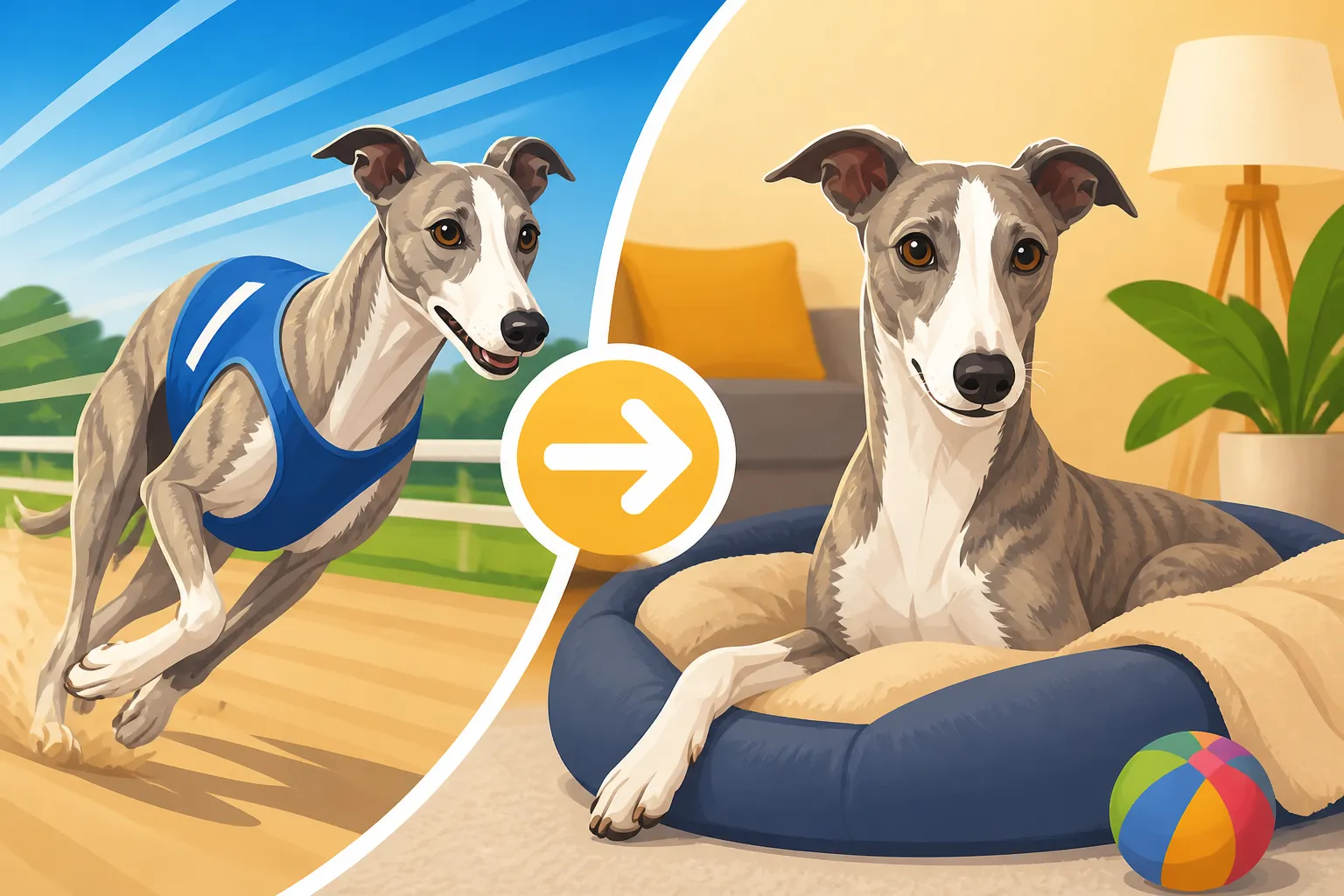
How a Retired Racing Whippet Settles as a Pet
Bringing a retired racing Whippet into your home is a truly rewarding experience, but it’s often met with a unique set of challenges. These incredible athletes have spent their lives in a very structured, specific environment, and transitioning them to the hustle and bustle of a typical family home can feel like learning a whole new language – for both of you! This guide will walk you through what to expect and how to gently support your new companion as they settle into their well-deserved retirement as a cherished pet.
Understanding the Transition from Track to Home
Imagine spending your entire life focused on one main goal: running. That's essentially the life of a racing Whippet. Their world is often built around routine, specific handlers, and the thrill of the chase. When they retire, everything changes overnight, and it’s a massive adjustment.
The Race Life Environment
A racing Whippet’s life is highly regimented. They wake, eat, exercise, and sleep on a strict schedule. Their living quarters are typically kennels, often shared with other Whippets, and while they receive excellent care focused on their physical well-being, the human interaction can be different from what they'll experience in a pet home. Their world might consist of specific people, familiar sights and sounds of the track, and a very clear purpose. They're bred and trained for speed, and their instincts are geared toward the lure.
When they leave that world, they're suddenly confronted with a bewildering array of new sensations. The soft beds, the quiet evenings, the unpredictable noises of a household, and the constant presence of their new human family are all completely foreign. It’s like being dropped onto a different planet, and it's no wonder they can seem a bit bewildered or anxious at first. They are smart and adaptable, but it takes time and patience to re-learn what "normal" means.
Initial Adjustment Challenges
Many retired racers arrive with little to no experience with things we consider commonplace. Stairs can be terrifying, with their open risers looking like bottomless pits. Reflective surfaces, like shiny floors or mirrors, might cause confusion or fear. Everyday household noises – the vacuum cleaner, the doorbell, the washing machine – can be startling. They might never have seen a cat or a small child, or even known what it’s like to walk on grass or carpet instead of dirt or concrete.
House training is another big one. In a kennel environment, they might have had designated potty areas, but the concept of holding it until they go outside might be entirely new. It's not that they aren't smart enough; it's simply that no one ever taught them the rules of a human home. Some might even be hesitant to go out in the rain, a common trait for this thinly-skinned breed. You might find yourself dealing with The Whippet That Will Not Toilet in the Rain more often than you expected!
Patience Is Your Most Important Tool
This period of adjustment isn't a race; it's a marathon of tiny steps forward. Your Whippet needs time, understanding, and consistent, gentle guidance. Rushing them through new experiences or getting frustrated when they don't "get it" immediately will only hinder their progress. Think of it as them downloading a whole new operating system for their brain. It takes a while for all the files to transfer and for them to truly process what's happening around them.
The key is to meet them where they are. If stairs are scary, carry them or use a ramp. If noises are frightening, provide a safe, quiet den. Celebrate every small victory, like a successful potty break outside or a relaxed moment on their new bed. Remember, they are sensitive creatures; a harsh word or impatient tone can be deeply unsettling for them. This is especially true for Whippets, who are known to be quite soft and can shut down if handled too roughly. They learn best with positive reinforcement, as How a Whippet Learns When It Bruises From Pressure explains.
Creating a Safe and Supportive Home Environment
Setting up your home correctly before your retired racer even walks through the door can make a world of difference. It’s all about minimizing stress and maximizing comfort for a dog that's likely experiencing domestic life for the very first time.
Setting Up the Den
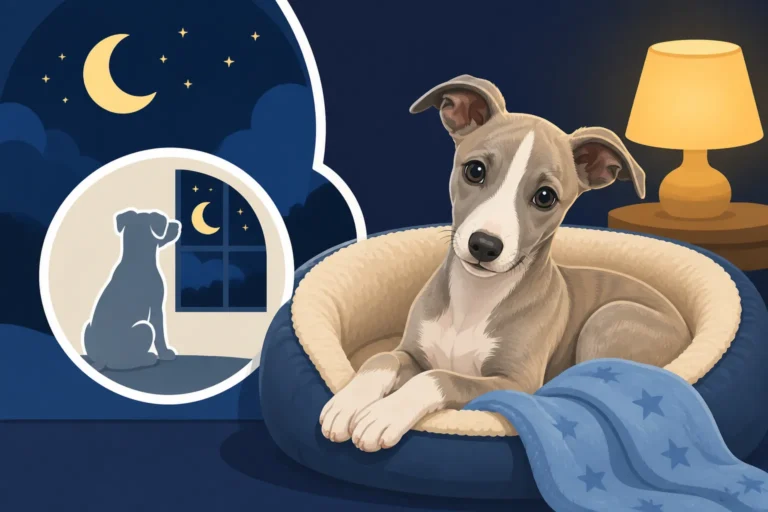
Whippets, by nature, are creatures of comfort. They love warmth, softness, and a secure place to call their own. For a retired racer, this "den" becomes their sanctuary, a place where they can retreat when feeling overwhelmed. Provide multiple soft, plush beds strategically placed around your home. Think orthopedic beds that cradle their lean bodies, or large, cozy dog beds. A crate, if introduced gently and made inviting, can also serve as an excellent den. Fill it with blankets, soft towels, and maybe a gentle chew toy. You can find excellent options on platforms like Amazon, from memory foam mattresses to elevated cots, to ensure their bony frame is well-supported.
Remember, A Whippet Has No Insulation and No Padding, so comfort is paramount. They literally have no body fat to cushion them, making soft surfaces essential to prevent pressure sores. Providing a comfortable, safe haven means they have a predictable spot to relax and feel secure, which is incredibly important for a dog adjusting to new surroundings. Make sure you have Why a Whippet Needs Soft Bedding Everywhere – this isn't just a preference, it's a health necessity.
House Training and Routine
House training a retired racer often means starting from scratch. Establish a consistent potty schedule right away. Take them out frequently – first thing in the morning, last thing at night, after every meal, and after every nap or play session. When they do their business outside, praise them enthusiastically and offer a high-value treat. This positive reinforcement creates a strong association. Be prepared for accidents and clean them up calmly without scolding. They won't understand punishment for something they haven't yet learned is "wrong."
Consistency is the absolute bedrock here. Try to keep meal times, potty breaks, and walks at roughly the same time each day. This predictability helps your Whippet understand the rhythm of their new life and builds confidence. If you're considering crate training, it can be a valuable tool for house training and creating a safe space. Just ensure it's a positive experience, never used for punishment. If you're wondering if your new companion will take to it, read Whether a Whippet Can Be Crate Trained.
Leash Manners and Safe Outdoor Exploration
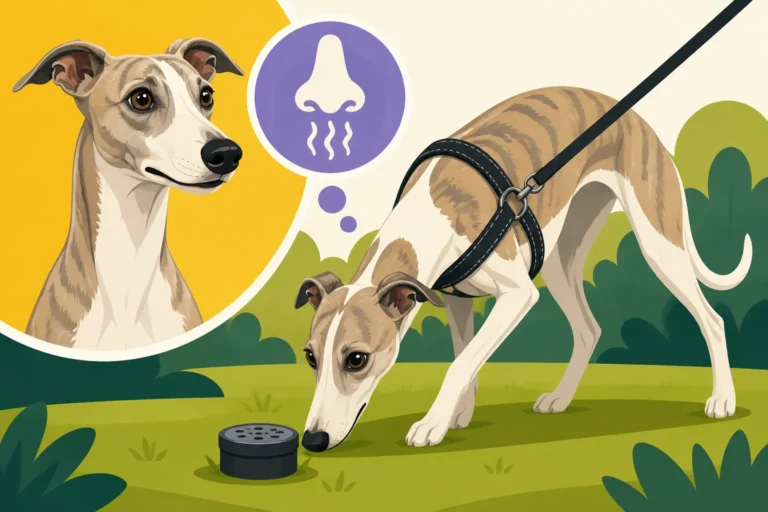
Most racing Whippets are used to being on a leash, but it might be a slip lead or simply walking from a kennel to a turnout area. Walking politely on a leash in a neighborhood with distractions like cars, squirrels, other dogs, and strangers is a completely different skill. Start in a quiet area, using a well-fitting martingale collar or a secure sighthound harness, as their narrow heads can easily slip out of standard collars. Practice short, calm walks, focusing on loose-leash walking.
Their prey drive is incredibly strong. Why a Whippet Cannot Be Let Off Leash in an Open Field cannot be stressed enough; even the most well-trained Whippet can succumb to their instinct to chase, and their speed means they'll be out of reach in a flash. Always keep them leashed or in a securely fenced area. Work on recall in a safe, contained space first, but understand that in an open environment, a squirrel or rabbit will almost always win out over your voice. Long lines can be a great way to give them more freedom to explore safely in open areas while maintaining control.
Building Trust and Teaching Pet Skills
The foundation of a successful relationship with your retired racer is trust. They need to learn that you are their reliable provider of safety, comfort, and positive experiences. This means approaching all training and interaction with kindness and understanding.
Positive Reinforcement for Everything
Whippets are incredibly sensitive. Traditional harsh training methods are not only ineffective but can actively damage your bond and make them fearful. They respond beautifully to positive reinforcement – treats, praise, gentle petting, and toys. Use these rewards to teach them basic cues like "sit," "stay," and "come." Keep training sessions short, fun, and frequent to hold their attention.
An online training program can be a fantastic resource for new Whippet owners, especially those new to positive reinforcement techniques or sighthound quirks. Organizations like BAXTER & Bella offer comprehensive online puppy and dog training programs that focus on building a strong relationship through positive methods. This kind of structured guidance can be invaluable in teaching your retired racer new pet skills while ensuring they feel safe and confident. Remember, every positive interaction builds their confidence and deepens their bond with you.
Socialization Beyond the Track
Retired racers often have limited experience with diverse social situations. They've lived with other Whippets, but perhaps not a variety of breeds, sizes, or temperaments. They might be wary of strangers, children, or other pets. Gradual, positive exposure is key. Start by introducing them to a few calm, friendly dogs in a controlled environment. Supervise all interactions closely. For people, encourage visitors to approach calmly, offer treats, and allow the Whippet to initiate contact if they choose. Never force interactions.
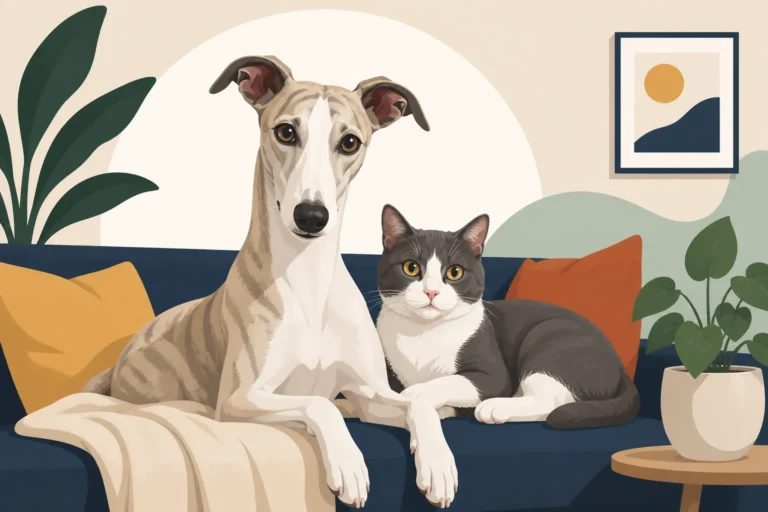
Children need to be taught how to interact gently and respectfully with the dog. Whippets have thin skin and can be quite sensitive to rough play. If you have other pets, especially cats or small animals, proceed with extreme caution due to the Whippet's strong prey drive. Introducing them slowly and safely, always supervised and using physical barriers, is essential. Teaching an adult Whippet to live with a cat is a serious undertaking that requires immense patience and safety precautions.
Addressing Common Anxieties (Noise, Separation)
Many retired racers can be jumpy or anxious around new sounds. Introduce household noises gradually and pair them with positive experiences, like treats or calm praise. For example, turn on the TV quietly while giving them a treat, slowly increasing the volume over time. Providing a safe "den" where they can retreat from noise is also crucial.
Separation anxiety can also be a challenge, as they’ve likely been used to the constant presence of other dogs or handlers. Start by leaving them alone for very short periods, gradually increasing the time. Offer engaging toys or a food puzzle to distract them. Some dogs benefit from having a radio or TV left on. If your Whippet exhibits signs of severe distress when left alone, such as excessive barking, destructive chewing, or inappropriate elimination, you might be dealing with Separation Anxiety in a Whippet. This is a serious issue that may require professional help and a structured approach.
Integrating Your Retired Racer into Family Life
Bringing a retired racer home is a journey of discovery for both of you. You're learning about their unique personality, and they're learning about what it means to be a beloved family pet. The goal is to create a seamless integration where they feel secure, loved, and understood.
Exercise That Fits Their New Life
While they were bred for speed, retired racing Whippets are often described as "45-mph couch potatoes." This isn't a myth! They love a good sprint, but they also adore lounging around the house. Your Whippet will still need regular exercise to stay healthy and happy, but it doesn't mean hours of high-intensity running every day. A couple of brisk walks a day, combined with some secure off-leash play in a fenced yard or at a lure coursing event, will satisfy their exercise needs.
Short bursts of running are often more suited to their physiology than long-distance jogging. Be mindful of the surfaces they run on; wet grass can lead to muscle tears, and hard surfaces can be tough on their joints. Always allow them to warm up before a sprint and cool down afterwards. The Job a Whippet Actually Needs is often a lot less demanding than people expect once they're retired from the track. They still love to stretch their legs, but their primary job in retirement is companionship.
Feeding and Nutrition Adjustments
Racing Whippets are typically on a high-performance diet to fuel their intense activity. When they retire, their caloric needs will decrease significantly. It's important to transition them gradually to a high-quality adult dog food appropriate for their new, less active lifestyle. Sudden dietary changes can cause digestive upset. Monitor their weight closely to ensure they don't become overweight, which can put strain on their delicate frames. You should be able to easily feel their ribs, but not see them prominently poking out.
Establishing consistent meal times helps with routine and house training. Some Whippets can be picky eaters, or they might eat very quickly. If they bolt their food, consider a slow-feeder bowl. Always provide fresh water, especially after exercise. If you're concerned about your Whippet's weight or diet, consult your veterinarian for advice tailored to your dog's specific needs.
The Deep Bond You'll Form
The transition period can be challenging, but the reward of seeing a retired racing Whippet blossom into a confident, affectionate pet is immeasurable. They often form incredibly deep bonds with their new families, showing immense loyalty and gratitude. Their quiet, gentle nature, combined with bursts of playful energy, makes them wonderful companions. They are often profoundly sweet and enjoy nothing more than snuggling on the sofa with their humans, buried under a blanket.
Watching them discover the joys of a soft bed, a squeaky toy, or a gentle scratch behind the ears is a truly heartwarming experience. They teach us patience, resilience, and the profound power of unconditional love. Adopting a retired racer isn't just about giving them a home; it's about opening your heart to a unique and loving soul who will enrich your life in countless ways. If you're considering adopting, you might wonder Whether a Whippet Suits a First Time Dog Owner. With patience and commitment, they absolutely can be a wonderful fit.
Disclaimer
This article is for general informational purposes only and does not constitute professional advice. Laws, prices and regulations vary by location and change over time. Consult a qualified professional for guidance on your specific situation.