How Many Meals a Day a Whippet Needs
One of the trickiest parts of bringing a Whippet into your life, especially if you're new to sighthounds, is figuring out their feeding routine. You see these lithe, seemingly delicate creatures, and then you hear about their boundless energy for a quick sprint, followed by hours of intense napping. It can leave you wondering if you're feeding them enough, too much, or at the right times to fuel their unique lifestyle without making them either underweight or chunky. This guide is here to untangle the mystery of how many meals a day a Whippet truly needs, from their playful puppyhood right through to their golden years.
Understanding Your Whippet's Unique Metabolism
Whippets aren't just small dogs; they're sighthounds, and that means their bodies are built differently from your average Labrador or Poodle. This distinct physiology plays a huge role in how they process food, maintain weight, and utilize energy. Understanding these fundamental differences is the first step to crafting the perfect feeding schedule.
Why Whippets Are Different from Other Breeds
When you look at a Whippet, you're looking at a finely tuned athlete, even if they spend 90% of their day curled up on the sofa. Their body composition is characterized by minimal body fat and dense muscle, perfectly adapted for explosive bursts of speed. This isn't just about appearance; it's about internal mechanics. They tend to have a higher metabolic rate than many other breeds of a similar size, burning through calories more efficiently. This often means they need a nutritionally dense diet that supports their energy needs without excess bulk. Their systems are designed for quick fuel utilization, rather than long-term storage, which is why you'll often see a Whippet's ribs, hips, and spine – a perfectly normal and healthy sight that might alarm someone used to a thicker-set breed. This inherent leanness means they metabolize food differently, and their bodies quickly convert meals into usable energy or simply pass it through if it's not needed.
This unique build also means they can sometimes be more sensitive to certain food types or even meal timing. Their streamlined digestive systems are optimized for efficiency. While they aren't generally prone to being exceptionally "delicate" in terms of gut health, any feeding changes or inconsistencies can be noticed more readily in their energy levels or stool quality. It's a delicate balance to get just right, but once you understand their basic needs, it becomes second nature.
The Importance of a Lean Body Condition
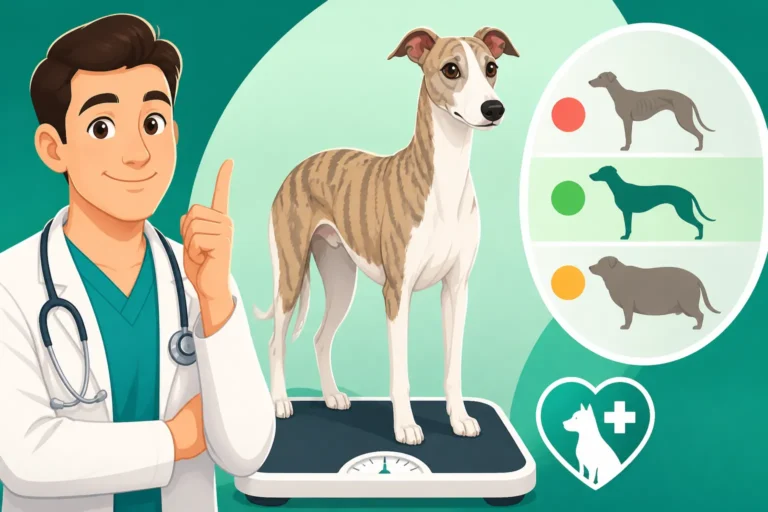
Forget everything you thought you knew about a healthy dog's weight. For a Whippet, a lean body condition isn't just acceptable; it's optimal for their health and longevity. When people who aren't familiar with sighthounds see a well-conditioned Whippet, they often express concern, thinking the dog is underweight. However, a truly healthy Whippet should have visible last two to three ribs, a pronounced tuck-up (where the belly recedes sharply towards the hindquarters), and easily palpable hip bones and spine without much padding. This isn't starvation; it's anatomical correctness for a sighthound. How Thin a Whippet Should Look
Maintaining this lean condition is crucial for preventing joint strain, maintaining peak athletic performance, and reducing the risk of certain health issues later in life. Overfeeding a Whippet, even slightly, can quickly lead to them carrying extra weight, which can put unnecessary stress on their delicate bone structure and agile joints. Therefore, your feeding strategy should always aim to keep them in this ideal, athletic, and slender state. It means being vigilant about portion sizes and understanding that their visible leanness is a sign of good health, not a cause for worry. This awareness is key to correctly interpreting their nutritional needs.
Energy Expenditure: Sprint, Then Sleep
Anyone who lives with a Whippet knows their mantra: "sprint, then sleep." These dogs are explosive athletes, capable of incredible bursts of speed, but they are not endurance runners. A typical Whippet might zoom around the yard for 15-20 minutes, performing high-speed maneuvers and chasing imaginary prey, and then be perfectly content to collapse onto the sofa for a four-hour nap. The Whippet Is a Forty Mile an Hour Couch Potato This distinct pattern of energy expenditure impacts how their bodies utilize and require fuel.
Because they burn intense energy in short, powerful bursts, their meals need to provide readily available fuel without weighing them down. This means that while they might need a good calorie intake overall, it's not usually spread out over hours of continuous activity. Their digestive system efficiently processes their food, and then they conserve energy through rest. This "all or nothing" approach to exercise means you don't necessarily need to be topping them up with small snacks throughout the day like you might with a more continuously active breed. Instead, well-timed, balanced meals that support their recovery and preparation for the next sprint are generally more effective. It reinforces why a consistent, predictable feeding schedule works so well for them – it provides the energy they need before their next 'zoomie' session or race, and then allows them to settle and digest.
Meal Frequency for Whippet Puppies
Whippet puppies are bundles of boundless energy, constantly growing, exploring, and learning. Their little bodies are working overtime, and their feeding schedule needs to reflect this intense period of development. Unlike adult Whippets, puppies can't go as long between meals due to their smaller stomach capacity and faster metabolism.
The First Few Weeks: Small, Frequent Meals
When you first bring home a Whippet puppy, typically around 8-12 weeks old, they are in a crucial stage of rapid growth and development. Their tiny stomachs can only hold so much food at one time, yet their energy demands are incredibly high. For this reason, very young Whippet puppies usually need to be fed three to four times a day. Think of it like a human baby needing small, frequent meals – their systems are still developing, and they need a constant, steady supply of nutrients to support their growth, energy levels, and brain development.
Feeding small, frequent meals helps prevent issues like hypoglycemia (low blood sugar), which can be particularly dangerous for small, fast-growing puppies, especially those with such lean body mass. It also aids in more efficient digestion and absorption of nutrients. If you try to give them too much food in one go, they might struggle to digest it all, leading to an upset tummy or simply not getting the full benefit of the meal. A consistent routine also helps with house training, as you can more easily predict when they'll need to go outside after eating.
Transitioning to Fewer Meals: A Gradual Process
As your Whippet puppy grows, usually around 4 to 6 months of age, their digestive system matures, their stomach capacity increases, and their growth rate, while still significant, starts to slow down slightly. This is when you can begin the gradual process of transitioning them to fewer meals per day. Many owners find that moving from four meals to three, and then eventually to two, works perfectly. This isn't a hard and fast rule, but a general guideline.
The key word here is "gradual." Don't suddenly cut a meal out entirely. Instead, you might slightly increase the portion size of the remaining meals while slowly phasing out one of the smaller, mid-day feedings. Observe your puppy closely during this transition. Are they still energetic? Are they maintaining a healthy weight? Are their stools consistent? These are all indicators that the change is going smoothly. For example, if they're currently on four meals, you might shift the mid-morning and mid-afternoon meals closer to breakfast and dinner, eventually consolidating them. The Meal Schedule a Whippet Puppy Needs Most Whippet puppies are comfortably on a two-meal-a-day schedule by the time they are 6-9 months old, though some might thrive on three meals a day for a bit longer, especially if they are particularly active or have a sensitive stomach.
Avoiding Puppy Hunger Pangs and Upset Stomachs
Puppies, being the hungry little sharks they are, can sometimes act like they're starving even when they're not. If you notice your Whippet puppy constantly scavenging for food, whining before meal times, or rapidly devouring their meals, it might be a sign that the time between feedings is too long, or the portions are a little too small. While a certain level of puppy enthusiasm for food is normal, extreme hunger can lead to gulping food too quickly, which can cause indigestion, gas, or even vomiting.
A well-structured feeding schedule helps regulate their hunger and minimizes stomach upset. Ensuring their meals are appropriately spaced means their little bodies can fully digest one meal before the next one arrives, preventing their system from being overloaded. If you find your puppy gets an upset stomach easily, sticking to a consistent schedule and potentially splitting their daily ration into three smaller meals for a longer period can be beneficial. It's about finding that sweet spot where they get enough nourishment without feeling perpetually ravenous or suffering digestive distress. Remember, their small size and rapid growth make them quite vulnerable to imbalances, so consistency and thoughtful portioning are your best friends.
Feeding Schedule for Adult Whippets
Once your Whippet matures, typically between 9 months and a year old, their rapid growth period slows down, and their dietary needs stabilize. This is when you'll settle into a routine that suits their adult metabolism and lifestyle. For most adult Whippets, a twice-daily feeding schedule is the gold standard, but there can be exceptions.
The Standard Recommendation: Two Meals a Day
For the vast majority of adult Whippets, feeding twice a day – once in the morning and once in the evening – is the most effective and widely recommended approach. This schedule aligns well with their natural activity patterns, providing a burst of energy to start the day and then another meal to refuel and recover after their afternoon adventures and before a long night's sleep. Splitting their daily caloric intake into two meals allows for better digestion and absorption of nutrients compared to a single large meal, which can sometimes be too much for their system to handle at once.
This twice-daily routine also helps to regulate their metabolism, keeping their energy levels more consistent throughout the day and preventing extreme hunger or overeating. It becomes a predictable rhythm that they quickly learn, reducing anxiety around food and helping with house training consistency. Plus, it's convenient for most owners, fitting easily into typical human breakfast and dinner times. Many owners find their Whippets thrive on this simple, consistent routine, maintaining their lean physique and sparkling energy without fuss.
When Three Meals Might Be Better
While two meals a day works for most adult Whippets, there are specific situations where a three-meal-a-day schedule might actually be more beneficial. One primary reason is for Whippets with particularly sensitive stomachs. Some individuals, despite being adults, simply do better with smaller, more frequent portions to avoid digestive upset, gas, or regurgitation. Spreading their food intake over three meals can make it easier on their system, much like how some people prefer several small meals throughout the day.
Another instance where three meals could be advantageous is for highly active Whippets, such as those involved in regular lure coursing, Fast CAT, or competitive racing. Whether a Racing Whippet Needs More Calories These dogs burn a tremendous amount of energy, and providing a small, easily digestible meal midday can help sustain their performance and recovery without causing a heavy, full feeling before their next burst of activity. Furthermore, some Whippets are simply "picky eaters" or have lower appetites. Offering smaller, more frequent meals can sometimes entice them to eat more consistently throughout the day, ensuring they meet their daily caloric requirements without feeling overwhelmed by a larger portion. It's all about listening to your individual Whippet and adjusting their schedule to best suit their unique needs and lifestyle.
Avoiding Bloat GDV in Whippets
Gastric Dilatation-Volvulus (GDV), commonly known as bloat, is a life-threatening condition where the stomach fills with gas and twists. While Whippets are not considered a high-risk breed for bloat compared to their larger sighthound cousins like Greyhounds or Great Danes, it's still a serious concern for any dog owner. Their deep chests are a common characteristic among breeds more prone to this condition, so it's always wise to be aware and take preventative measures. Bloat in a Whippet
To minimize the risk, whether your Whippet is fed two or three times a day, avoid vigorous exercise immediately before or after meals. Give them at least an hour to settle and digest before any strenuous activity. Providing fresh water is always important, but monitor how much they drink rapidly after eating. Some owners choose to use elevated food bowls, though the scientific evidence on whether this truly prevents bloat is mixed and some studies even suggest it might increase risk in certain breeds; discuss this with your vet. Crucially, if you notice any signs of bloat – such as a distended abdomen, unproductive retching, pacing, drooling, or apparent discomfort – seek emergency veterinary care immediately. Early intervention is critical for survival. While rare in Whippets, being proactive about meal timing and post-meal activity is a simple way to contribute to their safety and well-being.
Special Considerations for Feeding Times
Just like people, not all Whippets fit into a neat, one-size-fits-all feeding schedule. Their life stage, activity level, and individual health can all influence how many meals they need and when. Being adaptable and observing your dog are key components of a successful feeding strategy.
Athletes and Working Whippets
For Whippets that are serious athletes – regularly competing in activities like lure coursing, racing, or agility – their dietary needs and meal timing can be significantly different from a typical pet Whippet. These dogs require higher caloric intake to fuel their intense energy expenditure and support muscle recovery. Simply increasing the portion size of their regular meals might not be enough or ideal, especially if it leads to overfilling their stomach right before or after an event.
Instead, their feeding schedule might need fine-tuning. Some competitive Whippet owners opt for three smaller meals a day, strategically spaced to provide energy when needed and allow for adequate digestion. For instance, a light, easily digestible breakfast, a small, calorie-dense snack or meal mid-day, and then a more substantial dinner after training or competition. Whether a Whippet Should Be Fed Before Racing Hydration is also paramount, and sometimes liquid nutrition or broths can be incorporated. It's not just about the amount of food, but the type of food and when it's given. Consulting with a veterinarian or a canine nutritionist experienced with athletic dogs is highly recommended to create a tailored plan that supports their peak performance and health, ensuring they have the fuel they need without compromising their comfort or agility.
Older Whippets and Changing Needs
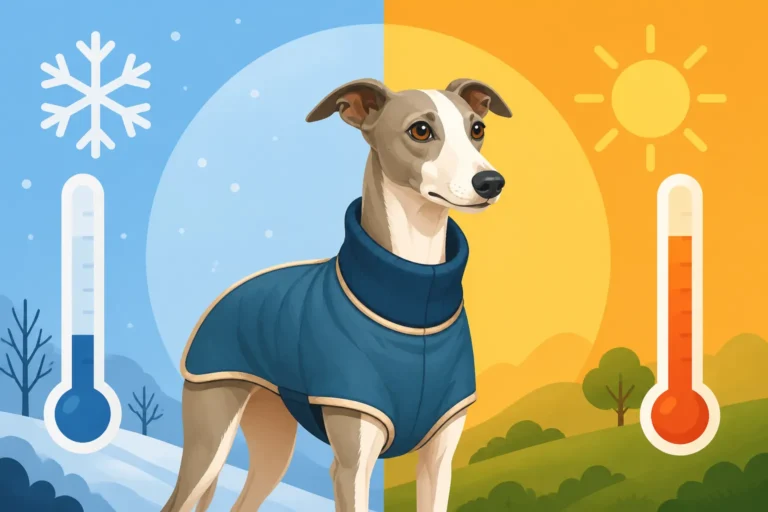
As your Whippet enters their senior years, typically around 8-10 years old, their body undergoes several changes that can impact their feeding requirements and schedule. Caring for an Old Whippet That Feels the Cold Their metabolism often slows down, meaning they might require fewer calories to maintain a healthy weight. Continuing to feed them the same amount of food they ate as a younger, more active adult can quickly lead to unwanted weight gain, which is detrimental to aging joints and overall health.
Additionally, older Whippets might develop dental issues, making it harder or more uncomfortable to eat hard kibble. This could necessitate switching to a softer diet, or at least adding water or broth to their kibble to soften it. Appetite can also fluctuate; some seniors become pickier, while others might develop health conditions that affect their hunger. For some older Whippets, splitting their food into three smaller, more easily digestible meals can be beneficial, especially if they have a sensitive stomach or struggle with larger portions. It can also help if they have conditions like kidney disease or diabetes, where consistent, smaller nutrient intake is preferred. Regular veterinary check-ups are essential for senior Whippets to monitor their weight, health, and to adjust their diet and feeding schedule accordingly.
Picky Eaters and Sensitive Stomachs
Whippets, for all their elegance, can sometimes be surprisingly finicky eaters. And like many breeds, some individuals are simply born with a more sensitive digestive system. If you have a Whippet who frequently turns up their nose at mealtime or experiences regular bouts of an upset stomach, adjusting their meal frequency might be a helpful strategy. Why a Whippet Is a Picky Eater For picky eaters, offering two meals a day might mean they ignore one entirely or graze slowly, not finishing their food. In these cases, sometimes offering three smaller meals can re-ignite their interest and encourage them to eat more consistently throughout the day. The smaller portions can seem less daunting, and the increased frequency might stimulate their appetite.
For Whippets with sensitive stomachs, larger meals can sometimes overwhelm their digestive tract, leading to issues like gas, bloating, or loose stools. Splitting their daily ration into three smaller meals can make digestion much easier. It provides their system with a continuous, manageable flow of nutrients rather than a large influx all at once. If you're dealing with either a picky eater or a sensitive stomach, consider warming their food slightly, or adding a small amount of low-sodium broth or a vet-approved food topper. Brands like Ollie offer fresh food options that can be highly palatable for picky eaters and gentle on sensitive stomachs, and you can find many other suitable toppers and foods through retailers like Chewy or Amazon. Remember to introduce any changes to their diet or schedule slowly to avoid further upset, and always consult your vet for persistent digestive problems.
Practical Tips for Mealtime Success
Beyond just how many times a day you feed your Whippet, the how and what of mealtime also play a huge role in their overall health and happiness. Establishing a consistent routine and paying attention to their individual cues can make all the difference.
Consistency is Key
Dogs, and especially Whippets, thrive on routine. Their world is built on predictability, and mealtime is a huge part of that. Establishing a consistent feeding schedule – feeding them at roughly the same times every day – is paramount for their digestive health, emotional well-being, and even house training. When meals are served at regular intervals, their digestive system learns to anticipate food, optimizing the production of digestive enzymes and gastric acids. This leads to more efficient digestion and absorption of nutrients, and fewer instances of an upset stomach.
Beyond the physical benefits, a consistent schedule provides mental comfort for your Whippet. They know when to expect their next meal, which can reduce anxiety, prevent excessive begging, and establish a clear structure to their day. It also helps you, the owner, stay on track with their feeding and makes it easier to monitor their appetite and general health. Any sudden changes to their routine, whether it's meal timing or food type, can sometimes throw them off, leading to temporary digestive issues or behavioral changes. So, pick a schedule that works for both you and your Whippet, and stick to it like glue!
Monitoring Body Condition
One of the most important aspects of responsible Whippet ownership is continuously monitoring their body condition. Because they are naturally so lean, it can be easy to misinterpret a healthy weight for being underweight, or to miss subtle signs of gaining too much. Your goal is to keep them in their athletic, sighthound build, where you can easily feel their ribs, spine, and hip bones without them being sharply protruding, and they have a distinct abdominal tuck. What Body Condition Score a Whippet Should Be
Regularly perform a "hands-on" check. Run your hands over their rib cage; you should feel the ribs distinctly, but not see them sharply defined without any muscle or fat covering. Look at them from above – they should have a clear waist. From the side, their abdomen should tuck up gracefully from their chest. If their ribs are disappearing under a layer of fat, or their waist is less defined, it's time to consider reducing their portion sizes slightly or increasing their exercise. Conversely, if their bones are too prominent, they might need a bit more food. Remember, adjusting their total amount of food is usually the first step, not necessarily changing the frequency of their meals. Many excellent quality Whippet foods can be found on Chewy, and you can stock up on supplements or other nutritional aids through Amazon.
Choosing the Right Food and Portions
Deciding how many meals a day your Whippet needs is only half the battle; the other half is ensuring they're eating the right food in the correct amounts. Given their unique metabolism and lean build, a high-quality, protein-rich diet is essential. Look for dog foods where meat is the first ingredient, and that are formulated for active dogs or all life stages. The specific brand you choose matters less than the nutritional quality and how well your individual Whippet thrives on it. Many owners find success with premium kibbles, while others opt for fresh food delivery services like Ollie, which can be fantastic for palatability and sensitive stomachs.
Always refer to the feeding guidelines on the back of your chosen dog food package, but treat them as a starting point, not strict dogma. These guidelines are generalized and don't account for your Whippet's exact activity level, individual metabolism, or specific body condition. You'll likely need to adjust the suggested portions up or down based on your observations of your dog's weight and energy. If your Whippet is highly active, they might need slightly more than the recommended amount; if they're a true couch potato, they might need a bit less. The goal is to feed them enough to maintain that lean, healthy sighthound physique without overdoing it. A measuring cup is your best friend to ensure consistent portions at each meal.
| Life Stage | Recommended Meal Frequency | Typical Daily Meals | Key Considerations |
|---|---|---|---|
| Puppy | Small, frequent meals | 3-4 meals | Rapid growth, small stomach capacity, prevent low blood sugar |
| Adult | Consistent, scheduled meals | 2 meals | Stable metabolism, energy for "sprint and sleep" lifestyle |
| Athlete | Balanced for performance | 2-3 meals | Higher caloric needs, energy before/after activity |
| Senior | Potentially smaller, more frequent | 2-3 meals | Slower metabolism, dental health, appetite fluctuations |
Disclaimer
This article is for general informational purposes only and does not constitute professional advice. Laws, prices and regulations vary by location and change over time. Consult a qualified professional for guidance on your specific situation.