What a Whippet Needs Every Day
Bringing a Whippet into your life means committing to their unique needs every single day. These aren't just pretty faces; they are sensitive, athletic creatures who thrive on routine, comfort, and deep connection with their people. It can feel a bit overwhelming at first to figure out exactly what your sleek companion requires, especially when they look so different from other breeds, but don't worry—this guide is here to walk you through all the daily essentials for a healthy, happy Whippet.
Daily Nutrition: Fueling Their Sighthound Life
One of the first things you'll notice about your Whippet is just how lean they are. People often mistake their natural slenderness for being underweight, which can lead to overfeeding if you're not careful. The goal isn't to make them chunky; it's to provide them with the right fuel to support their active, yet often sleepy, lifestyle.
The Right Food for a Lean Machine
Choosing the right food for your Whippet is paramount to their overall health and energy levels. These dogs are built for short bursts of incredible speed, not sustained endurance, and their diet should reflect that. They need a high-quality dog food that provides a good balance of protein, healthy fats, and digestible carbohydrates. Look for foods where a named meat source is the first ingredient, avoiding excessive fillers that offer little nutritional value. While they are sighthounds, their dietary needs aren't wildly different from other active dogs, but their metabolism can be quite efficient. Some owners find that a slightly higher protein content helps maintain their muscle mass without adding unnecessary fat. Don't fall for marketing gimmicks promising "sighthound specific" formulas that are just overpriced; focus on quality ingredients.
It’s easy to get caught up in the latest diet trends, like grain-free or raw feeding. For Whippets, the most important factor is finding a food that agrees with their individual stomach and provides consistent, balanced nutrition. Some Whippets can have surprisingly sensitive tummies, manifesting as loose stools or occasional vomiting if their food doesn't suit them. If you're considering a change, do it slowly over several days to a week, gradually mixing the new food with the old. And remember, just because a food is expensive doesn't mean it's the best for your Whippet. Pay attention to how they thrive on it, their coat condition, energy, and stool quality. Brands like Ollie offer fresh, human-grade food that can be excellent for sensitive stomachs, though it often comes at a higher price point.
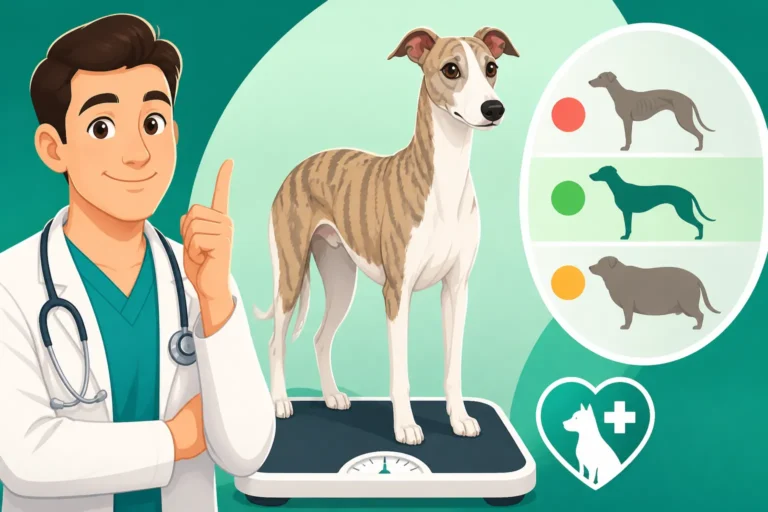
Ultimately, the best food helps your Whippet maintain their ideal lean body condition, where you can easily feel their ribs but not see them sharply protruding, and their hip bones are palpable but not jutting out. Too much weight can strain their delicate joints, while too little can impact their energy and immune system. It's a fine balance, and it’s always best to consult with your vet about your specific dog’s needs, especially if you have concerns about their weight or diet. Think of their food as premium fuel for a high-performance, albeit often dormant, engine.
Portion Control and Feeding Schedules
Getting the portion size right is crucial for a Whippet. Given their slender build, it’s often surprising how little food they actually need compared to larger, heavier breeds. Overfeeding, even by a small amount daily, can quickly lead to an unhealthy weight gain that puts stress on their joints and cardiovascular system. Always start with the feeding guidelines on your chosen dog food bag, but be prepared to adjust based on your individual Whippet’s activity level, age, and metabolism. A Whippet who zips around the yard for an hour a day might need slightly more than one who prefers to spend most of their time curled up on the sofa.
Most adult Whippets do well on two meals a day – one in the morning and one in the evening. This helps prevent them from feeling overly hungry and can also aid in digestion, making bloat less likely, though bloat is thankfully rare in Whippets. Puppies, of course, will need more frequent, smaller meals as they grow. Consistency in feeding times can also help regulate their digestive system and make house-training easier by establishing a predictable schedule for potty breaks. Avoid leaving food out all day, as this can encourage picky eating habits or overeating.
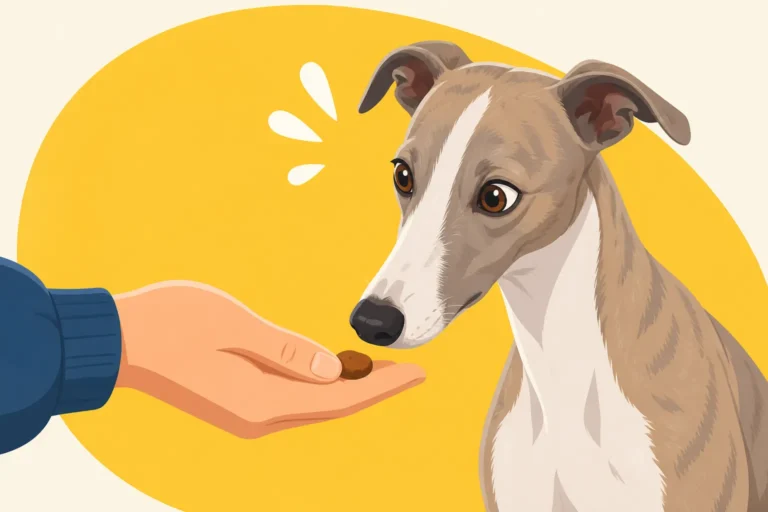
It’s easy to forget that treats also contribute to their daily caloric intake. If you're using treats for training or just as an act of love, factor them into their overall diet. Opt for small, low-calorie treats, or even use pieces of their regular kibble for training sessions. Remember, a healthy Whippet is a lean Whippet. If you find yourself asking Keeping Weight On a Whippet Without Making It Fat, adjusting portions and treat intake is often the first step. You should be able to feel their ribs without pressing hard, and see a distinct waistline when viewed from above.
Hydration and Supplements
Just like us, adequate hydration is fundamental for your Whippet's health. Fresh, clean water should be available to them at all times. A large, sturdy bowl filled with water in a quiet, accessible spot is a daily necessity. If you have multiple pets, ensure there are enough water sources for everyone. In warmer weather or after a strenuous play session, they will naturally drink more, so be diligent about refilling their bowl. Some Whippets can be quite particular about their water, preferring it fresh and cool. Consider a filtered water bowl or a pet fountain if your Whippet seems hesitant to drink enough, especially if you live in an area with highly chlorinated tap water.
When it comes to supplements, most Whippets on a high-quality, balanced diet don't need a daily regimen of additional vitamins or minerals. However, there are a few exceptions where a vet might recommend certain supplements. For instance, if your Whippet develops joint stiffness in their later years, a glucosamine and chondroitin supplement might be suggested to support joint health. Similarly, some owners might consider fish oil for its omega-3 fatty acids, which can promote a healthy, shiny coat and benefit skin health. However, always discuss any potential supplements with your veterinarian before introducing them. What works for one dog might not be necessary or even safe for another.
The idea that supplements are a magic bullet for all health problems is a myth. Often, issues stem from an imbalanced diet or an underlying condition that needs veterinary attention, not just a pill. Focusing on a good diet, plenty of fresh water, and regular exercise provides the best foundation for your Whippet's health. Remember, their unique body means paying close attention to these basics will yield the best results for their long-term well-being.
Exercise and Mental Stimulation: More Than Just Speed
It’s easy to look at a Whippet’s sleek, muscular physique and assume they need to be running for hours every day. While they are undeniably fast—capable of hitting Thirty Five Miles an Hour and No Brakes on a Whippet's Recall—they are also famous couch potatoes. Their exercise needs are unique, balancing intense bursts of speed with long periods of rest. Getting this balance right is key to a happy and well-adjusted Whippet.
Structured Exercise vs. Free Play
Every day, your Whippet needs some form of physical exertion, but it doesn't have to be an all-day affair. A good combination of structured walks and opportunities for safe, off-leash running is ideal. Leashed walks, ideally 2-3 times a day for 20-30 minutes each, provide consistent exercise, mental stimulation from sniffing new scents, and reinforce leash manners. A proper sighthound collar, like a martingale, is essential on walks to prevent them from slipping out if they get spooked or spot a squirrel.
However, a Whippet's true joy often comes from a chance to really stretch their legs. This means finding a secure, fully fenced area where they can run at top speed without any risk of escaping or encountering unexpected dangers like traffic or other animals. Dog parks can be risky for Whippets; their thin skin and playful nature can make them susceptible to injury from rough play with larger, heavier breeds, and their high prey drive means they might see small, fluffy dogs as something to chase. Lure coursing or Fast CAT events are fantastic ways to safely channel their instinctual drive to chase. Remember, when they are off-leash, Why a Whippet Cannot Be Let Off Leash in an Open Field is paramount due to their incredible speed and laser-focus on anything that moves.
The key is balance. They aren't marathon runners; they are sprinters. A couple of good sprints a few times a week, combined with daily walks, is usually sufficient. On days where intense running isn't possible, longer, leisurely walks or indoor play sessions will still help burn off energy. Don't be fooled by their seemingly endless energy when they're in full flight; they truly are The Whippet Is a Forty Mile an Hour Couch Potato for much of the day.
Mental Engagement and Enrichment
Physical exercise is important, but a Whippet also needs mental stimulation to stay happy and prevent boredom-related behaviors. These intelligent dogs can get bored easily if their minds aren't engaged. Daily opportunities for problem-solving and learning can be just as tiring, in a good way, as a good run. Simple training sessions, even just 10-15 minutes a day, can work wonders. Practicing basic obedience commands, or teaching new tricks, strengthens your bond and gives them a "job" to do.
Puzzle toys are excellent for mental enrichment. Fill a Kong with peanut butter or treats, or invest in a slow feeder bowl, to make mealtime more of a challenge. Snuffle mats are also great for engaging their sense of smell and rewarding their natural foraging instincts. Hide-and-seek with treats or favorite toys can be a fun game that taps into their problem-solving skills. These activities are particularly valuable on rainy days when outdoor exercise might be limited.
Rotate their toys to keep things interesting and novel. A new toy, even a simple one, can provide hours of entertainment as they figure it out. Don't underestimate the power of simply interacting with your Whippet. Engaging them in conversation, playing gentle games of tug (with appropriate rules), or just spending quiet time together on the sofa all contribute to their mental well-being. A bored Whippet might resort to counter-surfing or chewing things they shouldn't, so keep their brains active.
The Importance of Rest
Perhaps one of the most defining characteristics of a Whippet is their profound appreciation for rest. After a good walk or a quick sprint, they are masters of the art of napping. They truly embody the phrase "forty-mile-an-hour couch potato." This isn't laziness; it's how their bodies are designed. Their high-intensity bursts of activity require significant recovery time. You'll often find them curled up in the strangest positions, often under blankets, recovering from their exertions.
Ensuring your Whippet has plenty of comfortable, warm, and secure places to rest is a daily essential. They don't do well on hard floors due to their lack of body fat and thin skin, which makes them prone to pressure sores. Soft beds, padded crates, and permission to snuggle on the sofa are not luxuries; they are necessities. Providing them with multiple cozy spots around the house allows them to choose where they feel most secure and comfortable at any given moment. The Beds a Whippet Owner Keeps Buying is a common refrain because we want them to be comfortable everywhere!
This need for ample rest also means respecting their downtime. Don't constantly rouse them from sleep for play or attention. Allow them to recharge their batteries. A well-rested Whippet is generally a happier, more even-tempered companion. Understanding and accommodating their unique exercise and rest cycle is fundamental to their daily well-being.
Comfort and Warmth: Protecting Their Delicate Body
One look at a Whippet and you can immediately tell they're not built for harsh weather. Their incredibly thin skin and lack of body fat mean they feel the cold acutely and are susceptible to bumps and scrapes. Providing daily comfort and warmth isn't just about pampering; it's about protecting their health and ensuring their physical and emotional well-being.
The Necessity of Soft Bedding
Let's be frank: a Whippet cannot and should not sleep on a hard floor. Seriously. They have virtually no body fat, minimal padding, and incredibly thin skin. This makes them highly prone to developing pressure sores and calluses, especially on their elbows, hocks, and hips, if they are consistently resting on unyielding surfaces. Think about it – if you slept on the floor every night, you'd be sore and achy, and your Whippet feels it even more intensely.
Therefore, providing ample, soft, and supportive bedding is a daily, non-negotiable requirement. This means plush dog beds in every room they frequent, soft blankets for burrowing, and allowing them on furniture (if you're comfortable with it) where they can nestle into cushions. Memory foam beds can be a godsend for their joints, especially as they get older. If you use a crate, it absolutely must be fitted with a thick, soft mat or bed. A naked plastic crate bottom is simply unacceptable for a Whippet. Why a Whippet Cannot Sleep on a Hard Floor isn't a preference; it's a physiological need.
It's not uncommon for Whippet owners to have more dog beds than human furniture! They will seek out warmth and softness instinctively. Observing where your Whippet likes to nap can guide you on where to place additional beds or blankets. They often enjoy burrowing under blankets, so having a few throws readily available is a good idea. This commitment to soft bedding will prevent discomfort, protect their skin, and contribute significantly to their overall contentment.
Wardrobe Essentials for a Whippet
Just as soft bedding is crucial indoors, appropriate clothing is essential when your Whippet ventures outside, especially in cooler weather. Their minimal body fat means they don't have natural insulation. The Wardrobe a Whippet Needs Because It Has No Body Fat is a real thing, and it goes beyond just looking cute. A Whippet shivering is not just uncomfortable; it can lead to health issues if they get too cold.
For chilly days, a well-fitting fleece or sweater is a must. When temperatures drop further, or if there's wind, rain, or snow, a waterproof and insulated winter coat becomes indispensable. Look for coats that cover their chest and belly well, as these areas are particularly exposed. Brands available on Chewy or Amazon often carry sighthound-specific designs that accommodate their deep chests and slender waists, offering a much better fit than generic dog coats. Don't forget about paw protection in extreme cold or on salted pavements; dog boots can prevent frostbite and chemical burns.
Even in milder weather, some Whippets, particularly those with very short, sparse coats or older individuals, may appreciate a light jacket. The goal is to keep them comfortably warm, not overheated. Always check the weather forecast before heading out, and dress your Whippet accordingly. Having a selection of coats and sweaters on hand is not excessive for a Whippet owner; it’s a necessary part of their daily care.
Temperature Regulation Indoors and Out
Beyond specific clothing, daily attention to your Whippet’s overall temperature regulation is vital. Indoors, they thrive in a comfortable room temperature, typically what you'd find pleasant yourself. Avoid leaving them in drafty areas or unheated rooms, especially overnight. Many Whippets will seek out sunbeams or snuggle under blankets to maintain their warmth. You might even find them burrowing under your duvet at night – it's instinctual!
In warmer weather, while they don't have thick fur, they can still overheat, particularly if exercising vigorously in direct sun. Their dark skin can absorb heat, and while they enjoy sunbathing, prolonged exposure can lead to sunburn, especially on their delicate pink bellies or noses. Ensure they always have access to shade and plenty of fresh water. If you're out for a walk on a hot day, stick to cooler times of the day (early morning or late evening) and avoid hot pavement that can burn their paw pads.
Learning to read your Whippet's cues is part of daily care. Shivering, hunching, or trying to burrow intensely usually means they are cold. Panting excessively, seeking cool surfaces, or being reluctant to move could indicate they're too warm. Adjusting their environment or clothing based on these signs is a constant, daily responsibility that ensures their comfort and health.
Grooming and Hygiene: Simple Care for a Low-Maintenance Breed
One of the many joys of owning a Whippet is their relatively low-maintenance grooming routine. Their short, fine coat doesn't tangle, they shed minimally, and they have very little "doggy" odor. However, "low-maintenance" doesn't mean "no maintenance." Daily attention to a few key areas will keep your Whippet looking pristine and feeling great.
Coat Care and Bathing
Your Whippet's coat is a thing of beauty – sleek, shiny, and soft. Keeping it that way requires very little effort. A quick brush a few times a week with a soft rubber curry brush or a grooming mitt is usually all that's needed. This helps to remove loose hairs, stimulate circulation, and distribute natural oils, enhancing that signature Whippet sheen. You'll find they don't shed much, certainly not like a Golden Retriever, but they do shed fine hairs year-round. Regular brushing helps keep these hairs off your furniture.
Bathing a Whippet is rarely a frequent affair. Because they have very little natural odor and their short coats don't trap dirt, they typically only need a bath when they've genuinely rolled in something questionable, or if they have a skin condition requiring medicated shampoo. Over-bathing can strip their delicate skin of essential oils, leading to dryness or irritation. When you do bathe them, use a gentle, dog-specific shampoo, and ensure you rinse thoroughly to avoid any residue. Their thin skin can be surprisingly sensitive, so harsh chemicals or perfumes are best avoided.
After a bath, make sure to dry them completely, especially in cooler weather, as they can get chilled quickly. A soft towel dry is often sufficient, but for extra warmth, you can follow up with a gentle blow dryer on a cool setting. Most Whippets tolerate grooming sessions well, especially if introduced positively as puppies. A little daily attention to their coat will keep it healthy and shining.
Nail Trims and Paw Health
While coat care is easy, nail care is an area where daily or at least very regular attention is absolutely crucial. A Whippet's nails grow quickly, and if left untrimmed, they can become uncomfortably long. Overgrown nails can affect their gait, cause pain, and even lead to splayed feet or toe injuries. Since they are built for speed and agility, healthy paws are non-negotiable.
Aim to trim your Whippet's nails every 1-2 weeks. This might sound frequent, but short, regular trims are much easier than trying to tackle overgrown nails. If you start this routine when they are puppies, they'll likely accept it as a normal part of their day. Use sharp, good-quality clippers or a dremel tool. The key is to take off small amounts at a time to avoid cutting into the quick, which is painful and will make your Whippet hate future trims. If you’re unsure, ask your vet or a professional groomer for a demonstration.
Beyond nail trims, a quick daily check of their paw pads is a good habit. Look for any cuts, cracks, thorns, or signs of irritation. Because their pads are relatively delicate, especially compared to some working breeds, they can be prone to minor injuries from rough terrain or hot pavement. A little paw balm can help keep their pads soft and prevent cracking, particularly in dry or cold weather.
Dental Care: The Silent Battle
Dental health is often overlooked until a problem becomes severe, but for Whippets, it's a critical daily consideration. They are notoriously prone to dental disease, with tartar buildup and gum disease often appearing at a younger age than in many other breeds. This isn't just about bad breath; poor dental hygiene can lead to painful infections, tooth loss, and even systemic health issues affecting the heart, kidneys, and liver. Teeth Are the Whippet Problem That Sneaks Up on many unsuspecting owners.
The absolute best way to combat dental disease is daily tooth brushing. Yes, daily! Using a dog-specific toothbrush and enzymatic toothpaste, aim to brush their teeth for at least a minute, focusing on the outside surfaces of their upper molars where tartar tends to accumulate most rapidly. Start slowly, making it a positive experience with plenty of praise and treats. If daily brushing isn't feasible, aiming for every other day is a good compromise, but less frequent than that will likely not be enough.
In addition to brushing, dental chews approved by the Veterinary Oral Health Council (VOHC) can help reduce plaque and tartar between brushings, but they are not a substitute for mechanical brushing. Raw bones or other hard chews should be approached with caution, as they can sometimes lead to cracked teeth in determined chewers. Regular professional dental cleanings under anesthesia, as recommended by your vet, will also be necessary to remove stubborn tartar and address any underlying issues. Establishing a daily dental routine from puppyhood will save you and your Whippet a lot of trouble (and expense!) down the road.
Health Monitoring and Preventive Care: Staying Ahead of Potential Issues
Whippets are generally a healthy, long-lived breed, with many reaching The Twelve to Fifteen Years a Whippet Lives. However, like all breeds, they have certain predispositions and health considerations that owners should be aware of. Daily observation and consistent preventive care are your best tools for catching any issues early and ensuring your Whippet enjoys a full, vibrant life.
Daily Health Checks
Incorporating quick, daily health checks into your routine can help you spot subtle changes that might indicate a problem. This doesn't need to be a formal examination; simply being observant during your interactions will suffice. As you pet them, feel for any new lumps, bumps, or tender spots on their body. Check their skin for any redness, flakiness, or irritation, especially on their thin, delicate areas. Their sparse coat makes it easier to notice these things.
Pay attention to their eyes and ears. Their eyes should be clear and bright, free from excessive discharge or redness. Their rose ears, which typically lie flat, should be clean and odorless, with no signs of inflammation or waxy buildup. While Whippets are less prone to ear infections than floppy-eared breeds, it’s still good practice to check them. Observe their gait during walks and play – are they moving freely and without lameness? Is their tail carriage normal?
Also, keep an eye on their appetite and water intake. Any significant change – either a sudden refusal to eat or drink, or excessive hunger/thirst – warrants attention. Similarly, monitor their bathroom habits: stool consistency, frequency, and urine color can all be indicators of internal health. Early detection of changes often means easier and more successful treatment outcomes.
Regular Veterinary Check-ups
While daily home checks are important, they are not a substitute for regular veterinary care. Your Whippet needs at least an annual check-up with your veterinarian. These visits are crucial for preventative care, including vaccinations, parasite control (heartworm, fleas, ticks), and a thorough physical examination by a professional. As Whippets age, your vet might recommend more frequent visits or specific screenings.
It's particularly helpful to find a veterinarian who is familiar with sighthound physiology. Whippets have some unique characteristics, such as higher packed cell volume (PCV) and lower thyroid readings that might be considered abnormal in other breeds but are normal for them. The Bloodwork Numbers That Look Wrong on a Healthy Whippet often confuse vets unfamiliar with the breed. Discussing a sighthound anesthesia protocol with your vet is also important, as they can be more sensitive to certain sedatives and slower to metabolize others.
These routine check-ups are also an opportunity to discuss any concerns you might have, from behavioral quirks to dietary questions or specific health worries. Your vet is your best partner in ensuring your Whippet's long-term health and well-being. Don't hesitate to reach out to them if something just doesn't seem right with your dog.
Understanding Whippet-Specific Concerns
While generally robust, Whippets do have a few health conditions that are more prevalent in the breed. Being aware of these can help you act quickly if symptoms arise. One significant concern is Mitral Valve Disease, which is Mitral Valve Disease Is What Ends Most Old Whippets. While often a disease of old age, understanding the signs and discussing cardiac exams with your vet as your Whippet matures is important. Similarly, dilated cardiomyopathy and arrhythmias, though less common, can occur. Whether a Whippet Should Have a Cardiac Exam regularly, especially for breeding or senior dogs, is a discussion worth having with your vet.
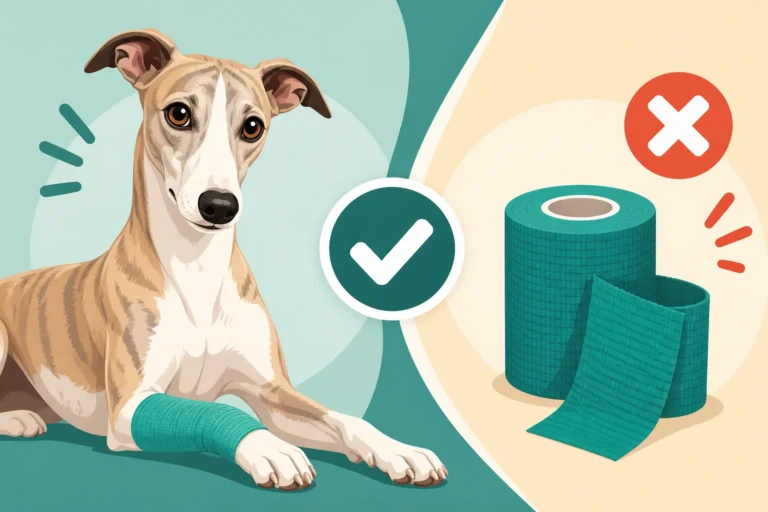
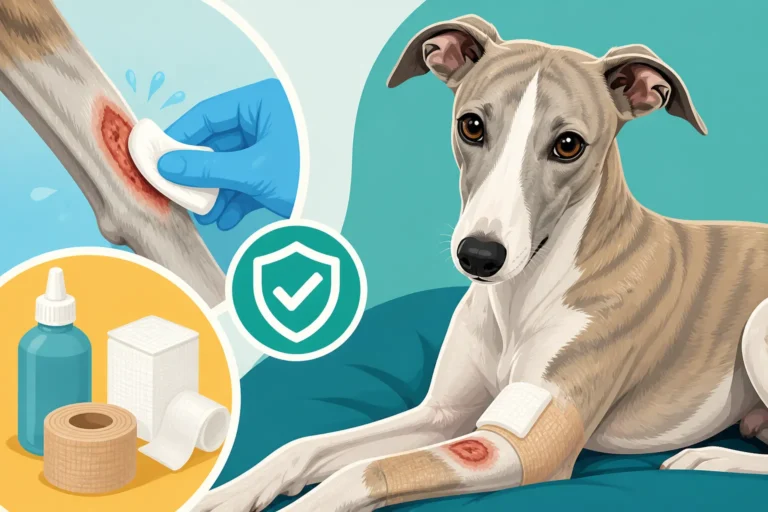
Another concern for Whippets, due to their thin skin, is lacerations and skin tears. These active dogs can easily brush against something sharp or catch themselves on furniture, leading to surprisingly deep cuts that often require veterinary attention and stitches. The Thin Skin That Sends a Whippet to the Vet for Stitches is a frequent complaint among Whippet owners. Knowing basic first aid and when to seek immediate veterinary care is a valuable skill.
Less common but still relevant are genetic conditions like Phosphofructokinase (PFK) Deficiency, which affects red blood cell metabolism, and certain eye diseases such as Progressive Retinal Atrophy. Reputable breeders will screen for known genetic conditions, but for all owners, being educated about breed-specific health issues allows for proactive care and swift action should any concerns arise.
Training and Socialization: Nurturing a Well-Adjusted Companion
A Whippet’s sensitive nature and intelligent mind make them a joy to train, but they respond best to specific methods. Their early experiences, daily interactions, and consistent boundaries shape them into the wonderful companions they are. Nurturing a well-adjusted Whippet means investing time in understanding how they learn and what makes them feel secure.
Consistent, Positive Reinforcement Training
Whippets are extremely sensitive dogs, and harsh training methods simply do not work for them. They will shut down, become anxious, or even fearful if subjected to yelling, punishment, or physical corrections. Instead, positive reinforcement, based on rewarding desired behaviors, is the most effective and humane approach. This means using treats, praise, toys, and affection to encourage them to repeat good behaviors. How a Whippet Learns When It Bruises From Pressure means literal pain and psychological distress from correction-based tools.
Daily, short training sessions, perhaps 5-10 minutes each, are far more effective than long, drawn-out drills. Whippets are smart but can get bored easily with repetition. Keep training fun, engaging, and varied. Focus on foundational commands like sit, stay, come, and leash manners. Consistency is key; everyone in the household should use the same commands and expectations. This predictability helps your Whippet understand what's expected of them.
Early training is vital, starting with puppy classes as soon as they are fully vaccinated. These classes not only teach basic obedience but also provide controlled socialization opportunities. Continue reinforcing these lessons throughout their lives. Even an adult Whippet can learn new tricks and benefit from ongoing training to keep their minds sharp and their bond with you strong.
Ongoing Socialization and Exposure
Socialization isn't a one-time event; it's an ongoing process that starts in puppyhood and continues throughout a Whippet's life. Early, positive exposure to a wide variety of sights, sounds, people, and other friendly dogs helps them develop into confident, well-adjusted adults. Without proper socialization, Whippets can become shy or anxious around new experiences.
Daily walks in different environments – quiet neighborhoods, bustling parks (on leash!), pet-friendly stores – can provide valuable exposure. Introduce them calmly to new people, allowing them to approach at their own pace. Never force interactions. If your Whippet is hesitant, allow them to observe from a distance, rewarding them for calm behavior. Meeting other well-behaved, vaccinated dogs (especially other sighthounds who understand their play style) can be beneficial, but always supervise these interactions closely.
Even as adults, continued positive exposure helps maintain their confidence. A new cafe, a trip to a friend's house, or a quiet stroll through an unfamiliar area can all contribute to their ongoing socialization. This daily investment ensures your Whippet remains a happy, confident, and polite member of society.
Managing Their Prey Drive Safely
One of the most inherent traits of a Whippet is their strong prey drive, a legacy of their hunting ancestry. This instinct to chase anything small and fast – squirrels, rabbits, cats, blowing leaves – is deeply ingrained and can be incredibly powerful. Managing this safely is a daily, critical responsibility for every Whippet owner.
This is precisely why Why a Whippet Cannot Be Let Off Leash in an Open Field is such vital advice. Their recall, no matter how well-trained, can fail in the face of a compelling chase. A Whippet can be across a field and out of sight in seconds, often oblivious to traffic or other hazards. Therefore, off-leash exercise should only occur in securely fenced areas, or in organized events like lure coursing or Fast CAT, where their drive can be safely channeled.
At home, if you have cats or other small pets, careful introductions and supervision are essential. Many Whippets can live peacefully with cats if raised with them and taught appropriate manners, but this requires diligent management. Always provide a safe retreat for smaller pets. During walks, a sturdy leash and a secure collar (like a martingale) are non-negotiable. Being constantly aware of their environment and anticipating potential triggers will help prevent dangerous situations. Understanding and respecting their prey drive, rather than trying to eliminate it, is key to keeping your Whippet safe every day.
Love, Affection, and Quality Time: The Heart of Whippet Ownership
Beyond all the practical needs—food, exercise, comfort, grooming, and training—what a Whippet truly needs every day is love, affection, and quality time with their human family. These are incredibly devoted and sensitive dogs who thrive on companionship and being an integral part of the household. Neglecting their emotional needs can lead to an unhappy, anxious, or withdrawn dog.
The Need for Connection and Companionship
Whippets are not dogs that do well living in isolation in a kennel or yard. They are profoundly social creatures who form deep bonds with their people and crave close physical contact. This manifests as a desire to be near you, whether curled up at your feet, sharing the sofa, or even burrowing under the covers in your bed. They truly are "velcro dogs" who thrive on interaction and belonging.
Making time for connection every day is paramount. This can be as simple as a few minutes of focused petting and gentle conversation, allowing them to rest their head in your lap, or sharing a quiet moment on the couch. For a Whippet, your presence and attention are more valuable than any toy. Many Whippets struggle with separation anxiety if left alone for extended periods, highlighting their deep need for companionship. If you work long hours, consider hiring a dog walker or finding a trusted pet sitter to break up their day, or even getting a second Whippet, as Whether Two Whippets Are Easier Than One is often true for their emotional well-being.
Your Whippet will follow you from room to room, often just to be in the same space. Acknowledge their presence, offer a kind word or a gentle stroke. These small, consistent gestures reinforce your bond and reassure them of their place in your family. Their happiness is directly tied to their feeling of connection with you.
Understanding Their Sensitive Nature
Whippets are not just physically delicate; they are emotionally sensitive too. They are incredibly attuned to their owner's moods and can easily pick up on stress or tension. A harsh tone of voice or an abrupt movement can upset them, causing them to withdraw or become anxious. This means that daily interactions should be calm, gentle, and consistent.
They generally don't do well in chaotic or overly loud environments. While they can adapt to families with children, introductions and interactions should always be supervised and gentle. Teaching children to respect a Whippet's space and sensitive nature is crucial. Similarly, they might be reserved or shy around strangers, preferring to observe from a distance rather than rush in for greetings. Respecting this natural shyness and allowing them to warm up at their own pace is important.
Daily reassurance and a calm demeanor from their owners go a long way in building a secure and confident Whippet. They need to feel safe and loved, and that reassurance is woven into every gentle stroke, soft word, and comforting presence you provide.
Creating a Predictable and Safe Environment
A predictable routine and a safe, stable home environment significantly contribute to a Whippet's daily emotional well-being. They thrive on knowing what to expect, and sudden changes or inconsistencies can be unsettling for them. Establishing a regular schedule for meals, walks, playtime, and bedtime creates a sense of security.
Their home should be a haven where they feel completely safe. This includes providing their cozy beds in quiet spots, ensuring a warm temperature, and removing any potential hazards that their curious nature might lead them to investigate. Whippets can be surprisingly adept counter-surfers or silent thieves, so secure food and dangerous items. A home that is calm, predictable, and free from harsh noises or constant tension will allow your sensitive Whippet to relax and truly be themselves.
Your commitment to their physical needs, combined with a deep understanding of their emotional landscape, forms the foundation of a truly happy Whippet. They give so much love and joy; returning that with daily care, patience, and boundless affection is the most rewarding part of owning one of these magnificent, gentle dogs.
| Daily Whippet Need | Key Actions | Why It's Important |
|---|---|---|
| Nutrition | High-quality food, proper portions, fresh water, optional vet-approved supplements | Fuels their lean body, maintains healthy weight, supports overall health. |
| Exercise | Daily walks, regular sprints in safe, fenced areas, mental games | Channels natural athleticism, prevents boredom, maintains physical fitness. |
| Comfort | Soft beds in all resting areas, appropriate coats for outdoor weather, warm indoor environment | Prevents pressure sores, protects thin skin, regulates body temperature, emotional security. |
| Grooming | Weekly brushing, infrequent bathing, 1-2 weekly nail trims, daily tooth brushing | Maintains healthy coat/skin, prevents pain from overgrown nails, combats early dental disease. |
| Health Monitoring | Daily visual checks, annual vet exams, awareness of breed-specific issues | Early detection of problems, preventative care, specific sighthound medical considerations. |
| Training | Short, positive reinforcement sessions, ongoing socialization, consistent rules | Builds good manners, enhances bond, develops confidence, manages prey drive safely. |
| Affection | Daily cuddles, quiet time together, verbal reassurance, consistent presence | Fulfills strong need for companionship, reduces anxiety, reinforces bond, ensures emotional well-being. |
Disclaimer
This article is for general informational purposes only and does not constitute professional advice. Laws, prices and regulations vary by location and change over time. Consult a qualified professional for guidance on your specific situation.