Settling a Rehomed Adult Whippet
Bringing a rehomed adult Whippet into your home is such an incredibly rewarding experience, but let's be honest, it often comes with a unique set of anxieties. You want everything to be perfect, yet you might be wrestling with questions about their past, their quirks, and whether they'll truly feel safe and loved with you. This comprehensive guide is here to walk you through the process, from initial preparations to building a lifelong bond, helping you understand and navigate the journey of settling your new family member.
Understanding the Rehomed Whippet's Journey
When you welcome a rehomed adult Whippet, you're not just getting a dog; you're adopting a history. Their past experiences, whether positive or challenging, shape who they are when they arrive at your door. Whippets are inherently sensitive souls, and any change can be a big deal for them. It’s crucial to approach this transition with empathy and a deep understanding of what they might have been through.
The Impact of Past Experiences
Imagine being uprooted from everything familiar and placed in a new environment with new sounds, smells, and people. That’s what your rehomed Whippet is experiencing. They might have come from a loving home whose circumstances changed, or perhaps a less ideal situation. Regardless, they've likely experienced some level of instability, and that can manifest in various ways. A previously house-trained dog might have accidents, or a once-confident Whippet might become timid. These aren't necessarily signs of a "bad" dog; they're stress responses.
Their previous routines, or lack thereof, will also play a huge role. If they came from a quiet home, a busy household might be overwhelming. If they were used to constant companionship, a few hours alone could trigger separation anxiety. Try to gather as much information as you can about their past, but remember, even with a detailed history, your Whippet will still need time and patience to adjust to your unique home and lifestyle. Don't take any initial "bad" behaviors personally; they are simply trying to cope.
Whippet Sensitivity and Stress Responses
Whippets are famously sensitive creatures. They thrive on routine, comfort, and low-pressure interactions. They bruise easily, both physically and emotionally. A harsh tone or an unexpected loud noise can send them scurrying for cover. This inherent sensitivity means that the stress of rehoming can hit them harder than it might another breed. They often internalize their stress, sometimes appearing withdrawn or overly quiet, which can make it hard to tell what they're truly feeling.
Common stress responses in a rehomed Whippet can include loss of appetite, excessive sleeping (beyond their usual "forty mile an hour couch potato" tendencies), house-training regressions, destructive chewing, or even uncharacteristic nipping if they feel cornered or overwhelmed. It's vital to recognize these as cries for help rather than intentional misbehavior. Your role is to provide a calm, predictable environment where they can slowly unwind and start to feel secure. Think of yourself as their emotional safe harbor during this turbulent time.
Creating a Sanctuary: Preparing Your Home for a Rehomed Whippet
Before your new Whippet even sets a paw in your home, getting your space ready can make a world of difference in their transition. This isn't just about setting out a food bowl; it's about creating a safe, comfortable, and predictable environment that minimizes stress and maximizes their sense of security. Remember, for a Whippet, comfort and warmth are paramount. A Whippet Has No Insulation and No Padding.
Setting Up a Safe Space
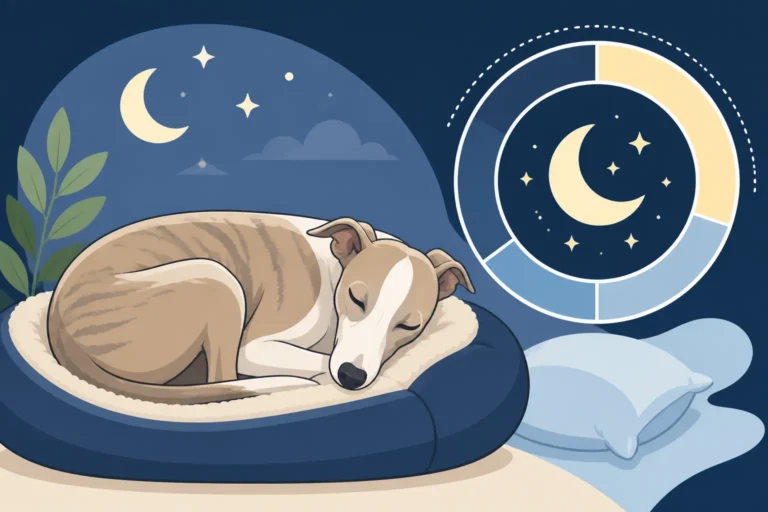
Every rehomed Whippet needs a designated "den" – a quiet, private area where they can retreat and feel safe without being bothered. This might be a crate, a cozy corner in a low-traffic room, or even a dog bed tucked under a table. The key is that it's theirs and they are not disturbed when they are in it. Make this space as inviting as possible with soft, plush bedding. Think memory foam or thick fleece blankets. The Beds a Whippet Owner Keeps Buying often include a variety of soft options. You might find great choices on Amazon, from orthopedic beds to super-soft blankets designed for burrowing.
Ensure this safe space is away from high-traffic areas, loud noises, and direct sunlight or drafts. Place a water bowl nearby and perhaps a chew toy or Kong filled with something delicious to encourage positive association. Initially, you might want to keep your Whippet in this area when you can't actively supervise them, allowing them to acclimate without feeling overwhelmed by the entire house. This also helps with house-training during the initial adjustment period.
Whippet-Proofing Your Home
Whippets are curious and can be surprisingly agile, especially if they're stressed or exploring a new environment. Before they arrive, do a thorough sweep of your home to remove any potential hazards. This means securing cleaning supplies, medications, toxic plants, and small objects that could be swallowed. Put away anything precious or easily damaged, as a stressed Whippet might chew inappropriately.
Consider your yard as well. Whippets have a strong prey drive and can be astonishingly fast. Even if they've never jumped a fence before, the stress of a new environment might prompt them to try. Ensure your fencing is secure, without any gaps or weak spots, and consider the height. How Tall a Fence a Whippet Needs is often higher than you'd expect, especially if you plan on letting them roam freely. It’s also wise to keep exterior doors and gates latched and secure, as a bolting Whippet can disappear in seconds. The Whippet That Bolts Through an Open Door is a common fear for owners of this speedy breed.
The First Days and Weeks: A Gentle Introduction to a New Life
The first few days and weeks are critical for establishing trust and routine. This period should be about gentle introductions, predictability, and giving your Whippet space to decompress. Avoid overwhelming them with too much excitement, too many new people, or too many new places. Slow and steady wins the race when it comes to a sensitive sighthound.
The "Rule of Threes"
Many rescue organizations and experienced owners talk about the "Rule of Threes" when it comes to rehoming:
- Three days: Your Whippet will likely be overwhelmed and shut down, trying to process everything. They might not eat much, might hide, or seem lethargic. Give them space and minimal interaction.
- Three weeks: They'll start to settle in, understand the routine, and show more of their personality. They might test boundaries, or exhibit some behavioral issues as they feel more comfortable expressing themselves. This is when patience is key.
- Three months: By this point, most Whippets are fully integrated into the home, feeling secure, and their true personality shines through. They’ve formed a bond with you and understand their place in the family.
This isn't a hard and fast rule, and some Whippets will adjust faster or slower. But it gives you a realistic expectation of the timeline. Don't expect your Whippet to be perfectly adjusted overnight. It's a journey, not a sprint.
Establishing Routine and Predictability
Whippets thrive on routine. A predictable schedule helps reduce anxiety because they learn what to expect and when. From day one, try to establish consistent times for feeding, potty breaks, walks, and quiet time. This structure provides a sense of control and security in what is otherwise a very new and uncertain world for them.
- Feeding: Offer meals at the same time each day in the same location. If your Whippet is hesitant to eat, try warming their food slightly or adding a little low-sodium broth. Getting Weight On a Whippet That Will Not Eat can be a challenge initially.
- Potty Breaks: Take your Whippet out frequently, especially after waking, eating, and playing. Always take them to the same spot and reward them generously for success. Be prepared for accidents; regressions are common with rehomed dogs. The Whippet That Will Not Toilet in the Rain might also need some extra encouragement or even a designated covered potty area.
- Sleep: Ensure they have access to their comfortable, safe space for sleeping. Whippets love to burrow, so a soft blanket in their bed or crate will be highly appreciated. Whether a Whippet Should Sleep Under a Blanket is usually a resounding yes! They need warmth and security.
| Aspect of Routine | Initial Approach (Days 1-7) | Weeks 2-4 | Months 2-3+ |
|---|---|---|---|
| Arrival | Direct to safe space, minimal interaction. | Gentle exploration of home. | Confident in home. |
| Feeding | Fixed times, quiet location. | Fixed times, possibly communal. | Integrated into family meal schedule. |
| Potty Breaks | Frequent, consistent spot, high reward. | Frequent, fewer accidents, increasing reliability. | Established outdoor routine. |
| Exercise | Short, leashed walks in quiet areas. | Longer walks, introduction to secure areas. | Regular exercise, potential for off-leash in very secure spaces. |
| Socialization | Limited, calm interactions with family. | Gradual, controlled introductions to new people/dogs. | Comfortable with family and known friends/dogs. |
| Alone Time | Short periods in safe space, gradually increase. | Building tolerance, often with enrichment toys. | Comfortable being left for reasonable periods. |
Building Trust and Confidence: Patience and Positive Reinforcement
Building a strong bond with a rehomed Whippet takes time, patience, and consistent positive reinforcement. This means rewarding good behavior, making all interactions pleasant, and avoiding any harsh corrections that could erode their trust. Whippets are incredibly sensitive, and they thrive on gentle guidance. How a Whippet Learns When It Bruises From Pressure highlights why harsh handling methods are completely counterproductive for this breed.
Gentle Handling and Communication
Whippets respond best to soft voices, gentle touches, and clear, consistent body language. Avoid sudden movements, loud noises, or direct eye contact that might be perceived as threatening during the initial adjustment phase. When you approach your Whippet, do so calmly and from the side, allowing them to acknowledge you before reaching out. Offer a hand for them to sniff before petting, and start with gentle strokes on their chest or shoulders, rather than over their head.
Learning to read your Whippet's body language is paramount. Are their ears back? Are they lip-licking or yawning excessively? These can be subtle signs of stress or discomfort. Respect their cues, and never force interaction. Allowing them to initiate contact on their terms will build confidence and strengthen your bond exponentially. Remember, a Whippet's trust is hard-won but incredibly deep once established.
Positive Reinforcement Training
Positive reinforcement is the only way to go with a Whippet, especially a rehomed one. This means rewarding desired behaviors with treats, praise, or toys they love. It makes learning fun and helps your Whippet associate you with good things, which is crucial for building trust. Even simple commands like "sit" or "stay" can boost their confidence and give them a sense of purpose in their new home. What a Whippet Will Work For is usually food, glorious food!
Consider enrolling in a positive reinforcement obedience class once your Whippet has settled in, or utilizing online resources. Programs like BAXTER & Bella offer comprehensive online training, which can be fantastic for building foundational skills and addressing behavioral challenges at your own pace, from the comfort of your home. This type of structured, positive learning environment helps your Whippet understand expectations without fear or intimidation. Consistency is key here; everyone in the household should use the same commands and rewards.
Addressing Common Challenges in Rehomed Whippets
Even with the best preparation, rehomed Whippets often present with a few common challenges as they adjust. It's important not to get discouraged; these are often temporary behaviors stemming from stress, and with patience and understanding, most can be overcome.
Separation Anxiety and Destructive Chewing
One of the most heartbreaking issues for owners of rehomed Whippets is separation anxiety. This can manifest as barking, howling, destructive chewing, or inappropriate elimination when left alone. Often, these Whippets have a deep need for companionship, and being alone can trigger intense fear. Separation Anxiety in a Whippet can be quite severe, and it's a major concern for this breed.
To help, start with very short absences and gradually increase the time. Practice leaving for just a few minutes, then returning calmly. Provide engaging enrichment toys, like Kongs filled with frozen peanut butter, to distract them while you're gone. Ensure they have their safe space, a comfortable bed, and perhaps a piece of your clothing with your scent. Avoid making a big fuss when you leave or return; keep it low-key. For more severe cases, consult with a professional positive reinforcement trainer or veterinary behaviorist.
House Training Regressions
It's not uncommon for a perfectly house-trained Whippet to have accidents in a new home. This can be due to stress, a change in routine, or simply not understanding where the appropriate potty spots are in their new environment. Don't punish accidents; this will only make your Whippet fearful and potentially lead to them hiding their accidents.
Go back to basics as if you have a puppy. Take them out frequently – every couple of hours, after waking, after eating, and before bed. Reward profusely with treats and praise when they go outside. Supervise them closely indoors, and if you can't supervise, use their crate or safe space. Clean any accidents thoroughly with an enzymatic cleaner to eliminate odors that might encourage repeat marking. Remember The Whippet That Will Not Toilet in the Rain? They might need a special covered area or a coat to encourage them to go out in inclement weather.
Shyness and Fear of Strangers
Many rehomed Whippets, especially those with an unknown past, can be quite shy or fearful of new people and situations. They might retreat, cower, or even try to hide. Shyness with strangers (Why a Whippet Is Shy With Strangers) is a common trait, and it requires careful management. Forceful interactions can worsen their fear.
The key is to allow your Whippet to approach on their own terms. Ask visitors to ignore your Whippet initially, letting the dog come to them when they feel ready. Encourage visitors to offer treats gently, without staring or making sudden movements. Keep initial introductions to new people and dogs calm and controlled. Short, positive exposures are much better than overwhelming experiences. Avoid busy dog parks or crowded events until your Whippet has built significant confidence. For structured guidance on socialization, especially for an undersocialized Whippet, resources from BAXTER & Bella can be beneficial.
Bringing a rehomed adult Whippet into your life is a journey of discovery, patience, and immense love. By understanding their sensitive nature, preparing your home, establishing clear routines, and using positive reinforcement, you can help your Whippet blossom into a confident, cherished member of your family. The bond you form will be truly special, a testament to your understanding and commitment.
Disclaimer
This article is for general informational purposes only and does not constitute professional advice. Laws, prices and regulations vary by location and change over time. Consult a qualified professional for guidance on your specific situation.