The Job a Whippet Actually Needs
It's easy to fall into the trap of thinking every dog needs a traditional "job" – like a Border Collie herding sheep or a German Shepherd working as a protection dog. We see these highly driven breeds with intense needs and assume all dogs operate on the same spectrum. But when it comes to a Whippet, their job description is wonderfully unique, and misunderstanding it can lead to confusion for both you and your elegant companion. Many new Whippet owners find themselves asking, "What does my Whippet actually do all day?" This guide will delve into the true nature of the Whippet's inherent needs and how to fulfill them, ensuring a happy, well-adjusted life for your sighthound.
Understanding the Whippet's True Calling: The Sighthound Instinct
Whippets are sighthounds, and that single fact shapes nearly everything about their true "job." They were bred for speed, agility, and a keen eye, originally developed to hunt small game like rabbits by sight. This isn't a dog that works a field all day or guards a flock; this is a dog designed for explosive bursts of speed and a deep, instinctual drive to chase.
The Need for Speed: Controlled Sprints and Chasing
Let's be honest, the image of a Whippet is often tied to its incredible speed. They are little rockets, capable of reaching impressive velocities in a flash. This isn't just for show; it's a fundamental part of their genetic makeup. Their "job" isn't sustained endurance running, but rather the opportunity to truly open up and sprint. Think of it like a drag racer – immense power over a short course. Denying them this outlet can lead to pent-up energy, even if they seem like couch potatoes indoors. They need a safe space where they can run like the wind, stretching out those long, powerful legs.
This need for speed often manifests as an undeniable chase instinct. Anything small and moving quickly – a squirrel, a leaf, a plastic bag tumbling in the wind – can trigger that primal urge. It's why we often say Why a Whippet Cannot Be Let Off Leash in an Open Field and why their recall can be notoriously unreliable mid-chase. Their brain simply switches over to "hunt mode," and everything else fades into the background. Providing structured outlets for this chase drive is paramount to their well-being.
The Art of Observation: What a Sighthound Sees
Beyond just chasing, a Whippet's "job" involves a lot of observation. They have incredible vision, designed to spot movement from a distance. While they might seem to be dozing, a flick of an ear or the slight turn of their head often indicates they've noticed something you haven't. They take in their surroundings with a quiet intensity, always scanning. This isn't the same as a scent hound, whose nose is glued to the ground, processing a world of smells. A Whippet's world is visual first.
This observational skill means they're often excellent at noticing subtle changes in their environment or in your mood. They're sensitive creatures, tuning into the nuances around them. Their job, in a way, is to be your quiet observer, the discerning guardian of your immediate space, often alerting you to things without a single bark. They don't typically miss much, even when they appear utterly relaxed.
Scent and Sound: Engaging Other Senses
While sight is primary, Whippets are still dogs, and their other senses play a role in their "job." They have a decent nose, and engaging it can be a wonderful form of mental enrichment. Tracking a treat through the grass, playing hide-and-seek with a favorite toy, or even just investigating new smells on a walk provides crucial mental stimulation. This isn't the intense, focused scent work of a Beagle or Bloodhound, but it's still satisfying for them.
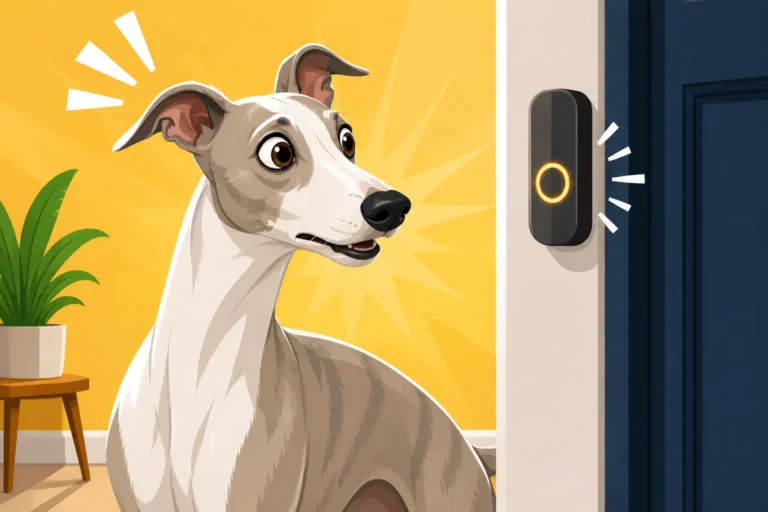
Similarly, they use their ears extensively. Their rose ears, while beautiful, are incredibly sensitive and will often swivel independently to pinpoint a sound. They might be quiet dogs themselves, but they are acutely aware of the sounds around them – the crunch of leaves outside, the distant rumble of thunder, or the distinct jingle of your keys. Their "job" includes being an early warning system, though their warnings are usually subtle and polite rather than boisterous. This sensitivity to sound is just another facet of their observant nature.
Beyond the Chase: Mental Enrichment and Companionship
While their sighthound instincts are powerful, a Whippet's "job" extends far beyond just running and chasing. These are intelligent, sensitive dogs who thrive on mental engagement and, perhaps most importantly, deep companionship.
The Cozy Companion: Their Role in the Home
Let's address the elephant in the room – or rather, the Whippet on the sofa. The Whippet's most significant "job" is often simply being a cherished member of the family. They are renowned for being The Whippet Is a Forty Mile an Hour Couch Potato, and it's a title they wear with pride. They excel at napping, snuggling, and being close to their people. Their sleek bodies are not built for harsh weather, and they crave warmth and comfort. You'll often find them Why a Whippet Burrows Under the Covers, seeking out the coziest spot available, usually right next to you.
Their presence brings a quiet calm and elegance to a home. They are not typically boisterous or demanding for constant attention, but they thrive on proximity. A Whippet's "job" can simply be to provide that soothing, loving presence, a warm body curled up beside you on the sofa or tucked into your bed at night. They are experts at relaxation and will happily teach you the art of a good nap.
Brain Games and Problem Solving
Even the most dedicated napper needs mental exercise! A Whippet's intelligence might not be expressed in complex obedience routines immediately, but they are problem solvers. Their "job" in this arena involves figuring things out, often with a cheeky glint in their eye. Puzzle toys, where they have to manipulate objects to get a treat, are fantastic for them. You can find a wide variety of these on platforms like Amazon, from simple snuffle mats to more intricate dispensers. These engage their minds, prevent boredom, and give them a sense of accomplishment.
Learning new tricks is another excellent brain game. Whippets respond well to positive reinforcement and clear communication. Short, fun training sessions keep them engaged without overwhelming their sensitive nature. They might surprise you with how quickly they pick up new commands or complex behaviors if the motivation (treats and praise!) is high. Remember, How a Whippet Learns When It Bruises From Pressure, so gentle, reward-based methods are key.
Learning Life Skills: The Importance of Training
While not a "working breed" in the traditional sense, all Whippets need foundational life skills. This is a crucial part of their "job description" as a pet. Basic obedience, like 'sit,' 'stay,' 'come,' and walking politely on a leash, ensures they are well-mannered and safe in various environments. Because of their chase drive, a solid recall, even if it's an emergency one, is vital.
Training also builds confidence and strengthens the bond between you and your Whippet. It gives them a sense of structure and understanding of what's expected. For those looking for comprehensive, flexible training resources, online platforms like BAXTER & Bella offer guided programs that can be incredibly helpful for new and experienced owners alike, teaching you how to communicate effectively with your sensitive sighthound. Giving your Whippet the "job" of learning allows them to integrate more seamlessly into your life.
Activities That Truly Fulfill a Whippet's "Job Description"
So, if their job isn't to herd or guard, what are the best ways to channel a Whippet's unique talents and drives? It's all about providing appropriate outlets for their sighthound nature, combined with plenty of mental engagement and comfort.
Lure Coursing and Fast CAT: Natural Outlets for Drive
For many Whippets, the absolute pinnacle of their "job" is participating in sighthound-specific sports like Lure Coursing and Fast CAT. These activities simulate the chase of small prey in a safe, controlled environment. A mechanical lure zips across a field, tapping directly into their profound chase instinct and giving them the opportunity to run flat out – truly fulfilling their need for speed.
Lure coursing involves a series of turns, mimicking a rabbit's evasive maneuvers, while Fast CAT (Coursing Ability Test) is a straight 100-yard dash for speed. Both are incredibly satisfying for a Whippet and a joy to watch. You'll see their eyes light up, their bodies coil with anticipation, and then they explode into motion, absolutely living their best life. It’s an ideal way to let them perform their ancestral "job" without any risk to wildlife or themselves. Many Whippets can start participating in these sports once they reach maturity, usually around one year of age, but it's always best to check with your vet for specific advice on The Age a Whippet Can Start Lure Coursing.
Recreational Running: Safe Spaces and Long Lines
While structured sports are wonderful, they're not always accessible. For daily exercise, recreational running in safe, enclosed spaces is essential. A securely fenced yard where they can zoom around provides a fantastic physical outlet. However, many Whippets need more than just a yard. For those who don't have access to vast, securely fenced fields, a long line can be a game-changer.
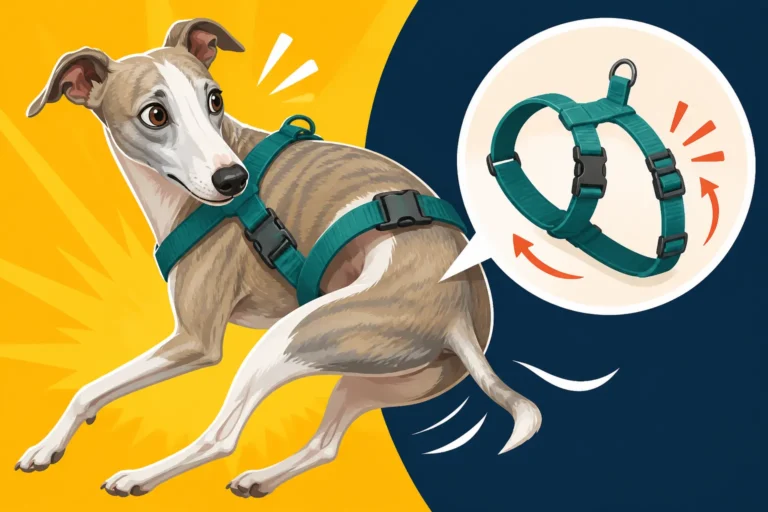
A long line, which you can easily find on Amazon, allows your Whippet to gallop and explore a larger area while still remaining safely connected to you. It's crucial to use a well-fitting harness with a long line, rather than attaching it to a collar, to prevent injury. This allows them to stretch their legs, chase phantom squirrels, and engage their sighthound senses without the danger of bolting into traffic or disappearing over the horizon. Remember to cool them down properly after an intense sprint to prevent injury. How Much Exercise a Whippet Really Needs is often overestimated in terms of duration but underestimated in terms of intensity. Short, fast bursts are key.
Agility, Obedience, and Therapy Work
Believe it or not, some Whippets absolutely thrive in other dog sports! While they might not have the traditional "drive" of a working breed, their intelligence, agility, and desire to please their person can make them surprising stars.
- Agility: Whippets are incredibly agile and light-footed, making them naturals for jumping, weaving, and tunneling. Whether a Whippet Can Do Agility is often a question, and the answer is a resounding yes for many individuals. It's a fantastic way to combine physical exercise with mental stimulation and teamwork.
- Obedience: While some Whippets are famously "stubborn," others absolutely excel in obedience. They respond best to positive, motivational training. Their sensitive nature means harsh corrections are counterproductive; they simply shut down. Consistent, fun training sessions can yield impressive results, and figuring out What a Whippet Will Work For (usually food!) is the key.
- Therapy Work: Their calm, gentle, and affectionate nature makes many Whippets excellent candidates for therapy work. They love people, are usually quiet, and enjoy a good snuggle. Visiting hospitals or nursing homes can be an incredibly rewarding "job" for a well-socialized, calm Whippet, bringing comfort and joy to others.
Here's a table summarizing some common activities and how they fulfill a Whippet's needs:
| Activity | Fulfills Chase/Speed | Mental Stimulation | Physical Exertion (Type) | Social Aspect | Equipment Needed (Examples) |
|---|---|---|---|---|---|
| Lure Coursing / Fast CAT | High | Moderate | High (sprint bursts) | Moderate | Harness, leash, entry fees |
| Long Line Runs in Open Spaces | High | Moderate | High (sprint/trot) | Low-Moderate | Long line, well-fitting harness |
| Scent Work / Nose Games | Low | High | Low-Moderate | Low | Puzzle toys, snuffle mats, treats |
| Trick Training | Low-Moderate | High | Low | High | Treats, clicker, consistent effort |
| Agility | Moderate | High | Moderate (bursts) | High | Jumps, tunnels, dedicated classes |
| Therapy Dog Visits | Low | High | Low | High | Good manners, calm demeanor, vest |
| Daily Walks / Hikes | Low-Moderate | Moderate | Moderate (trot/explore) | Moderate | Leash, harness/collar, comfortable shoes |
The Greatest Job of All: Being Your Beloved Family Member
Ultimately, the most important "job" a Whippet has is being a beloved and integral part of your family. Their needs are intertwined with companionship, comfort, and a strong bond with their humans.
The Importance of Daily Routine and Affection
Whippets thrive on routine and knowing what to expect. A predictable schedule for meals, walks, and playtime provides a sense of security for these sensitive souls. But beyond the schedule, it's the consistent affection that truly makes their world go round. Their "job" is often to be your shadow, to lean against your leg, to offer a soft head for a scratch, and to receive the endless love you have to give.
These aren't dogs that are happy being relegated to the backyard or ignored for long stretches. They want to be with you, participating in your daily life, even if that participation means a deep sigh from the dog bed while you work. Their contentment is directly linked to feeling safe, loved, and connected to their family unit. This emotional connection is a non-negotiable part of their "job" as a companion.
Providing Comfort and Security
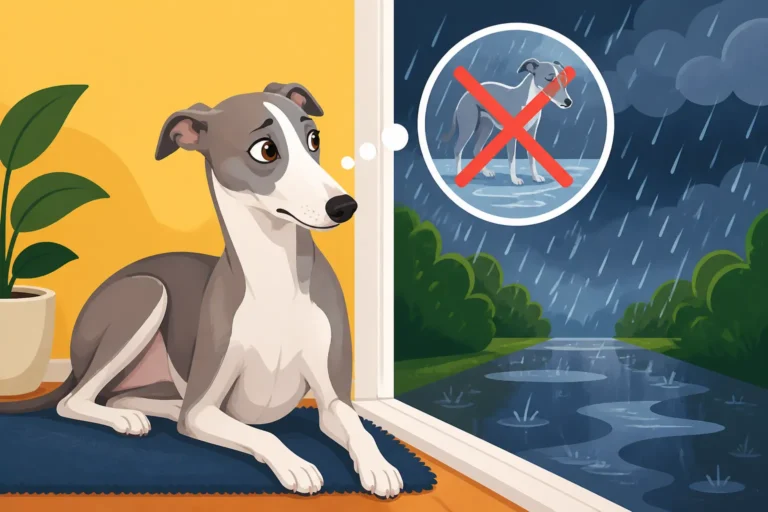
Because Whippets have such thin skin and minimal body fat, their physical comfort is paramount. They literally have A Whippet Has No Insulation and No Padding. Their "job" requires you to provide a soft, warm environment for them. This means plenty of comfortable beds around the house – not just one, but often several strategically placed soft spots where they can choose to nap. Whether it's a plush dog bed, a pile of blankets on the sofa, or your own bed, they will seek out the softest, warmest spot.
Security also extends to their emotional well-being. Whippets are generally sensitive and can be prone to anxiety if not properly socialized or if their environment is unstable. A calm, consistent household where they feel safe and understood is part of the "job" you provide for them. They thrive on quiet reassurance and knowing their place within the family structure. This sense of security allows them to truly relax into their role as a contented family dog.
Navigating Social Interactions
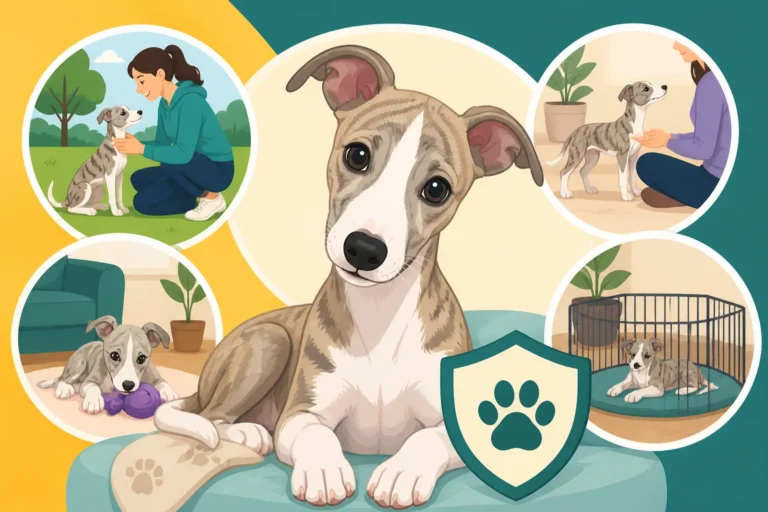
Another critical aspect of a Whippet's "job" as a family member is learning how to navigate the social world. This includes meeting new people, encountering other dogs, and generally being a polite member of society. Early and positive socialization is key for Whippet puppies to ensure they grow into confident, friendly adults. This involves carefully managed exposures to various sights, sounds, people, and other well-mannered dogs.
Whippets generally have excellent manners with other dogs, often preferring the company of their own kind or other sighthounds due to similar play styles. However, they can sometimes be a bit shy with strangers or overly boisterous dogs, so it's part of their "job" to learn appropriate responses, and part of your job to advocate for them when they feel uncomfortable. With proper guidance and patience, a Whippet can excel at being a wonderful social companion, happily greeting friends and family with a wagging tail and a soft nudge.
Disclaimer
This article is for general informational purposes only and does not constitute professional advice. Laws, prices and regulations vary by location and change over time. Consult a qualified professional for guidance on your specific situation.