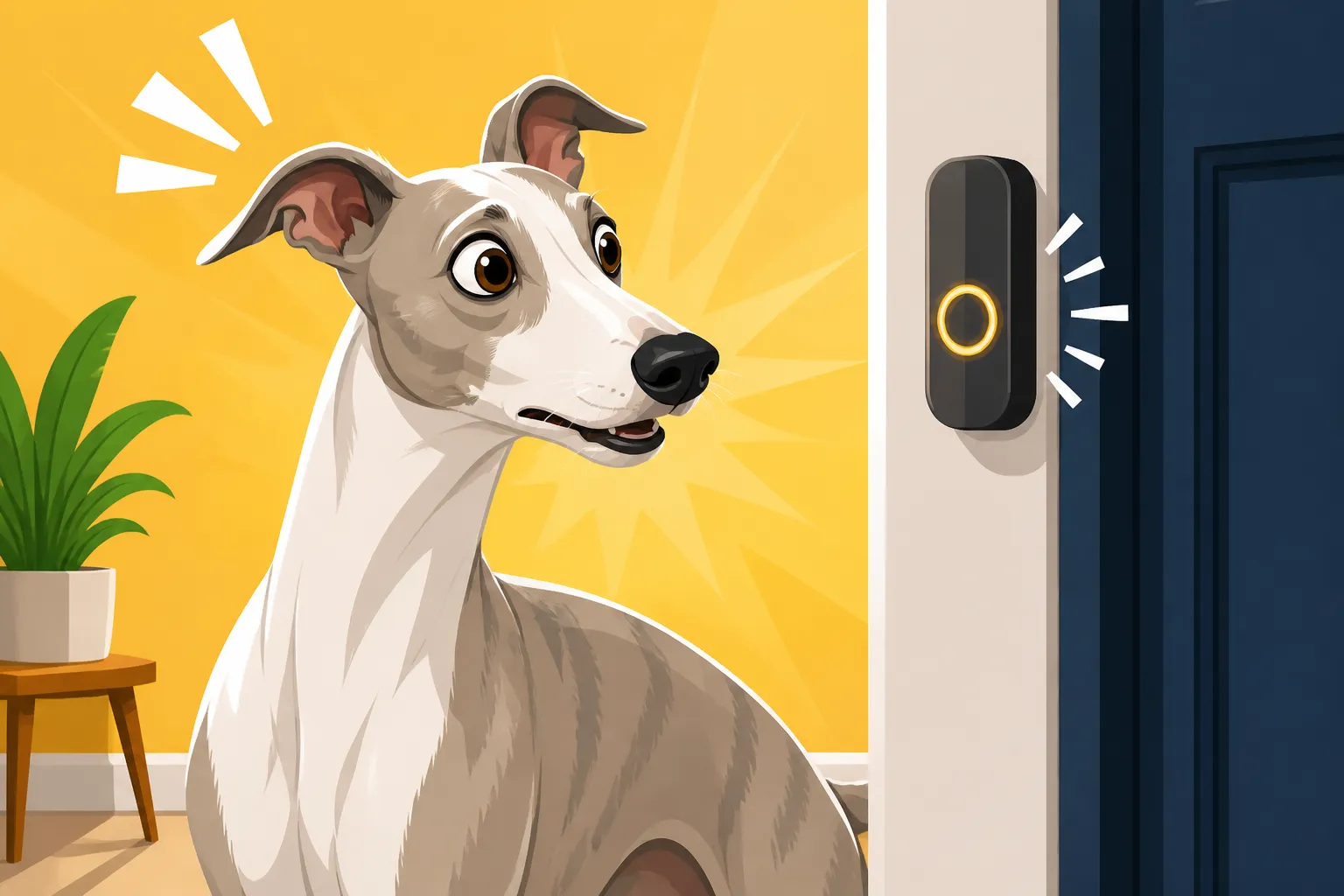
How a Whippet Reacts to the Doorbell
The sudden, jarring ring of a doorbell can transform your placid Whippet into a whirlwind of barks, leaps, or nervous pacing, leaving you flustered and your guests feeling less than welcome. This guide is here to help you understand why your sensitive sighthound reacts this way and, more importantly, to equip you with empathetic, realistic strategies to foster a calmer, more controlled response when someone arrives at your door.
The Instinct Behind the Doorbell Dash in Whippets
It's easy to get frustrated when your Whippet acts like the doorbell signals the end of the world, but their reactions are often rooted in deeply ingrained instincts and their unique sighthound nature. Understanding these roots is the first step toward managing the behavior, not just suppressing it.
Prey Drive and the "Intruder" Alert
Whippets, at their core, are sighthounds, bred over centuries to spot movement and react with incredible speed and focus. While a doorbell isn't a rabbit dashing across a field, it is a sudden, unexpected event at the boundary of their territory. For many Whippets, this can trigger an alert response that, while not pure prey drive, taps into that same instinctual need to investigate and respond to a perceived "intruder" or unknown presence. They might feel an intense urge to rush to the source of the sound, perhaps to see what's there, to chase it away, or simply to understand the disruption.
This isn't necessarily aggression, though it can look and sound alarming to visitors. Instead, it's a deeply wired response to a sudden change in their quiet home environment. They're not just being "naughty"; they're responding to a signal that their ancient instincts tell them is important. The anticipation of someone appearing after the sound further heightens this drive, making them feel compelled to act.
The Startle Reflex and Sensory Sensitivity
Whippets are known for their elegant, lean build, but they also often come with a finely tuned nervous system. This means they can be particularly sensitive to sudden, loud noises. A doorbell's abrupt chime can be genuinely jarring and startling for a Whippet, much more so than for some other, more robust breeds. Think of it like a sudden loud noise right next to your ear – it's an unpleasant jolt.
This heightened sensory perception means their initial reaction might be one of genuine alarm or discomfort. It's not just about the volume, but the suddenness and unpredictability of the sound. This can lead to a quick burst of adrenaline, making them jump, bark, or even spin in confusion before they even process what's happening. This sensitivity is part of their charm but also something we, as owners, need to acknowledge and work with, rather than against.
Learned Associations and Anticipation
Perhaps the most significant factor in your Whippet's doorbell reaction is learned association. Every time the doorbell rings, and a person appears, your Whippet reinforces the connection: doorbell equals exciting (or scary) person at the door. This consistent pairing builds a powerful expectation in their mind. They learn to anticipate the arrival, and this anticipation itself can lead to a significant buildup of excitement or anxiety long before the door even opens.
Imagine knowing something exciting or anxiety-inducing is about to happen, but you don't know exactly when. That suspense can be almost as potent as the event itself. For a Whippet, this anticipation can manifest in various ways, from frantic pacing and whining to intense staring at the door. The behavior you see when the bell rings is often the culmination of this learned pattern and the emotional charge that comes with it.
Common Doorbell Reactions and What They Mean for Your Whippet
Whippets are individuals, and their reactions to the doorbell can vary widely. Understanding what their specific reaction means is crucial for choosing the right training approach. It’s not a one-size-fits-all problem, so observing your Whippet carefully will be your best guide.
The Barking Blitz and Guarding Behavior
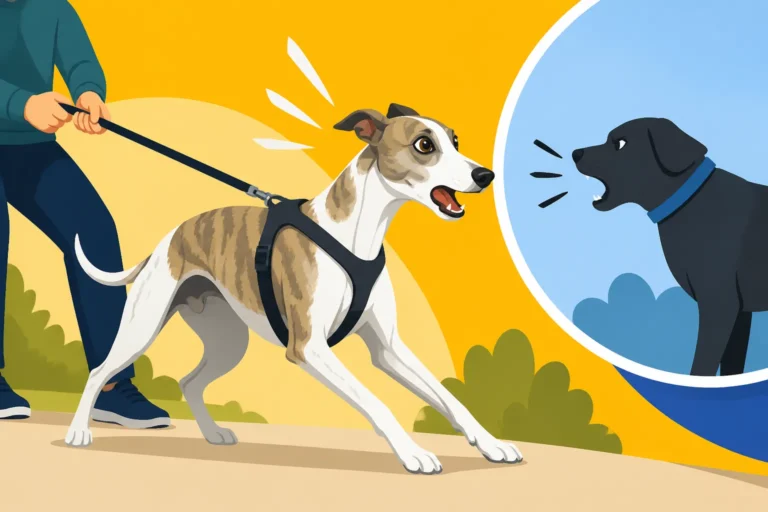
One of the most common and often frustrating doorbell reactions is a flurry of barking. Your Whippet might sprint to the door, launching into a series of loud, insistent barks. While this can sometimes be interpreted as "guarding" behavior, for many Whippets, it's more of an alarm signal combined with high excitement. They're not necessarily trying to scare off the mail carrier; they're alerting you to the unexpected presence and expressing their heightened emotional state.
This barking might be intense, making it nearly impossible to hear your visitor or have a calm conversation. The dog might not just bark but also bounce, paw at the door, or even nip at the air in their frenzy. They are essentially saying, "Something new is here! Pay attention! What are we going to do about it?!" The challenge here is not just stopping the noise, but teaching them a more appropriate way to acknowledge arrivals. If you've ever wondered Why a Whippet Barks When Left Alone, you know they can be vocal when unsettled or excited.
Zoomies and Over-Excitement
Ah, the infamous Whippet zoomies! If your Whippet responds to the doorbell with a sudden burst of frantic running, leaping over furniture, and generally acting like a canine blur, it's likely a sign of sheer over-excitement. For some Whippets, the arrival of a visitor is the most thrilling event of their day, signaling potential playtime, pets, or new smells. They interpret the doorbell as the start of a party, and their boundless sighthound energy needs an immediate outlet.
This can be incredibly charming but utterly impractical when you have guests. They might jump on visitors, accidentally knock things over, or simply make it difficult for anyone to enter calmly. The goal isn't to squash their joy but to channel that energy into a more composed and polite greeting. They're not being disobedient; they're just expressing their enthusiasm in the most Whippet-like way they know how.
Anxiety, Hiding, or Submissive Urination
Not every Whippet greets the doorbell with a celebratory fanfare. For some, particularly those with a more sensitive or timid disposition, the sound can be a source of significant anxiety or even fear. These Whippets might cower, tremble, seek to hide under furniture or retreat to their crate at the sound of the bell. They might even display signs of submissive urination, a clear indicator of feeling overwhelmed and insecure.
This reaction is heartbreaking to witness and requires a completely different approach than managing over-excitement. For these sensitive souls, the doorbell signals an impending threat or an uncomfortable interaction they wish to avoid. Trying to force them to "face" the visitor or scolding them will only worsen their fear. Instead, the focus must be on building their confidence and creating a safe, positive association with visitor arrivals. This kind of anxiety can sometimes be related to broader issues, similar to how Separation Anxiety in a Whippet manifests.
Training Strategies for a Quieter Doorbell
Addressing doorbell reactivity requires patience, consistency, and an understanding that you're reshaping a deeply ingrained response. It's not about quick fixes but about building new, positive associations and teaching your Whippet alternative, calmer behaviors.
Desensitization and Counter-Conditioning
This is the cornerstone of effectively modifying your Whippet's doorbell reaction. The goal is to change your Whippet's emotional response from "alarm/excitement" to "calm/happy."
Desensitization means gradually exposing your Whippet to the doorbell sound at a level that doesn't trigger their full reaction. Start by recording your actual doorbell sound on your phone, or find a similar sound online. Begin playing it at an extremely low volume – so low that your Whippet barely registers it, or just gives a slight ear twitch. The moment the sound plays, immediately give your Whippet a high-value treat, something they absolutely adore. This is counter-conditioning: pairing the previously alarming sound with something wonderful.
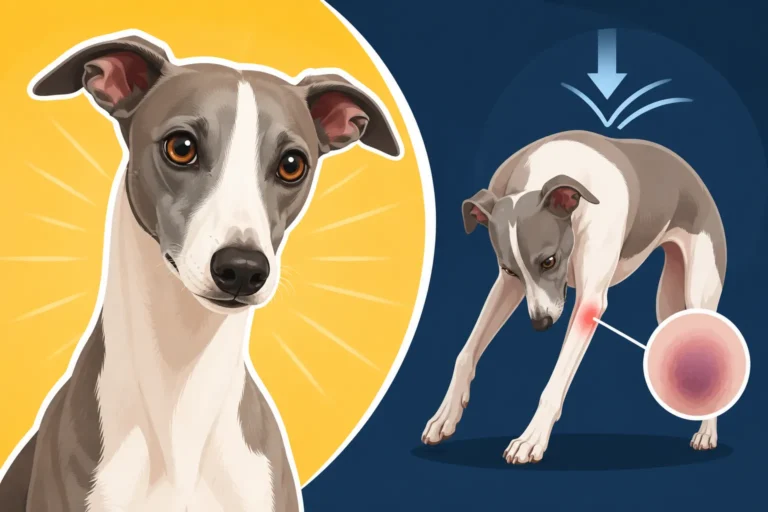
Repeat this many times over several sessions, keeping the volume low. Once your Whippet consistently hears the faint doorbell and calmly looks to you for a treat, you can ever-so-slightly increase the volume. The trick is to stay below their "reaction threshold." If they bark, jump, or get anxious, the volume is too high, and you need to dial it back. This process takes time, sometimes weeks or even months, but consistent positive reinforcement will slowly but surely change their internal emotional response to the doorbell. Remember that Whippets are sensitive, and How a Whippet Learns When It Bruises From Pressure highlights the importance of gentle, positive methods.
The "Go to Mat" or "Place" Command
Teaching your Whippet a "go to mat" or "place" command is incredibly empowering for both of you. It gives your dog a clear, positive task to perform when the doorbell rings, channeling their energy into a desired behavior rather than letting it spiral out of control.
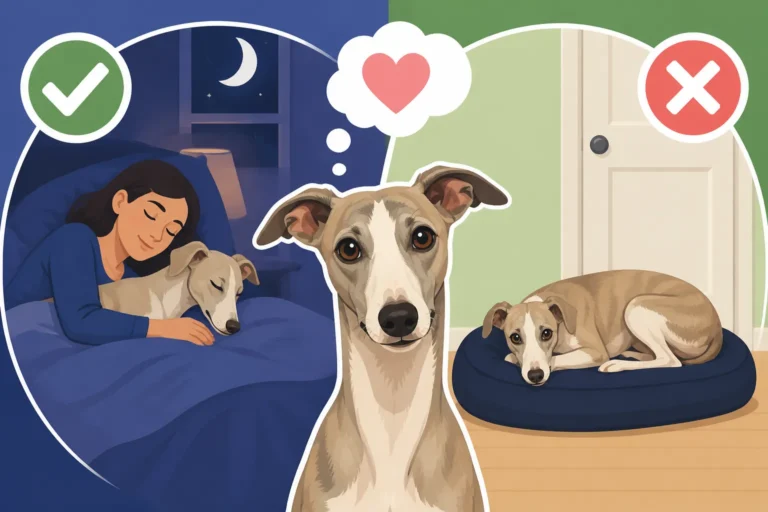
Start practicing this command in a calm environment, far away from the doorbell. Choose a designated mat, bed, or cushion. Lure your Whippet onto the mat with a treat, say "Place!" or "Mat!", and reward them lavishly for settling there. Gradually increase the duration they stay on the mat, and introduce mild distractions. The mat should become their safe, happy spot where good things happen.
Once they reliably go to their mat on command, you can slowly introduce the doorbell sound, starting again at a very low volume. As the doorbell sounds, immediately tell your Whippet "Place!" and reward them generously when they go to their mat and stay there calmly. This provides structure and a positive outlet for their energy, making them part of the solution rather than the problem. This principle of giving a dog a job is similar to the calm integration strategies discussed in Teaching an Adult Whippet to Live With Cats.
Managing the Environment and Visitor Arrivals
While you're actively training, managing the actual arrivals of visitors is paramount to prevent reinforcing old behaviors. Every time your Whippet practices their unwanted reaction, it makes it harder to break.
Consider these proactive management strategies:
- Temporary Doorbell Change: If possible, temporarily disable your doorbell or replace it with a quieter chime. Ask frequent visitors to text you when they arrive so you can simply open the door, allowing you to control the initial stimulus.
- Leash Management: Keep a leash and collar on your over-excited Whippet when you're expecting company. This gives you gentle control to guide them to their "place" or away from the door.
- Barrier Control: Use baby gates to create a physical barrier between your Whippet and the front door. This prevents jumping on guests and gives your dog a designated space to observe calmly (or retreat to, if anxious).
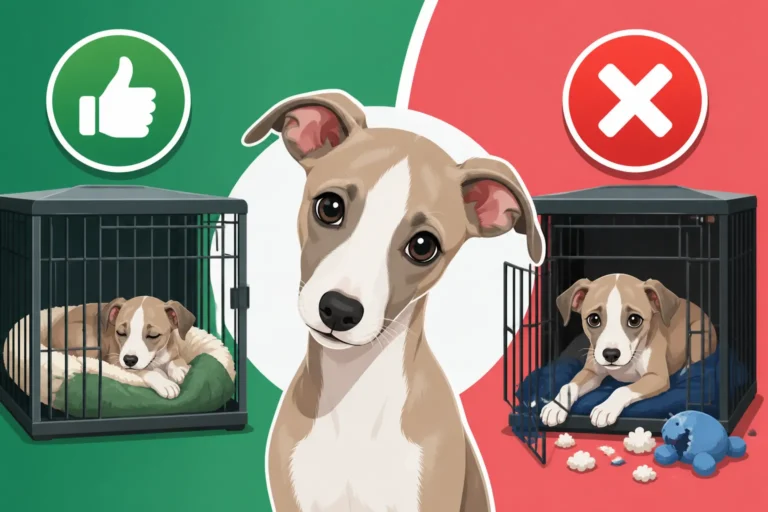
- Safe Retreat: For anxious Whippets, ensure they have a dedicated, comfortable safe space they can retreat to, like their Whether a Whippet Can Be Crate Trained crate or a quiet room. Provide a special long-lasting chew or puzzle toy to distract and comfort them when visitors arrive.
- Visitor Briefing: Kindly ask your visitors to ignore your Whippet initially, especially if they are overly excited or fearful. Once your Whippet is calm, they can offer a gentle greeting.
Consistent management prevents setbacks and allows your training to take hold. It helps them understand that the doorbell doesn't have to be a frantic or terrifying event. Sometimes, something as simple as a comforting jacket can help a sensitive Whippet cope, much like considering The Whippet That Will Not Toilet in the Rain may require a coat.
Essential Tools and Aids for Doorbell Success
Sometimes, a little help from modern gadgets or specific training aids can make a huge difference in managing your Whippet's doorbell reactions. These tools aren't replacements for training but powerful enhancers that can simplify the process and improve outcomes.
Smart Doorbells and Controlled Exposure
In today's connected world, a smart doorbell can be an absolute game-changer for addressing doorbell reactivity. Imagine seeing who's at the door on your phone before they even ring the bell. This precious lead time gives you a few extra seconds to prepare your Whippet – whether that means calmly guiding them to their "place" or grabbing a high-value treat.
Many smart doorbells also allow you to adjust the chime volume, choose different tones, or even mute the indoor chime entirely. This control over the stimulus is invaluable for your desensitization training. You can set the chime to a barely audible level for practice sessions, gradually increasing it as your Whippet progresses, or simply have it alert your phone while maintaining a quiet home environment. This level of control minimizes surprise and helps you proactively manage every arrival.
High-Value Treats and Enrichment Toys
To make counter-conditioning truly effective, you need to use treats that your Whippet considers the absolute pinnacle of deliciousness. Forget the bland kibble; we're talking about soft, smelly, meaty treats that can instantly grab and hold your Whippet's attention. Think small pieces of cooked chicken, cheese, or specialized training treats. The higher the value of the treat, the stronger the positive association your Whippet will form with the doorbell sound. You can often find a fantastic variety of these high-value training treats and engaging puzzle toys on Amazon, offering plenty of options to keep your Whippet motivated and focused during training.
For anxious Whippets, long-lasting chews or interactive puzzle toys can be a godsend. These can provide a calming, distracting activity to occupy their minds and mouths when the doorbell rings, helping them cope with their stress in a constructive way. Having a specific "doorbell toy" or "doorbell chew" that only appears when the doorbell rings can create a powerful positive association, shifting their focus from fear to fun. What your Whippet will work for, whether it's treats or toys, is key here, as discussed in What a Whippet Will Work For.
Training Programs and Expert Guidance
If you've tried various strategies and are still struggling, remember that you don't have to go it alone. A certified professional dog trainer specializing in positive reinforcement can provide invaluable guidance. They can observe your Whippet's specific reactions, identify underlying causes you might have missed, and create a tailored training plan. Sometimes, just having an objective eye can make all the difference.
Additionally, structured online training programs can be incredibly helpful. Platforms like BAXTER & Bella offer comprehensive courses that walk you through common behavioral challenges, including doorbell reactivity, with step-by-step instructions, video tutorials, and often access to professional trainers for personalized support. These programs can provide the structure and accountability needed to make consistent progress. Never hesitate to seek help when dealing with sensitive dogs, as pushing them too hard can have negative consequences, as highlighted in Why a Whippet Shuts Down When Corrected.
| Whippet Doorbell Reaction | Typical Manifestation | Underlying Cause (Often) | Initial Training Focus |
|---|---|---|---|
| Excitement/Zoomies | Frantic barking, jumping, running laps, struggling to settle | Anticipation of visitor, lack of clear job, high energy | Redirection to a calm "place," desensitization, management |
| Anxiety/Fear | Hiding, trembling, submissive urination, growling/snapping | Startle reflex, perceived threat, lack of confidence | Counter-conditioning (positive association), safe space, confidence building |
| Alarm Barking | Loud, sustained barking directed at the door, alert posture | Alerting behavior, territorial instinct, sensory sensitivity | Desensitization, "thank you & settle" command, redirection |
Disclaimer
This article is for general informational purposes only and does not constitute professional advice. Laws, prices and regulations vary by location and change over time. Consult a qualified professional for guidance on your specific situation.