Whether a Whippet Can Hike All Day
It's a common dream for dog owners: lacing up your boots, grabbing your pack, and heading out for a long, invigorating day on the trails with your canine companion by your side. But if you're a Whippet owner, you might be wondering if your sleek, sensitive sighthound is truly cut out for "all day" hiking. The reality is, while Whippets love adventure and exploring new smells, their unique physiology and inherent instincts mean that a leisurely stroll is often more their speed than an arduous trek. This guide will help you understand your Whippet's capabilities, what to consider for trail excursions, and how to make hiking a safe and joyful experience for both of you.
Understanding Your Whippet's Natural Design for the Trails
When we picture a hiking dog, images of sturdy, robust breeds often come to mind—thick-coated mountain dogs or tireless retrievers. Whippets, with their elegant, lean build, don't typically fit that mold, and it's crucial for their well-being to understand why. Their bodies are masterpieces of design, but specifically for a very different kind of athletic endeavor.
Sprinter, Not Marathoner: The Whippet's Build
Your Whippet's entire physique is engineered for speed and bursts of acceleration, not sustained, long-distance exertion. Think about their deep chest, tucked waist, and powerful hindquarters. This is the body of a sprinter, capable of incredible velocity over short distances. They have minimal body fat, which means less insulation against cold and less padding against rough surfaces. Their fine, thin skin, a hallmark of the breed, is easily scratched, torn, or bruised, which can be a real concern when navigating thorny bushes or jagged rocks. Unlike breeds with denser coats and tougher hides, a Whippet's skin is simply not designed for the rigors of an all-day bushwhack. This isn't to say they're fragile in spirit, but physically, they require a different approach to outdoor adventures.
Energy Levels and Stamina: What to Expect
The affectionate moniker "40-mile-an-hour couch potato" exists for a reason, and it perfectly encapsulates the Whippet's energy profile. They absolutely thrive on a good, vigorous sprint, tearing across an open field with unbridled joy. You'll see them perform incredible feats of speed and agility, truly earning their sighthound heritage. However, after that intense burst of energy, they are more than ready to curl up on the softest spot they can find and nap for hours. This isn't laziness; it's how their body recharges.
Expecting a Whippet to maintain a steady pace for many hours, covering significant distances and elevation changes, can lead to exhaustion, muscle strain, and even injury. Their stamina is moderate, meaning they can enjoy a good, brisk walk or a shorter hike, but their energy reserves are quickly depleted by prolonged effort. Unlike a husky that could pull a sled all day, a Whippet's system is optimized for quick recovery after short, explosive activity. Trying to push them beyond their natural limits could turn a fun outing into a stressful or even harmful experience. For more on their typical energy needs, you might find The Whippet Is a Forty Mile an Hour Couch Potato helpful, and if you're curious about different types of exercise, consider exploring Whether a Whippet Suits a Runner.
Essential Preparations for Hiking with Your Whippet
So, while "all day" might be a stretch, enjoyable shorter hikes are definitely on the table for most Whippets! The key is to prepare properly, ensuring both you and your canine companion have the right training and gear for a safe and comfortable outing. Just as you wouldn't head into the wilderness unprepared, your Whippet deserves the same consideration.
Training for Trail Manners and Recall
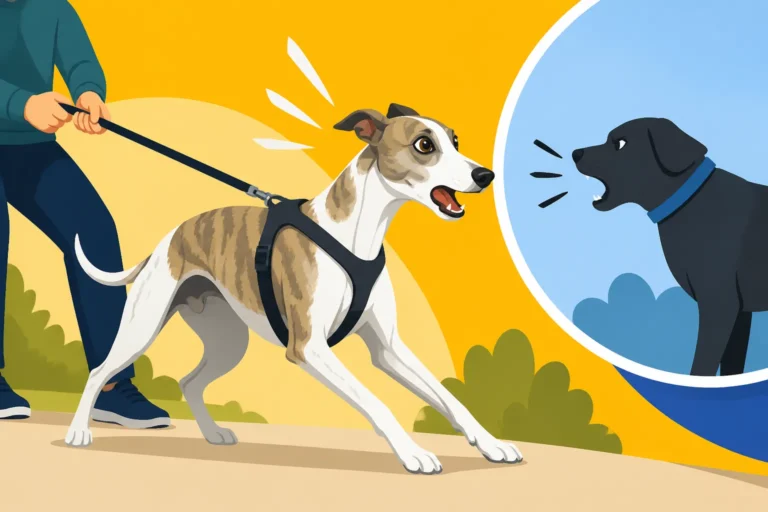
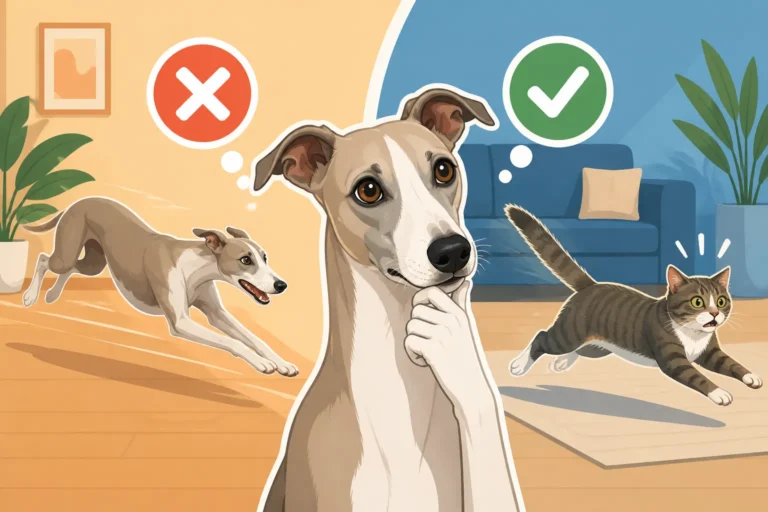
Before you even hit the trailhead, a solid foundation of obedience is paramount, especially for a sighthound. Whippets possess a powerful prey drive, and the sight of a squirrel, rabbit, or deer can trigger an immediate, instinctual chase response. This can be incredibly dangerous on a trail, where they might dash into traffic, disappear into dense woods, or disturb wildlife. A strong, reliable recall is non-negotiable. This means practicing "come" in increasingly distracting environments, ensuring your Whippet will return to you regardless of what tempting scents or moving objects cross their path.
Leash manners are equally important. While you might dream of off-leash adventures, in many areas, keeping your dog leashed is a rule, and with a Whippet, it's often a necessity for safety. Teach them to walk politely on a loose leash, even when exciting things are happening around them. A well-fitting harness or a martingale collar is essential for a Whippet, as their narrow heads mean they can easily slip out of a standard collar if they pull back suddenly. You can find many options for durable, sighthound-specific gear on platforms like Amazon. If you're looking for comprehensive, positive-reinforcement training resources to build that bulletproof recall and trail etiquette, online programs like those offered by BAXTER & Bella can be incredibly beneficial, providing structured lessons you can follow at your own pace. Understanding Why a Whippet's Chase Instinct Overrides Its Recall is critical here.
Gear Up: Protecting Your Whippet from the Elements and Terrain
Given their minimalist build, your Whippet's wardrobe and protective gear are not just for fashion—they're for function. They lack the thick fur and insulating fat that protect many other breeds, making them susceptible to both cold and sun exposure.
- Coats for All Seasons: In cooler weather, a warm fleece or insulated coat is a must to prevent shivering and maintain body temperature. Even on a seemingly mild day, if there's a breeze or if you stop for a break, a Whippet can get chilled quickly. Conversely, on sunny days, their thin skin, especially on lighter-colored Whippets, is prone to sunburn. A lightweight, UV-protective coat or rash guard can shield them from harmful rays. For chilly conditions, you might want to look at The Wardrobe a Whippet Needs Because It Has No Body Fat and Whether a Whippet Needs a Coat Below Fifty Degrees.
- Paw Protection: Depending on the terrain, dog boots can be a game-changer. Sharp rocks, thorns, hot pavement, or icy surfaces can easily injure a Whippet's delicate paw pads. Look for flexible, comfortable boots that stay on securely. Many brands available on Amazon offer different styles to suit various needs. It's worth considering Whether a Whippet Needs Boots for rough trails.
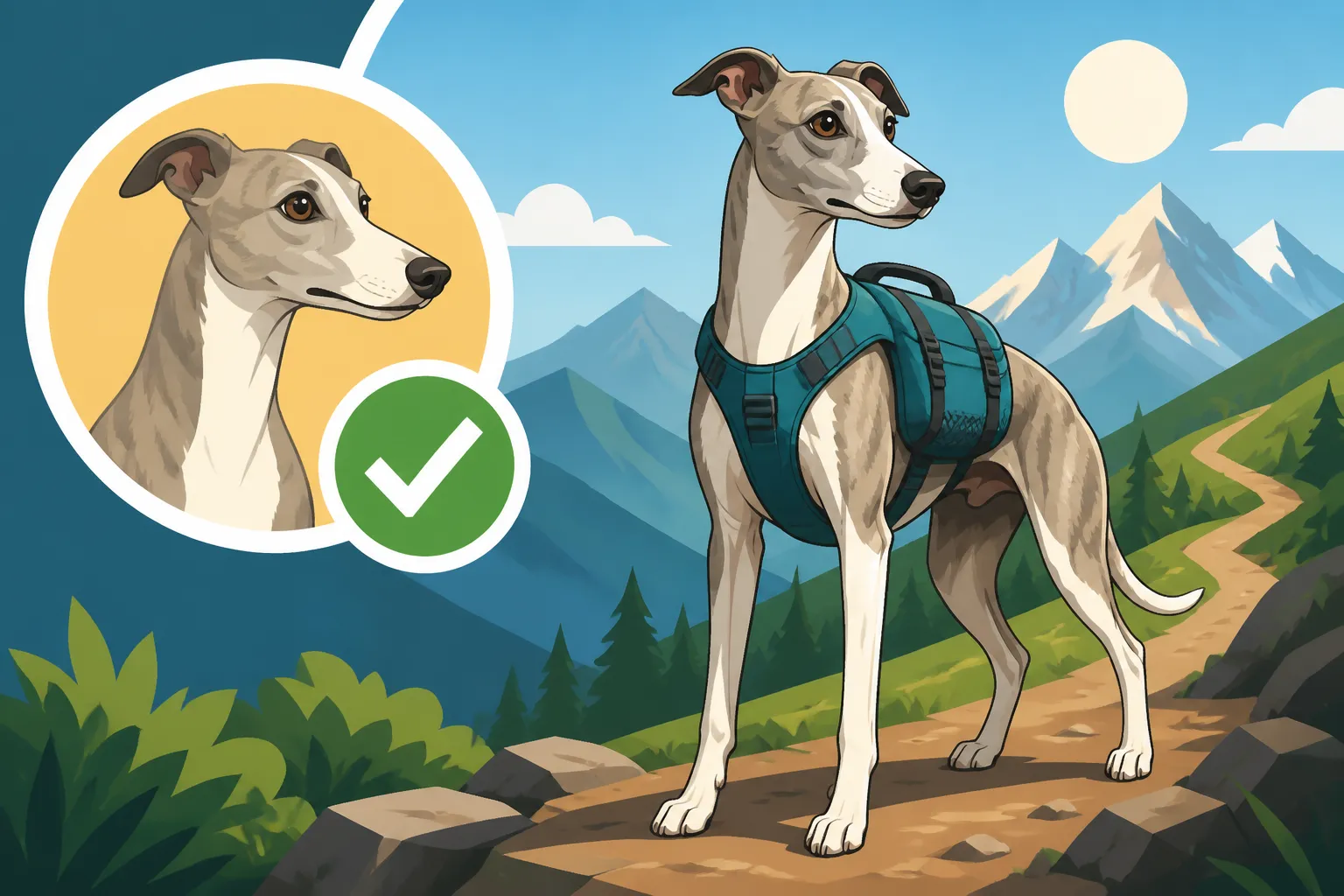
- Harness and Leash: As mentioned, a martingale collar is great for general walks, but a well-designed sighthound harness can offer better control and distribute pressure more evenly across their chest, which is ideal for hiking. Make sure it's escape-proof, as a spooked Whippet can be surprisingly agile in slipping out of restraints. For leash considerations, read Whether a Whippet Needs a Martingale.
- Identification: Always ensure your Whippet wears ID tags with up-to-date contact information, and that their microchip details are current. Accidents can happen, and quick identification is crucial for a happy reunion.
Navigating the Trail: Practical Hiking Considerations
Once you're equipped and trained, it's time to hit the trails! But remember, hiking with a Whippet requires a different mindset than hiking with, say, a Labrador. It's about moderation, awareness, and prioritizing their comfort and safety above all else.
Pacing, Breaks, and Hydration
Forget the idea of powering through miles without stopping. For a Whippet, hiking should be a series of pleasant explorations interspersed with frequent rest breaks. Watch your dog's cues: are they lagging behind? Sniffing a bit too intently in one spot? Panting heavily? These are all signs they might need a pause. Find a comfortable, shaded spot to let them rest, enjoy the view, and rehydrate.
Water is non-negotiable. Always carry more water than you think you'll need for both yourself and your Whippet. Collapsible water bowls are lightweight and easy to carry, and many brands can be found on Amazon. Offer water regularly, even if your Whippet doesn't seem overtly thirsty. Dehydration can quickly lead to fatigue and heat stroke, especially in active dogs.
Here's a quick comparison of Whippet hiking considerations:
| Aspect | Whippet Considerations |
|---|---|
| Stamina | Short to moderate duration, prefers bursts of speed then rest. Easily fatigued over long distances. |
| Pacing | Requires frequent breaks, slower pace, avoid continuous high exertion. |
| Terrain | Prefers soft, even ground. Sensitive paws, thin skin vulnerable to sharp objects, thorns. |
| Temperature | Prone to chilling in cold/wind; sensitive to sunburn and overheating in direct sun/heat. |
| Hydration | Needs regular water breaks; monitor closely for dehydration. |
| Prey Drive | High, requires impeccable recall or secure leash/long line at all times. |
| Social | Generally polite but can be reserved with strangers; careful introductions to other dogs. |
Terrain and Weather Awareness
The ideal hiking trail for a Whippet is relatively flat, with soft footing like dirt paths or grassy tracks. Avoid trails riddled with sharp rocks, thorny undergrowth, or dense scrub that could easily abrade their skin or injure their paws. A nasty cut on a leg or side isn't just painful; The Thin Skin That Sends a Whippet to the Vet for Stitches is a very real concern for our delicate hounds.
Weather is another critical factor. Whippets are not built for extreme temperatures. In cold, windy, or wet conditions, they will need appropriate coats to stay warm. On the flip side, they can overheat quickly in direct sun or high humidity. Their short coat offers little protection from the sun's rays, making them prone to sunburn on exposed areas like their nose, ears, and belly. Plan your hikes for cooler parts of the day during summer months, or stick to heavily shaded trails. Always be mindful of How a Whippet Handles Summer Heat and adjust your plans accordingly.
First Aid for Unexpected Scrapes and Scratches
Despite your best efforts, minor mishaps can occur on the trail. A Whippet's thin skin means even a small brush against a twig can result in a significant scrape or tear. Being prepared with a basic first-aid kit can make all the difference.
Your kit should include:
- Antiseptic wipes or spray (like chlorhexidine)
- Non-stick gauze pads
- Self-adhering bandage wrap (like vet wrap)
- Adhesive tape
- Scissors
- Tweezers (for splinters or ticks)
- A small towel
- Hydrogen peroxide (to clean if no antiseptic is available)
Knowing how to clean a minor wound and apply a temporary bandage can help prevent infection and provide comfort until you can get to a vet if needed. If the cut is deep or wide, or if it's bleeding profusely, it's always best to err on the side of caution and seek veterinary attention. For advice on managing skin tears, you might want to review Treating a Whippet's Skin Tear.
Recognizing Limits and Ensuring a Safe, Enjoyable Experience
The goal of hiking with your Whippet should be shared enjoyment, not endurance. By listening to your dog and understanding their unique needs, you can create wonderful outdoor memories without risking their health or happiness.
Signs Your Whippet Needs a Break or Is Done
Your Whippet can't tell you in words when they're tired or uncomfortable, so it's up to you to be a diligent observer of their body language. Here are some key signs to watch for:
- Lagging Behind: If your Whippet is falling behind you, even slightly, or seems reluctant to move forward, it's a clear signal they're tiring.
- Excessive Panting: While some panting is normal during exercise, excessive, heavy panting that doesn't subside quickly with a short rest indicates overheating or exhaustion.
- Change in Gait: A subtle limp, stiffness, or an altered way of moving can point to muscle fatigue or a developing injury. This is especially important for Whippets, whose legs are long and powerful but can be prone to specific muscle injuries.
- Shivering or Hunching: In cooler weather, shivering is an obvious sign they are cold. Hunching their back or tucking their tail can also indicate they're uncomfortable or chilly, even if they're wearing a coat. For tips on keeping them comfortable in various temperatures, refer to Caring for an Old Whippet That Feels the Cold.
- Reluctance to Engage: If your usually playful Whippet isn't interested in sniffing, exploring, or taking treats, they might be too tired or overwhelmed.
If you notice any of these signs, it's time to shorten the hike, take a long break, or head back to the car. Pushing them further is never worth the risk.
Adjusting Expectations for a Whippet's Hiking Capabilities
Ultimately, the answer to "Can a Whippet hike all day?" is usually no, not in the traditional sense of covering vast distances and challenging terrain from sunrise to sunset. But that doesn't mean they can't be fantastic hiking companions. Instead of aiming for peak bagging or marathon treks, adjust your expectations to suit your Whippet's strengths.
Focus on:
- Shorter Excursions: Plan for 1-2 hour hikes, perhaps two shorter outings rather than one long one.
- Varied Activities: Combine a brisk walk with some off-leash (in a safe, enclosed area) sprints, or a leisurely sniff-fest in a new park.
- Exploration over Endurance: Let your Whippet lead some of the sniffing expeditions, allowing them to engage their senses and explore at their own pace.
- Enjoying Nature Together: The joy comes from the shared experience, the fresh air, and the bonding, not the miles logged.
By reframing your idea of "hiking," you'll discover that your Whippet can be an enthusiastic and wonderful partner on many outdoor adventures.
Post-Hike Care
After any hike, regardless of length, a little post-adventure care goes a long way in keeping your Whippet healthy and happy.
- Paw Check: Thoroughly inspect their paw pads for any cuts, thorns, blisters, or signs of irritation. Clean any debris and apply a paw balm if their pads seem dry or cracked.
- Coat Brush Down: A quick brush can help remove loose dirt, burrs, or ticks that might have hitched a ride. While Whippets don't shed heavily or require much grooming, a post-hike brush is always a good idea. See How Often a Whippet Needs Brushing for general coat care.
- Muscle Massage: A gentle massage of their legs and back can help soothe any tired muscles, especially after more strenuous activity.
- Hydration and Rest: Ensure they have access to fresh water and encourage them to rest in a comfortable, warm spot. Just like us, dogs need time to cool down and recover after exercise, as detailed in Cooling a Whippet Down After a Sprint.
- Food: Offer their regular meal or a small, easily digestible snack if it's not mealtime.
By understanding your Whippet's unique physical and mental makeup, and preparing thoughtfully, you can enjoy countless happy, safe, and fulfilling outdoor adventures together, even if they're not always "all day" affairs.
Disclaimer
This article is for general informational purposes only and does not constitute professional advice. Laws, prices and regulations vary by location and change over time. Consult a qualified professional for guidance on your specific situation.