Whether a Whippet Makes a Distance Running Partner
It's a common question among Whippet owners, or those considering bringing one of these elegant sighthounds into their lives: "Can my Whippet be my running buddy for longer distances?" You see those sleek, muscled bodies, the incredible bursts of speed on a lure coursing field, and it's easy to assume they'd be fantastic companions for a five-mile jog, a ten-mile run, or even training for a half-marathon. The reality, however, is a little more nuanced than simply looking at their impressive athletic prowess. This guide will dive deep into what makes a Whippet tick, both physically and behaviorally, to help you understand if they're truly suited for distance running with you.
Understanding the Whippet's Athleticism and Its Limitations
When you watch a Whippet run, it’s like poetry in motion. They are incredibly fast, agile, and seemingly tireless for a few hundred yards. But that very design for explosive speed is what sets them apart from the typical endurance runner.
Built for Speed, Not Stamina
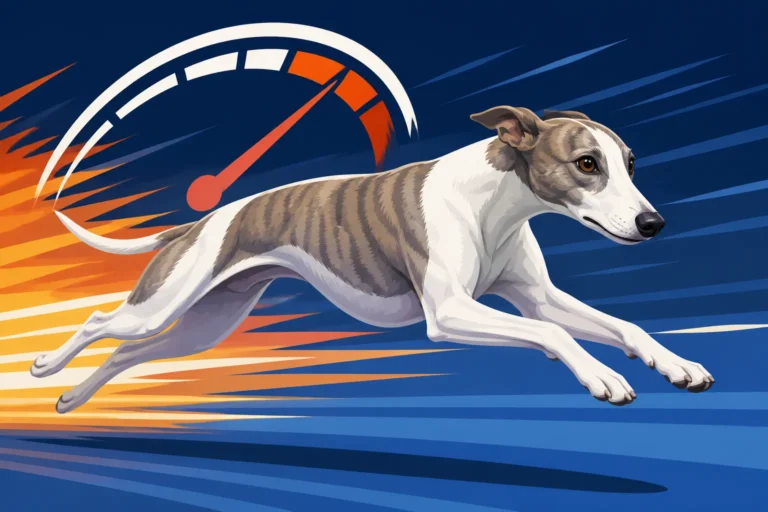
Whippets are sighthounds, bred over centuries for one primary purpose: to chase down fast-moving prey over relatively short distances. Their physiology is perfectly adapted for this. Think about it: a deep chest housing a large heart and lungs, long, powerful legs that allow for an incredible double-suspension gallop, and a lean, aerodynamic body. They can hit speeds up to 35 miles an hour in seconds, making them one of the fastest dogs for their size. This is all about anaerobic power – short bursts of intense energy.
However, this specialization comes with a trade-off. Unlike a Border Collie or a Husky, which are bred for sustained activity over longer periods, a Whippet's musculature and energy systems aren't designed for mile after mile of steady-state aerobic exercise. They burn through their energy reserves quickly, like a drag racer versus a cross-country car. If you've ever seen a Whippet sprint full tilt, you know that within moments, they're often slowing down, satisfied, and ready for a nap. They're built to outpace, not to outlast. If you push them too hard for too long, you might find them struggling or even prone to injury. You might be surprised to learn How Far a Whippet Can Sprint Before It Tires – it's often much less than you'd imagine for such a speedy dog.
The "Forty Mile an Hour Couch Potato" Misconception
This is a phrase often lovingly used by Whippet owners, and for good reason! Many people see a Whippet's speed and assume they need hours upon hours of intense exercise every single day to be content. This simply isn't true for most of them. While they absolutely need an outlet for their running instincts – a good sprint or two in a secure, fenced area is crucial – they are also masters of relaxation.
Once they've had their daily zoomies, often just 15-20 minutes of spirited running, they are perfectly happy to curl up on the sofa or in a soft bed and snooze for hours. They excel at being house dogs, often preferring the warmth and comfort of indoors to the elements. This "off switch" is one of their most endearing qualities and makes them surprisingly easy to live with, even in smaller homes or apartments. Don't be fooled by their speed; the truth behind The Whippet Is a Forty Mile an Hour Couch Potato is that while they can run fast, they usually don't want to run for long. Expecting them to keep pace for several miles day after day goes against their natural inclination and physical build.
Factors to Consider for Distance Running with a Whippet
Before you lace up your running shoes and snap on your Whippet's leash, there are several important factors to seriously consider. Pushing a dog beyond its physical limits can lead to injury, burnout, and a generally unhappy companion.
Age and Development
Just like human athletes, a Whippet's body needs to be fully developed before undertaking strenuous activity like distance running. Whippet puppies and adolescents have open growth plates in their bones, which are areas of cartilage that are still developing into bone. Too much repetitive impact or high-intensity exercise before these plates close can cause irreversible damage, leading to long-term orthopedic problems like arthritis.
Generally, most veterinarians recommend waiting until a Whippet is at least 12-18 months old, and sometimes even closer to two years, before introducing them to activities like sustained running. Their bones and joints need that time to mature and strengthen. Starting with short, gentle walks and gradually increasing duration and intensity after they've reached full skeletal maturity is crucial. If you're wondering The Age a Whippet Can Start Running With You, err on the side of caution and always consult your vet. They can provide guidance based on your individual dog's development.
Individual Temperament and Training
While most Whippets share common breed traits, individual personalities and physical tolerances vary significantly. Some Whippets might genuinely enjoy a longer, slower trot, especially if they’ve been conditioned gradually from a young age and see it as quality time with their favorite human. Others will make it abundantly clear through their body language – lagging behind, slowing pace, or even refusing to go – that they are not enjoying the experience.
Training plays a huge role here. You'll need to teach your Whippet to run politely on a leash beside you, without pulling or veering off course. This requires patience and positive reinforcement. Whippets are intelligent and sensitive dogs, and respond best to reward-based training. Harsh corrections can shut them down and make them reluctant to participate. Understanding What a Whippet Will Work For – usually treats, toys, or praise – will be key to making any shared activity enjoyable for them. Build up distance slowly, paying close attention to their cues. A dog training program like BAXTER & Bella can offer excellent resources for building a strong foundation of leash manners and positive engagement, which is vital before tackling longer runs.
Environmental Considerations
Whippets, with their thin skin and minimal body fat, are not built for extreme temperatures, hot or cold. This makes them particularly susceptible to environmental hazards during outdoor exercise.
- Temperature Sensitivity: In colder weather, a Whippet will quickly get chilled. They lack the insulating fat and thick double coat of many other breeds. A good winter coat is essential for any outdoor activity when temperatures drop, even for a brisk walk, let alone a run. Conversely, in warm weather, their deep chests and streamlined bodies mean they don't dissipate heat as efficiently as some other breeds, making them prone to overheating. Their enthusiasm can sometimes mask early signs of heat stress. Running in the heat, even moderate heat, can be very dangerous. Always consider How a Whippet Handles Summer Heat and adjust your exercise routine accordingly, opting for early morning or late evening runs if you must go out.
- Surface Type: Their delicate skin and lean bodies also mean they are more susceptible to injury from hard or abrasive surfaces. Running on concrete or asphalt for extended periods can take a toll on their joints and paw pads. Grass or soft trails are much kinder to their bodies. Be particularly wary of ice or slippery surfaces, as their long legs and powerful stride can lead to nasty slips and muscle tears. Understanding Whether a Whippet Should Run on Hard Ground is crucial for their long-term joint health.
- Injury Risk: Beyond joint issues, Whippets are prone to skin tears (due to their thin skin), muscle strains, and pad injuries. Long-distance running increases the risk of these, especially if they are not properly conditioned or if they encounter uneven terrain or sharp objects.
| Environmental Factor | Whippet Consideration | Recommendation for Running |
|---|---|---|
| Temperature | Poor insulation, prone to overheating & chilling | Avoid extreme heat/cold. Use coats in winter, run in cool parts of day in summer. |
| Running Surface | Delicate paw pads, impact on joints | Prefer soft trails, grass, dirt paths. Minimize concrete/asphalt. |
| Terrain | Fast, agile but prone to slips and strains | Avoid uneven, rocky, or slippery ground. |
| Weather | Dislikes rain/wind, no natural protection | Opt for dry, calm days. Use a raincoat if necessary for short walks. |
Practicalities and Safety for Running with Your Whippet
So, you've considered the factors, your Whippet is mature, and you think they might enjoy some distance running. Now, let's talk about how to do it safely and effectively.
Equipment and Gear
Having the right gear is non-negotiable for a safe and comfortable run with your Whippet.
- Harness: A well-fitting, secure harness is paramount. Whippets have narrow heads and deep chests, making them masters of slipping out of traditional collars. A martingale collar is excellent for walks, but for running, a secure, Y-front harness that doesn't restrict shoulder movement is better. Look for one designed for sighthounds or active dogs. You definitely want to avoid The Harness a Whippet Backs Out Of when you're several miles from home! Many excellent options are available on platforms like Amazon, but ensure you measure your Whippet accurately for a snug, escape-proof fit.
- Leash: A hands-free running leash that attaches to a belt can be very helpful, allowing you to maintain your stride and balance while keeping your Whippet close. A standard leash of at least 6 feet is also good for allowing some freedom of movement without letting them get too far ahead.
- Foot Protection (Booties): If you're running on abrasive surfaces, hot pavement, or in extreme cold, dog booties can protect their delicate paw pads. It takes time for dogs to get used to booties, so introduce them gradually during walks before attempting a run.
- Visibility Gear: For early morning, late evening, or overcast runs, reflective vests for both you and your Whippet, and even LED collars or leash attachments, are crucial for safety, especially if running near roads.
- Water: Always carry water for both of you, especially on longer runs or in warmer weather. A portable dog bowl or a bottle with an attached dispenser makes this easy.
Pacing and Training Regimen
This is where your inner coach needs to shine. You cannot expect your Whippet to go from zero to five miles overnight.
- Start Slow and Short: Begin with short distances, perhaps a mile or two, at a moderate pace. Incorporate walk breaks frequently. Over several weeks or months, gradually increase the distance and duration. The goal is to build their endurance slowly and safely, allowing their muscles, joints, and cardiovascular system to adapt.
- Listen to Your Whippet: This is perhaps the most important advice. Pay close attention to your dog's body language. Are they trotting happily beside you with their tail up, or are they lagging, panting excessively, or showing signs of discomfort? If they seem tired, unwilling, or are limping, stop immediately. Their well-being takes precedence over your mileage goals. Some days they might be more energetic, other days less so. Respect that.
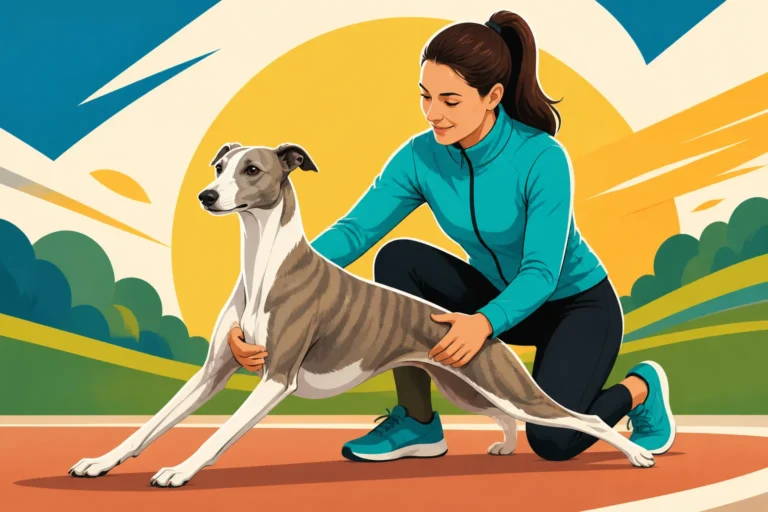
- Warm-up and Cool-down: Just like you, your Whippet benefits from a proper warm-up before a run and a cool-down afterward. A brisk walk for 5-10 minutes before you start running will get their muscles ready. After your run, another 5-10 minutes of walking helps their body recover. You can read more about Warming Up a Whippet Before It Runs and Cooling a Whippet Down After a Sprint to ensure you're doing it effectively.
- Interval Training: If your Whippet genuinely enjoys running, you might find that interval training suits them better than sustained, steady-state mileage. This would involve periods of faster running interspersed with periods of walking or slower jogging, allowing them to use their natural bursts of speed.
Recognizing Limits and Alternatives
It’s crucial to understand that even with the best intentions and training, your Whippet might simply not be cut out for distance running. And that's perfectly okay!
- Signs of Fatigue or Discomfort: Watch for excessive panting, lagging behind, a change in gait, paw pad tenderness, or a general reluctance to continue. A Whippet that normally runs ahead or beside you suddenly falling behind is a clear sign they're tired.
- When to Stop: If you see any of these signs, it's time to stop the run, offer water, and head home. Never force a dog to continue. Pushing them through pain or exhaustion can lead to severe injury or a negative association with running, making them unwilling to participate in the future.
- Embrace Their Natural Strengths: If distance running isn't a good fit, there are many other activities where your Whippet will absolutely shine! Lure coursing, Fast CAT, and oval track racing are all sports specifically designed for sighthounds, allowing them to unleash their incredible speed and prey drive in a safe, controlled environment. These activities are often short, intense bursts that align perfectly with their physical build and instincts. Exploring Whether Fast CAT Suits a Whippet or understanding How Lure Coursing Channels a Whippet's Drive can open up a world of fun for both of you, where your Whippet can truly be the superstar they were born to be.
The Verdict: Is Your Whippet a True Distance Runner?
After considering all the nuances, the answer to whether a Whippet makes a good distance running partner isn't a simple yes or no. It's more of a "maybe, with significant caveats."
The Reality Check
For most serious human distance runners who are looking for a dog to reliably complete 5-10 mile runs several times a week, a Whippet is likely not the ideal partner. While some exceptional individuals might tolerate it, it's generally not what they are physically or mentally built for. They are sprinters, not marathoners. Asking them to run long distances consistently is often asking them to go against their nature and can put them at higher risk for injury and discomfort.
It’s important to separate your personal running goals from what is best for your specific dog. While the idea of a svelte, speedy companion by your side for miles is appealing, it might be more of a human fantasy than a Whippet reality.
Fulfilling Their Natural Drive
Instead of trying to turn your Whippet into something they're not, focus on activities that truly make them happy and utilize their unique abilities. Their joy comes from short, explosive sprints, the thrill of the chase, and then the deep satisfaction of a long nap on the softest bed in the house.
This might mean you get your long runs in alone, and then take your Whippet to a securely fenced park for 15-20 minutes of full-speed zoomies. Or you might explore local lure coursing events, where they can chase a plastic bag on a string, fulfilling that ancient prey drive in a safe, fun way. Companies like BAXTER & Bella, with their focus on positive training and understanding dog behavior, can help you channel your Whippet's energy in constructive ways that align with their natural instincts, rather than forcing them into a mold that doesn't fit. Celebrate their speed and their love for comfort, and you'll have a wonderfully happy, healthy, and devoted companion.
Disclaimer
This article is for general informational purposes only and does not constitute professional advice. Laws, prices and regulations vary by location and change over time. Consult a qualified professional for guidance on your specific situation.