Why a Whippet Cannot Be Let Off Leash in an Open Field
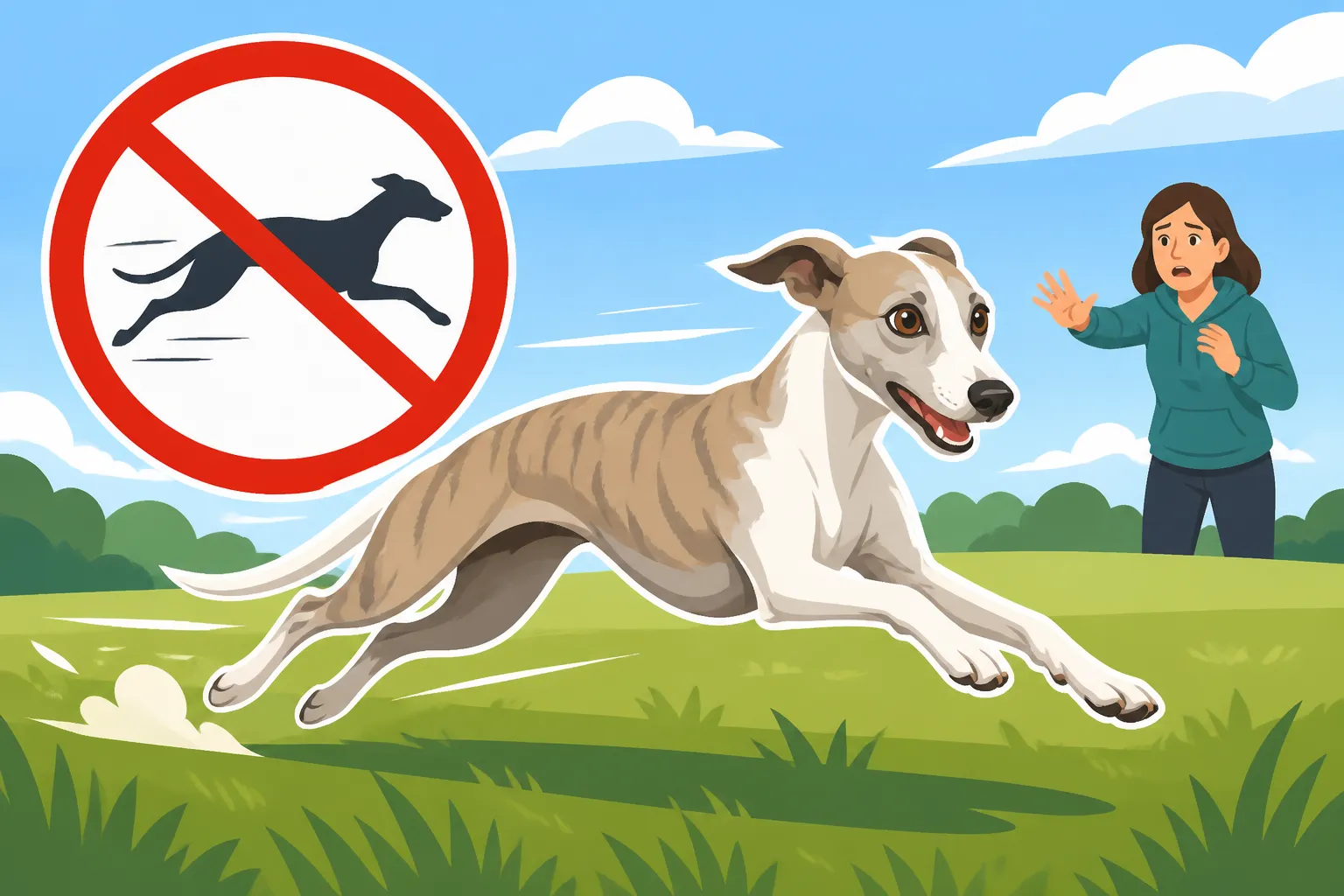
It's a beautiful vision, isn't it? Watching your elegant Whippet stretch out, galloping across a vast, open field, their effortless speed a blur against the horizon. Many of us dream of giving our dogs that sense of uninhibited freedom. But for a Whippet owner, that dream often clashes with a stark reality: letting a Whippet off leash in an unfenced, open field is incredibly risky, and sometimes, tragically dangerous. This comprehensive guide will delve deep into why this seemingly innocent act can have serious consequences and how to provide your Whippet with safe, fulfilling exercise that respects their unique nature.
Understanding the Whippet's Instinctual Drive
To truly understand why an open field without a fence is a no-go for a Whippet, we first need to appreciate the very essence of what makes them who they are. These dogs aren't just pets; they are sighthounds, bred over centuries for one purpose: to chase.
The Unstoppable Prey Drive
Imagine a switch being flipped, instantly overriding all training, all loyalty, all concern for their human. That's essentially what happens when a Whippet's prey drive kicks in. It's not a matter of disobedience; it's a hardwired, evolutionary imperative. Their eyes are designed to detect the slightest movement in the distance – a rabbit darting, a squirrel scampering, even a blowing plastic bag can trigger it.
Once that visual cue is registered, the chase begins. They don't think about crossing a road, or a stranger's dog, or a barbed wire fence. Their entire being is consumed by the pursuit. This isn't something you can train out of them with treats or repetition. While you can build a strong foundation of recall in controlled environments, expecting it to hold against the primal surge of a full-throttle chase is often unrealistic and unfair to your dog. For a Whippet, the sight of a fleeing creature is like ringing the dinner bell and the finish line for a marathon all at once.
Built for Speed, Not for Brakes
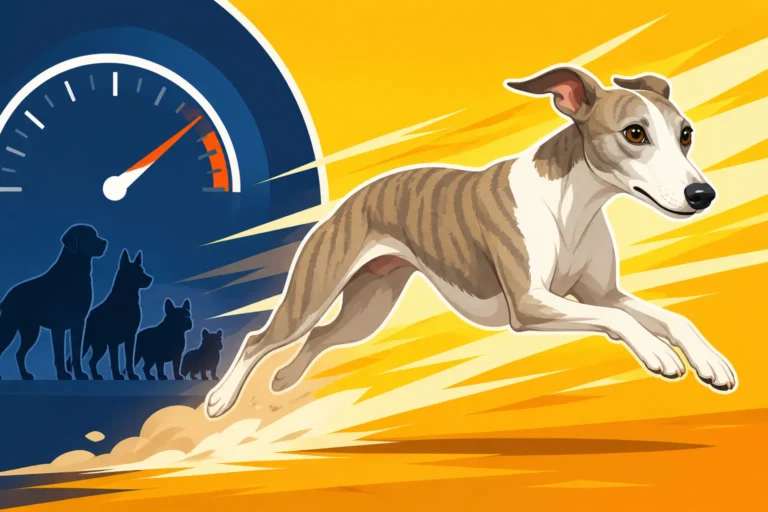
Whippets are canine athletes, specifically designed for short, explosive bursts of speed. Their slender, aerodynamic bodies, deep chests, and powerful hindquarters are masterpieces of engineering, allowing them to accelerate from a standstill to incredible speeds in mere seconds. Many people don't realize just How Fast a Whippet Actually Runs, often reaching upwards of 35 miles per hour.
This incredible speed, however, comes with a trade-off: they are not built for quick stops, sudden turns, or navigating complex obstacles while at full tilt. Their momentum carries them forward, and once they've committed to a chase, bringing them to a sudden halt is physically challenging for them, let alone stopping on a verbal command. Think of a drag racer trying to maneuver through a slalom course. It's simply not what their bodies are designed for. When their focus is locked on a moving target, their powerful legs are driving them relentlessly forward, often oblivious to the terrain beneath them or what might lie ahead.
The Dangers of an Unfenced Environment
The open field, which seems like a paradise, is actually a minefield of potential dangers for a free-roaming Whippet. Their speed and instinct can turn a pleasant outing into a nightmare in a matter of seconds.
Traffic and Roads Are Invisible Threats
One of the most terrifying scenarios for a Whippet owner is the thought of their dog bolting towards a road. Because of their laser-like focus on prey, a Whippet in full chase mode often has what's called "tunnel vision." They become oblivious to their surroundings, including the very real and immediate danger of moving vehicles. A rabbit might lead them across a busy street without a second thought, completely ignoring the honking horns or screeching tires.
The sheer speed at which they can cover ground means that a road that seems far away can be reached in a blink. You might yell, you might plead, but your voice is lost to the sound of pounding paws and the primal urge to catch. The consequences of such an encounter are, heartbreakingly, often fatal. This isn't an exaggeration; it's a grim reality that many sighthound owners live with, constantly aware of the invisible boundaries that exist just beyond the edge of a field. Why a Loose Whippet Runs Into Traffic highlights this critical concern.
Unseen Hazards and Injuries
Beyond traffic, open fields, especially those not regularly maintained, present a host of physical dangers. Whippets have notoriously thin skin, often described as "tissue paper" skin, which makes them incredibly prone to tears and lacerations from even seemingly innocuous brush or debris. The Thin Skin That Sends a Whippet to the Vet for Stitches is a common vet visit for this breed. Imagine your Whippet running through tall grass only to hit a hidden stump, a discarded piece of metal, or even a low strand of barbed wire. Their delicate skin can tear open with alarming ease, requiring urgent veterinary attention and stitches.
Furthermore, their athletic build, while perfect for speed, isn't indestructible. Running at top speeds over uneven ground, hitting divots, or suddenly changing direction can lead to serious musculoskeletal injuries. These can range from muscle pulls and strains to sprains, broken toes, or even more severe fractures. Whether a Whippet Breaks a Leg Running is a real concern when they are at full throttle on unpredictable terrain. What looks like a smooth, clear field to us can be a minefield of ankle-twisting holes and sharp objects for a dog moving at top speed.
Interactions with Wildlife and Other Dogs
While the chase instinct is natural, it can lead to unfortunate encounters. Your Whippet, driven by instinct, may successfully catch a rabbit or squirrel. This can be distressing for both the dog and the owner, and in some areas, it might even lead to legal repercussions regarding wildlife protection. Moreover, a Whippet's intense focus on prey means they might not register another dog's presence until it's too late.
A fast-moving, chasing sighthound can appear threatening to other dogs, especially those who aren't used to their unique play style or who are themselves leash-reactive. This can lead to altercations, even if your Whippet has no aggressive intent. Conversely, a larger, more boisterous dog might injure a Whippet during rough play simply because Whippets are more delicately built than many other breeds. There's also the risk of your Whippet chasing someone's farm animals if you're near rural properties, which can have very serious legal and ethical implications.
The Reality of Whippet Recall
Many dog owners pride themselves on having a "bomb-proof" recall. And while diligent training is crucial for any dog, it's vital to understand the unique challenges presented by a Whippet's inherent nature.
Why "Good Recall" Isn't Enough
Let's be honest: you can spend countless hours, bags of high-value treats, and endless patience training your Whippet's recall in every conceivable scenario. And in most situations—in your backyard, on a quiet trail, even in a dog park when there's nothing highly stimulating—their recall might be truly excellent. They come when called, every time, no questions asked. This is fantastic and a testament to your hard work.
However, the moment a genuine prey animal —a rabbit, a deer, a squirrel—enters the equation, that carefully built recall can vanish into thin air. It’s not a reflection of poor training on your part, nor is it a sign of a "stubborn" dog. It's simply the raw, unadulterated instinct of a sighthound kicking in. Their brains are wired to pursue, and that switch, once flipped, is incredibly difficult to turn off. Why a Whippet's Chase Instinct Overrides Its Recall explains this phenomenon perfectly; it's a biological imperative, not a choice. They aren't choosing to ignore you; they are literally incapable of hearing or processing your command in that moment.
The Role of Adrenaline in a Chase
When a Whippet spots prey and initiates a chase, their bodies are flooded with adrenaline. This powerful hormone prepares them for intense physical exertion, heightens their senses specifically related to the hunt, and dulls other inputs. In this state, their focus is entirely on the fleeing animal. Your voice, even if you're screaming, becomes nothing more than background noise. They are operating on instinct, driven by a primal urge that has been selectively bred into their lineage for centuries.
It's similar to how a human might react in a fight-or-flight situation; rational thought and learned responses often take a backseat to pure, instinctual reaction. For a Whippet, that instinct is to run and catch. This is why attempting to call them back during a high-speed chase is almost always futile. They are quite literally deaf to your pleas. Understanding How Far a Whippet's Recall Can Be Trusted (or, more accurately, not trusted in these scenarios) is crucial for their safety.
Providing Safe Off-Leash Opportunities
Acknowledging the risks doesn't mean your Whippet is doomed to a life on a leash. It means being a responsible owner who understands their breed-specific needs and seeks out appropriate outlets for their incredible athletic abilities.
Securely Fenced Areas Are Non-Negotiable
For a Whippet, a truly safe off-leash experience can only happen within a securely fenced area. And by "secure," we mean tall enough, sturdy enough, and without gaps that a determined and agile Whippet could exploit. While Whippets aren't typically known as jumpers or climbers like some terrier breeds, a motivated Whippet might surprise you. A minimum of a six-foot fence is generally recommended, and even then, checking for weak spots, loose boards, or areas they could dig under is essential. How Tall a Fence a Whippet Needs is an important consideration for any Whippet owner planning a safe space.
When visiting a public dog park, always do a quick scan of the fence line before unleashing your dog. Check gate latches, look for any holes, and observe the other dogs. Many owners have invested in secure private rentals or cooperative arrangements with other sighthound owners to ensure their dogs can truly stretch their legs in a worry-free environment.
Lure Coursing and Fast CAT
These organized dog sports are absolute game-changers for Whippet owners, offering a safe, controlled, and immensely satisfying outlet for their natural prey drive and speed.
- Lure Coursing: This sport involves dogs chasing an artificial lure (a plastic bag or similar material) pulled by a mechanical system across a large, open field, mimicking the zigzagging path of live prey. It's exhilarating for the dogs, allowing them to run at full speed, use their sighthound instincts, and experience the pure joy of the chase.
- Fast CAT (Coursing Ability Test): A straight 100-yard dash where dogs chase a lure, testing their speed and acceleration. It's short, intense, and perfectly suited to a Whippet's explosive power.
These events are designed with safety in mind. Fields are inspected, dogs run one at a time (or in small, carefully matched groups), and the lure operator ensures the chase is controlled. My Whippets absolutely live for these days! You can read more about What Lure Coursing and Fast CAT Cost a Whippet Owner and What a Lure Coursing Entry Costs a Whippet Owner if you're interested in giving these fantastic sports a try. They are truly the best way to let your Whippet "be a Whippet" without putting them in harm's way.
Long Lines and Controlled Exploration
For times when a securely fenced area or a structured sport isn't available, a long line can be a valuable tool. A long line is essentially a very long leash (15-50 feet) that allows your Whippet a greater radius of movement while still keeping them physically connected to you. This can be wonderful for exploring open, low-risk areas like quiet hiking trails or large grassy fields far from roads, without the immediate danger of them bolting.
When using a long line:
- Safety First: Always use a well-fitting harness, not just a collar, to prevent injury to their neck if they hit the end of the line quickly. Harnesses distribute pressure more evenly.
- Awareness: Stay hyper-aware of your surroundings. A long line gives them more reach, but also means they can get tangled or pull you unexpectedly.
- Practice Recall: Even on a long line, continue practicing your verbal recall. If they start to fixate on something, you can use the line to gently redirect them before the prey drive completely takes over.
- Environmental Scan: Before letting the line out, always scan the area for potential hazards like other dogs, cyclists, or hidden debris.
This approach offers a compromise, providing a sense of freedom and exploration while maintaining a critical safety connection.
Managing Exercise and Mental Stimulation
It's a common misconception that because Whippets are so fast, they need to run for miles every day. While they can run incredibly fast, their energy output is often more about short, intense bursts rather than sustained endurance.
The "Forty Mile an Hour Couch Potato"
This endearing nickname perfectly encapsulates the Whippet's unique energy profile. They are indeed capable of blazing speeds, but they are also champions of napping. The Whippet Is a Forty Mile an Hour Couch Potato is a truth many Whippet owners can attest to. They might do a few zoomies, chase a ball for a few minutes, or sprint across a field during a lure coursing event, and then they're ready to crash for hours on the softest bed they can find.
This is good news for many owners! It means you don't need to dedicate hours each day to high-intensity exercise. A couple of good, brisk walks, some playtime in a secure yard, and perhaps one or two dedicated running sessions a week (in a safe, fenced area or through a sport) are usually sufficient to keep a Whippet physically and mentally healthy. Understanding How Much Exercise a Whippet Really Needs helps you manage expectations and ensures you're meeting their actual requirements without overdoing it or underdoing it.
Daily Walks and Structured Play
While bursts of speed are crucial, regular, leashed walks are equally important for mental and physical well-being. These walks provide opportunities for:
- Sniffing and Exploration: Dogs experience the world through their noses. Allowing your Whippet to sniff and explore different environments is incredibly enriching and mentally stimulating.
- Socialization (Controlled): Leashed walks are excellent for controlled exposure to new sights, sounds, and polite interactions with other dogs and people.
- Bonding: It's quality time spent together, reinforcing your relationship.
Supplement walks with structured play sessions in a secure area. This could be playing fetch with a soft frisbee or ball (be mindful of hard surfaces and potential for injury), engaging in tug-of-war, or simply letting them zoom around with a trusted canine friend. For indoor stimulation, consider puzzle toys or snuffle mats, which encourage problem-solving and engage their minds. Even simple chew toys from Amazon can provide hours of quiet entertainment.
Training Beyond Recall
While we've established the limitations of recall against pure prey drive, focusing on other aspects of training is incredibly beneficial for a Whippet.
- Impulse Control: Training commands like "wait," "stay," and "leave it" in less distracting environments can build a foundation for self-control that might translate to slightly better responses when distractions are present (though, again, don't rely on it for prey).
- Loose-Leash Walking: A well-trained Whippet that walks politely on a leash makes walks more enjoyable and safer for everyone.
- Positive Reinforcement: Whippets are incredibly sensitive dogs. Harsh corrections or punishment can easily shut them down or create fear. Positive reinforcement, using treats, praise, and gentle encouragement, is by far the most effective and humane way to train them. How a Whippet Learns When It Bruises From Pressure speaks to their sensitive nature, making positive methods crucial.
Consider exploring online training platforms like BAXTER & Bella. Their resources can offer comprehensive, positive-reinforcement-based training programs that are fantastic for building a strong bond and teaching crucial manners without relying on harsh methods that don't suit the Whippet temperament.
Understanding the Owner's Responsibility
Ultimately, the decision to own a Whippet comes with a profound responsibility to understand and respect their unique traits. It's about putting their safety and well-being first, even if it means foregoing the romanticized image of a dog running wild.
Accepting the Breed's Nature
It can be frustrating when you see other breeds happily frolicking off-leash in seemingly open areas, while your Whippet remains tethered. It's easy to fall into the trap of thinking your dog is "misbehaving" or that your training has failed. But the truth is, a Whippet's powerful prey drive is not a flaw; it's a defining characteristic of the breed. It's what makes them so magnificent in their designated sports.
Accepting this fundamental aspect of their nature is liberating. It means you can stop blaming yourself or your dog for something that is genetically ingrained. Instead, you can focus your energy on providing outlets that are both safe and fulfilling for your Whippet, celebrating their unique blend of explosive speed and serene calm. It's about embracing who they are, not trying to force them to be something they're not.
Advocating for Your Whippet's Needs
As a Whippet owner, you'll likely encounter people who question your choices. "Why don't you let him run?" they might ask, or "He looks like he needs to stretch his legs!" It's important to be an advocate for your dog and for the breed. Gently educate others about the specific needs and instincts of sighthounds. Explain the dangers of traffic, the fragility of their skin, and the strength of their prey drive.
Being firm about safety rules, whether it's ensuring gates are always closed or explaining why your Whippet must stay on a leash in certain areas, isn't being overprotective—it's being responsible. You are your Whippet's guardian, and their safety depends on your informed decisions.
Here's a quick comparison of safe vs. unsafe environments for off-leash Whippet activity:
| Feature | Safe Off-Leash Environment | Unsafe Off-Leash Environment |
|---|---|---|
| Fencing | Fully enclosed, minimum 6 ft tall, secure latches, no gaps. | Open fields, unfenced parks, areas near roads or unknown property lines. |
| Visibility | Clear sightlines, no hidden hazards, ability to see surrounding area. | Dense brush, tall grasses, undulating terrain where hazards or prey can hide. |
| Prey Animals | Minimal or no wildlife presence, or controlled through sports. | Areas known for rabbits, squirrels, deer, or other small animals. |
| Other Dogs | Owners present, dogs known to be friendly and predictable, supervised play. | Unknown dogs, unsupervised dog parks, aggressive or overly boisterous dogs. |
| Terrain | Even ground, well-maintained grass or soft surfaces. | Rocky, uneven, or hard surfaces; presence of broken glass, trash, or barbed wire. |
| Proximity to Roads | Far from busy streets, separated by secure barriers. | Close to roads, highways, or heavy vehicle traffic. |
| Activities | Lure coursing, Fast CAT, private securely fenced yards. | Casual walks in open public parks, hiking trails without secure fencing. |
This table clearly illustrates why a truly open field is fundamentally different from a secure space like a private, well-maintained dog park or a dedicated lure coursing venue. As a Whippet owner, seeking out Where a Whippet Can Safely Run Off Leash is paramount.
Disclaimer
This article is for general informational purposes only and does not constitute professional advice. Laws, prices and regulations vary by location and change over time. Consult a qualified professional for guidance on your specific situation.