What a Lure Coursing Entry Costs a Whippet Owner
It's an absolute joy to watch our Whippets stretch out and do what they were born to do: run! But if you're like many Whippet owners, you've probably wondered about taking that natural instinct to the next level with something like lure coursing. The thought of all that speed and grace unleashed is thrilling, but then the practical questions hit: what does it really cost to get involved? It's easy to get intimidated by what seems like a niche sport, but this guide is here to break down all the expenses, big and small, so you can make an informed decision about diving into the exciting world of lure coursing with your beloved sighthound.
Understanding Lure Coursing: More Than Just a Run in the Park
For anyone who’s ever owned a Whippet, you know there’s a distinct difference between a casual romp in the yard and the intense, focused burst of speed when they spot something that ignites their prey drive. Lure coursing isn't just a fun activity; it's a deeply satisfying outlet for your Whippet's inherent instincts, and it provides a level of physical and mental stimulation that goes far beyond a regular walk.
The Appeal of Lure Coursing for Whippets
Our Whippets are descendants of ancient sighthounds, bred for speed, agility, and the relentless pursuit of prey. While modern life means they're mostly treasured companions, that instinct is still very much alive and well. Lure coursing taps directly into that genetic heritage, offering them a safe and controlled environment to chase a "lure" – typically a white plastic bag on a string – that mimics the erratic movement of a small animal. Watching them open up into a full, breathtaking sprint, their bodies flowing like liquid across the field, is an unparalleled experience. It's not just about physical exertion; the mental engagement of figuring out the lure's unpredictable path, the quick turns and sudden accelerations, keeps their minds sharp and focused. It allows them to truly be a sighthound, fulfilling a deep-seated drive that no amount of ball fetching can replicate. If you're wondering how this activity channels their natural desires, you might find more insight in our post on How Lure Coursing Channels a Whippet's Drive.
This isn't your average dog park visit, where a quick zoomie session might be interrupted by other dogs or distractions. Lure coursing is a dedicated event, often held in large, fenced open fields, designed specifically for sighthounds to run unimpeded. The courses are laid out to challenge them with turns and straightaways, simulating a true chase. For many Whippets, it's the highlight of their week, or even their year. The sheer joy and exhilaration they display after a successful run is infectious, and it's something every Whippet owner should consider experiencing, even if just once.
The Organizations Behind Whippet Lure Coursing
When you start looking into lure coursing, you'll quickly discover that there isn't just one single organization running events. In the United States, the primary governing bodies for sighthound performance events are the American Kennel Club (AKC) and the American Sighthound Field Association (ASFA). Each has its own set of rules, procedures, and, naturally, fee structures. The AKC offers "Lure Coursing" and "Coursing Ability Tests" (CAT and Fast CAT), which are often more accessible for beginners. ASFA focuses on traditional lure coursing, which tends to be more competitive and requires a bit more commitment, often involving qualifying runs and longer courses.
Beyond these national organizations, you might also find local sighthound clubs or independent groups that host fun runs or practice days. These can be a fantastic, lower-cost way to introduce your Whippet to the sport without the pressure of a formal competition. It’s always a good idea to check the specific rules and requirements of the organization or club hosting the event you're interested in, as they can vary significantly. For instance, some require full AKC registration, while others might allow dogs with a "Limited" or "ILP" number, which simplifies the paperwork if your dog isn't bred for show or full registration. Understanding these nuances is crucial for budgeting both your time and your money.
Breaking Down the Costs of a Single Lure Coursing Event
The most direct and unavoidable cost of participating in a lure coursing event is the entry fee itself. However, there are also various administrative hurdles and associated fees that you'll need to factor into your budget before your Whippet even steps onto the field. It’s rarely as simple as just showing up and paying a flat rate.
Entry Fees: The Most Direct Expense
When you sign up for a lure coursing trial, whether it's an AKC Coursing Ability Test (CAT) or a more traditional ASFA trial, you'll encounter a range of entry fees. These fees typically cover the cost of renting the field, operating the lure machine, paying the judges, and other administrative expenses associated with running a professional event. For a single day of AKC Fast CAT or CAT runs, you might expect to pay anywhere from a moderate fee per run to a slightly higher fee for multiple runs or a whole day pass. These can vary based on the host club and the specific event. ASFA trial fees, which often involve more complex multi-stake formats and require qualifying runs, might be structured differently, sometimes as a flat fee for the weekend or per stake.
It’s common for clubs to offer discounted rates for members compared to non-members, so an annual membership fee might pay for itself if you plan to attend multiple events. Additionally, pre-entering online or by mail often costs less than a "day-of" entry, if day-of entries are even permitted. Some events might also charge a small "field fee" on top of the entry fee, or a "catalogue fee" if you want a printed schedule of the day's events. Always read the premium list – the official event announcement – carefully to understand the full breakdown of costs. This document will detail all the fees, deadlines, and requirements. It's worth noting that if you're also considering other fast-paced sighthound sports, the costs can add up quickly. For a broader comparison, you might check out What Lure Coursing and Fast CAT Cost a Whippet Owner.
Pre-Requisites and Administrative Hurdles
Before you can even think about paying an entry fee, your Whippet will need to meet certain administrative requirements set by the governing bodies. For AKC events, your dog needs an AKC registration number. If your Whippet is purebred but not registered with the AKC, you might need to apply for a Purebred Alternative Listing (PAL) or Indefinite Listing Privilege (ILP) number, which incurs a one-time fee. This allows purebred dogs who are otherwise ineligible for regular registration (perhaps due to being spayed/neutered or having unknown parentage by the time they are acquired) to compete in performance events.
ASFA events also require registration, and often a specific ASFA registration number. These initial registration fees are typically one-time or annual expenses and are crucial groundwork before entering any trials. Beyond registration, some events, particularly those run by more stringent organizations or held in certain locations, might require proof of current vaccinations or even a health certificate from your veterinarian. While your Whippet should always be up-to-date on vaccines, obtaining a specific health certificate before an event can be an additional, albeit minor, cost from your vet. These steps ensure the safety and well-being of all canine participants, but they do add to the initial investment beyond just the trial entry itself.
Beyond the Entry Fee: Associated Expenses for a Lure Coursing Weekend
Participating in lure coursing is rarely just about the entry fee. Unless you're incredibly lucky and live right next door to a trial site, you'll need to consider a host of other expenses that can quickly add up, transforming a single event into a weekend-long commitment for both you and your Whippet.
Travel and Accommodation: Getting There and Staying Overnight
Many lure coursing events are held in rural areas or on specialized large fields, which means you might need to travel a considerable distance. Fuel costs for your vehicle will be a significant factor, especially if you're driving several hours each way. Think about the round trip, and factor in potential stops for your Whippet to stretch their legs and relieve themselves. If the event is far enough to warrant an overnight stay, accommodation becomes another major expense. Finding pet-friendly hotels can be a challenge, and they often come with additional fees or deposits for canine guests. Some hotels might have restrictions on breed size or number of dogs, so always call ahead to confirm.
Alternatively, some events are held at venues that allow camping, which can be a more budget-friendly option if you have the gear and your Whippet is comfortable with it. However, even camping can have site fees. The choice between traveling for a single day or staying overnight often comes down to the distance, the intensity of the event (multiple runs over several days), and your personal comfort level. Balancing the desire to compete at a high-quality trial with the practicalities of travel and lodging is a common dilemma for lure coursing enthusiasts.
Gear and Supplies: What Your Whippet Needs on the Field
Your Whippet won't just need a leash and collar for lure coursing; a specific set of gear is essential for their safety, comfort, and performance. Foremost among these is a sturdy crate or soft-sided kennel for them to relax in between runs. This provides a safe, quiet space away from the hustle and bustle of the event, especially important for sensitive sighthounds. You'll also need plenty of water – more than you think – in a sturdy, spill-proof bowl. Hydration is key for athletic dogs. Providing shade is crucial, especially on sunny days, so a pop-up canopy or large umbrella is often a must-have. Don't forget comfy blankets for their crate or under the canopy; our Whippets love to burrow and are prone to pressure sores if left on hard surfaces for too long.
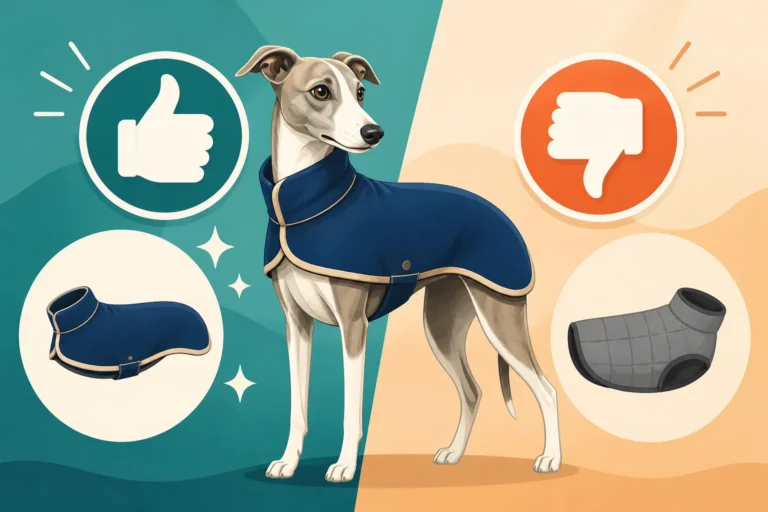
Whippets, with their minimal body fat, are particularly sensitive to temperature fluctuations. This means a wardrobe of specialized coats might be necessary. For chilly mornings or cool evenings, a warm fleece or insulated coat is essential. In warmer weather, cooling vests or damp towels can prevent overheating. This isn't just about fashion; it's about regulating their core temperature to prevent injury and ensure comfort. If you've ever wondered how much clothing a Whippet truly needs, our article on How Many Coats a Whippet Actually Needs might shed some light. Beyond that, a well-fitting martingale collar is usually preferred for sighthounds, as their narrow heads can easily slip out of traditional buckle collars. Always have a first aid kit on hand for minor scrapes or paw pad injuries, which can happen when dogs are running at top speed on varied terrain. You can find many of these essentials on platforms like Chewy, which offer a wide selection of crates, bowls, and sighthound-specific apparel.
Feeding Your Athlete: Fueling for Performance
While your Whippet's regular diet forms the foundation of their nutrition, participating in high-energy activities like lure coursing means you might need to consider adjustments or specific fueling strategies. Even if you don't drastically change their food, the sheer volume of exercise can mean they burn more calories, requiring a slight increase in their daily intake. Some owners opt for performance-oriented dog foods, which are often higher in protein and fat to support muscle recovery and sustained energy. Brands like Ollie offer fresh, human-grade food options that some owners find beneficial for maintaining optimal health and performance in their canine athletes.
Hydration is paramount. Beyond just water, some owners provide electrolyte solutions, especially after intense runs or on hot days, to help replenish what their Whippet loses through exertion. You'll also want to bring high-value treats for motivation, reward, and just general spoiling. These aren't necessarily a "cost of the event" in isolation, but they are an ongoing expense that might see a slight uptick when you're actively training or competing. Remember, a well-nourished and hydrated Whippet is a happy and safe Whippet, so don't skimp on quality food and water.
Long-Term Investments for the Serious Lure Coursing Enthusiast
If lure coursing becomes more than just an occasional outing and turns into a true passion for you and your Whippet, you'll start looking at longer-term investments. These go beyond the cost of a single event and encompass everything from club memberships to ongoing health maintenance, all aimed at keeping your Whippet in peak condition and making your participation smoother and more cost-effective over time.
Memberships and Subscriptions
Becoming a member of the various lure coursing organizations or local sighthound clubs often comes with significant benefits that can reduce your overall costs in the long run. National organizations like the AKC or ASFA have annual membership fees, which typically grant you access to discounted entry rates for their events. For instance, an AKC member might pay less per run at a Fast CAT event than a non-member, and these savings can add up over several trials. Local sighthound clubs, which often host practice runs or smaller events, also have membership dues, but they provide invaluable community support, advice, and access to local resources. These clubs can be a fantastic way to learn the ropes from experienced owners and to find out about upcoming events in your area.
Beyond direct competition benefits, memberships can also include subscriptions to club newsletters, magazines, or online forums. These resources keep you informed about rule changes, upcoming events, and provide a platform to connect with other enthusiasts. While these are annual fees, they are often a worthwhile investment if you plan to be a regular participant in the sport. They signify a commitment to the sport and can open doors to a supportive network of fellow Whippet lovers.
Training and Conditioning: Keeping Your Whippet in Top Shape
Just like human athletes, Whippets involved in competitive activities benefit immensely from consistent training and conditioning. This isn't just about practicing the "chase"; it's about building their physical fitness and preventing injuries. Many areas have independent lure operators who offer practice sessions for a fee. These are invaluable for getting your Whippet accustomed to the lure machine, the sounds, and the starting procedures without the pressure of a formal trial. These practice fees are usually lower than trial entry fees but are an ongoing cost if you want to keep your Whippet sharp.
Some dedicated owners might invest in professional conditioning classes, focusing on strength, flexibility, and endurance. This might involve specific exercises, hydrotherapy, or even specialized canine treadmills. While not strictly necessary for recreational coursing, it becomes more relevant if you're aiming for higher levels of competition. Regular vet check-ups become even more critical for an athletic Whippet. Beyond the standard annual wellness exam, you might opt for more frequent physical assessments to catch any potential issues early. It’s particularly important to find a veterinarian who understands sighthound physiology, as their normal bloodwork and physical characteristics can differ from other breeds. Our article on Whether a Whippet Needs a Vet Who Knows Sighthounds elaborates on why this specialized knowledge is so vital. This proactive approach to health helps ensure your Whippet can safely enjoy their sport for years to come.
Health and Wellness: Protecting Your Whippet Athlete
With any high-impact sport, there's an increased risk of injury. While Whippets are incredibly athletic and agile, they can still suffer from muscle strains, sprains, or paw pad injuries. Their thin skin is also prone to tears, and even a minor scrape can sometimes necessitate vet attention. We've talked about The Thin Skin That Sends a Whippet to the Vet for Stitches before, and it's a stark reminder that even everyday activities can sometimes lead to unexpected vet bills. Lure coursing, with its high speeds and quick turns, can exacerbate these risks.
This is where pet insurance can become a crucial investment. Companies like Healthy Paws offer comprehensive plans that can help offset the cost of unexpected vet visits, emergency care, or even physical therapy should your Whippet sustain an injury. While there's a monthly premium, the peace of mind knowing that you're covered for potentially expensive treatments can be invaluable. Beyond insurance, many owners incorporate joint supplements, omega fatty acids, or other nutraceuticals into their Whippet's diet to support overall health and recovery. These are ongoing monthly costs that contribute to their long-term well-being and ability to perform. Being prepared for potential health issues is just as important as preparing for the event itself. Don't forget, unexpected veterinary bills for things like Emergency Stitches: the Whippet Bill Nobody Budgets For can quickly derail your financial plans if you're not prepared.
Weighing the Costs Against the Benefits
Deciding whether lure coursing is the right activity for you and your Whippet often comes down to a careful balance of the financial investment against the immense rewards it can offer. While the costs can seem daunting when laid out, the intangible benefits often far outweigh the monetary outlay for many dedicated sighthound owners.
The Intangible Rewards of Lure Coursing
Beyond ribbons and titles, the true value of lure coursing lies in the profound connection it fosters between you and your Whippet. There's an indescribable joy in watching your dog, built for speed and grace, fully express their natural athleticism and instinct. It's a shared experience that strengthens your bond, as you learn to understand their cues and celebrate their successes together. For many, it's about seeing their Whippet truly happy and fulfilled, engaging in an activity that perfectly suits their unique nature.
Furthermore, lure coursing introduces you to a vibrant and supportive community of fellow sighthound enthusiasts. These are people who understand the quirks, the joys, and the specific needs of a Whippet. You'll find a wealth of knowledge, friendship, and shared passion at these events. It's a fantastic way to socialize both yourself and your dog, making lifelong friends along the way. The mental and physical well-being your Whippet gains from this activity is also an immeasurable benefit; a well-exercised and stimulated dog is generally a happier, healthier, and better-behaved companion at home. It truly allows them to be the "forty mile an hour couch potato" they were destined to be, excelling in their sport and then enjoying a well-deserved nap.
Budgeting Tips for Whippet Owners
To make lure coursing more accessible, it's wise to start small and gradually increase your involvement. Begin by attending local fun runs or Coursing Ability Tests (CAT) which typically have lower entry fees and less stringent requirements than championship trials. This allows you to gauge your Whippet's interest and your own commitment without a huge upfront investment. Prioritize essential gear first: a sturdy crate, plenty of water, and a good collar. You don't need the fanciest equipment to start, and you can always upgrade as you become more involved.
Saving up specifically for lure coursing expenses can help mitigate the financial impact. Consider setting aside a small amount each month into a "Whippet Fun Fund" to cover entry fees, fuel, and perhaps a new coat or piece of equipment. Don't be afraid to look for DIY solutions where appropriate, such as bringing your own snacks and drinks rather than buying them at the venue. If travel is a concern, seek out events closer to home, even if they're not the largest or most prestigious. For broader financial planning, consider strategies outlined in articles like Setting Money Aside for a Whippet's Vet Bills, which can be adapted for activity-related expenses too. The key is to enjoy the journey with your Whippet, focusing on their enjoyment and your shared experience, rather than feeling pressured by the competitive aspect or the costs.
Here's a breakdown of potential lure coursing costs to help you budget:
| Cost Category | Description | Estimated Frequency | Typical Cost Shape (Check current rates) |
|---|---|---|---|
| Initial Setup | AKC/ASFA Registration, ILP/PAL number | One-time / Annual | Moderate one-time fee, plus annual renewal for memberships |
| Event Entry Fees | Per run (Fast CAT, CAT) or per stake/day (ASFA Lure Coursing) | Per event | Low to Moderate per run, Moderate to High for multi-stake trials |
| Club Memberships | Local sighthound club, national organizations (AKC, ASFA) | Annual | Low to Moderate annual fee (often with discounted event entries) |
| Travel Expenses | Fuel for vehicle, tolls, parking | Per event | Varies greatly by distance and vehicle efficiency |
| Accommodation | Pet-friendly hotel fees, camping fees | Per event | Moderate to High for hotels, Low for camping (if applicable) |
| Basic Field Gear | Crate, water bowls, blankets, shade canopy, martingale collar, lead | One-time / Replac. | Moderate initial investment, occasional replacement costs |
| Whippet Wardrobe | Warm coats, cooling vests, rain gear (depending on climate) | One-time / Replac. | Moderate to High initial investment (can be an ongoing collection!) |
| Food & Hydration | Regular dog food, performance food, treats, electrolyte supplements | Ongoing | Slight increase from regular monthly food budget, plus supplement costs |
| Training/Practice | Independent lure operator practice sessions, conditioning classes | Per session / Annual | Low to Moderate per session, Moderate annual for structured classes |
| Veterinary Care | Routine check-ups, injury assessment, supplements (e.g., joint care) | Annual / As needed | Annual wellness exam, plus variable costs for injuries or specialized care |
| Pet Insurance | Monthly premiums for comprehensive coverage (e.g., Healthy Paws) | Monthly | Moderate monthly premium (varies by age, breed, coverage) |
Disclaimer
This article is for general informational purposes only and does not constitute professional advice. Laws, prices and regulations vary by location and change over time. Consult a qualified professional for guidance on your specific situation.