What a Whippet Eats in a Month
It's a common misconception that a small, lean dog like a Whippet must eat very little, or conversely, that because they burn so much energy, they must be bottomless pits. The truth, like with most things Whippet-related, is a little more nuanced, and budgeting for their food can bring up unique questions. This guide will walk you through how much a Whippet typically eats in a month, what factors influence those costs, and how to keep your lean machine well-fueled without breaking the bank.
Understanding Your Whippet's Unique Nutritional Needs
When you welcome a Whippet into your home, you quickly learn they're not like every other dog. Their sleek, athletic build and often discerning palates mean their nutritional needs, and consequently their monthly food intake, require a bit of tailored understanding.
The Whippet Body Condition: Lean, Not Lacking
One of the first things new Whippet owners grapple with is their dog's naturally slender physique. You might find yourself constantly fielding questions from well-meaning strangers who are convinced your dog is starving. It's truly frustrating to constantly explain that, no, your dog isn't underfed, it's just a Whippet!
A healthy Whippet should look lean. You should be able to easily feel their ribs, but not necessarily see them prominently like washboards, unless they've just had a big run or are stretching. Their hip bones might be visible, and they should have a distinct "tuck-up" where their abdomen narrows toward their hindquarters. This lean build is due to their naturally low body fat percentage, a hallmark of their sighthound genetics. They don't have the insulating fat layer that many other breeds do. For more on this, you might find Why a Whippet Has So Little Body Fat and How Thin a Whippet Should Look incredibly insightful. Don't let others make you doubt your healthy, lean companion.
This natural leanness means that what looks "thin" on another breed is perfectly normal, even ideal, for a Whippet. Overfeeding to try and "fatten them up" can actually be detrimental to their joints and overall health. So, when you're gauging how much food to provide, it's not about making them look stout; it's about maintaining that healthy, athletic leanness. Feeling their ribs should feel like touching the back of your hand – easily palpable but not sharply protruding. If you can't feel their ribs at all without pressing hard, they're likely carrying too much weight. Conversely, if their hip bones are sharply angular and their spine is very prominent, then it might be time to discuss their Feeling a Whippet's Ribs and Hip Bones with your vet.
Calorie Requirements: Speed vs. Sedentary Lifestyle
Whippets are renowned for their incredible bursts of speed. They can go from zero to sixty (okay, maybe 35 mph, but who's counting?) in seconds flat! This often leads people to assume they need a massive amount of calories to sustain such athleticism. However, the reality is that the Whippet is often described as a "forty-mile-an-hour couch potato."
Most pet Whippets, outside of dedicated racing or lure coursing, spend a significant portion of their day napping or lounging. They have short, intense bursts of exercise followed by long periods of rest. This means their daily caloric needs are surprisingly moderate compared to other dogs of similar size or energy output over a longer duration. While a full-time working dog might need a high-performance diet, your average pet Whippet needs enough to fuel those daily sprints and then recuperate comfortably on the sofa. How Much Exercise a Whippet Really Needs really dives into this topic.
Of course, if your Whippet is an active participant in performance sports like lure coursing, Fast CAT, or informal races, their caloric needs will absolutely increase. A Whippet that's regularly running multiple sprints will need more fuel than one whose main activity is a leisurely walk around the block and some zoomies in the yard. It's a balance. You'll want to observe your individual dog's energy levels and body condition closely. If you have a racing Whippet, you'll definitely be interested in Whether a Racing Whippet Needs More Calories to understand how to adjust their diet appropriately.
Sensitive Stomachs and Picky Eaters
It can be incredibly frustrating when you've invested in what you believe is a high-quality dog food, only for your Whippet to turn their nose up at it or, worse, develop an upset tummy. Many Whippet owners find themselves walking a fine line between a dog that's a bit of a picky eater and one with a genuinely sensitive digestive system. They might skip meals entirely, leaving you wondering if they're ill or just being divas.
Some Whippets can indeed have sensitive stomachs, manifesting as soft stools, occasional vomiting, or a general reluctance to eat certain foods. It's not uncommon to go through a few different brands or protein sources before finding something that truly agrees with them. This trial-and-error period can be a bit of a headache and may even add to your monthly costs if you're constantly buying new bags of food. Whether a Whippet Has a Sensitive Stomach explores this in more detail.
Then there are the picky eaters. These aren't necessarily dogs with sensitive stomachs, but rather those who just aren't highly food-motivated or get bored easily. They might eat heartily for a few days, then decide their current meal isn't exciting enough. You might find yourself trying various toppers, warming their food slightly, or even hand-feeding just to get them to finish a meal. If your Whippet frequently leaves food in the bowl, Why a Whippet Skips Meals offers some great insights. Finding ways to encourage them to eat without overdoing the calories or upsetting their digestion is key, especially if you're trying to put some healthy weight on them – a topic thoroughly covered in Getting Weight On a Whippet That Will Not Eat.
Deconstructing the Monthly Food Budget for Your Whippet
So, what does all this mean for your wallet? The monthly cost of feeding your Whippet isn't just about the bag of kibble; it's a sum of their primary diet, treats, supplements, and even preventative dental care.
The Cost of Quality Kibble or Fresh Food
The foundation of your Whippet's monthly food budget will, of course, be their main meals. The good news is that because Whippets are a medium-sized breed with moderate caloric needs for most pet homes, they often don't eat as much as a Labrador or a Great Dane. However, the type of food you choose will have a huge impact on your budget.
For many owners, a high-quality kibble is the most practical and budget-friendly option. While there's a wide range of kibble prices, opting for a reputable brand with quality ingredients can contribute to fewer health issues down the line, potentially saving you vet bills. A typical adult Whippet might consume anywhere from 1.5 to 2.5 cups of kibble per day, depending on their size, activity level, and the caloric density of the food. If you're wondering How Many Cups a Day an Adult Whippet Eats, it's really about finding the sweet spot for your dog. This translates into one fairly large bag of kibble lasting you roughly a month to six weeks. Companies like Chewy offer a vast selection, often with subscription options that can save you a little extra, and provide convenient delivery right to your door.
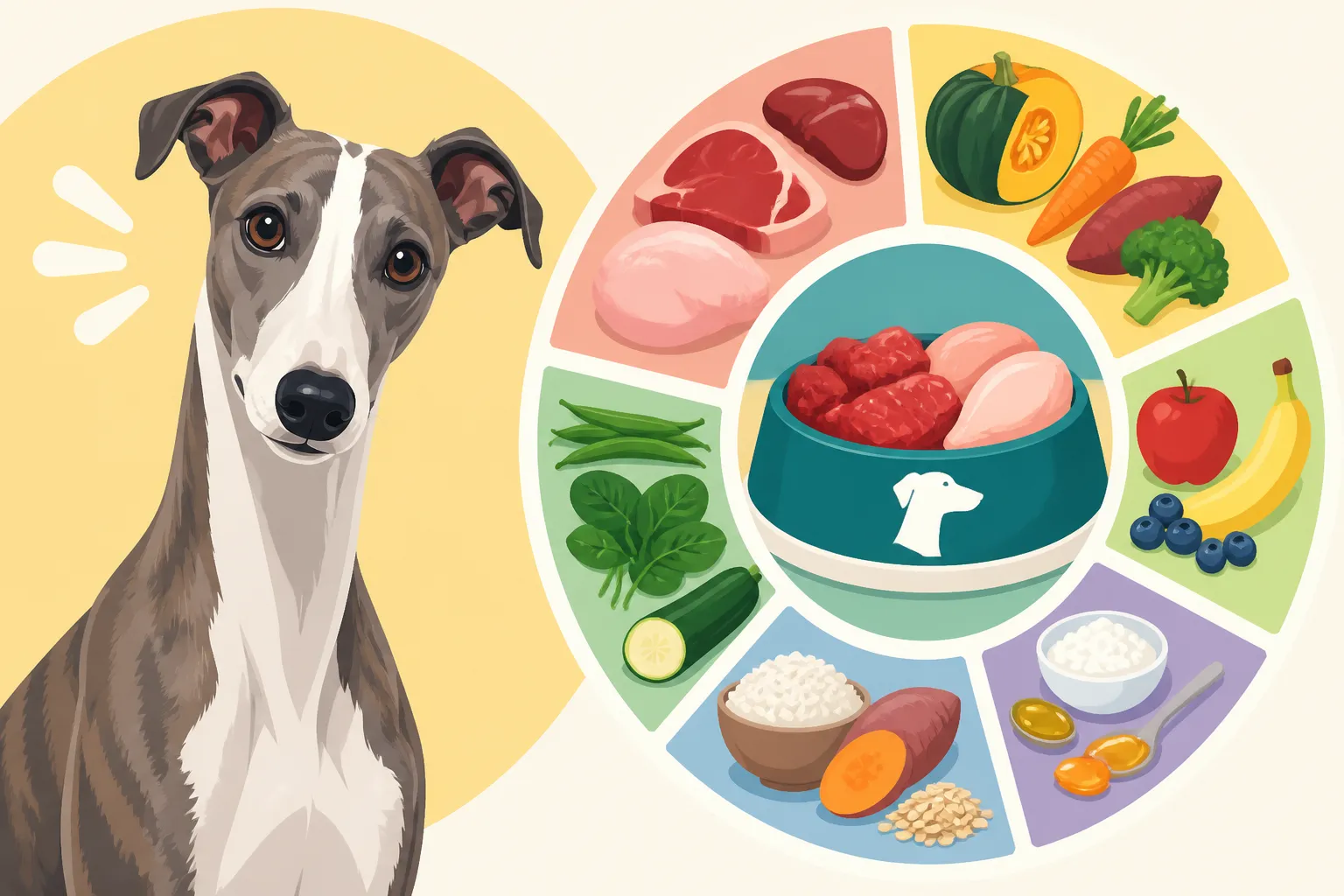
Alternatively, some owners opt for fresh food or even raw diets. These options can be excellent for Whippets, especially those with sensitivities or picky tendencies, as the palatability is often higher. Brands like Ollie deliver pre-portioned, human-grade fresh meals directly to your home. While the quality can be fantastic and many dogs thrive on it, fresh or raw diets generally come with a significantly higher price tag per month than premium kibble. Whether Fresh Food Suits a Whippet and Whether a Whippet Can Be Fed Raw are both great resources if you're considering these feeding styles, but be prepared for a larger line item in your monthly budget.
Treats, Toppers, and Supplements
Beyond their main meals, most Whippets also enjoy a variety of treats, and many benefit from food toppers or supplements. These aren't just luxuries; they play an important role in training, enrichment, and maintaining optimal health, but they do add to the monthly spend.
Treats are invaluable for training, rewarding good behavior, and simply showing your Whippet some love. Given their sensitive nature and How a Whippet Learns When It Bruises From Pressure, positive reinforcement with treats is incredibly effective. Choosing smaller, lower-calorie treats is often wise for Whippets to avoid unintentional weight gain, as their lean frames show extra pounds quickly. You might go through several bags of training treats a month, depending on how much training you're doing. Look for healthy, single-ingredient options to minimize digestive upset.
For those picky eaters or Whippets needing a little extra encouragement, food toppers can be a lifesaver. These can range from a dollop of plain yogurt or pumpkin puree to specialized meal enhancers. Whether a Whippet Needs a Topper on Its Kibble delves into the best options. While a small amount goes a long way, these additions still factor into your budget. Similarly, many owners choose to supplement their Whippets' diets. Common supplements include fish oil for coat health and anti-inflammatory benefits, or joint supplements, especially as Whippets age. Whether a Whippet Needs Fish Oil is often a popular read among owners. These, again, are recurring monthly costs that, while small individually, add up.
Dental Care and Prevention Costs
Here's a cost that often sneaks up on Whippet owners: dental care. It's not directly "food," but the preventative measures you take significantly impact potential future vet bills related to their oral health. Whippets, unfortunately, are often prone to dental disease, and their teeth can build up tartar surprisingly fast.
Integrating regular dental care into your routine from a young age can save you a lot of money and stress in the long run. This includes daily tooth brushing, dental chews, and possibly water additives. While the upfront cost of a dog toothbrush and toothpaste is minimal, replacing dental chews or other preventative products becomes a monthly expenditure. These might not be as exciting as a new bag of kibble, but they are crucial. Teeth Are the Whippet Problem That Sneaks Up and Why a Whippet Builds Tartar Fast are excellent resources to understand this better.
Ignoring preventative dental care often leads to the inevitable: professional dental cleanings under anesthesia, which can be quite costly. These are often required yearly for many Whippets once they reach middle age. So, while you might not think of a dental chew as part of your "monthly food bill," it absolutely contributes to the overall financial commitment of keeping your Whippet healthy and avoiding much larger expenses later. Making preventative dental care a habit means you might avoid the question of Whether a Whippet Needs Yearly Dental Cleaning for a bit longer, or at least keep the procedures less invasive when they do become necessary.
| Item | Estimated Monthly Cost Factors (Examples) |
|---|---|
| Dry Kibble | Quality ingredients, brand reputation. Portion size (1.5-2.5 cups/day) for an adult Whippet. Often the most budget-friendly primary food option. |
| Fresh/Raw Food | Human-grade ingredients, pre-portioned convenience. Significantly higher cost per serving compared to kibble. |
| Treats | Frequency of use (training, rewards), type (high-value, low-calorie, single-ingredient). Can vary wildly depending on owner's habits. |
| Toppers | Used for palatability or nutritional boost (e.g., plain yogurt, pumpkin, specific meal toppers). Small amounts but consistent purchase. |
| Supplements | Fish oil, joint support, probiotics. Typically daily doses, leading to regular repurchase. Costs vary by brand and ingredient quality. |
| Dental Chews/Care | Daily dental chews, toothpaste, toothbrushes. Preventative, but a recurring monthly cost to avoid larger vet bills for professional cleanings. |
Practical Tips for Managing Your Whippet's Food Expenses
Managing the monthly food budget for your Whippet doesn't have to be a guessing game or a constant source of stress. With a few smart strategies, you can ensure your beloved companion gets everything they need without constantly feeling the pinch.
Bulk Buying and Subscription Services
One of the easiest ways to save money on your Whippet's food is to rethink how you buy it. Instead of picking up small bags every couple of weeks, consider purchasing larger bags of kibble. The unit cost is almost always lower for bigger bags, and they last longer, reducing the frequency of your shopping trips. Just be sure you have appropriate storage to keep the food fresh, like an airtight container, especially in warmer climates where freshness can degrade faster.
Even better, many online retailers and pet food brands offer subscription services or auto-ship programs. This is where companies like Chewy really shine. You can set up automatic deliveries of your preferred kibble, treats, and even supplements at a schedule that works for you – usually every 4-6 weeks for a large bag of Whippet food. These services often come with a discount on the product price or free shipping, effectively lowering your monthly expenditure. Plus, it means you never run out of food unexpectedly, avoiding those last-minute, potentially more expensive trips to a local store. It’s a win-win for convenience and your budget.
Homemade Additions and Budget-Friendly Options
While a complete and balanced commercial diet is essential for your Whippet, you can judiciously incorporate some budget-friendly homemade additions to their meals or use them as treats. This can sometimes stretch your primary food budget or provide variety without a significant extra cost.
Plain cooked chicken (boiled or baked, no seasoning), lean ground beef, or cooked eggs can be fantastic, high-protein additions. A tablespoon of plain canned pumpkin (not pie filling!) can aid digestion, and a small amount of steamed vegetables like green beans or carrots can provide extra fiber and nutrients. These can be used as meal toppers for picky eaters, or as low-calorie training treats. Always introduce new foods slowly and in small quantities to avoid upsetting your Whippet's sensitive stomach. It's crucial to research which human foods are safe for dogs and which are toxic (like onions, garlic, grapes, chocolate, xylitol), and always consult your vet about any significant dietary changes.
Remember, these additions should be just that – additions – and not replace the bulk of their balanced commercial diet. The goal is to supplement, provide enrichment, or entice a reluctant eater, not to formulate an entire diet at home, which can be incredibly challenging to do correctly and nutritionally balanced.
The Hidden Costs: Vet Bills and Insurance
When we talk about food costs, it's easy to focus solely on the bag of kibble, but true cost management for your Whippet involves looking at the bigger picture. Proper nutrition is one of your best defenses against future health issues, which can quickly become the most significant financial drain on a pet owner. A well-fed Whippet, receiving all the necessary nutrients, often has a stronger immune system, healthier skin and coat, and better energy levels, potentially leading to fewer vet visits for preventable issues.
Think about it: an imbalanced diet could contribute to digestive problems, skin allergies, or even issues with their heart over time, all of which would result in costly vet appointments, medications, and specialized foods. While Whippets are generally a healthy breed, unexpected illnesses or injuries can still occur, and that’s where the true "hidden costs" come into play. What a Sighthound Vet Costs Over a Whippet's Life can be a real eye-opener.
This is where pet insurance, from providers like Healthy Paws, can play a vital role in managing your overall financial commitment to your Whippet's health. While it's a monthly premium, it can provide immense peace of mind, knowing that if your Whippet suddenly needs emergency surgery for a skin tear (a common Whippet mishap!) or ongoing treatment for a chronic condition, a significant portion of the cost will be covered. This allows you to prioritize their health and well-being without making decisions purely based on financial strain. Considering insurance, and understanding how it functions, is a crucial part of holistic financial planning for your Whippet, especially when contemplating how to manage Setting Money Aside for a Whippet's Vet Bills.
Disclaimer
This article is for general informational purposes only and does not constitute professional advice. Laws, prices and regulations vary by location and change over time. Consult a qualified professional for guidance on your specific situation.