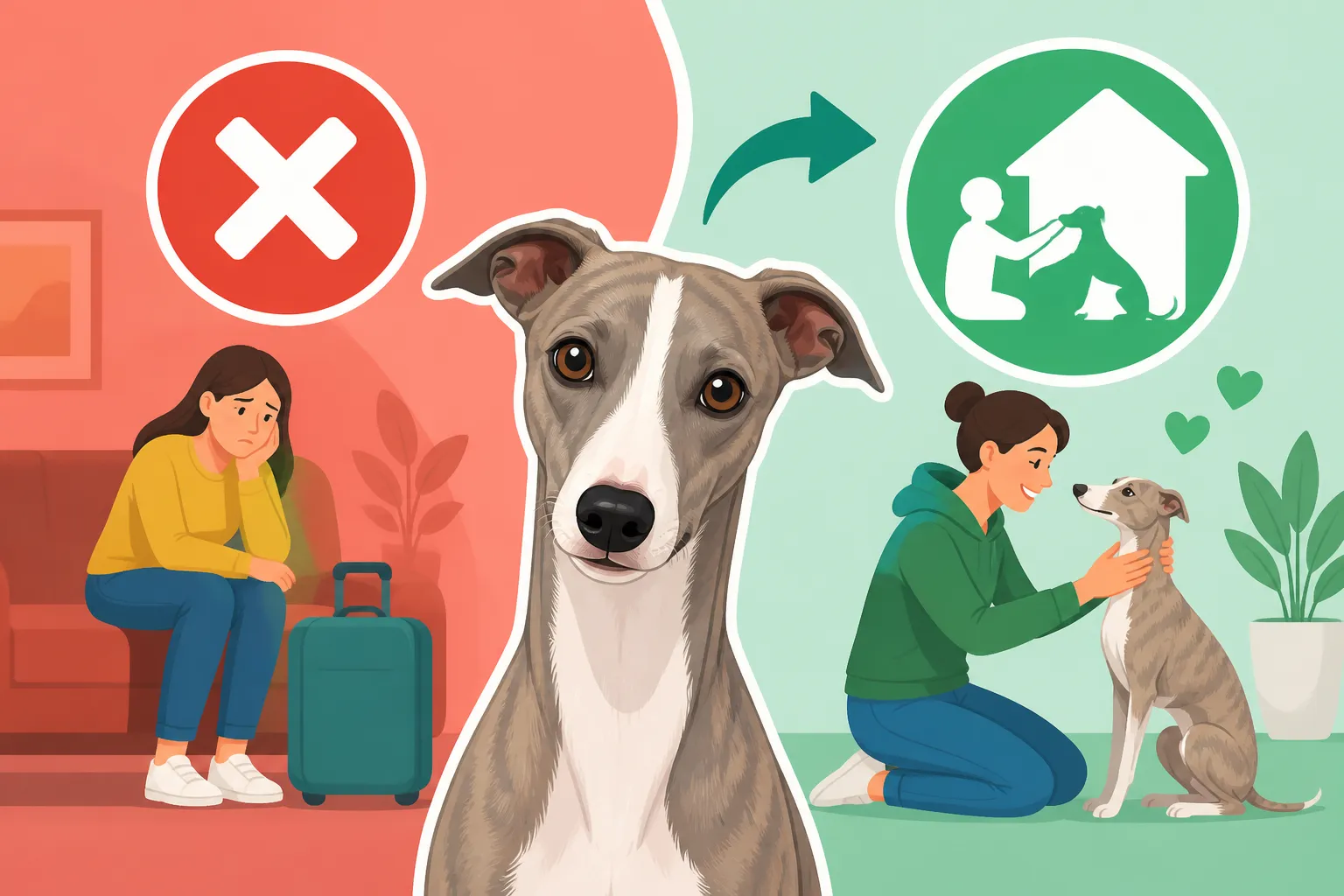
Whether a Whippet Can Be Returned to the Breeder
Life throws curveballs, and sometimes, even the most cherished plans for your Whippet don't work out. The thought of rehoming your beloved sighthound can be heartbreaking and overwhelming, filled with guilt and uncertainty. This guide will walk you through the essential question of whether you can, and indeed should, return your Whippet to their original breeder, exploring the practicalities, contractual obligations, and emotional considerations involved. It's a difficult conversation, but a responsible one to have.
Understanding Your Breeder Contract and Ethical Obligations
When you first bring a Whippet puppy home, you're not just buying a dog; you're entering into a long-term relationship, not just with the dog, but often with the breeder too. Responsible breeders invest an incredible amount of time, care, and resources into their lines, and they genuinely care about where their puppies end up. This dedication is usually reflected in the purchase contract you sign, which often includes a "return clause."
It's tempting to put that contract away in a drawer and forget about it, but it's a vital document. Before you even consider any other option, dig out that paperwork and read it carefully. Most reputable breeders will explicitly state that if for any reason you can no longer keep your Whippet, they want the dog returned to them. This isn't just a legal formality; it's a deeply ethical commitment on their part to the welfare of the dogs they bring into the world. They view themselves as having lifelong responsibility for their animals, and they want to ensure a safe landing for any dog from their kennel.
The "Return Clause" in a Breeder Contract
A typical return clause will often state that the dog must be returned to the breeder if the owner cannot keep it, often without a refund, but sometimes with a partial refund or credit towards future services depending on the dog's age and circumstances. These clauses are designed to prevent the dog from ending up in a shelter, with an unknown family, or in a neglectful situation. It’s their safety net for the puppies they’ve raised.
If your contract has such a clause, it’s not just a suggestion; it’s a binding agreement you made. Even if you don't have a formal, signed contract – perhaps you got your Whippet from a less formal arrangement – a responsible breeder will almost always have an unwritten expectation that you'll reach out to them first. They know their dogs best, they know their lineage, their temperament quirks, and often, they have a network of potential homes already vetted and waiting. Ignoring this clause, or their general expectation, can burn bridges and, more importantly, put your Whippet at unnecessary risk. Always assume the breeder wants to know. For more on what these documents cover, you might want to read Whether a Whippet Contract Requires Neutering.
Why Responsible Breeders Insist on Returns
Responsible breeders aren't just selling puppies; they're safeguarding a breed. They select for health, temperament, and conformity to the breed standard. They invest in health testing, proper nutrition, early socialization, and often, showing or racing their dogs to prove their quality. When a dog they bred needs rehoming, they see it as their ongoing responsibility. They want to ensure that their carefully planned breeding efforts don't result in a dog becoming a statistic.
Furthermore, a breeder has invaluable insight into their dog's genetic history, health predispositions, and personality traits. If your Whippet has certain behavioral quirks or health considerations, the breeder is uniquely positioned to understand these and place the dog in a home that is best equipped to handle them. They might know a family looking for a quieter dog, or one experienced with a particular sighthound trait. This deep understanding makes them the absolute best resource for rehoming a Whippet safely and appropriately.
Common Reasons for Considering a Return
No one wakes up one morning and casually decides to rehome their dog. The decision to return a Whippet to its breeder is almost always accompanied by immense emotional turmoil, guilt, and a feeling of failure. It's important to acknowledge that life is unpredictable, and sometimes, circumstances change in ways we could never have foreseen when we first brought our furry friend home.
It's not a sign of weakness to admit you need help. It's a sign of immense love and responsibility to prioritize your Whippet's welfare above your own feelings of pride or embarrassment. Breeders understand this; they've seen it all before. They would much rather have an owner reach out honestly than allow a situation to deteriorate for the dog.
Life Changes and Unforeseen Circumstances
Life has a way of throwing curveballs, and sometimes these drastically alter our ability to care for a pet. A sudden job loss can make the financial burden of a pet, which can be significant (think What a Sighthound Vet Costs Over a Whippet's Life), feel insurmountable. A divorce or separation might mean a living situation where a pet isn't feasible, or shared custody simply doesn't work out. Serious illness, either in yourself or a family member, can consume time, energy, and resources that were once dedicated to your Whippet.
Relocations, especially international moves or moves to pet-unfriendly housing, are also common reasons. Perhaps you moved to an apartment that strictly prohibits dogs, or your new job demands travel that leaves your Whippet alone far too often. These are all legitimate, often heartbreaking, reasons why an owner might find themselves in the agonizing position of needing to rehome. It's rarely about not loving the dog anymore; it's about not being able to provide the life they deserve.
Behavioral or Health Challenges
While Whippets are generally wonderful, adaptable dogs, no breed is without its potential challenges. Sometimes, despite best efforts, a Whippet might develop behavioral issues that an owner feels unequipped to handle. Perhaps separation anxiety, common in clingy breeds, becomes unmanageable, or unexpected leash reactivity makes walks stressful. A Whippet that constantly barks when left alone, or exhibits subtle fear behaviors around strangers despite early socialization, can be a challenge in certain households. For general care information, you can refer to The First Year With a Whippet Puppy which outlines common experiences.
Similarly, unexpected health issues can arise. While Whippets are generally healthy, a sudden diagnosis of a chronic condition requiring expensive medication, specialized care, or frequent vet visits can put an immense strain on resources. We all hope our dogs stay healthy, but sometimes an unforeseen condition means medical bills that were far beyond what you budgeted for, even if you were financially prepared for the initial What a Whippet Puppy Costs in 2026. Even with pet insurance like Healthy Paws, which can help significantly with unexpected veterinary costs, the emotional and time commitment can be overwhelming.
Financial Strain
Pet ownership, particularly for a well-cared-for Whippet, comes with ongoing expenses that can truly add up. Beyond the initial purchase price, there's food, routine vet care, vaccines, flea and heartworm prevention, toys, beds, and training. Unexpected costs can hit hard, such as the infamous Emergency Stitches: the Whippet Bill Nobody Budgets For or ongoing treatment for allergies. Even seemingly small things, like specialized food from brands like Ollie if your Whippet has a sensitive stomach, or training classes to address behavioral quirks, can impact the budget.
If your financial situation changes dramatically – a job loss, a significant pay cut, or unexpected personal debt – the daily cost of providing for your Whippet can become a major source of stress. It's a cruel irony that wanting the best for your dog might mean admitting you can no longer afford to give it to them. A responsible breeder will understand that financial hardship is a real and often unavoidable part of life.
The Process of Returning a Whippet to Its Breeder
Once you've made the incredibly tough decision that returning your Whippet to the breeder is the best path forward, the next step is to initiate the process. This isn't a quick or easy journey, but approaching it with honesty, preparedness, and a focus on your dog's well-being will make it smoother for everyone involved. Remember, the breeder is on your side, even if it doesn't always feel like it in the moment.
Initial Contact and Honest Communication
The very first thing you need to do is reach out to your breeder. Don't procrastinate, and don't try to sugarcoat the situation. A simple phone call or a heartfelt email explaining that your circumstances have changed and you can no longer keep your Whippet is the best start. Be honest about why you're considering this. Is it a change in living situation, financial hardship, or perhaps a behavioral challenge you feel unequipped to handle, like Separation Anxiety in a Whippet? The more transparent you are, the better the breeder can assess the situation and plan for your Whippet's future.
They might ask detailed questions about your Whippet's current health, habits, and any issues. Be prepared to answer openly. This isn't an interrogation; it's them gathering crucial information to ensure a seamless transition and finding the most suitable new home. They might also offer solutions you hadn't considered, like advice for a behavioral issue or connections to resources. Keep the lines of communication open and be responsive.
Preparing Your Whippet for the Transition
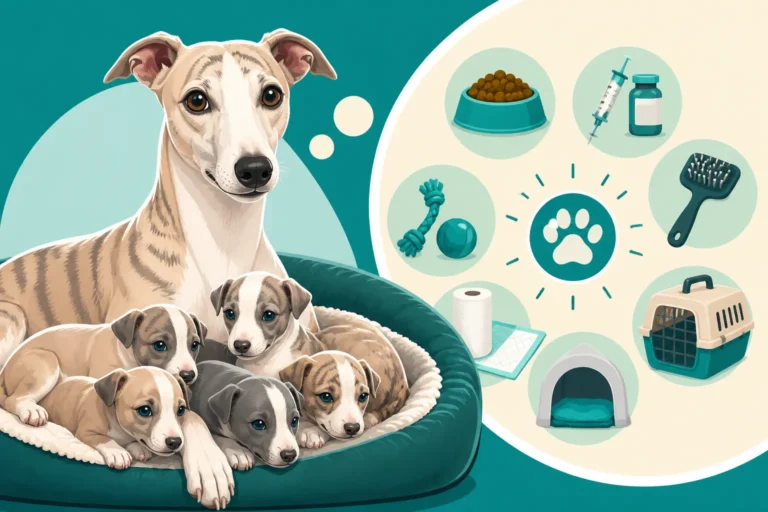
Once the breeder agrees to take your Whippet back, there's work to be done to prepare your dog for the move. Gather all of your Whippet's veterinary records, including vaccine history, spay/neuter certificates, microchip information, and any ongoing medication prescriptions. Provide a list of their current food (and where you buy it, like Chewy for easy ordering), treats, and any known allergies or sensitivities. Detail their daily routine, including feeding times, exercise schedule, and potty habits. Don't forget their favorite toys, blankets, or beds – familiar scents and items can provide immense comfort during a stressful transition.
Psychologically, try to keep things as normal as possible in the days leading up to the handover. Maintain their routine, provide plenty of affection, and avoid any dramatic changes that could add to their anxiety. Your Whippet will pick up on your stress, so try to remain calm and reassuring.
What to Expect During the Handover
The actual handover will likely be emotional for you, and potentially confusing for your Whippet. The breeder will typically arrange a time and place for you to bring your dog to them. This might be their home, a neutral location, or sometimes they might offer to pick up the dog. Be prepared for a mix of feelings – sadness, relief, guilt. It's okay to feel all of these.
The breeder will take your Whippet and likely settle them in. They may have specific questions to ask upon handover to ensure they have the most up-to-date information. Understand that this is a critical step in ensuring your Whippet's future happiness. Trust that the breeder, who cared enough to include a return clause, will now extend that care to finding the best possible next chapter for your dog. They often have a list of approved families, or they will dedicate themselves to finding one.
Exploring Alternatives Before a Return
While returning to the breeder is often the most responsible choice, it's worth exploring all avenues, especially if the return clause isn't explicitly mandatory, or if you simply want to be certain you've exhausted every option. Sometimes, the solution to your current challenge might be closer than you think, or a temporary fix could allow you to keep your beloved Whippet.
Seeking Professional Help for Behavioral Issues
If your reason for considering rehoming stems from behavioral challenges, remember that many issues can be addressed with professional guidance. A certified professional dog trainer or a veterinary behaviorist can work wonders. They can help you understand the root cause of behaviors like The Whippet That Will Not Toilet in the Rain, mild separation anxiety, or leash manners, and develop a personalized training plan. Whippets are sensitive dogs and respond best to positive, reward-based training methods. Even seemingly difficult problems can often be improved with consistency and the right techniques.
Don't be afraid to invest in this support. Often, the cost of a few training sessions is far less than the emotional toll of rehoming, and it could save your bond with your dog. You can find many useful training tools and resources on sites like Chewy, from puzzle toys to specialized harnesses.
Networking and Rehoming Safely
If, for some reason, returning to the breeder isn't an option or you're exploring other paths, rehoming safely and responsibly is paramount. Avoid simply posting your Whippet on social media or online classifieds, as this can attract unscrupulous individuals. Instead, leverage your network. Talk to trusted friends, family, and colleagues who might be looking for a dog. Word-of-mouth recommendations are often the safest.
Breed-specific rescues are another excellent resource. While Why Whippets Rarely Reach Rescue is true, if they do, these organizations specialize in sighthounds and understand their unique needs. They will thoroughly vet potential adopters, conduct home checks, and provide support to ensure a successful placement. You could also connect with local Whippet clubs or sighthound enthusiasts who might know of suitable homes. Be prepared to provide extensive information about your Whippet, including health history and temperament details, to any potential new owner.
Financial Support and Pet Insurance
If financial strain is the primary driver behind your decision, explore options that could alleviate the burden. Pet insurance, as mentioned earlier, can be a lifesaver for unexpected medical costs. Companies like Healthy Paws offer various plans that can cover accidents, illnesses, and even some emergency treatments, significantly reducing the sting of a sudden vet bill. It's always a good idea to research plans early in your Whippet's life, as pre-existing conditions are typically not covered.
Additionally, many communities have pet food banks or assistance programs for owners facing temporary financial hardship. Some veterinary clinics offer payment plans, or you might be able to find grants from specific charitable organizations for urgent medical needs. Remember, sometimes a short-term solution can help you weather a difficult period and keep your Whippet right where they belong – with you.
Here's a comparison of the typical pros and cons of returning to a breeder versus trying to rehome independently:
| Feature | Returning to Breeder | Independent Rehoming (e.g., via rescue, friends) |
|---|---|---|
| Contractual Obligation | Often a requirement in purchase contracts. | No contractual obligation to a specific entity. |
| Safety & Welfare | Breeder knows the dog's history, temperament, lines. Vets new homes carefully. High chance of good outcome. | Variable. Requires extensive vetting by owner. Higher risk of unsuitable placement. |
| Emotional Support | Breeder can often provide understanding and support during a difficult time. | Less structured support, relies on personal network. |
| Speed of Placement | Can be quicker as breeders often have waiting lists or networks. | Can be lengthy and require significant effort from owner. |
| Financial Recoupment | Usually none, or very minimal. Focus is on welfare. | Possible to recoup some adoption fees, but not guaranteed or primary goal. |
| Dog's Adjustment | Dog returns to familiar hands/environment (if breeder is local), or to someone who understands the breed. | Can be more jarring, depending on the new environment and owner's experience. |
| Reputation | Fulfills a commitment, maintains good relations with breeder. | Can be seen negatively if done irresponsibly. |
Disclaimer
This article is for general informational purposes only and does not constitute professional advice. Laws, prices and regulations vary by location and change over time. Consult a qualified professional for guidance on your specific situation.