Autoimmune Disease in a Whippet
It’s an unsettling moment when you notice something isn't quite right with your beloved whippet. Perhaps they're suddenly lethargic, developing strange skin lesions, or limping without an obvious injury. For many whippet owners, the frustration and worry intensify when the initial vet visits don't yield a clear diagnosis, or when symptoms wax and wane, leaving you feeling helpless. This guide aims to shed light on autoimmune diseases in whippets, helping you understand what they are, how to recognize the signs, and how to navigate the diagnostic and treatment journey to ensure your sighthound gets the best possible care.
Understanding Autoimmune Diseases in Whippets
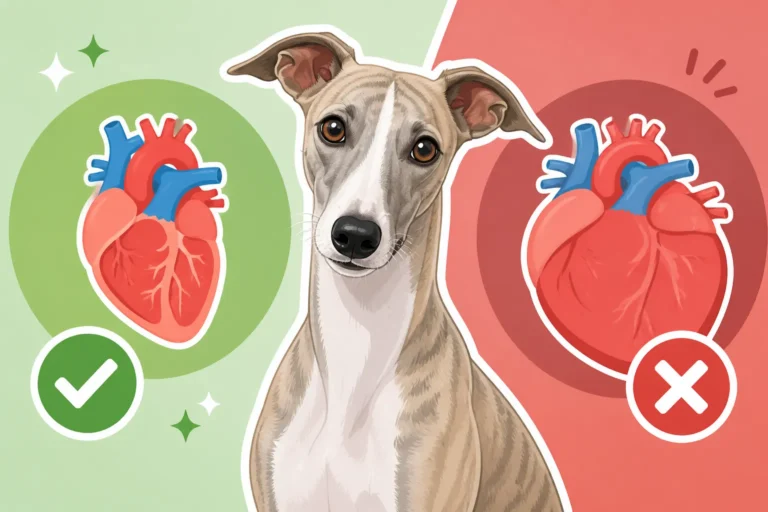
The idea of your dog's own body turning against itself can be pretty alarming, and it's certainly a complex medical challenge. Autoimmune diseases occur when a whippet's immune system, which is designed to protect against foreign invaders like bacteria and viruses, mistakenly attacks its own healthy cells and tissues. This can lead to a wide range of symptoms, depending on which parts of the body are targeted. It's not always a straightforward path to diagnosis, and it requires a dedicated partnership between you and your veterinarian.
What Happens When the Body Attacks Itself?
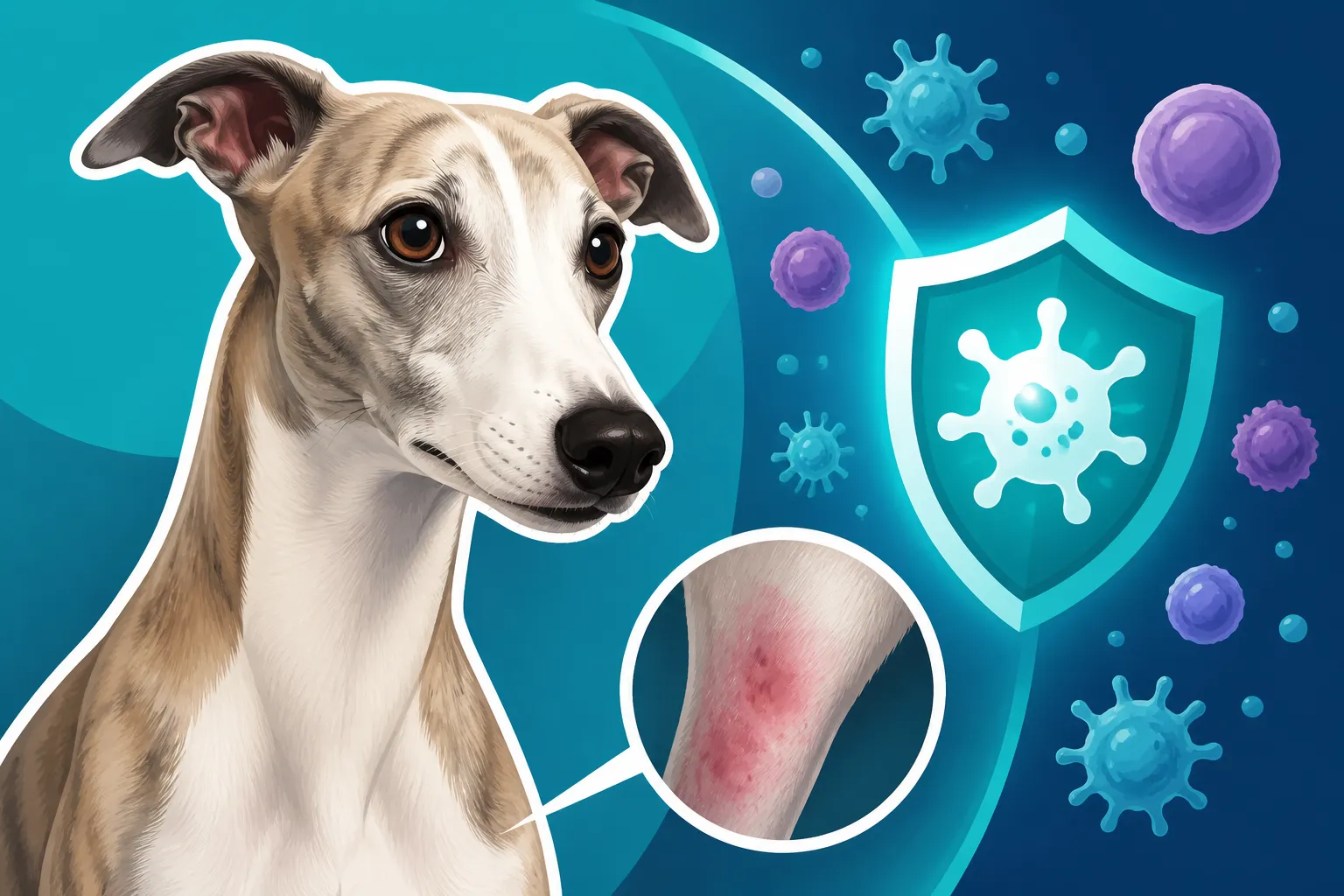
Imagine your immune system as a highly trained army, with different units responsible for identifying and neutralizing threats. In a healthy whippet, this army is incredibly efficient. But with an autoimmune disease, something goes wrong with the recognition process. The immune system starts to see normal, healthy components of the body—whether it's red blood cells, skin cells, or joint tissue—as dangerous foreign invaders. It then mounts an attack, causing inflammation, damage, and destruction to those tissues.
The fallout from this internal battle can be widespread. Since the immune system can target almost any part of the body, the symptoms can be incredibly varied and sometimes quite vague, making them hard to pinpoint. This is often where the initial frustration for owners begins, as you know your whippet isn't feeling well, but the 'why' remains elusive. It's a journey that often tests your patience and your bond.
Common Autoimmune Conditions Affecting Whippets
While whippets aren't uniquely prone to all autoimmune diseases, there are several that can affect them, just like any other breed, or sometimes with specific presentations due to their unique physiology. Understanding a few of the more common types can help you recognize potential issues.
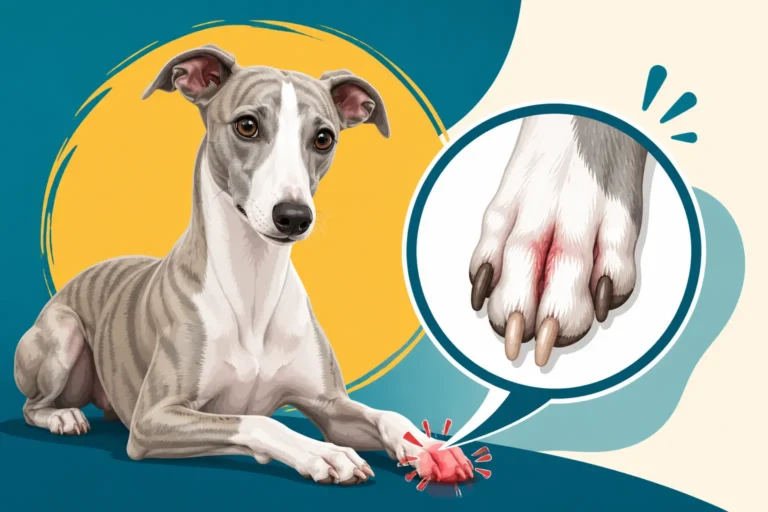
One of the most serious is Immune-Mediated Hemolytic Anemia (IMHA), where the immune system destroys the body's red blood cells, leading to severe anemia. You might see extreme lethargy, pale gums, and weakness. Another condition is Symmetric Lupoid Onychodystrophy (SLO), which specifically targets the nails, causing them to become brittle, split, and fall off, often painfully. This can be particularly distressing for an active whippet who loves to run and play.
Then there are skin conditions like Pemphigus Foliaceus, where the immune system attacks components of the skin, leading to crusting, scaling, and pustules, often starting on the face, ears, and paw pads. Whippets, with their thin skin, can be particularly vulnerable to secondary infections in these areas. Sometimes, autoimmune issues can present as general inflammatory conditions, affecting joints, known as Immune-Mediated Polyarthritis, leading to lameness and pain. It's a lot to take in, but knowing these possibilities can empower you to ask the right questions at the vet.
Genetic Predisposition and Environmental Triggers
It's common to wonder why some dogs develop autoimmune diseases and others don't. The truth is, it's often a complex interplay of genetics and environment. While no specific "autoimmune gene" has been definitively linked only to whippets, certain genetic predispositions can make some individuals more susceptible. This doesn't mean every whippet with a certain genetic marker will get sick, but it can increase their risk. For example, some immune system genes are known to be involved across various breeds.
Beyond genetics, environmental factors can act as triggers. These might include infections (bacterial, viral, or parasitic), certain medications, toxins, stress, or even vaccinations. It's not that vaccines cause autoimmune disease in a healthy dog, but in a genetically predisposed individual, they could theoretically act as a trigger that tips the immune system into overdrive. This is why discussing your Vaccine Reactions in a Whippet history with your vet is important, especially if you have concerns. Understanding these potential triggers helps in managing a whippet already diagnosed with an autoimmune condition, allowing you to minimize exposure to things that might cause a flare-up.
Spotting the Subtle Clues: Symptoms and Early Detection
One of the most frustrating aspects of autoimmune diseases is their often insidious onset. Your whippet might seem a little "off" for days or weeks before more definitive symptoms appear, leaving you constantly questioning if you're overreacting or if it's truly something serious. Because whippets are so stoic and often hide discomfort, being observant is key. You know your dog best, and if something just doesn't feel right, trust that instinct.
General Signs That Something Is Amiss
Many autoimmune conditions start with general, non-specific symptoms that could easily be attributed to a minor ailment or just a "bad day." This is particularly true for conditions that cause systemic inflammation. You might notice your whippet experiencing unexplained lethargy, where they just don't have their usual zoomies or desire for activity, even after sufficient rest. A loss of appetite or a general pickiness towards food can also be a red flag, especially if your whippet is usually a good eater.
Fever, indicated by warm ears and nose, or a measured temperature above the normal range (101 to 102.5°F or 38.3 to 39.2°C), can also be present. Unexplained weight loss, despite a normal or slightly reduced appetite, is another common sign, as the body expends a lot of energy fighting itself. Sometimes, you might just notice a change in their demeanor – they seem less joyful, more withdrawn, or less enthusiastic about things they usually love. These subtle shifts, though minor individually, can collectively point towards a larger problem.
Specific Symptoms by Affected System
As the disease progresses or if it targets a specific body system from the outset, more localized and characteristic symptoms will emerge.
- Skin and Coat: Given a whippet's The Thin Skin That Sends a Whippet to the Vet for Stitches, skin issues are often quite noticeable. Autoimmune conditions affecting the skin can manifest as redness, scaling, crusting, hair loss (alopecia), pustules, or open sores. These lesions might appear on the face, ears, paw pads, or even across the body. With SLO, as mentioned, the nails become brittle, discolored, or detached.
- Joints and Mobility: If the joints are attacked, you'll likely see lameness, stiffness, reluctance to move, or pain when touched. Your whippet might struggle to get up after resting, or their gait might seem off. This can be mistaken for a normal injury or just "getting old," but if it's recurrent or affects multiple joints, it's worth investigating.
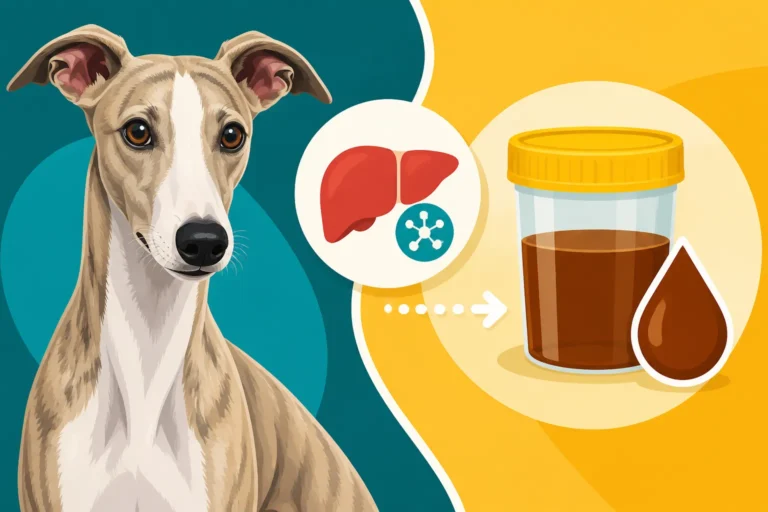
- Blood: Conditions like IMHA can cause severe anemia. Look for pale gums, yellowing of the skin or whites of the eyes (jaundice), dark urine, increased respiratory rate, and extreme weakness. These are critical signs that require immediate veterinary attention. Some autoimmune conditions might also cause Why a Whippet's Platelet Count Runs Low, leading to easy bruising or bleeding.
- Gastrointestinal Tract: While less common as a primary autoimmune disease in whippets, inflammatory bowel disease (IBD) can have an immune-mediated component. Symptoms include chronic vomiting, diarrhea, weight loss, and abdominal pain.
- Eyes: Occasionally, autoimmune processes can affect the eyes, leading to conditions like uveitis (inflammation inside the eye), which presents as redness, pain, squinting, and cloudiness.
Why Early Recognition is Crucial
Catching an autoimmune disease early can make a world of difference in your whippet's prognosis and quality of life. The sooner a diagnosis is made, the sooner appropriate treatment can begin, potentially slowing the progression of the disease and minimizing irreversible damage to tissues. Early intervention often means a better response to medication and a higher chance of achieving remission or successful long-term management.
Delaying diagnosis can lead to more severe symptoms, increased suffering for your whippet, and potentially more aggressive and costly treatments down the line. It's a bit like a fire—a small blaze is easier to put out than a roaring inferno. Early recognition also allows you to discuss financial preparedness with your vet. Companies like Healthy Paws can be a lifesaver, covering a significant portion of unexpected vet bills, especially for chronic conditions that require ongoing care. Don't hesitate to reach out to your vet if you notice anything unusual; a prompt check-up is always the best course of action.
Navigating Diagnosis and Treatment Options
Getting a diagnosis for an autoimmune disease can feel like a marathon, not a sprint. It often involves multiple tests, sometimes specialist referrals, and a lot of communication with your veterinary team. It’s important to remember that this process is about ruling out other possibilities and pinpointing the exact nature of the immune system's attack. Once a diagnosis is made, the focus shifts to managing the condition and giving your whippet the best possible quality of life.
The Diagnostic Journey
Your vet will typically start with a thorough physical examination and a detailed history of your whippet's symptoms, lifestyle, and any recent changes. This is where your observations are invaluable, so jot down any unusual behaviors or physical changes you’ve noticed.
Standard diagnostic tests often include:
- Complete Blood Count (CBC) and Biochemistry Panel: These tests can reveal abnormalities in red and white blood cell counts, which might indicate anemia or inflammation, or elevated liver/kidney enzymes. While The Bloodwork Numbers That Look Wrong on a Healthy Whippet can sometimes be confusing for sighthounds, your vet will interpret them in context.
- Urinalysis: Can help detect kidney involvement or infections.
- Specific Antibody Tests: For some conditions, there are specific blood tests to detect antibodies against the body's own tissues.
- Imaging (X-rays, Ultrasound): May be used to assess internal organs, joints, or rule out other causes of symptoms, such as tumors or infections. For example, if joint pain is present, X-rays can help differentiate between arthritis and immune-mediated polyarthritis.
- Biopsies: Often the definitive diagnostic tool for conditions affecting the skin or internal organs. A small tissue sample is taken and sent to a specialized lab for examination by a veterinary pathologist. For nail disease (SLO), a toe amputation might be required to get an adequate sample for diagnosis.
- Referral to a Specialist: In complex cases, your vet may recommend consulting with a veterinary internal medicine specialist or a dermatologist. These specialists have advanced training and diagnostic tools to help unravel tricky cases. This is where What a Sighthound Vet Costs Over a Whippet's Life can really add up, so having a pet insurance plan from Healthy Paws can provide significant financial relief.
Medications and Therapies
Once an autoimmune disease is diagnosed, treatment typically focuses on modulating the immune system to stop it from attacking healthy cells.
- Corticosteroids (e.g., Prednisone): These are often the first line of defense due to their potent anti-inflammatory and immunosuppressive effects. They can work quickly to reduce symptoms, but often come with side effects like increased thirst and appetite, panting, and muscle weakness.
- Other Immunosuppressants: If corticosteroids aren't fully effective, or if side effects are too severe, other drugs like Azathioprine, Cyclosporine, Mycophenolate, or Leflunomide may be used, often in combination with steroids to reduce the steroid dose. These drugs also suppress the immune system but work through different mechanisms.
- Adjunctive Therapies: Depending on the specific condition, other treatments might include:
- Antibiotics: To treat secondary infections, especially common with skin lesions.
- Pain management: For joint pain or discomfort.
- Topical medications: For skin conditions.
- Dietary changes: Special diets might be recommended to support overall health or manage gastrointestinal symptoms.
It's a delicate balance, as the goal is to suppress the immune system enough to stop the attack, but not so much that your whippet becomes overly susceptible to infections. Regular monitoring is essential to find the lowest effective dose of medication.
Long-Term Management and Monitoring
Living with an autoimmune disease means long-term commitment to management. This isn't a condition that typically "goes away" but rather one that's managed to keep your whippet comfortable and in remission.
- Regular Check-ups: Expect frequent vet visits, especially during the initial treatment phase, to monitor your whippet's response to medication and adjust dosages. Even in remission, regular check-ups, often every 3-6 months, will be necessary.
- Bloodwork: Routine blood tests will be crucial to monitor organ function (especially liver and kidneys, which can be affected by some medications), blood cell counts, and to ensure the immune system isn't over-suppressed.
- Medication Adjustments: Your vet will work to taper medications to the lowest effective dose to minimize side effects while maintaining remission. This often involves trial and error, which can be frustrating but is necessary.
- Side Effect Management: Be vigilant for potential side effects of immunosuppressants, such as increased thirst, weight gain, panting, or behavioral changes. Report these to your vet immediately.
This ongoing care can be substantial, both emotionally and financially. Planning for this, perhaps by having a dedicated fund or pet insurance like Healthy Paws, can make a significant difference. It’s a marathon, not a sprint, and you'll be partnering closely with your vet for the long haul.
Supporting Your Whippet Through Autoimmune Challenges
Watching your whippet cope with a chronic illness is incredibly tough. They are usually such vibrant, athletic creatures, and seeing them struggle can break your heart. Beyond the medical treatment, there's so much you can do at home to support their comfort, happiness, and overall quality of life. It’s about creating an environment where they can thrive, despite their health challenges.
Lifestyle Adjustments and Home Care
Making a few adjustments around the house can significantly improve your whippet's comfort and reduce stress, which can sometimes exacerbate autoimmune conditions.
- Comfort is Key: Whippets thrive on comfort. Ensure they have plenty of soft, supportive bedding throughout the house. Think orthopedic beds that relieve pressure on joints, which is especially important if they have arthritis or joint pain related to their condition. Consider whether Beds That Suit an Arthritic Whippet might be beneficial.
- Dietary Considerations: Work with your vet to determine if any specific dietary changes might be beneficial. Some dogs with immune-mediated conditions respond well to novel protein diets or hypoallergenic foods. Ensure they're getting adequate nutrition to support their immune system and maintain a healthy weight.
- Controlled Exercise: While they are known for their bursts of speed, a whippet with an autoimmune disease might need a modified exercise routine. Short, gentle walks are usually better than intense sprints, especially if they have joint involvement or anemia. Always consult your vet about appropriate activity levels to avoid flare-ups or injury.
- Stress Reduction: A calm and predictable environment can be immensely helpful. Minimize sudden changes in routine, loud noises, or anything that might cause anxiety for your whippet. A stable home life is a powerful tool in managing chronic illness.
- Regular Grooming and Skin Care: If your whippet has skin involvement, gentle daily grooming can prevent matting and allow you to monitor for new lesions or secondary infections. Your vet might recommend special shampoos or topical treatments. Always have a What Belongs in a Whippet Owner's First Aid Kit on hand for minor cuts or skin irritations.
The Emotional Toll on Owners
It’s completely normal to feel overwhelmed, stressed, and even heartbroken when your whippet has an autoimmune disease. This isn't just a financial burden; it's an emotional rollercoaster. You might feel guilty, constantly questioning if you missed early signs or could have done something differently. The relentless worry, the constant vigilance for new symptoms, and the need for ongoing medication can be emotionally draining.
Remember, you are doing your best, and your whippet feels your love and care. Don't hesitate to lean on your support network – friends, family, or even online communities of other whippet owners dealing with similar challenges. Sharing experiences and frustrations can be incredibly validating. Taking care of yourself is just as important as caring for your dog. A healthy and resilient owner is better equipped to provide the best care for their whippet.
Prognosis and Quality of Life
The prognosis for whippets with autoimmune diseases varies greatly depending on the specific condition, its severity, and how well they respond to treatment. Some conditions can be managed effectively for many years, allowing your whippet to live a relatively normal and happy life. Others might be more challenging, requiring aggressive treatment and having a guarded prognosis.
The ultimate goal is always to maintain a good quality of life for your whippet. This means assessing their comfort levels, their ability to enjoy daily activities, their appetite, and their overall demeanor. Regular check-ins with your vet, especially during Caring for a Whippet Past Ten, will help you gauge their well-being. It's about balancing the benefits of treatment with any potential side effects or discomfort. In some unfortunate cases, despite all efforts, the disease may progress to a point where humane euthanasia becomes the kindest option. This is an incredibly difficult decision, but your vet can help guide you through it, focusing on what is truly best for your beloved companion.
The journey with a whippet battling an autoimmune disease can be long and challenging, but with dedication, informed care, and plenty of love, you can provide them with comfort and a good quality of life.
Autoimmune Disease Overview for Whippets
| Autoimmune Condition (Common Examples) | Primary Body System Affected | Typical Symptoms | Common Treatment Approaches | Prognosis (General) |
|---|---|---|---|---|
| Immune-Mediated Hemolytic Anemia (IMHA) | Blood | Lethargy, pale gums, jaundice, weakness, dark urine | Corticosteroids, other immunosuppressants, blood transfusions (in crisis) | Guarded; can be life-threatening, but many achieve remission with aggressive treatment. |
| Symmetric Lupoid Onychodystrophy (SLO) | Nails | Brittle, broken, detached, painful nails, lameness | Corticosteroids, fatty acid supplements, pentoxifylline, antibiotics for secondary infection | Good for long-term management, but requires ongoing care; relapses possible. |
| Pemphigus Foliaceus | Skin | Crusting, scaling, pustules, hair loss, especially on face, ears, paw pads | Corticosteroids, other immunosuppressants, topical medications, antibiotics for secondary infection | Fair to good; often requires lifelong medication to control, relapses common. |
| Immune-Mediated Polyarthritis (IMPA) | Joints | Lameness, stiffness, joint pain/swelling, fever, lethargy | Corticosteroids, other immunosuppressants, pain relief | Fair to good; can be managed with medication, but may require long-term treatment and lead to joint damage. |
Disclaimer
This article is intended for informational purposes only and does not constitute medical advice. Always consult with a qualified veterinarian for any health concerns or before making any decisions about your whippet's medical care. Autoimmune diseases require professional diagnosis and management.