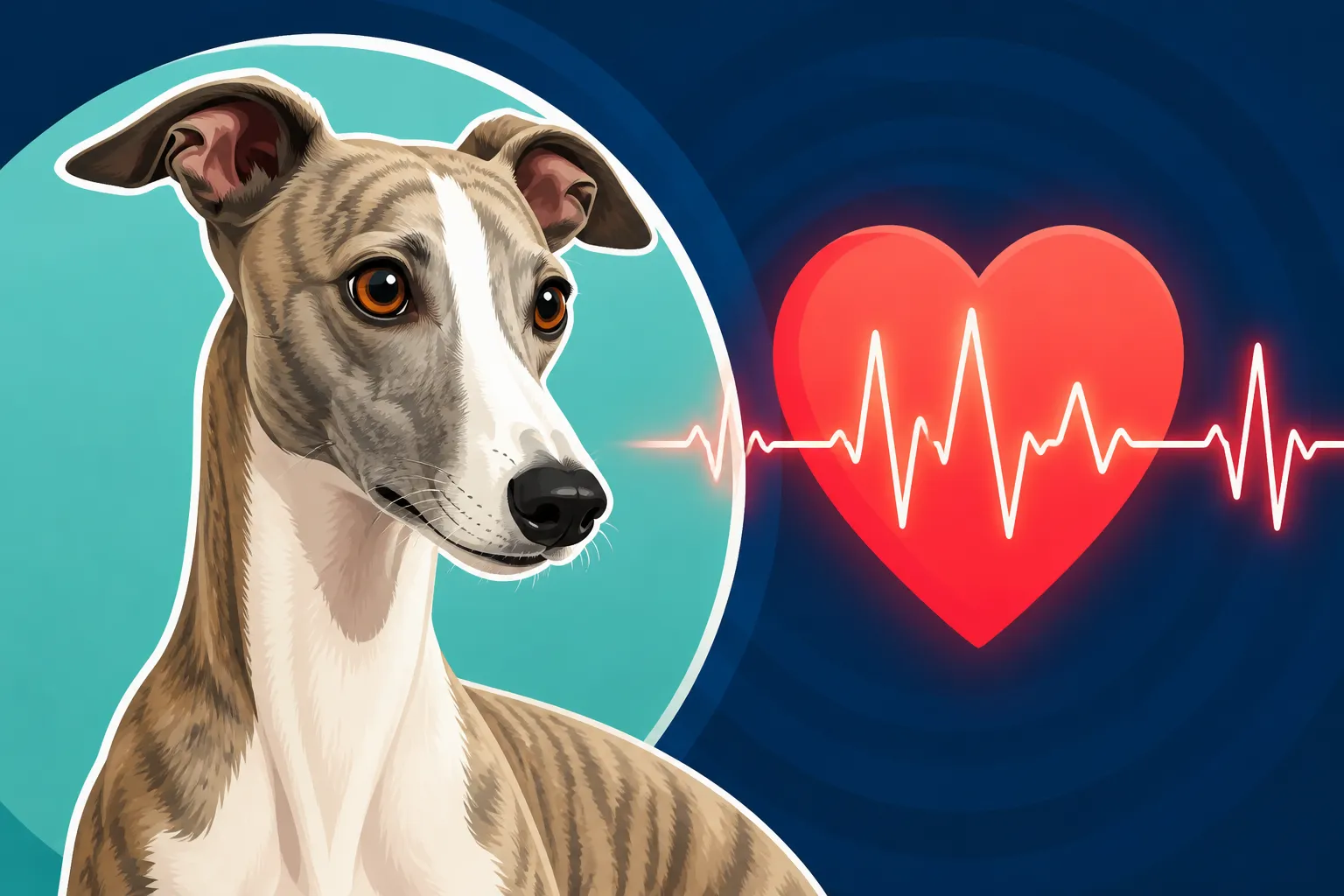
Arrhythmias in a Whippet
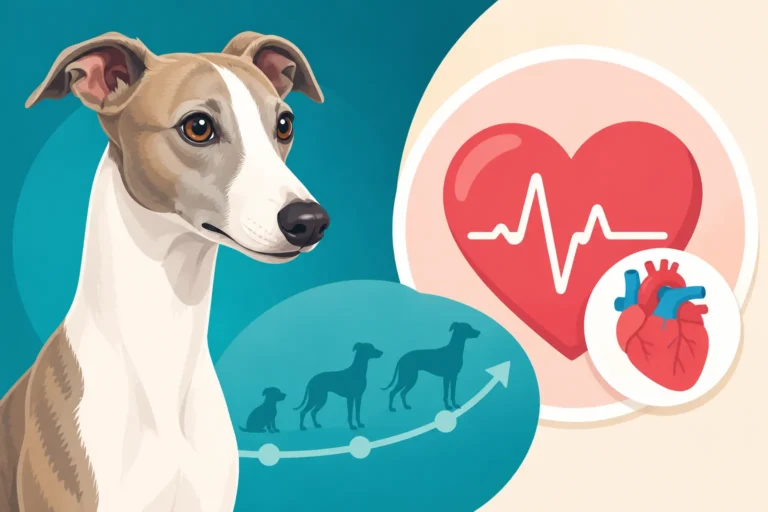
Discovering that your beloved Whippet might have an irregular heartbeat, or an arrhythmia, can be incredibly unsettling. It's a scary thought when you realize their seemingly healthy, energetic body could be hiding a serious cardiac issue. This guide aims to demystify arrhythmias in Whippets, helping you understand what they are, how to spot the signs, and what steps you can take to ensure your sighthound gets the best possible care.
The Whippet's Athletic Heart: More Than Just a Beat
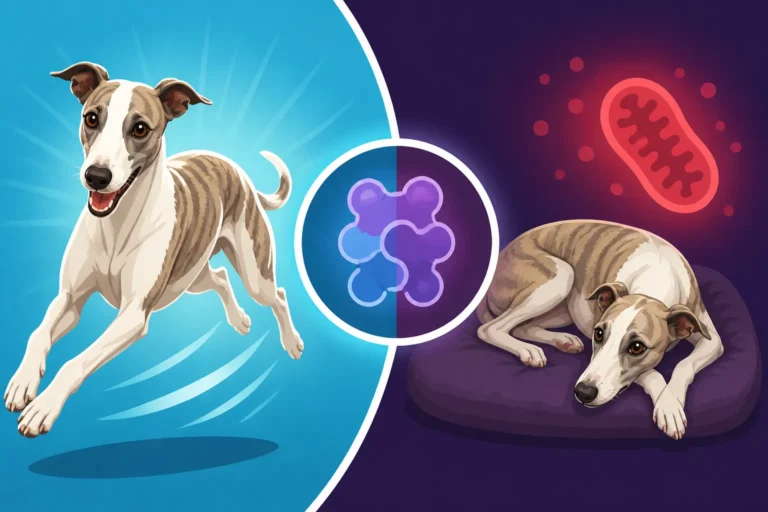
Whippets, by their very nature, are athletes. They are lean, fast, and built for explosive bursts of speed. This athletic build isn't just external; it extends right down to their internal organs, especially their hearts. Many Whippet owners often worry when a vet mentions their dog has a "large heart" or a "heart murmur," fearing the worst. However, it's crucial to understand that a Whippet's heart is often quite different from that of other breeds, and what might be a red flag in a Bulldog could be completely normal for a sighthound. This unique physiology means that their hearts can sometimes exhibit rhythms that, while unusual to an untrained ear, are actually perfectly healthy variations.
This phenomenon is often referred to as an "athletic heart." Think of a human marathon runner; their resting heart rate is often much lower than an average person's, and their heart muscle is incredibly efficient. Whippets are similar. Their hearts are conditioned for intense, short bursts of activity, followed by long periods of rest. This can lead to variations in heart rhythm that might cause concern if your vet isn't familiar with sighthound physiology. For instance, a very slow resting heart rate (bradycardia) can be common and normal in a deeply relaxed Whippet, yet it might raise an eyebrow in a different breed. It really highlights the importance of asking, "Whether a Whippet Needs a Vet Who Knows Sighthounds".
Common Arrhythmias and Peculiarities in Whippets
While many heart sounds can be normal for a Whippet, they are still susceptible to genuine arrhythmias, which are abnormal electrical activities in the heart causing irregular heartbeats. These can range from relatively benign conditions to more severe issues requiring intervention.
- Sinus Arrhythmia: This is arguably the most common and, thankfully, often a normal variation in many dogs, including Whippets. It's characterized by the heart rate increasing with inhalation and decreasing with exhalation. It’s a reflection of the autonomic nervous system at work, and if your vet identifies this and states it's respiratory sinus arrhythmia, it's usually nothing to worry about.
- Ventricular Premature Contractions (VPCs): These are extra, abnormal heartbeats that originate in the ventricles. While sometimes seen in healthy, athletic dogs, frequent or complex VPCs can indicate underlying heart disease or other systemic issues. They might be intermittent, making them tricky to catch.
- Atrial Fibrillation (AFib): This is a more serious arrhythmia where the atria (upper chambers of the heart) beat chaotically and rapidly, leading to an irregular and often fast ventricular rate. Whippets, particularly larger or more athletic ones, can sometimes be predisposed to AFib, and it often warrants treatment as it can lead to inefficient pumping of blood and potentially, heart failure.
- Sick Sinus Syndrome: Less common, but possible, this condition involves a malfunctioning sinus node (the heart's natural pacemaker), leading to episodes of slow heart rate, sometimes interspersed with periods of rapid heart rate. It can cause weakness, collapse, or fainting spells.
- Persistent Tachycardia: A consistently fast heart rate that doesn't correspond to excitement, exercise, or stress can be a concern. This could be supraventricular tachycardia (originating above the ventricles) or ventricular tachycardia (originating in the ventricles) and often requires investigation and treatment.
It's also worth noting that what might sound like an arrhythmia could sometimes be a murmur. A heart murmur is a sound caused by turbulent blood flow, not necessarily an irregular beat. While some murmurs are benign, others can indicate structural heart issues. If your vet mentions a murmur, it's important to understand the difference and ask, "The Age a Whippet Develops a Heart Murmur" and if further diagnostics are recommended.
Why Whippets Are Often Misdiagnosed
The "athletic heart" phenomenon isn't just about normal variations; it can actually lead to misdiagnosis if a veterinarian isn't familiar with sighthound norms. Many conventional reference ranges for bloodwork and cardiac parameters are based on the general canine population, which often doesn't account for the unique physiology of sighthounds.
For instance, a Whippet's heart might genuinely appear larger on an X-ray than a non-sighthound of comparable size. This can sometimes lead to an incorrect assumption of an enlarged heart due to disease, when in fact, it's simply a reflection of their efficient, athletic cardiac system. Similarly, their resting heart rate can be quite low. A vet accustomed to seeing higher heart rates in other breeds might mistakenly flag a Whippet's healthy, slow resting rate as bradycardia needing treatment, when it's simply their normal. This is why discussing "Whether a Whippet's Heart Looks Enlarged on X Ray" with a sighthound-savvy vet is crucial. Knowing that "Why a Whippet's Big Heart Is Not a Diagnosis" for disease is vital for owners.
This issue extends beyond arrhythmias to other health concerns too. Their unique bloodwork values, for example, can also be misinterpreted. This lack of specific sighthound knowledge in some veterinary practices underscores the importance of finding a vet who is either experienced with sighthounds or willing to consult with sighthound specialists. Don't be afraid to ask your vet about their experience with Whippets and other sighthound breeds when it comes to cardiac health.
Recognizing the Subtle Clues of an Irregular Heartbeat
One of the biggest challenges for Whippet owners is that these dogs are masters at hiding discomfort. Their stoic nature, a trait often admired, means they might not show obvious signs of illness until a condition is quite advanced. This is especially true for heart issues, where subtle changes in energy or behavior might be dismissed as "just getting older" or a "lazy day." But when it comes to arrhythmias, recognizing even the slightest change can be critical.
Whippets, despite their reputation as couch potatoes, are usually active and engaged with their families. A sudden or gradual shift in their willingness to play, run, or even just engage in their usual zoomies could be a sign. Don't assume it's just a phase; pay close attention to these changes.
Symptoms That Should Raise a Red Flag
While your Whippet might not complain, there are definite signs that indicate their heart might not be beating as it should. It's about being observant and knowing what to look for, especially as they get older, when the risk of heart issues naturally increases.
- Changes in Energy Levels and Exercise Tolerance: This is often the first, most subtle sign. Does your Whippet tire more quickly on walks? Are they skipping their usual sprints in the yard? Do they seem less enthusiastic about playtime? If they used to run for miles and now seem content with a block, it’s worth noting. Perhaps they start lagging behind on a walk you’ve done countless times before.
- Weakness or Lethargy: Beyond just reduced activity, genuine weakness can manifest as difficulty getting up, unsteady gait, or simply spending much more time sleeping than usual. While Whippets love to sleep, an increase in lethargy without an obvious reason (like a particularly strenuous day) is concerning.
- Coughing or Difficulty Breathing: A persistent cough, especially if it's worse at night or after exertion, can be a sign of fluid buildup in the lungs due to an inefficient heart. Rapid or labored breathing (panting when not hot or exercising) is also a major red flag that warrants immediate veterinary attention. This can sometimes be confused with allergic reactions, but with heart disease, it's often more consistent and worsens over time.
- Fainting or Collapse (Syncope): This is perhaps the most alarming symptom. If your Whippet suddenly collapses, becomes unresponsive, and then recovers, it's a strong indication of an arrhythmia that's preventing enough blood from reaching the brain. These episodes can be brief, sometimes just a few seconds, but they are always serious. You might notice them stumble, look disoriented, and then fully recover as if nothing happened. This kind of event necessitates an emergency vet visit.
- Pale Gums: Check your Whippet's gums regularly. They should be a healthy pink. If they appear pale or bluish, it indicates poor circulation and oxygenation, which can be a direct result of an inefficiently beating heart.
- Abdominal Swelling: Fluid retention, known as ascites, can occur in advanced heart disease and cause the abdomen to appear distended. This is a later-stage sign, but one to be aware of.
- Behavioral Changes: Sometimes, dogs can show anxiety or restlessness if they feel unwell. An arrhythmia might make them feel uncomfortable, leading to pacing, difficulty settling, or seeming generally "off."
When to Consult Your Veterinarian
Any of these symptoms, especially if they are new or worsening, warrant a trip to the vet. It’s always better to be overly cautious than to wait until a condition becomes critical. If your Whippet experiences a fainting spell, collapses, or has severe breathing difficulties, don't hesitate – seek emergency veterinary care immediately. Many pet insurance providers, like Healthy Paws, emphasize the importance of early diagnosis, not just for your pet's well-being but also for potential coverage of future treatments. Early detection of heart conditions can sometimes mean more treatment options and a better prognosis.
For less acute but persistent symptoms, schedule a non-emergency appointment. Be prepared to provide your vet with a detailed history: when you first noticed symptoms, how often they occur, what makes them better or worse, and any other relevant observations. Videos of concerning episodes (like a coughing fit or a moment of weakness) can be incredibly helpful for your vet in making a diagnosis. This proactive approach is part of "Caring for a Whippet Past Ten" and throughout their lives.
Uncovering the Truth: Diagnosis and Monitoring
Once you've noticed something concerning with your Whippet, the next step is the vet's office. It can be a nerve-wracking experience, but understanding the diagnostic process can help ease some of that anxiety. Your veterinarian will likely start with a thorough physical exam, paying close attention to your Whippet's heart and lungs. They'll listen for murmurs, gallop rhythms, or any irregularities in the heart rate and rhythm. They might also check your dog's pulse strength and consistency. Remember to explicitly mention your Whippet is a sighthound, as this context can be vital for interpreting findings.
Beyond the initial examination, several diagnostic tools are available to help identify and characterize arrhythmias. These tests are essential for getting an accurate picture of what's happening inside your Whippet's chest and determining the best course of action.
Veterinary Diagnostic Procedures
To get a definitive diagnosis, your vet will likely recommend one or more specialized cardiac tests. These tools help them visualize the heart and measure its electrical activity in detail.
- Electrocardiogram (ECG/EKG): This is the fundamental test for diagnosing arrhythmias. Electrodes are placed on your Whippet's skin to measure the electrical activity of the heart. The ECG records these impulses, allowing the vet to see the rhythm, rate, and any abnormalities in the heart's electrical conduction. A standard ECG is usually done in the clinic and takes only a few minutes, but it's a snapshot in time. If the arrhythmia is intermittent, it might not be caught during a brief clinic visit.
- Holter Monitor: For intermittent arrhythmias, a Holter monitor is invaluable. This is a small, portable device that your Whippet wears for 24-48 hours, continuously recording their heart's electrical activity as they go about their normal daily routine. It can capture arrhythmias that might only occur during sleep, excitement, or specific activities, which a short in-clinic ECG would miss. The device is usually strapped onto your Whippet's body in a special vest, and you'll be asked to keep a diary of their activities and any symptoms you observe during the monitoring period.
- Echocardiogram (Cardiac Ultrasound): While an ECG measures electrical activity, an echocardiogram provides a moving, real-time image of the heart's structure and function. It allows the vet to assess the size of the heart chambers, the thickness of the heart walls, the function of the valves, and the overall pumping ability of the heart. It can identify structural abnormalities that might be causing or contributing to an arrhythmia, such as valve disease (like Mitral Valve Disease in a Whippet) or cardiomyopathy. This procedure is usually painless and non-invasive, though some anxious dogs might require mild sedation. If your vet suspects a structural issue, they will recommend "Whether a Whippet Needs an Echocardiogram to Confirm" a diagnosis.
- Blood Pressure Measurement: High or low blood pressure can sometimes be associated with heart conditions or other systemic diseases that impact the heart.
- Blood Tests: While not directly diagnostic for arrhythmias, comprehensive bloodwork can rule out other underlying conditions (like thyroid issues or electrolyte imbalances) that can mimic or contribute to heart problems.
- Chest X-rays: These images can show the overall size and shape of the heart and lungs, looking for signs of enlargement or fluid accumulation in the lungs, which can indicate congestive heart failure.
Deciphering the Results and Creating a Plan
Once these tests are performed, a veterinary cardiologist (a specialist in heart disease) often reviews the results, especially for complex cases. They can interpret the findings in the context of your Whippet's unique physiology.
- Understanding the Diagnosis: Your vet will explain the specific type of arrhythmia, its severity, and whether it's primary (originating from the heart itself) or secondary (caused by another health issue). They will clarify if it's a benign variant or a true pathology requiring treatment.
- Treatment Options: Based on the diagnosis, a treatment plan will be developed. This might include medication, dietary changes, lifestyle adjustments, or in rare cases, interventional procedures.
- Prognosis: The prognosis varies widely depending on the type and severity of the arrhythmia. Your vet will discuss the expected long-term outlook for your Whippet, including potential complications and how to monitor for them. It's important to remember that many heart conditions can be managed effectively for years, allowing your Whippet to maintain a good quality of life. Many insurance providers, such as Healthy Paws, offer coverage for diagnostic tests and ongoing medications for chronic conditions, which can be a huge relief given the potential for long-term care costs. You might want to review "Whether Insurance Excludes a Whippet's Heart" to understand your policy.
Living with Arrhythmias: Management and Long-Term Care
Receiving a diagnosis of an arrhythmia can be daunting, but it’s far from a death sentence. Many Whippets with arrhythmias lead full, happy lives with proper management. The key is to commit to the prescribed treatment plan, monitor your dog closely, and maintain open communication with your veterinary team.
Living with a Whippet that has an arrhythmia means becoming a vigilant observer of their health and well-being. It’s about more than just administering medication; it’s about understanding their limits, adapting their routine, and ensuring they remain comfortable and loved.
Treatment Modalities and Lifestyle Adjustments
The approach to managing an arrhythmia in your Whippet will depend entirely on the specific diagnosis, its severity, and any underlying causes. It’s a tailored plan, not a one-size-fits-all solution.
- Medication: This is often the cornerstone of arrhythmia management. Your vet or cardiologist might prescribe antiarrhythmic drugs to regulate the heart's rhythm and rate. Common medications include beta-blockers, calcium channel blockers, or other antiarrhythmic agents, depending on the specific type of irregular beat. Diuretics might also be prescribed if there's fluid retention due to congestive heart failure. It's crucial to administer these medications exactly as prescribed, without missing doses, and to be aware of potential side effects. Regular follow-up appointments will be necessary to adjust dosages based on your Whippet's response and any changes in their condition.
- Dietary Modifications: While not a direct treatment for the arrhythmia itself, dietary changes can support overall cardiac health. This might involve a low-sodium diet, especially if heart failure is present, to help reduce fluid retention. Your vet might also recommend specific nutritional supplements, such as Omega-3 fatty acids, L-carnitine, or Taurine, which have been shown to support heart function in some cases. Always discuss any dietary changes or supplements with your vet before introducing them, as some can interact with medications.
- Exercise Management: For an athletic breed like the Whippet, managing exercise can be a delicate balance. The goal is to avoid overexertion that could trigger or worsen an arrhythmia, while still providing enough physical and mental stimulation. Your vet will provide specific guidelines based on your Whippet's condition. For some, this might mean shorter, more frequent walks instead of intense sprints. For others, it might mean avoiding highly exciting situations. It's about finding a rhythm that works for their heart, not necessarily what they used to do. Listen to your Whippet; if they seem tired, it's time to rest.
- Weight Management: Maintaining a healthy weight is paramount for a Whippet with heart disease. Excess weight puts additional strain on the heart, making it work harder. Your vet can help you determine the ideal body condition score for your Whippet and develop a plan to achieve or maintain it through diet and appropriate exercise.
- Stress Reduction: Stress can also impact heart rhythm. Creating a calm, predictable environment for your Whippet can be beneficial. This might involve consistent routines, quiet resting spaces, and avoiding situations that cause them undue anxiety.
- Regular Veterinary Check-ups: This cannot be stressed enough. Whippets with arrhythmias need regular follow-up appointments, often every few months, to monitor their condition. These visits might include repeat ECGs, blood pressure checks, blood tests, and sometimes echocardiograms to assess the heart's function and ensure the medications are effective and not causing adverse effects.
Prognosis and Quality of Life Considerations
The prognosis for Whippets with arrhythmias varies greatly. Some benign arrhythmias require no treatment and don't affect lifespan. Others, like certain forms of AFib or ventricular tachycardia, can be managed with medication for many years, allowing for a good quality of life. The average lifespan of a Whippet is "The Twelve to Fifteen Years a Whippet Lives", and with proper management, many can reach the higher end of this range even with a heart condition.
The most important thing is focusing on your Whippet's quality of life.
| Arrhythmia Type | Commonness in Whippets | Typical Prognosis | Management Strategies |
|---|---|---|---|
| Sinus Arrhythmia | Very Common | Excellent (often normal, no treatment needed) | Observation |
| Ventricular Premature Contractions (VPCs) | Common | Varies (good if benign, guarded if indicative of underlying disease) | Monitoring, antiarrhythmic meds if frequent/symptomatic |
| Atrial Fibrillation (AFib) | Moderate | Fair to Good (can be managed with medication, but often progressive) | Antiarrhythmic meds, often with beta-blockers; dietary changes |
| Sick Sinus Syndrome | Rare | Guarded (can lead to collapse, pacemaker sometimes considered) | Medication, pacemaker implantation (rarely in Whippets) |
| Persistent Tachycardia | Varies | Varies (good with effective medication, depends on underlying cause) | Antiarrhythmic meds, addressing underlying cause |
This table provides a general overview, but your vet will give you the most accurate and personalized prognosis for your specific Whippet.
- Emotional Support for Owners: Caring for a pet with a chronic condition can be emotionally taxing. It's okay to feel overwhelmed, worried, or even sad. Seek support from your vet, online Whippet communities, or friends and family. Knowing you're not alone in this journey can make a world of difference.
- Planning for the Future: As your Whippet ages, their needs may change. Regular discussions with your vet about their comfort, mobility, and overall happiness are vital. Understanding "The Signs a Whippet Is Getting Old" will help you make informed decisions about their care, ensuring their golden years are as comfortable and joyful as possible. Even with a heart condition, your Whippet can still be a source of immense joy and companionship, and you can provide them with a life filled with love.
Disclaimer
The information provided in this article is for general informational purposes only and is not intended as a substitute for professional veterinary advice. Always consult with a qualified veterinarian regarding any medical condition or health concerns your Whippet may have. Do not disregard professional veterinary advice or delay seeking it because of something you have read here.