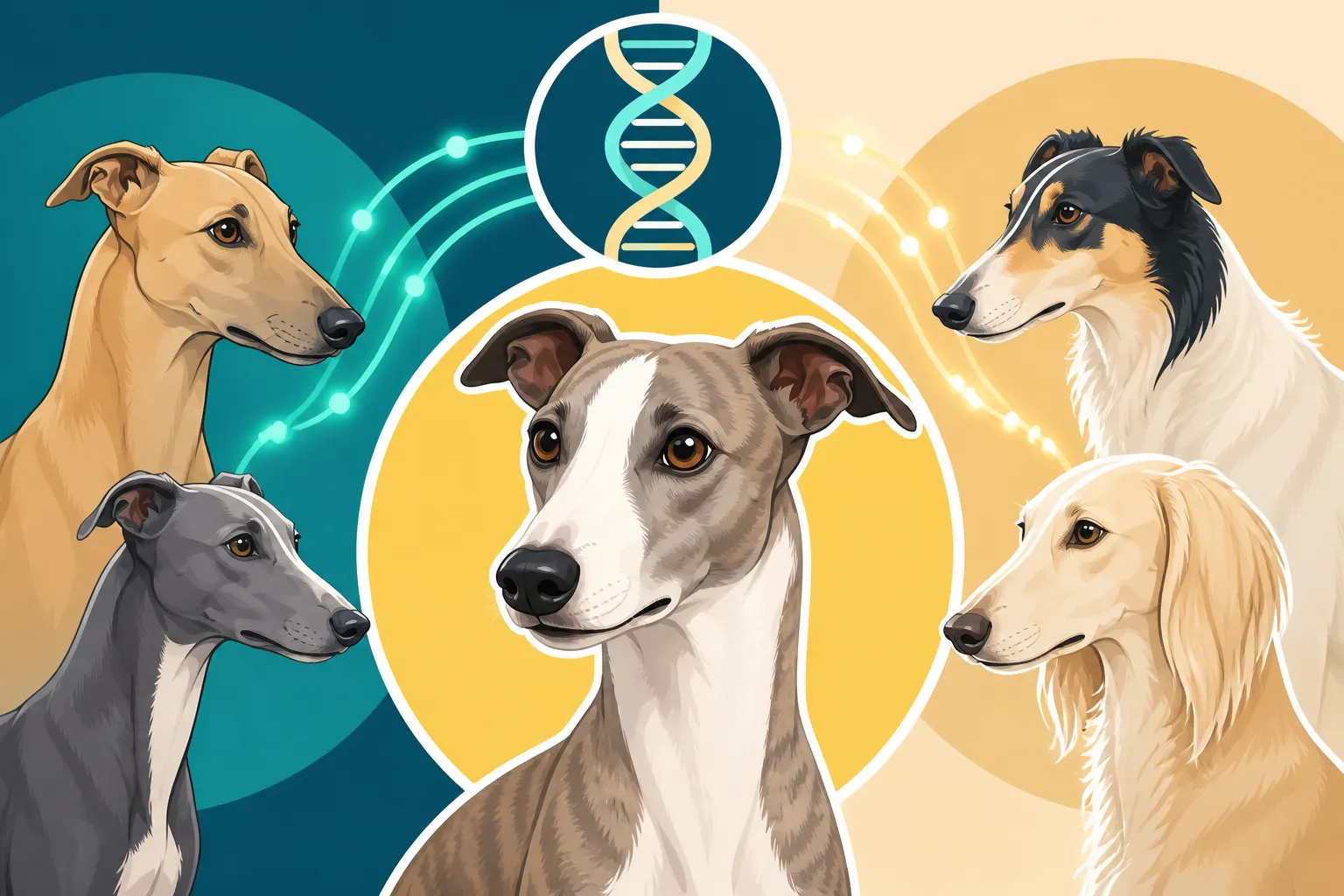
Whether the Bully Whippet Gene Exists in Other Sighthounds
It's a common and completely understandable concern when you hear about genetic conditions like "Bully Whippet Syndrome" that can profoundly affect a dog's appearance and health. Naturally, if you own or are considering another type of sighthound, you might wonder if this specific genetic quirk, which gives some Whippets their incredibly muscled physique, could also show up in your chosen breed. This comprehensive guide will dive deep into the fascinating world of canine genetics, specifically the myostatin gene, to explain whether the unique "bully" mutation found in Whippets is something you need to worry about in other sighthound breeds.
Understanding the Myostatin Gene in Whippets First
Before we can even begin to explore whether this gene exists elsewhere, it's absolutely crucial to understand what we're talking about when we discuss the "Bully Whippet gene." It's not just a general term for a muscular dog; it refers to a very specific genetic anomaly.
What Exactly is the Myostatin Mutation?
At its heart, myostatin is a protein that acts as a regulator of muscle growth. Think of it like a brake pedal on a car – it tells your body, or in this case, your dog's body, when to stop building muscle. All dogs, and indeed most mammals, have myostatin. It’s a normal, healthy part of their biology, ensuring that muscle development doesn’t go unchecked.
However, in Whippets, a particular mutation was discovered in the MYADM gene, which is responsible for producing myostatin. This isn't just any mutation; it's a specific 2-base pair deletion. This tiny error effectively "breaks" the brake pedal. When the gene isn't working correctly, the body doesn't get the signal to stop muscle growth, leading to exaggerated muscle development. This is the genetic secret behind Bully Whippet Syndrome and the Myostatin Gene Behind It.
The Different Expressions of the Bully Gene
What’s truly fascinating, and often a source of confusion, is that this specific mutation expresses itself differently depending on how many copies of the mutated gene a Whippet inherits. Like many genetic traits, dogs inherit one copy of a gene from each parent.
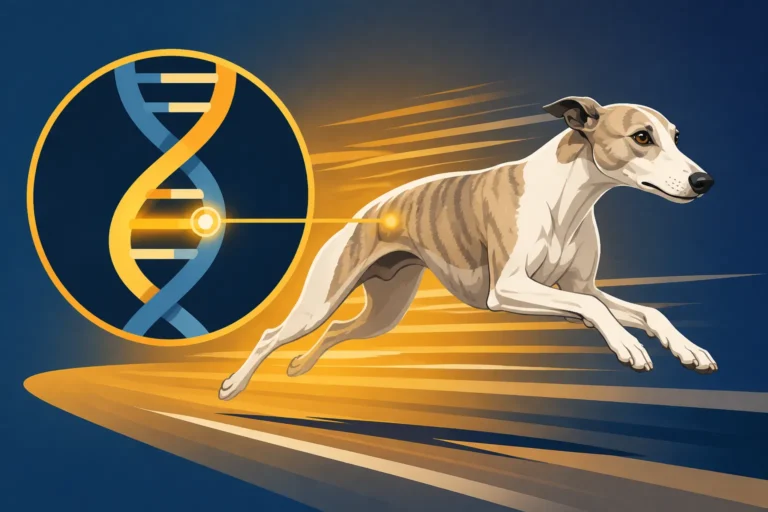
If a Whippet inherits only one copy of the mutated MYADM gene (meaning one normal copy and one mutated copy), they are considered a "carrier." These carriers don't develop the extreme muscling associated with "bully" Whippets. Instead, they often exhibit a slightly increased athletic build, leaner and more powerful than an average Whippet, without the health issues of full-blown Bully Whippet Syndrome. In fact, research suggests that Why One Copy of the Bully Gene Makes a Whippet Faster is directly related to this carrier status, making these dogs highly prized in racing circles.
Now, if a Whippet inherits two copies of the mutated gene (one from each parent), this is where the "bully" phenotype really shows up. What Two Copies Do to a Whippet is to produce an exceptionally muscular dog, often described as having a "double-muscled" appearance. Their muscles bulge, particularly around the neck, shoulders, and hindquarters, giving them a distinctly different look from the lean, elegant Whippet standard. While impressive to some, this extreme muscling can come with its own set of challenges.
Why This Mutation Matters to Whippet Owners
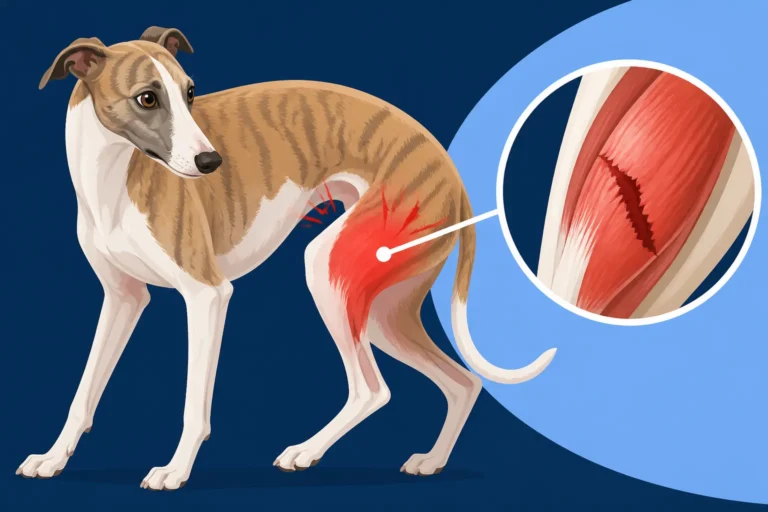
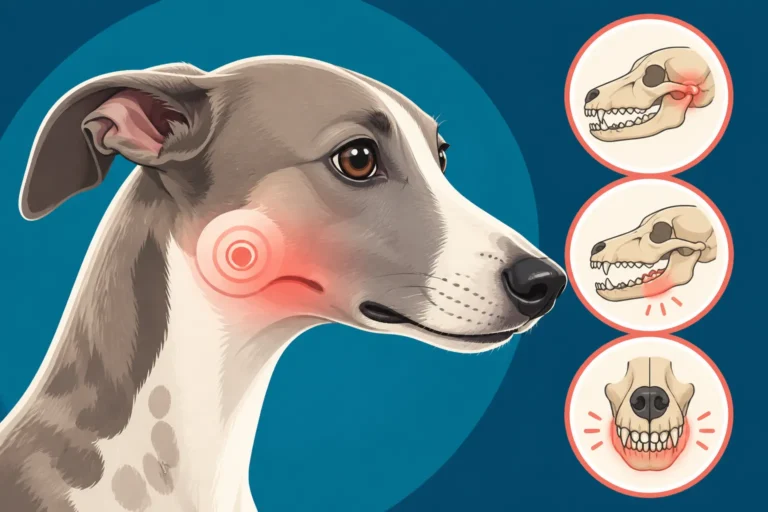
For Whippet owners, understanding this mutation is paramount. Beyond the visual aspect, there are significant health and lifestyle considerations. Dogs with two copies of the gene can suffer from muscle cramping, heat intolerance, and even The Jaw Problems a Bully Whippet Develops due to their altered musculature. While some might wonder Whether a Bully Whippet Can Race, their unique physiology often makes it difficult or unsafe.
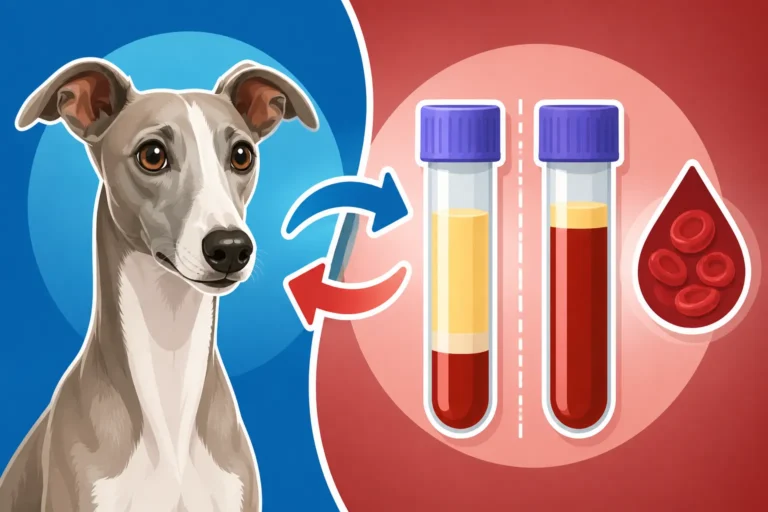
Responsible breeders often use The DNA Test That Finds the Whippet Myostatin Mutation to screen their breeding stock. This helps them avoid producing affected puppies and manage carrier status, particularly if they are aiming for performance dogs that benefit from one copy of the gene. It’s a vital tool in ensuring the long-term health and integrity of the breed, helping owners understand Whether a Bully Whippet Lives a Normal Life and how best to support their unique needs.
The Bully Gene's Presence Beyond Whippets
Now, let's address the burning question: does this particular genetic trait, the specific myostatin mutation seen in Whippets, pop up in other sighthound breeds?
Is the Specific Whippet Mutation Found in Other Sighthounds?
Here's the definitive answer: The specific MYADM gene deletion responsible for the Bully Whippet phenotype has not been identified in other sighthound breeds. This particular 2-base pair deletion is considered unique to the Whippet breed. While geneticists have studied myostatin across many species and breeds, this exact mutation, and its specific impact, remains a hallmark of the Whippet.
It's easy to see a very muscular Greyhound or an athletic Saluki and wonder if they too might carry a similar genetic 'superpower.' However, current scientific understanding points to this particular mutation as being isolated to Whippets. This doesn't mean other sighthounds don't have their own unique genetic predispositions or remarkable athletic builds, but they achieve them through different genetic pathways, not this specific myostatin deletion. So, if you're worried about your Borzoi or Scottish Deerhound suddenly developing the bulky muscles of a Bully Whippet, you can breathe a sigh of relief on that front.
Similar Muscular Traits in Other Breeds
While the specific Bully Whippet mutation isn't found in other sighthounds, it's worth noting that other breeds can exhibit impressive musculature, albeit through different genetic mechanisms or selective breeding. For example:
- Greyhounds: These magnificent athletes are known for their incredible speed and powerful build. They are naturally very lean and muscular, honed over centuries for racing and coursing. Their musculature is a result of generations of selection for peak athletic performance, not a single gene mutation like the Whippet's. A racing Greyhound, for instance, might display a formidable physique, but it's a naturally occurring trait developed through careful breeding for speed and stamina.
- Italian Greyhounds: Being essentially miniature Greyhounds, they are also incredibly lean and often surprisingly muscular for their delicate appearance. Their muscle definition is part of their sighthound heritage, built for bursts of speed and agility, not a myostatin defect.
- Salukis and Afghan Hounds: These breeds are known for their endurance and ability to cover vast distances. While elegant, they possess significant underlying muscle structure necessary for their ancestral hunting roles. Their musculature is well-defined and functional, fitting their body type and purpose.
The key takeaway here is that while a dog might look very muscular or "bully-like," it doesn't mean they possess the Whippet myostatin mutation. The term "bully" in the context of other breeds usually refers to their conformation, often indicating a powerful, broad, and heavily muscled build that is a standard characteristic for that breed (think certain bulldog types, for example) or simply an individual dog with a very athletic condition. It's a different genetic story altogether.
Genetic Screening for Myostatin in Other Breeds
Since the specific Bully Whippet myostatin mutation isn't found in other sighthounds, there isn't typically a need for genetic screening for this particular mutation in breeds like Greyhounds, Salukis, or Borzoi. The DNA tests available, such as those offered by companies like Embark or Wisdom Panel, are usually geared towards detecting the known Whippet mutation specifically for Whippets.
If, however, a breeder or owner of another sighthound breed observed unusually exaggerated musculature in their dog, and there was concern it might be a novel genetic issue, then specific veterinary genetic testing might be pursued. This would likely involve advanced genomic sequencing rather than a standard commercial panel test designed for the Whippet mutation. For now, the focus of myostatin testing remains firmly within the Whippet breed, where What the Myostatin Test Costs on a Whippet is a common query for responsible owners.
Broader Implications for Sighthound Health and Breeding
Even without the specific "bully" gene, understanding genetic health is crucial for all sighthound owners and breeders. The nuances of canine genetics extend far beyond just muscle development.
The Importance of Genetic Testing
Genetic testing in dogs has come a long way, offering insights into a multitude of conditions. For sighthounds in general, testing can identify predispositions to various health issues, not just myostatin. For example, some sighthound breeds can be sensitive to certain drugs due to the Whether a Whippet Carries the MDR1 Mutation, a different genetic trait. Responsible breeders utilize these tests to make informed decisions and aim to produce the healthiest puppies possible.
When considering a puppy, regardless of breed, always ask the breeder about the health testing they conduct on their breeding dogs. This goes beyond just myostatin. It can include testing for eye conditions, cardiac health, and other breed-specific concerns. A reputable breeder will be transparent about their testing protocols and share results readily. Companies like Healthy Paws, for example, often emphasize the importance of preventative care and understanding your dog's genetic predispositions as part of comprehensive pet insurance plans.
Ensuring Responsible Breeding Practices
Responsible breeding is about more than just avoiding known genetic defects; it's about preserving the health, temperament, and functionality of the entire breed. For sighthounds, this means understanding their unique physiology – from their incredible speed to their gentle nature.
Breeders in all sighthound breeds strive to maintain the breed standard while prioritizing health. This involves selecting breeding pairs with good health clearances, sound temperaments, and appropriate conformation. It's a complex balance of art and science. For instance, a Whippet breeder considering mating two carriers of the myostatin gene might be advised against it to avoid producing affected puppies, as discussed in Whether Two Carrier Whippets Should Be Bred Together. These decisions are critical for the welfare of the puppies and the future of the breed.
What Owners of Other Sighthounds Should Know
If you own a sighthound breed other than a Whippet, your focus on health should be on breed-specific concerns and general good care. Don't let the discussion of the Bully Whippet gene lead you down a rabbit hole of unnecessary worries about your particular sighthound.
Here are some key considerations for owners of all sighthounds:
- Veterinary Care: Ensure your vet is familiar with sighthound physiology. Their unique body composition can affect things like anesthesia protocols, and their bloodwork values often differ from other breeds. Knowing Why a Whippet Needs a Sighthound Anesthesia Protocol is critical, and this applies to many other sighthounds too.
- Nutrition and Exercise: Sighthounds are typically lean and active dogs (though also often expert couch potatoes indoors!). They need a balanced diet that supports their energy levels and muscle mass. While they enjoy explosive sprints, many also appreciate a good, long walk. Don't overfeed in an attempt to "bulk them up" unless advised by a vet, as excess weight can lead to joint problems.
- Injury Prevention: Their thin skin and lean build can make them prone to scrapes and tears. Always be mindful of their environment, especially when they are running at speed. Learning Skin First Aid Every Whippet Owner Should Know is a good idea for any sighthound parent. And because they're so athletic, accidents can happen, making pet insurance, like plans offered by Healthy Paws, a really sensible investment.
- Regular Health Checks: Just like any dog, regular vet check-ups are essential to catch any health issues early. Discuss any concerns about your dog's build, activity levels, or general health with your veterinarian. They can guide you on what is normal for your specific sighthound breed. This proactive approach can make a huge difference in The Twelve to Fifteen Years a Whippet Lives, and often applies similarly to the lifespan of other well-cared-for sighthounds.
While the Bully Whippet gene is a fascinating and important part of Whippet genetics, it's specific to them. Other sighthounds, with their own incredible athletic abilities and elegant forms, achieve their physiques through different means, celebrating the wonderful genetic diversity within the sighthound family.
| Sighthound Breed | Myostatin (MYADM) Mutation Status (Specific Whippet Mutation) | General Musculature | Common Genetic Health Concerns (Not Myostatin) |
|---|---|---|---|
| Whippet | Yes (Responsible for Bully Whippet Syndrome) | Lean, athletic, can be double-muscled with mutation | Cardiac issues (MVD), PFK Deficiency, Eye conditions |
| Greyhound | No (Not the specific Whippet mutation) | Extremely lean, powerful, athletic | Anesthesia sensitivity, bone cancer (osteosarcoma) |
| Italian Greyhound | No (Not the specific Whippet mutation) | Delicate, fine-boned, but defined muscles | Leg fractures, patellar luxation, dental disease |
| Saluki | No (Not the specific Whippet mutation) | Elegant, strong, built for endurance | Cardiac issues, eye conditions, bloat |
| Borzoi | No (Not the specific Whippet mutation) | Large, powerful, long-limbed, substantial muscle | Bloat, cardiac issues, hip/elbow dysplasia |
| Afghan Hound | No (Not the specific Whippet mutation) | Agile, strong, well-muscled underneath heavy coat | Bloat, hip/elbow dysplasia, eye conditions |
| Scottish Deerhound | No (Not the specific Whippet mutation) | Large, rugged, muscular, built for stamina | Bone cancer (osteosarcoma), bloat, cardiac issues |
Disclaimer
This article is intended for informational purposes only and does not constitute veterinary advice. Always consult with a qualified veterinarian for any health concerns or before making any decisions about your dog's care, diet, or treatment. Genetic testing should be discussed with your veterinarian or a canine genetics specialist.