What a Bully Whippet Looks Like at Birth
It’s a natural worry for any prospective whippet owner or a breeder: when you’re anticipating a puppy with the "bully" gene, you might wonder if there are tell-tale signs right from the moment of birth. The truth is, that tiny, wriggling bundle of joy with its soft fur and big paws probably looks just like its littermates. This guide will clarify why these unique whippets aren't identifiable at birth and what to expect as they grow.
Understanding the Bully Whippet Phenomenon
Before we dive into what bully whippets look like at birth, it’s crucial to understand what a bully whippet actually is. The term "bully whippet" refers to a whippet that carries two copies of a specific genetic mutation in the myostatin gene. Myostatin is a protein that naturally limits muscle growth. When a whippet inherits two mutated copies of this gene, their body produces significantly less functional myostatin, leading to exaggerated muscle development. This condition is formally known as Bully Whippet Syndrome and the Myostatin Gene Behind It.
The common misconception is that this remarkable musculature would be immediately apparent. However, canine development, especially muscle growth, is a process that unfolds over time, much like in humans. A newborn puppy is still very much a work in progress, relying heavily on its mother for nourishment and warmth, with its primary activities being sleeping and suckling. The intricate mechanisms that will eventually sculpt its adult form are only just beginning to get to work.
The Role of Myostatin in Muscle Development
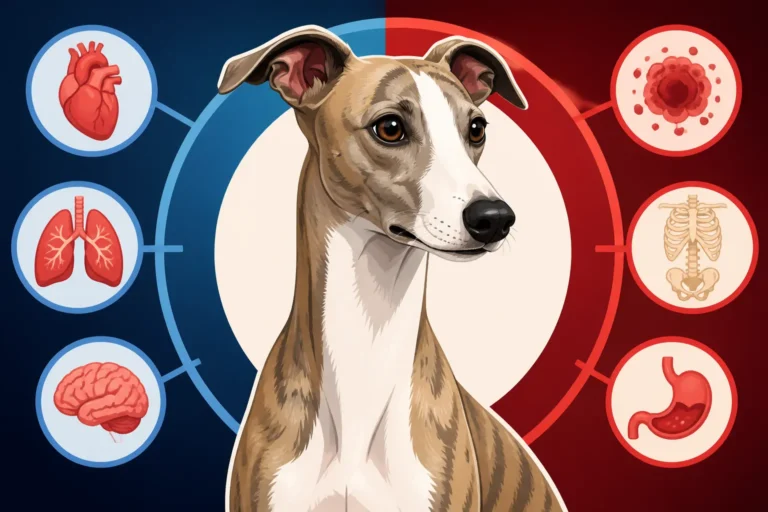
To truly grasp why a bully whippet doesn't emerge from the womb looking like a miniature bodybuilder, we need to consider What Myostatin Does in a Whippet. Essentially, myostatin acts as a brake on muscle growth. Every dog, indeed every mammal, has myostatin. It's a critical regulator that ensures muscles don't grow unchecked. Without this natural regulator functioning optimally, as is the case when a whippet has What Two Copies Do to a Whippet of the mutated gene, muscle cells are allowed to proliferate and grow larger than typical.
However, this isn't an instant switch. Muscles aren't fully developed at birth in any breed. Puppies are born with a relatively small muscle mass compared to their adult potential. The rapid growth and development of muscle tissue begin after birth and continue intensely throughout puppyhood and adolescence, driven by hormones, nutrition, and physical activity. Therefore, the absence of myostatin's braking effect only becomes evident as the body actively starts to build muscle.
What a Bully Whippet Doesn't Look Like at Birth
This is the most direct answer to the question: a bully whippet puppy looks exactly like any other whippet puppy at birth. There are no external physical characteristics or distinct markings that would allow you to visually identify a bully whippet among its littermates.
Imagine a litter of five adorable whippet puppies, all squirming and nursing. Without prior genetic testing of the parents, it would be impossible to pick out the potential bully whippet simply by looking at them. They'll all have the same soft, fine coat, delicate bones, and charmingly clumsy movements typical of any newborn whippet. This lack of immediate differentiation can be a source of confusion for new owners or even experienced breeders who are not familiar with the genetics involved.
The Absence of Early Physical Markers
Newborn puppies, regardless of breed or genetic predisposition for certain traits, are remarkably similar in their initial appearance. Their musculature is not yet prominent, and their bone structure is still soft and developing. This means that the genetic blueprint for increased muscle mass, while present from conception, simply hasn't had the time or the developmental signals to express itself visibly.
Think of it this way: a seed contains the full genetic information for a giant oak tree, but it doesn't look like an oak tree. It takes time, nourishment, and the right conditions for that genetic potential to manifest. Similarly, a bully whippet puppy has the genetic potential for impressive musculature, but that potential is dormant at birth. You won't see unusually thick limbs, a wider chest, or any other indicator of their future physique. They're just small, vulnerable puppies, totally dependent on their mother.
Why Visual Identification Is Impossible
The reason visual identification is impossible at birth boils down to the biological timeline of muscle development. Myostatin primarily regulates the growth and number of muscle fibers. These processes are dynamic and occur over weeks and months, not instantaneously at birth. A newborn puppy’s muscles are still very rudimentary. The significant increase in muscle mass that defines a bully whippet simply hasn't had the opportunity to occur yet.
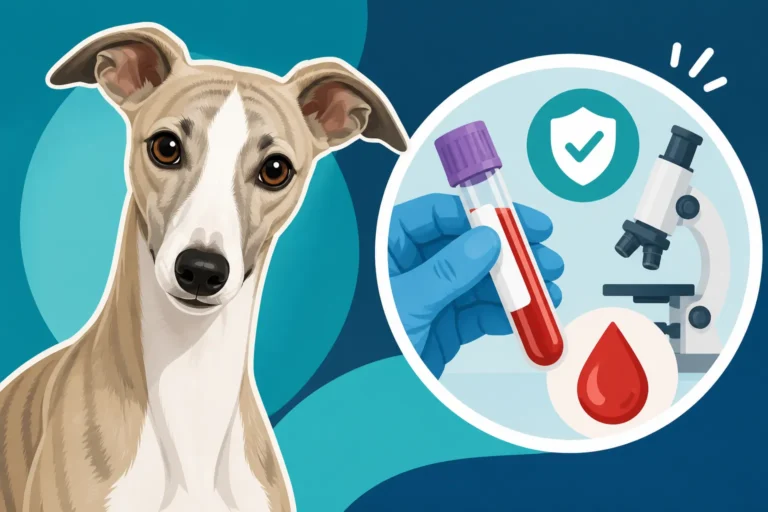
This is why, for those serious about knowing a puppy's genetic status regarding the myostatin gene, waiting for physical signs isn't reliable, especially early on. The only definitive way to determine if a whippet puppy carries one or two copies of the mutated gene is through a DNA test. Reputable breeders often perform The DNA Test That Finds the Whippet Myostatin Mutation on their breeding stock or even on individual puppies if there's a specific reason to know their status, usually for future breeding considerations or racing prospects. This genetic testing provides certainty long before any physical differences become apparent.
When Do Bully Traits Begin to Show?
While a bully whippet looks like any other whippet at birth, this changes as they mature. The distinctive musculature begins to emerge, transforming the puppy into the powerful, athletic animal associated with the "bully" phenotype. This process isn't sudden but gradual, with the most noticeable changes occurring during key developmental stages.
Typically, the first subtle indications of increased muscle definition might begin to appear around 4 to 6 weeks of age, but these are often too slight for an untrained eye to distinguish from a normally developing whippet puppy. It's really around 3 to 4 months that the differences become more evident. This is when puppies are growing rapidly, exploring their environment, and developing their physical capabilities.
The Age a Bully Whippet's Muscling Shows
The most striking development of the "bully" phenotype generally becomes unmistakable between 6 to 12 months of age. This period coincides with the adolescent growth spurt in whippets, where they rapidly gain height and start to fill out. For a bully whippet, this filling out is significantly more pronounced, particularly in areas like the neck, shoulders, and hindquarters. You'll notice a much thicker, more defined musculature that sets them apart from their normally muscled counterparts.
For example, a standard whippet at six months might still look gangly and lean, characteristic of the breed. A bully whippet of the same age, however, might already display a noticeable bulkiness, with muscles that appear "stacked" or excessively rounded. This is when strangers might start commenting on their unusually powerful build, sometimes even mistaking them for a different breed due to their atypical physique for a whippet. The transformation is remarkable and continues as they approach full maturity, usually by 18-24 months.
| Developmental Stage | Typical Whippet Appearance | Bully Whippet Appearance | Key Takeaway |
|---|---|---|---|
| Birth – 4 weeks | Small, delicate, minimal muscle definition | Identical to typical whippet littermates | No visual difference at birth |
| 4 – 8 weeks | Growing, slightly more active, still lean | Very subtle increase in density, hard to distinguish | Very slight, if any, visual cues |
| 3 – 4 months | Lanky, still developing, athletic but fine-boned | Noticeably more dense, broader shoulders and hindquarters | First clear signs of increased musculature |
| 6 – 12 months | Filling out, athletic, graceful | Significantly muscled, "stacked" appearance, powerful build | Musculature becomes unmistakable |
| 18 – 24 months | Fully mature, lean, elegant, well-defined muscle | Exaggerated musculature, extremely dense and powerful | Full expression of the bully phenotype |
The Progression of Physical Changes
The changes aren't just about size; they're about the quality and definition of the muscle. A normal whippet has a sleek, aerodynamic build, with a visible tuck-up and defined but not bulging muscles. A bully whippet, on the other hand, will develop a much broader chest, powerful hindquarters that often appear overly wide, and incredibly dense muscles throughout their body. Their gait might even appear slightly different due to this bulk.
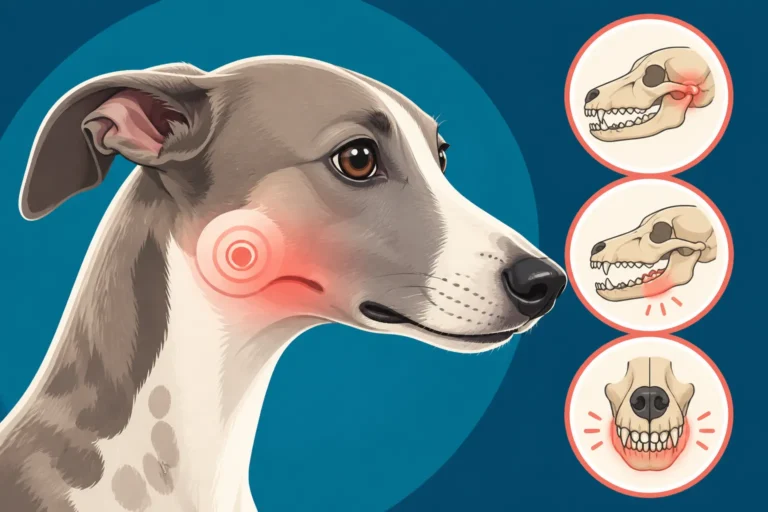
It's also worth noting that some bully whippets may experience specific health challenges as a result of their extreme musculature. Owners often report The Jaw Problems a Bully Whippet Develops, which can sometimes affect their bite or ability to chew certain foods. Additionally, the intense muscle development can sometimes lead to issues like Why a Bully Whippet Cramps during exercise, necessitating careful management of their activity levels and hydration. These are important considerations for anyone owning a whilly with this genetic trait.
Why This Information Matters for Owners and Breeders
Understanding that bully whippets aren't visually distinct at birth has significant implications, especially for responsible breeding and ownership. It emphasizes that genetic testing, rather than visual assessment, is the only way to confirm a puppy's myostatin status early on.
For breeders, this knowledge is paramount. Testing breeding stock for the myostatin gene is a crucial step in preventing unintended "bully" litters or making informed decisions about breeding carriers. Many responsible breeders now proactively test their whippets to understand their genetic makeup, which is an important part of ensuring the health and predictability of their litters. Whether Whippet Breeders Test for Myostatin is a question many prospective buyers should ask.
Making Informed Decisions
If you're a prospective puppy owner, knowing that you can't identify a bully whippet at birth means you need to rely on the breeder for accurate information and potentially proof of genetic testing. If you specifically want a whippet without the bully phenotype, or conversely, if you are seeking a whippet with one copy of the gene for enhanced athletic ability (without the full bully syndrome), genetic testing is your only guarantee. Always engage with breeders who are transparent about their dogs' health and genetic testing results.
Furthermore, if you do end up with a bully whippet, understanding their genetic predisposition prepares you for their unique needs. While many Whether a Bully Whippet Lives a Normal Life can thrive as beloved family pets, their intense musculature can sometimes lead to different exercise requirements, potential health considerations, and a need for specialized care. For example, some bully whippets may require more cautious exercise routines to prevent muscle injuries. Having pet insurance like Healthy Paws, which covers accidents and illnesses, can offer peace of mind when managing any unique health considerations that may arise as your bully whippet grows.
Responsible Breeding Practices
For the whippet breed as a whole, responsible breeding practices around the myostatin gene are vital. While the "bully" phenotype is fascinating, breeding two carriers together carries the risk of producing offspring with two copies of the mutation, which can sometimes lead to health issues. Therefore, understanding the genetics allows breeders to make educated choices, such as avoiding pairing two carriers, or carefully considering if Whether a Bully Whippet Should Be Bred at all, depending on their goals and ethical considerations.
This also plays into the overall well-being of the whippet breed. By managing genetic conditions, breeders contribute to a healthier future for whippets, ensuring they continue to be the elegant, healthy companions we cherish. A great pet insurance policy from a provider like Healthy Paws can also help cover the costs of unexpected vet visits, diagnostics, or specialized care that might be needed if a bully whippet develops specific health issues related to its unique musculature as it matures. It's all about being prepared and proactive in their care.
Important Health and Care Considerations
Owning any whippet means being mindful of their specific health needs, and this is even more true for a bully whippet. Their unique musculature, while striking, can sometimes bring its own set of challenges, necessitating a proactive approach to their care. Understanding these potential issues from an early age, even if they don't manifest until later, helps you provide the best possible life for your muscular companion.
For instance, due to their dense muscle mass, bully whippets might experience different types of injuries or strains compared to their leaner counterparts. Their powerful build might make them more prone to certain musculoskeletal issues if not managed properly. This isn't to say they are fragile, but rather that their bodies are exceptionally powerful and need appropriate conditioning and care to match.
Nutritional and Exercise Adjustments
When it comes to feeding, a bully whippet's increased muscle mass means a higher metabolic rate and potentially different caloric needs. While whippets are generally easy keepers, a bully whippet might require a diet formulated to support muscle health and recovery, especially if they are actively exercising. Consulting with your veterinarian about the best nutritional plan for your specific bully whippet is always a good idea. They can help you determine the right balance of protein, fats, and carbohydrates to maintain their health without over-stressing their system.
Exercise for a bully whippet also needs careful consideration. While they possess incredible power and speed, their muscle structure can sometimes put different kinds of stress on their joints and ligaments. Engaging in appropriate, controlled exercise that builds strength and stamina gradually, rather than just raw speed, can be beneficial. Avoid sudden, intense bursts of activity without proper warm-up, as this could increase the risk of muscle pulls or strains. Regular vet check-ups are always a good idea, and having a pet insurance plan from Healthy Paws can be invaluable for covering any unforeseen veterinary needs, whether it's for an injury or specialized dietary advice.
Long-Term Health Outlook
While the immediate concern at birth is merely identification, the long-term health of a bully whippet is what truly matters. Many bully whippets live long, happy lives without significant issues related to their musculature. However, being aware of potential predispositions, such as those related to their jaws or cramping, allows owners to be vigilant. Regular veterinary care, including routine check-ups and prompt attention to any changes in their gait or behavior, is crucial. Your vet can monitor their musculoskeletal health and help you manage any emerging concerns.
It's also important to remember that general whippet health considerations still apply. Keeping their teeth clean, providing warm, soft bedding to prevent The Pressure Sores a Whippet Gets From Sleeping on the Floor, and ensuring they are kept warm in cold weather are universal whippet care tips that remain important for bully whippets too. Investing in good pet insurance, perhaps through a provider like Healthy Paws, can help cushion the financial impact of any specialized care or ongoing treatments that your muscular whippet might need throughout their life, allowing you to focus on their well-being without undue financial stress.
Disclaimer
This article is for general informational purposes only and does not constitute professional advice. Laws, prices and regulations vary by location and change over time. Consult a qualified professional for guidance on your specific situation.