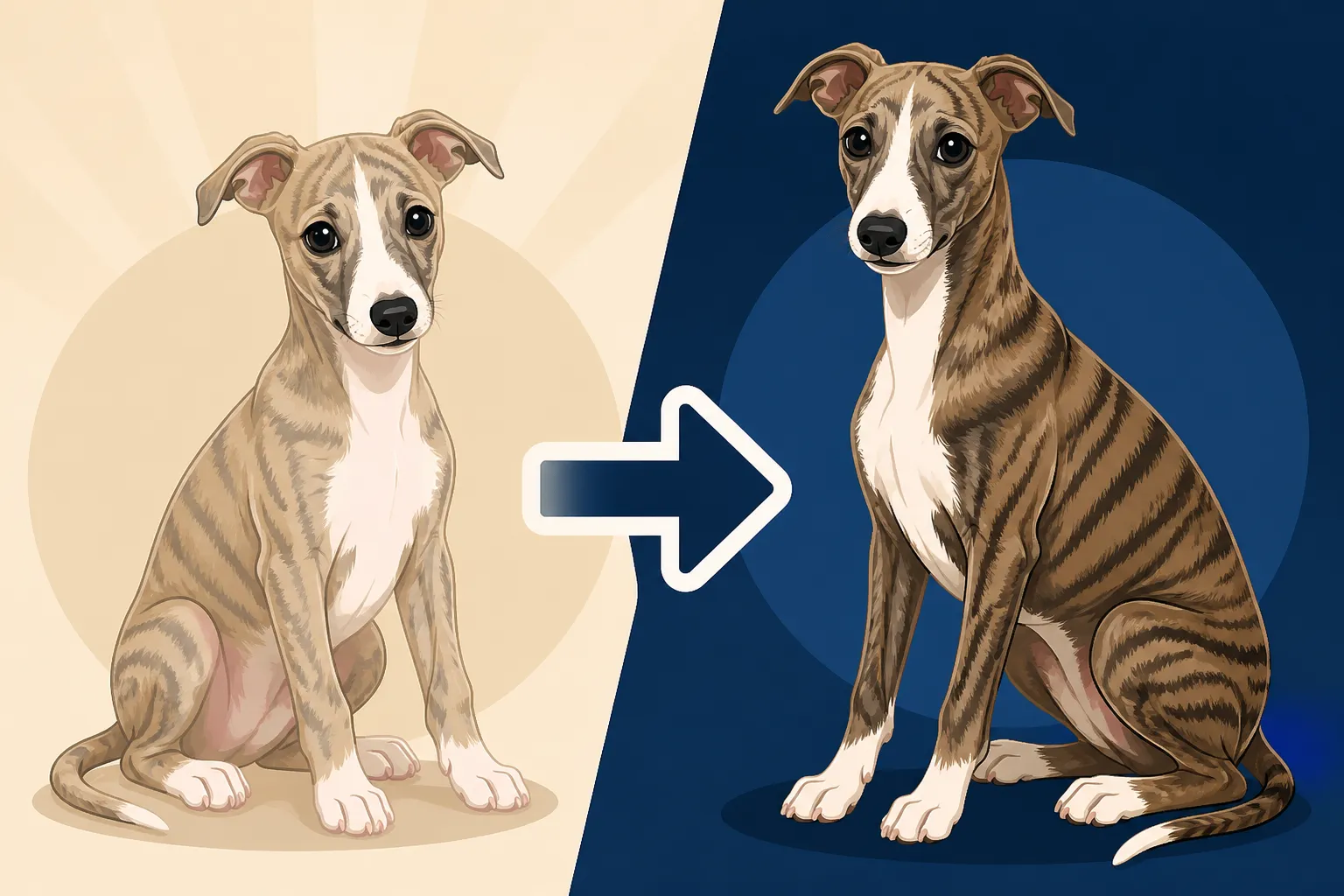
Whether a Whippet Puppy’s Brindle Darkens
A Whippet puppy’s brindle may look darker, lighter, or more sharply striped as the dog grows, which can make early photos seem misleading. Usually, the pattern itself has not suddenly changed: puppy-coat shedding, new hair growth, lighting, and seasonal sun exposure can alter its appearance. This guide explains what changes are normal, what to watch for, and when a coat change deserves a vet’s attention.
Why a Whippet puppy’s brindle can look different
Puppy coat and adult coat are not identical
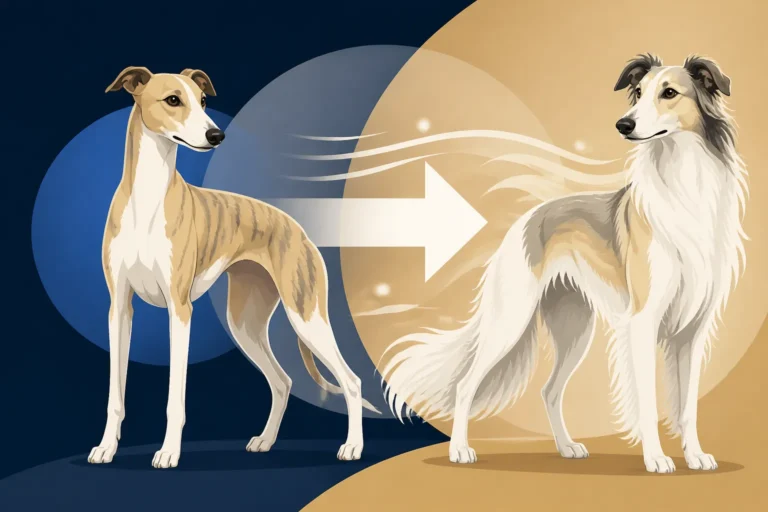
A Whippet’s brindle pattern comes from the distribution of differently pigmented hairs. But the coat you see on a very young puppy is not necessarily a perfect preview of how that pattern will look in adulthood. As the puppy grows, its soft early coat is replaced and refreshed, and the new hairs may show the existing colors with a different degree of contrast.
That can make brindle markings seem to deepen or become clearer over time. A dark stripe that was hard to distinguish against a puppy’s warm-colored coat may stand out more once the coat changes. In another dog, the contrast may seem softer. The overall impression can shift even though the basic pattern remains recognizable.
The change is often gradual rather than dramatic. Owners may notice it in old photographs more than day to day: a puppy photographed in a bright kitchen can look quite different from the same dog photographed outdoors a few months later. For a broader look at the ways a dog’s appearance develops, see How a Whippet's Color Changes as It Grows.
Lighting, sun, and the coat’s condition affect what you see
Brindle can be especially hard to judge in photographs. Indoor bulbs, phone-camera processing, shade, and direct sunlight all change how dark stripes and lighter areas appear. A fawn brindle may look much more golden in warm evening light, for example, while a black stripe can seem nearly invisible in a dim room.
Sun exposure can also affect the appearance of the hair. The tips of some hairs may look lighter after time outdoors, while freshly grown hair may appear richer or darker. This does not necessarily mean the dog’s underlying pattern has changed. It may simply mean the coat is showing different shades along the hair or across different parts of the body.
Before deciding that a puppy’s brindle has changed substantially, compare photographs taken in similar light. Try to use the same room, similar time of day, and a similar camera angle. A quick phone photo in bright sun next to an old indoor picture is not a reliable color comparison.
The pattern may become easier to recognize as the puppy fills out
A puppy’s proportions and coat coverage change as it matures. As the body grows, the brindle pattern is spread across a larger surface, and the locations of stripes may be easier to see. The coat can also lie differently as the puppy’s body shape changes, making markings appear more or less prominent.
This is one reason a breeder’s newborn photo, a puppy’s first-week photo, and a photo at several months old may give different impressions. It does not mean the puppy has changed into a different color category. Brindle is a pattern, and its appearance can vary considerably from one Whippet to another. The range of accepted shades and patterns is discussed in The Colors a Whippet Comes In and Whether a Brindle Whippet Is Common.
What usually changes and what usually stays the same
The brindle pattern is not expected to redraw itself
As a Whippet grows, the coat may look different, but a brindle dog does not ordinarily develop a wholly new pattern across its body. Existing markings can become more apparent or less distinct as the coat changes. The underlying arrangement of color is generally recognizable, even if the contrast shifts.
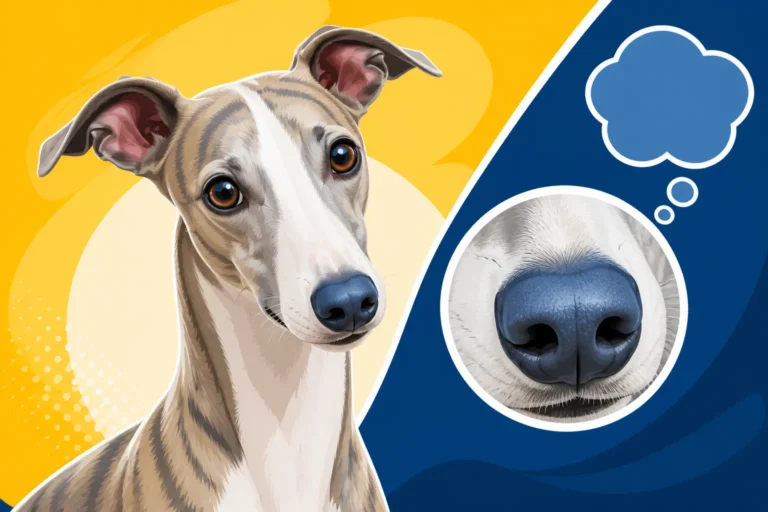
A useful way to think about it is to separate the pattern from the visual impression. “Brindle” describes the pattern; “darker-looking” describes how strongly the darker stripes stand out to your eye. Those are related, but they are not the same thing. A puppy may remain brindle while appearing less strongly marked as its coat develops.
White areas and other markings can also affect your impression of the coat. A white chest or foot may make neighboring dark stripes seem more pronounced. White markings do not usually migrate around the body as a dog matures. For questions about how markings fit into breed descriptions, read Whether Whippet Markings Are Faulted.
Compare the same areas rather than relying on memory
People are not especially good at remembering exact shades. If you are curious about a coat change, take a clear photo every few weeks or months rather than trying to recall how the puppy looked as a newborn. Photograph the same areas, such as the shoulders, ribs, and back, in similar lighting.
| What you notice | Common explanation | What to do |
|---|---|---|
| Stripes look clearer as the puppy grows | Coat development or stronger contrast | Compare photos taken in similar light |
| Coat looks paler after lots of time outdoors | Sun exposure or lighter-looking hair tips | Check again after the coat grows and sheds |
| Markings seem different in phone photos | Lighting, exposure, or camera processing | Take a photo in indirect natural light |
| A patch changes color and loses hair | Skin or coat problem may be involved | Contact your veterinarian |
| Color change comes with itching or irritated skin | Possible dermatologic issue | Arrange a veterinary assessment |
Photos are also useful if you do contact your veterinarian. A dated series can show whether the change is slow and even or sudden and localized. That distinction is more useful than a single picture or a vague memory of the puppy’s coat.
Breed color descriptions cover a wide range
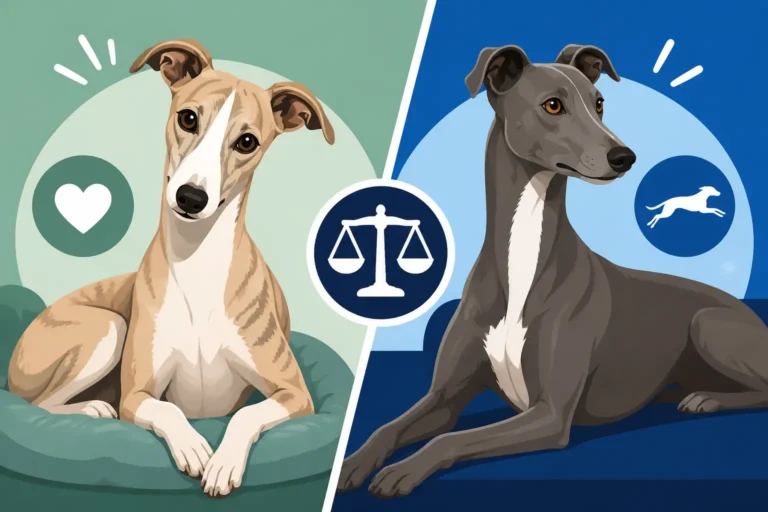
Brindle does not have one fixed appearance. Some Whippets have bold dark stripes over a light base; others have fine, subtle markings that are easier to spot in certain light. The base shade can vary too, so two brindle Whippets may look very different while both being described as brindle.
If you are evaluating a puppy’s color for a show or registration question, check the relevant organization’s breed standard and ask the breeder to explain how the dog is recorded. A color label is not a prediction that every stripe will remain equally sharp throughout the dog’s life. For a broader discussion of color terminology, see What Colors a Whippet Cannot Be and Whether a Whippet Can Be Any Color at All.
How to care for a brindle Whippet puppy’s coat
Keep grooming simple and gentle
A Whippet’s short coat does not need elaborate styling or frequent bathing. A soft brush or grooming mitt can lift loose hair and help you check the skin without scrubbing hard. Regular, gentle handling also makes it easier to notice a new sore, scab, or irritated patch while your puppy is relaxed.
If you need shampoo, choose a product made for dogs and follow its directions. Avoid human shampoo, harsh household products, and products marketed as a way to change or “enhance” coat color. A coat-color product is not a sensible way to manage ordinary puppy development, and unnecessary products can irritate sensitive skin. For the basics, see Why a Whippet's Coat Takes Five Minutes a Week and Which Shampoo Suits a Whippet's Thin Skin.
When shopping for routine grooming supplies, a retailer such as Chewy may be one place to compare dog brushes and shampoos, but focus on the product’s intended use and ingredients rather than claims about making brindle darker. If your puppy has a known skin condition or reacts to grooming products, ask your veterinarian what is appropriate before trying something new.
Avoid trying to alter the coat’s color
Do not dye, bleach, or apply human hair products to a puppy’s coat. A Whippet’s short hair and exposed skin do not make those products safer. Even a product described as natural can irritate skin or be unsafe if licked.
Be cautious with color-enhancing shampoos or sprays, too. A normal brindle coat does not need cosmetic correction, and a product that changes the way the coat looks can make it harder to track a genuine change. If you are unsure about a grooming item you found at Chewy or another shop, check with your veterinarian before using it.
If the coat looks dull, the puppy is losing hair, or the skin appears uncomfortable, investigate the cause rather than trying to mask it. Diet, parasites, allergies, infections, and other health issues can affect coat quality. A change in color alone may be harmless, but color change paired with skin symptoms is a different situation.
When a coat change deserves a closer look
A gradual, even change is different from a sudden patch
A puppy’s brindle becoming easier to see over several months is generally less concerning than one small area changing quickly. Pay attention to whether the skin itself looks normal and whether the coat remains evenly present. If the apparent change is uniform and the puppy is otherwise comfortable, it may simply reflect coat development, lighting, or exposure to sunlight.
By contrast, make a note if a patch becomes unusually pale or dark, hair falls out, the skin looks red or thickened, or the puppy starts scratching or licking the area. Those signs do not identify a specific diagnosis, but they are good reasons to ask your veterinarian for an examination.
A vet may want to know when you first noticed the change, whether it is spreading, and whether there have been changes to food, grooming products, or outdoor exposure. Bring your dated photos if you have them. They can help show the pattern over time more clearly than memory alone.
Get help for skin symptoms or broader health changes
Contact your veterinarian if color change comes with hair loss, persistent itching, sores, crusting, swelling, or discomfort. Seek advice as well if the puppy seems unwell or if the change is sudden and widespread. The concern in those situations is not that brindle has become darker; it is that the coat or skin may be signaling a health problem that needs assessment.
For an uncomplicated shift in appearance, there is usually no need to intervene. Keep the coat clean, use gentle grooming, and compare photos in consistent light. If you want a second opinion on whether a puppy’s markings fit a particular color description, the breeder can often explain the puppy’s lineage and how similar relatives’ coats developed. Chewy and other pet retailers can help you locate routine supplies, but a veterinarian is the right person to assess a medical change.
Disclaimer
This article is for general informational purposes only and does not constitute professional advice. Laws, prices and regulations vary by location and change over time. Consult a qualified professional for guidance on your specific situation.