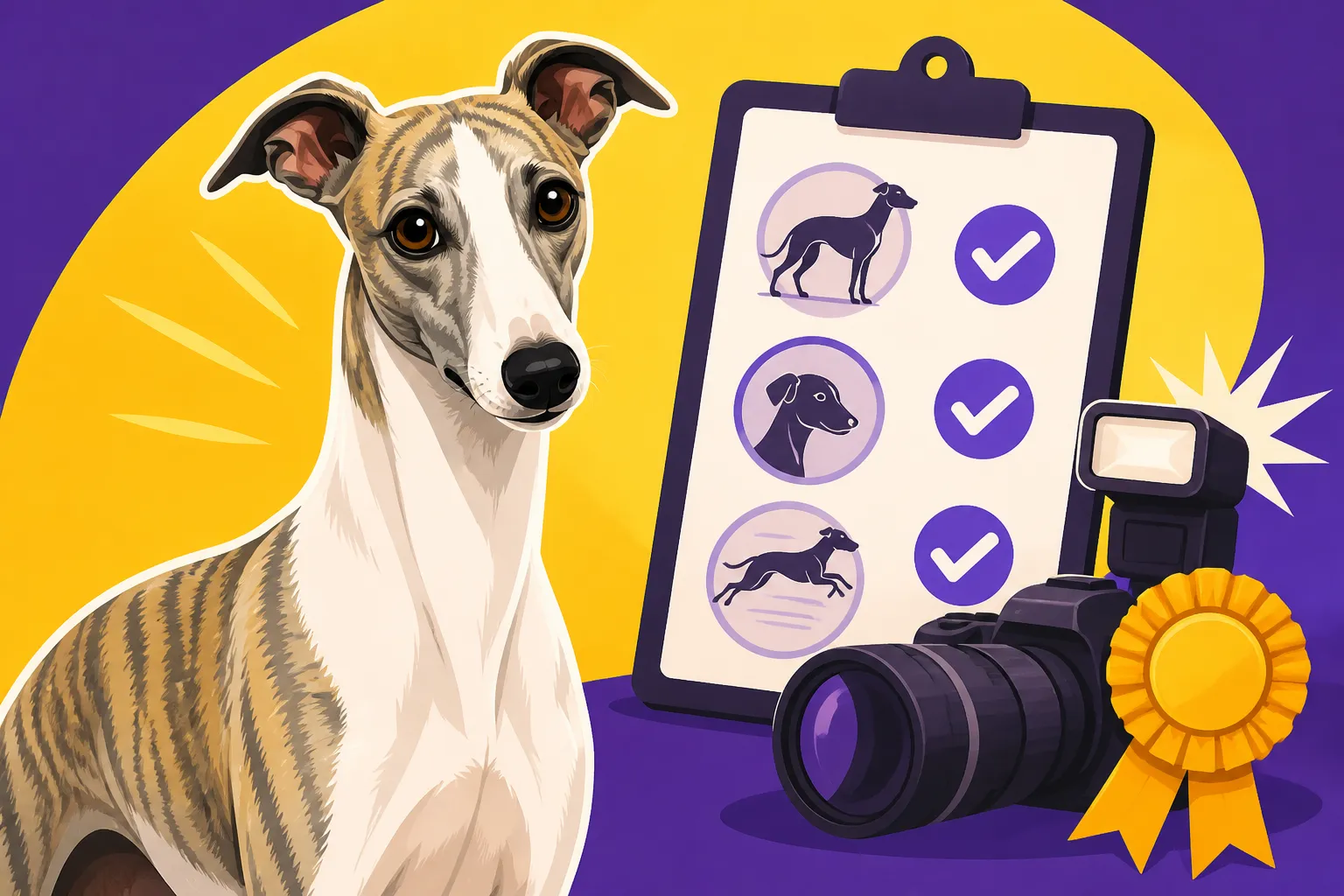
What Snap Dog Contests Asked of a Whippet
Many of us know the Whippet as a gentle, athletic companion, a true "40 mph couch potato," but did you know their history holds a much grittier past? Before they were cherished family pets and show ring stars, Whippets earned their keep in the rough-and-tumble world of working-class communities, often participating in events that might surprise modern owners. This guide delves into the fascinating, if sometimes challenging, history of "snap dog contests" and what these demanding events truly asked of a Whippet.
The Origins and Mechanics of "Snap Dog" Contests
Whippets, with their incredible speed and keen eyesight, were not always the pampered house dogs we adore today. Their lineage is deeply rooted in the working-class culture of Northern England, where miners and factory workers needed a dog that could hunt, race, and provide for their families. These weren't just casual activities; they were serious affairs, often involving wagers and providing a much-needed source of income or food. The "snap dog" contest is one such historical event that truly highlights the Whippet's raw, instinctive capabilities, and it reveals a lot about the breed's origins as a versatile and driven little sighthound.
The Working-Class Roots of the Whippet
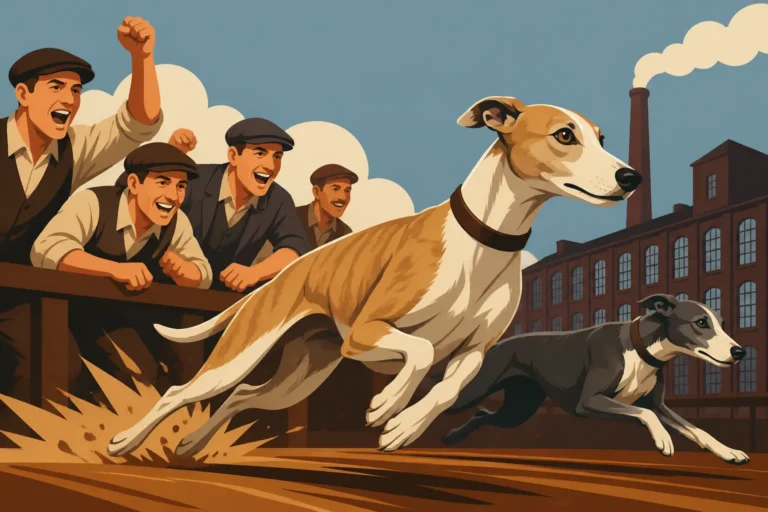
Imagine the industrial landscape of 19th-century Britain: coal mines, bustling factories, and cramped terraced houses. For the working man, leisure time was scarce, and disposable income even scarcer. Dogs weren't just pets; they were often working animals, bred for specific tasks. The Whippet emerged from this environment, a smaller, more affordable version of the majestic Greyhound, specifically tailored for the needs of the working class. They were affectionately known as the "poor man's racehorse" and integral to the community. They were often found curled up by the fire after a long day, only to be ready to spring into action when called upon. Why a Whippet Was a Working Class Dog explains more about this fascinating historical role.
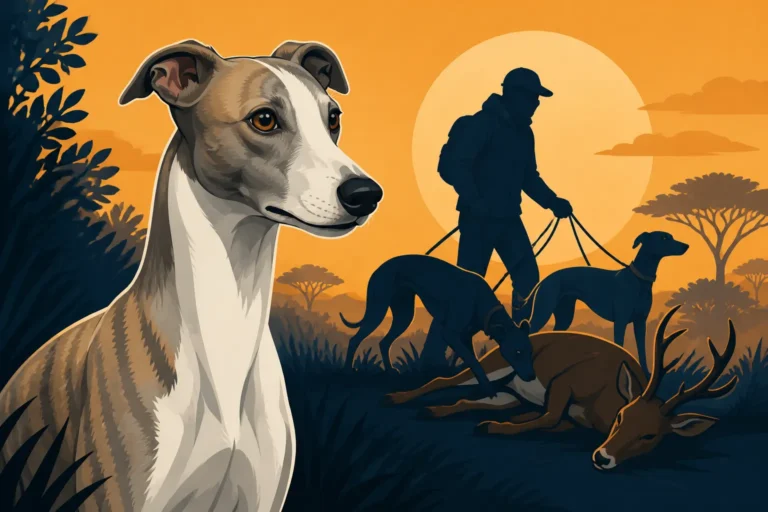
These early Whippets were valued not only for their companionship but also for their utility. They were agile, fast, and possessed an intense prey drive, making them excellent hunters of small game like rabbits. This wasn't sport for sport's sake; it was often about putting food on the table or winning enough money to help ends meet. How Whippets Killed Rabbits for the Pot provides further insight into their role in sustenance. This intense drive and natural athleticism were what made them perfect candidates for the unique challenges of snap dog contests, events that truly tested their speed and natural instincts in a very direct way.
What Exactly Was a Snap Dog Contest?
The name "snap dog" itself gives a strong hint about the nature of these contests. While specific rules might have varied from village to village or era to era, the core idea was to test a dog's ability to quickly and efficiently catch or "snap" small prey. Often, this involved releasing live rabbits or rats into an enclosed pit or ring, and the dogs would compete to see which could dispatch the most in a given time, or which could do so with the most speed and efficiency. It was a brutal, no-nonsense demonstration of their predatory prowess.
This wasn't about showmanship; it was about raw, instinctual performance. Spectators would gather, placing bets on their favored dogs, adding to the intensity of the event. While it might seem cruel by modern standards, it was a reflection of the harsh realities of the time and the utilitarian purpose many dogs served. It also highlighted a Whippet's incredible acceleration and precision, traits that are still celebrated in modern activities like lure coursing or Fast CAT, albeit in a far more humane and sporting context. You can learn more about this specific historical term in The Older Name Snap Dog for the Whippet.
The Whippet's Natural Aptitude for the Challenge
A Whippet's physical conformation and inherent temperament made them perfectly suited for snap dog contests. They are built for speed and agility, with a deep chest for powerful lungs, a flexible spine for maximum reach, and long, strong legs. But beyond their physical attributes, it was their intense prey drive and focus that truly set them apart. When a Whippet's prey drive is activated, they become utterly consumed by the chase, demonstrating incredible focus and determination.
Their compact size also played a role. They were small enough to be kept in modest homes and transport easily, yet powerful enough to contend with small, fast-moving prey. This combination of physical build, mental focus, and manageable size meant they were the ideal "tool" for these specific, demanding contests. It’s a testament to their enduring breed characteristics that even today, many Whippet owners can attest to their dog's unwavering attention when a squirrel or rabbit darts across their path. This same drive was harnessed for tasks like Whippets as Poachers' Dogs.
The Whippet's Unique Attributes on Display
When you consider the demands of a snap dog contest, it becomes clear why the Whippet, with its specific physical and mental makeup, was so highly prized. These contests weren't just about raw speed; they required a keen eye, lightning-fast reflexes, and an unwavering drive to pursue and "snap" the target. Modern Whippet owners might see echoes of these ancient traits in their own pets, whether it’s the sudden explosion of speed in the backyard or the intense focus on a distant moving object.
Unmatched Speed and Precision in the Chase
The Whippet's reputation as a speed demon is legendary, often earning them the moniker "the fastest dog for its size." In a snap dog contest, this speed was paramount. They needed to accelerate from a standstill almost instantly, cover ground rapidly, and then possess the agility to change direction on a dime as their prey moved erratically. It wasn't just about covering distance; it was about a controlled, precise chase. How Fast a Whippet Actually Runs delves into the mechanics of their incredible acceleration.
But speed alone wasn't enough. These dogs also needed exceptional coordination and precision. A snap dog wasn't just chasing; it was targeting. The ability to calculate the prey's movements, anticipate its turns, and execute a perfectly timed "snap" required a level of athleticism and mental acuity that few other breeds possessed. This is why, even today, watching a Whippet engage in a focused run, whether after a lure or just a leaf caught in the wind, is a truly mesmerizing experience. You can almost see that ancient drive at work.
That Instinctive, Unyielding Prey Drive
At the heart of a successful snap dog was an incredibly strong prey drive. This isn't just a casual interest in chasing; it's an ingrained, powerful instinct that compels the dog to pursue anything that moves like prey. For a Whippet, a fluttering leaf, a distant rabbit, or even a plastic bag blowing in the wind can trigger this primal response. In the context of a snap dog contest, this instinct was not only encouraged but essential. It meant the dog would not give up until the task was complete.
This intense prey drive is also why many Whippet owners today understand the critical importance of secure fencing and careful leash management. While their sweet nature might make them seem docile indoors, the moment they spot a potential "prey" item, that powerful instinct can override all other training. Why a Whippet Cannot Be Let Off Leash in an Open Field highlights the challenges this instinct can present in modern settings, underscoring the deep roots of their predatory nature. For effective management, a good martingale collar, often available on sites like Chewy, is essential because a regular flat collar can slip right off their slender neck.
The Misconception of the "Soft Mouth"
There's often a misconception that sighthounds, including Whippets, possess a "soft mouth" – meaning they are inherently gentle with prey, designed to capture without causing undue harm. While some sighthounds were indeed bred to retrieve live game relatively unharmed for the hunter, the context of "snap dog" contests suggests a different reality. The goal in these events was often dispatch, not retrieval. The term "snap" itself implies a quick, decisive action.
It's more accurate to say that while a Whippet can be incredibly gentle with its human family and even other small animals it considers part of its "pack," their hunting instinct, when fully engaged with small prey, is potent. They are built to efficiently pursue and subdue small, fast-moving creatures. This doesn't make them aggressive, but it certainly speaks to the effectiveness of their ancestral hunting methods. Modern Whippet owners who dabble in activities like retrieving toys or engaging in gentle play will see their dog's soft nature, but it's important to remember the underlying power of their heritage.
From Pit to Parlor: The Evolution of the Whippet's Role
The world of snap dog contests is a far cry from the lives most Whippets lead today. However, understanding this historical context offers invaluable insight into the breed's enduring characteristics. The same traits that made them formidable in the pit – their speed, agility, and intense prey drive – are precisely what make them such captivating athletes and beloved companions in the modern era. We've moved far beyond the utilitarian purpose, but the dog remains a product of its history.
How Ancient Instincts Shape the Modern Whippet
Even though snap dog contests are a thing of the past, the instincts that drove these Whippets are still very much present in our modern pets. Their love for a good chase, their ability to turn on a dime, and their deep, powerful desire to run are all direct inheritances from their working ancestors. These traits are now channeled into more humane and sporting activities like lure coursing, Fast CAT, and even agility, where their natural athleticism shines without harm to live animals. How Lure Coursing Channels a Whippet's Drive is a great example of this evolution.
Many Whippet owners find that providing outlets for these natural instincts is crucial for their dog's well-being. A Whippet that gets to stretch its legs in a safe, fenced area, or chase a lure, is a happy and fulfilled Whippet. This allows them to express that powerful historical drive in a way that is safe and enjoyable for everyone involved. For supplies to support these activities, like durable toys or special collars, I often turn to places like Chewy, which has a fantastic selection that holds up to even the most enthusiastic Whippet play.
The Whippet as a Champion and Companion Today
From the humble snap dog pits, the Whippet has risen to become a beloved and respected breed worldwide. They excel in various dog sports, from conformation shows where their elegant lines are admired, to obedience and rally, demonstrating their intelligence and trainability. Above all, they have found their true calling as cherished family members, known for their affectionate nature, gentle demeanor indoors, and striking appearance. They truly are the definition of a "40 mph couch potato," blending bursts of incredible speed with hours of peaceful slumber. The Whippet Is a Forty Mile an Hour Couch Potato perfectly captures this dual nature.
Their ability to transition from a highly utilitarian, working animal to a devoted companion speaks volumes about their adaptable and endearing nature. While their history includes practices we now find objectionable, it's a testament to the breed's character that they've embraced a new role so completely, without losing the core traits that make them unique. They remind us that breeds carry their history within them, and understanding that history helps us appreciate and care for them even better today. What a Whippet Actually Weighs and The Whippet Against the Greyhound and the Italian Greyhound offer further insights into the breed's physical characteristics and comparisons.
Ethical Reflections on Historical Practices
It's impossible to discuss snap dog contests without acknowledging the ethical considerations. Modern animal welfare standards are vastly different from those of the 19th century. Practices involving live bait are widely condemned today, and rightly so. Our understanding of animal sentience and our responsibilities to our canine companions have evolved significantly. This historical context serves as a reminder of how far we've come in our relationship with dogs.
While we can appreciate the historical circumstances that led to such contests – the need for food, entertainment, and income in challenging times – we can also reflect on the importance of humane treatment and positive reinforcement in dog training and sports today. We learn from history, not necessarily to condemn, but to understand and ensure that our current practices prioritize the welfare and well-being of our beloved Whippets. The fact that Chewy offers humane alternatives for prey drive fulfillment, like a wide array of durable tug toys and flirt poles, is a clear sign of our collective progress in providing enriched, ethical lives for our pets.
Here's a quick comparison of the historical "Snap Dog" role versus the modern Whippet's common activities:
| Feature | Historical "Snap Dog" Role | Modern Whippet Activities |
|---|---|---|
| Primary Purpose | Live prey dispatch, wagering, food source | Companion, dog sports, family pet |
| Key Skill Tested | Instant acceleration, precise "snap," prey drive | Speed, agility, lure drive, obedience |
| Environment | Enclosed pits, rural areas | Securely fenced yards, designated fields, home |
| Ethical Stance | Utilitarian, reflective of harsh times | Animal welfare-focused, positive reinforcement |
| Required Instinct | High, unyielding prey drive towards live animals | High prey drive channeled into non-living lures/toys |
| Dietary Needs | Basic, whatever was available | Balanced commercial or fresh diets, often from stores like Chewy |
Disclaimer
This article is for general informational purposes only and does not constitute professional advice. Laws, prices and regulations vary by location and change over time. Consult a qualified professional for guidance on your specific situation.