Which County Claims the Whippet
Many people adore the elegant Whippet for its sleek lines, incredible speed, and calm demeanor at home, but often they don't realize this refined sighthound has surprisingly humble, gritty origins. Far from being a dog of leisure from aristocratic estates, the Whippet was forged in the harsh realities of industrial England. This guide will take you on a journey to discover the specific county that claims the Whippet as its own, and how its working-class roots shaped the breed we know and love today.
The Heart of the Whippet's Origin: Northumberland and the North East
When you look at a Whippet, with its delicate frame and dignified air, it's easy to imagine it gracing grand country estates. The truth, however, is far more down-to-earth and steeped in the sooty landscapes of industrial Britain. The Whippet, as we know it, largely owes its existence to the hardworking coal miners and factory workers of the North East of England, particularly the county of Northumberland. This wasn't a dog bred for show rings or as a status symbol initially; it was a dog born out of necessity, companionship, and a love for sport in communities facing tough economic conditions.
The people in these regions needed a dog that could serve multiple purposes: a companion, a hunter for the pot, and a participant in the popular pastime of "rag racing." They needed a sighthound that was fast, yes, but crucially, also compact enough to fit into small cottages and cheap enough to feed on meager wages. This environment was the crucible in which the Whippet was forged. While similar dogs existed in various working-class areas, the concentration and documented development point strongly to the mining communities of Northumberland as its definitive birthplace, giving this hardy county the strongest claim.
Why Northumberland? The Socio-Economic Landscape
Imagine the scene in the late 18th and early 19th centuries in places like Northumberland. The industrial revolution was in full swing, driving people from rural areas into burgeoning mining towns and industrial centers. Life for a miner was incredibly tough – long hours, dangerous work, and often, not much money left over at the end of the week. Yet, humans have always sought companionship and entertainment, and for these communities, dogs played a crucial role.
Greyhounds, the larger sighthounds, were dogs of the gentry, too big and expensive for a miner's cottage and budget. What the working man needed was a miniature version – a "poor man's racehorse" that could still chase down a rabbit for food or compete in the immensely popular, if sometimes illicit, sport of rag racing. This necessity fostered a selective breeding process, often haphazard but effective, focusing on smaller, faster, and more robust dogs. This is Why the Whippet Was a Working Class Dog at its very core, a testament to resilience and ingenuity in the face of hardship.
The Blending of Breeds: Sighthound and Terrier Influence
The creation of the Whippet wasn't a pristine, controlled scientific endeavor. It was a pragmatic effort to achieve specific traits. The primary influence was undoubtedly the Greyhound, contributing the speed, sleek build, and intense sighthound prey drive. However, to create a smaller, hardier, and often more tenacious dog, other breeds were likely introduced. This is where the debate around Whether Terrier Blood Is in the Whippet comes into play.
Many breed historians suggest that various terrier types, such as the Bedlington Terrier and the Manchester Terrier, were crossbred with smaller Greyhounds. Terriers brought a scrappiness, a willingness to engage, and perhaps a thicker skin (metaphorically and literally) that suited the rough-and-tumble environment and the need for a dog that could handle both speed and a bit of a chase in dense undergrowth. These crosses helped to refine the Whippet's size and perhaps contribute to its distinct temperament – a fierce competitor in the field, yet a docile, affectionate companion at home. This blending resulted in a unique canine that was perfectly suited to its environment and purpose.
Rag Racing and the Birth of a Sporting Legend
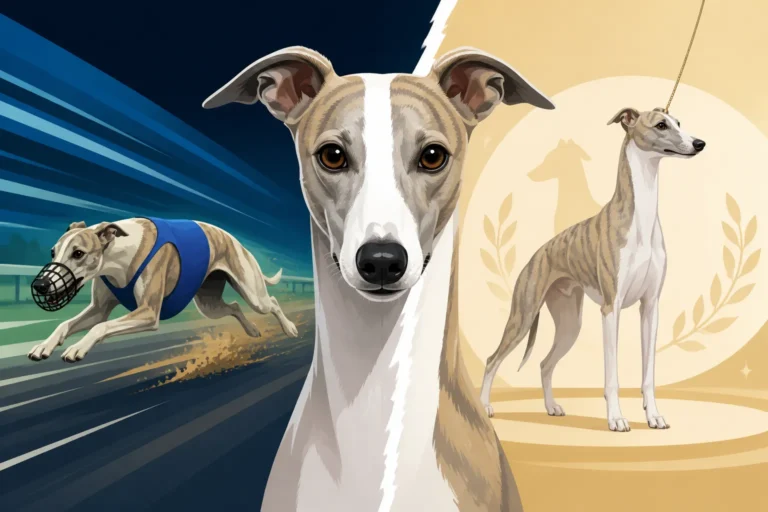
The Whippet gained widespread popularity through the sport of "rag racing" or "snap dog" contests, activities that were particularly prevalent in the industrial North East. This wasn't the sophisticated pari-mutuel betting of modern greyhound tracks; this was a grassroots, community-driven sport where local pride, and often a week's wages, were riding on the outcome.
Imagine a Sunday afternoon, miners and their families gathered in an open field. Two men stand at opposite ends of a short, straight track. One releases the dog, while the other at the finish line waves a rag or a handkerchief, inciting the dog to sprint towards them with incredible bursts of speed. The fastest dog won. This raw, exciting form of competition was deeply ingrained in the culture of the region, and it honed the Whippet's natural abilities to an unparalleled degree. Rag Racing and the Week's Wages Riding on a Whippet was more than just a race; it was a cultural event that cemented the Whippet's place in the hearts of working-class families.
From Track to Home: The Dual Life of the Early Whippet
What truly defined the early Whippet, and continues to define the breed today, was its incredible adaptability. These dogs were not just athletes; they were cherished members of the family. During the week, they'd be curled up by the fire, often sharing the family bed for warmth and companionship, especially in the cold, damp homes of the industrial North. On the weekends, they transformed into lightning-fast sprinters, eager to chase a lure or a rabbit. This dual nature – the fierce competitor and the gentle, cuddly companion – became a hallmark of the breed.
This is a tradition that continues today, as Whippets are still celebrated for their ability to go from zero to sixty in a blink, then immediately settle down for a long nap on the sofa. They might tear across a field at full tilt, only to return and demand cuddles and a spot under a blanket. This historical context helps us understand why The Whippet Is a Forty Mile an Hour Couch Potato, perfectly blending athleticism with an intense love for comfort. You can still see this reflected in many Whippets today who adore their soft beds and blankets, perhaps even one from Chewy, providing them the warmth and comfort they crave after a good run.
The Older Names and Their Meanings
Before "Whippet" became the standardized name, these dogs were known by various colloquial terms that spoke directly to their purpose and character. "Snap dog" was a common one, referring to their quick snapping bite on prey, particularly in rabbit-killing contests. These were fast-paced, high-stakes events that demonstrated the dog's agility and hunting prowess. Understanding The Older Name Snap Dog for the Whippet gives us a glimpse into the raw, survival-focused activities these dogs were bred for.
Another moniker was the "lightning rag dog," a vivid description of their blinding speed during rag races. These names paint a picture of a dog that was integral to the lives of the working class, a dog of speed, utility, and fierce spirit. They tell us that the Whippet wasn't just a pet; it was a partner in providing food and entertainment, deeply intertwined with the daily struggles and simple joys of its owners.
The Whippet's Enduring Legacy from the North East
The Whippet, while now a beloved companion dog across the globe, carries its Northumbrian heritage in every fiber of its being. From its physical characteristics to its unique temperament, the echoes of its industrial beginnings are unmistakable. Understanding this history is crucial for any Whippet owner, as it helps explain many of their quirks and needs.
Physical Traits Shaped by Necessity
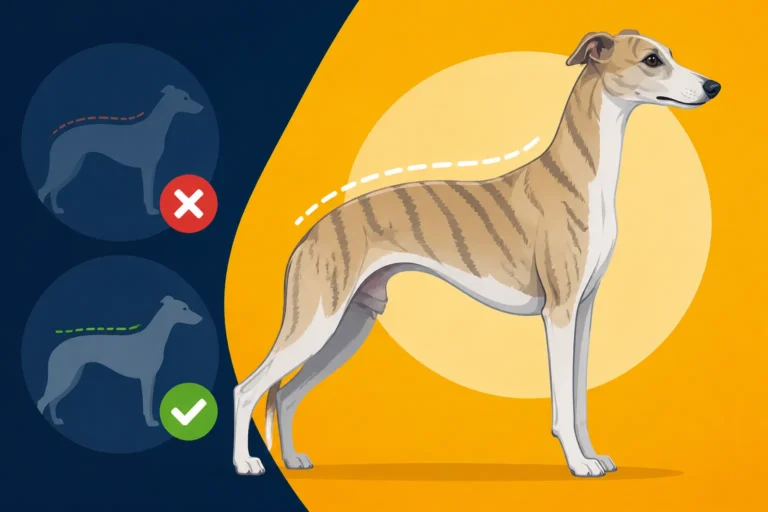
The Whippet's slender body, deep chest, and powerful hindquarters are all attributes perfected for speed and agility, directly inherited from its sighthound ancestry and refined for short bursts on the rag-racing track. Its thin skin and minimal body fat, which make it susceptible to cold and needing coats (and perhaps an extra soft bed from Chewy!), are a direct result of being bred for speed and lightweight efficiency, not insulation. These physical traits were essential for a dog that needed to be fast and agile, rather than hardy against the elements for extended periods outdoors. This lean build is why A Whippet Has No Insulation and No Padding, a fact every owner quickly learns, especially when winter rolls around!
| Characteristic | Origin/Purpose in Northumberland | Modern Whippet Manifestation |
|---|---|---|
| Size | Smaller, cheaper to feed than Greyhound; easier to hide/house. | Ideal companion for smaller homes; still compact. |
| Speed | Excels in short, intense sprints for rag racing and rabbit coursing. | "Forty-mile-an-hour couch potato"; loves to sprint, then nap. |
| Temperament | Adaptable, quiet indoors, loyal to owner (miners' companion). | Affectionate, gentle, good with families, calm house dog. |
| Prey Drive | Strong instinct for chasing small game for food/sport. | Requires secure fencing and mindful leash handling outdoors. |
| Coat/Body | Thin skin, minimal fat; needed warmth indoors and out. | Requires coats in cold weather; loves blankets and soft beds. |
Temperamental Echoes of its Past
The Whippet's famous "off switch" – its ability to go from a high-speed sprint to a deep snooze in seconds – is a direct result of its historical role. It needed to conserve energy indoors in a confined space, ready to explode into action when called upon. This makes them incredibly easy to live with for many families, adapting well to apartment living or smaller homes, a true testament to their origin as indoor companions. This blend of calm and crazy makes them fascinating dogs to share a home with.
Moreover, their deep bond with their owners and often reserved nature with strangers can be traced back to their origins. They were intensely loyal to their working-class families, often protective of their meager resources, and not necessarily eager to make friends with outsiders. This is why A Whippet Is Shy With Strangers is a common trait that needs gentle socialization, and why they bond so deeply with their chosen people. This strong owner bond is also a characteristic passed down through generations.
The Whippet Today: A Global Ambassador from a Humble Beginning
Today, the Whippet is recognized and cherished worldwide, but its journey started in the industrial towns of the North East. From Northumberland, the breed spread throughout England and eventually across the globe, captivating hearts with its unique blend of elegance and athleticism. Its origin story, a testament to the ingenuity and resourcefulness of the working class, makes it all the more special.
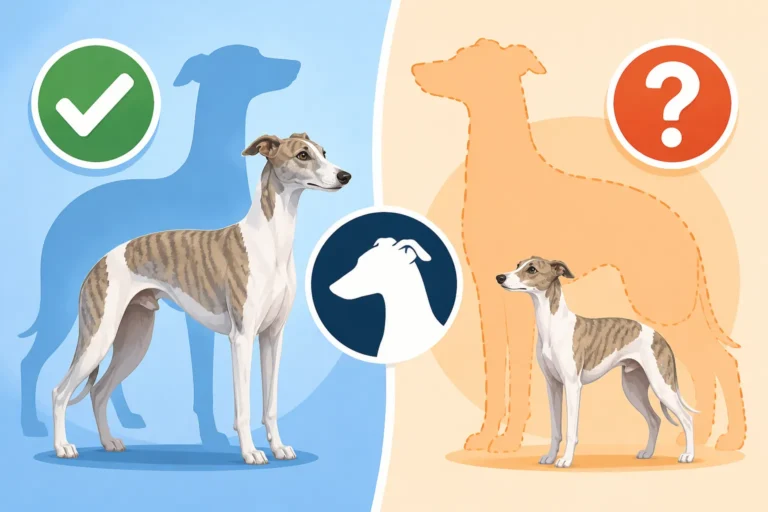
Understanding Where the Whippet Actually Comes From allows us to appreciate the breed's character and needs more fully. It tells us why they love to run, why they love to snuggle under blankets, and why they are such loyal and gentle companions. Whether comparing them to The Whippet Against the Greyhound and the Italian Greyhound or simply enjoying their presence, their Northumbrian roots are an integral part of their charm. This rich history is a beautiful legacy, making the Whippet truly unique in the canine world.
Disclaimer
This article is for general informational purposes only and does not constitute professional advice. Laws, prices and regulations vary by location and change over time. Consult a qualified professional for guidance on your specific situation.