Whether an Old Whippet Needs More Layers
As our beloved Whippets age, their needs subtly shift, and one of the most common concerns I hear from fellow owners is about keeping their senior sighthounds comfortably warm. It’s heart-wrenching to see your once spry companion shiver, even indoors, and you start to wonder if the usual single coat just isn't cutting it anymore. This guide will delve into why older Whippets often feel the cold more acutely and explore practical, empathetic ways to ensure they stay cozy and content through their golden years.
Understanding Why Older Whippets Get Colder
It's not your imagination – your senior Whippet genuinely might be feeling the chill more intensely than they used to. As they transition from their active adult years into contented retirement, their bodies undergo natural changes that can leave them more vulnerable to the cold. It’s a reality we all face with aging pets, and understanding these shifts helps us provide the best care.
The Natural Decline in Body Fat and Muscle
Whippets are already lean, naturally built for speed with minimal body fat, which serves as a natural insulator. As they age, this already thin protective layer often diminishes further. Muscle mass, even in active seniors, can decrease, which not only impacts their strength and mobility but also reduces another key source of warmth. Think of it like this: a younger Whippet has an efficient, well-oiled furnace running constantly, fueled by muscle and metabolism. An older Whippet's furnace might still be going, but it's not burning quite as hot, and they have less "insulation" to trap what heat they do generate. This means that A Whippet Has No Insulation and No Padding becomes an even more profound truth in their senior years, making them highly susceptible to temperature drops.
Circulatory Changes and Reduced Metabolism
Just like in humans, an older dog's circulatory system might not be as efficient as it once was. Blood flow can become less robust, especially to the extremities like paws, ears, and tail. This reduced circulation can make these areas feel colder more quickly. Coupled with a general slowdown in metabolism – the process by which their bodies convert food into energy and heat – older Whippets simply produce less internal warmth. This metabolic shift means they need external help to maintain their core body temperature, even in what might feel like a mild environment to us. They’re not just being dramatic; their internal thermostat isn't quite as effective.
The Impact of Arthritis and Mobility Issues
Arthritis and other age-related joint issues are common companions for many senior dogs, and Whippets are no exception. Pain and stiffness can make them reluctant to move as much, reducing their overall activity levels. Movement generates body heat, so a less active dog will naturally feel colder. Furthermore, discomfort can make them hesitant to shift positions or get up, meaning they might stay in a cool spot for longer, exacerbating the chill. If your old Whippet is suddenly spending more time curled tightly on the sofa or shying away from drafts, it might not just be the cold, but discomfort making them seek out warmer, softer spots. Providing ample soft, warm bedding is crucial here, and you might want to look into Beds That Suit an Arthritic Whippet.
Assessing Your Senior Whippet's Warmth Needs
It’s easy to project our own feelings about cold onto our dogs, but every Whippet is an individual, especially as they age. Learning to read their cues and consider their specific circumstances will help you tailor their layering perfectly.
Signs Your Old Whippet Is Feeling the Cold
Your Whippet can’t tell you in words that they’re chilly, but their body language speaks volumes. Look for subtle shifts in their behavior. Are they shivering, even slightly, when not stressed or excited? Are they persistently seeking out warm spots – burrowing under blankets, trying to get closer to the radiator, or wedging themselves into sunbeams? Perhaps they're reluctant to go outside for potty breaks, or they rush through their business, holding themselves stiffly. Curling up tightly, tucking their paws, or hunching their back are all classic signs of a dog trying to conserve body heat. Pay attention to how they feel to the touch, too. Cold ears or paws, particularly after being outside or in a cooler room, are a good indicator. Understanding The Signs a Whippet Is Getting Old can help you differentiate between general aging and specific cold-related discomfort.
Factors to Consider: Environment and Activity Level
The amount of layering your senior Whippet needs isn't a one-size-fits-all answer; it depends heavily on their environment and how active they are (or aren't!). Is your home naturally warm and draft-free, or do you live in an older house with chilly floors? Do you keep the thermostat lower to save on heating bills? These domestic details make a big difference. For outdoor excursions, consider the local climate: a brisk autumn walk in Arizona is different from a snowy January stroll in Vermont. Even an old Whippet might still enjoy a short, gentle potter around the yard, but they won't be generating much body heat compared to their younger, sprinting selves. A leisurely walk means they're more exposed to the elements without intense physical exertion to warm them up.
The Difference Between Indoor and Outdoor Layering
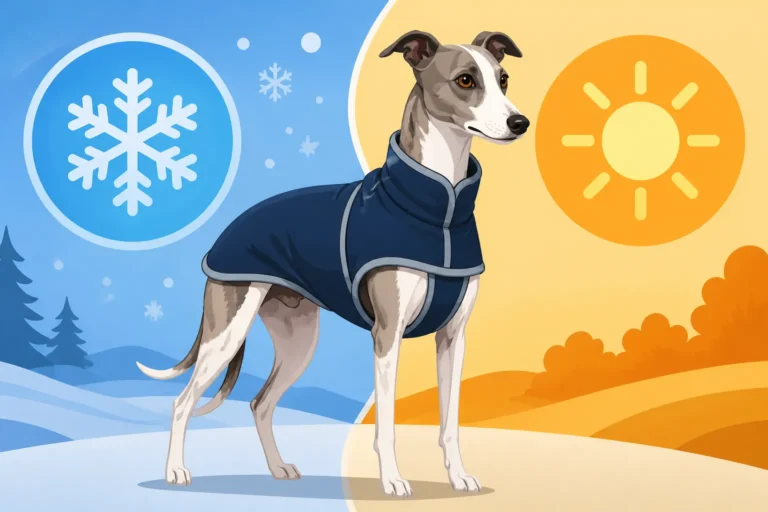
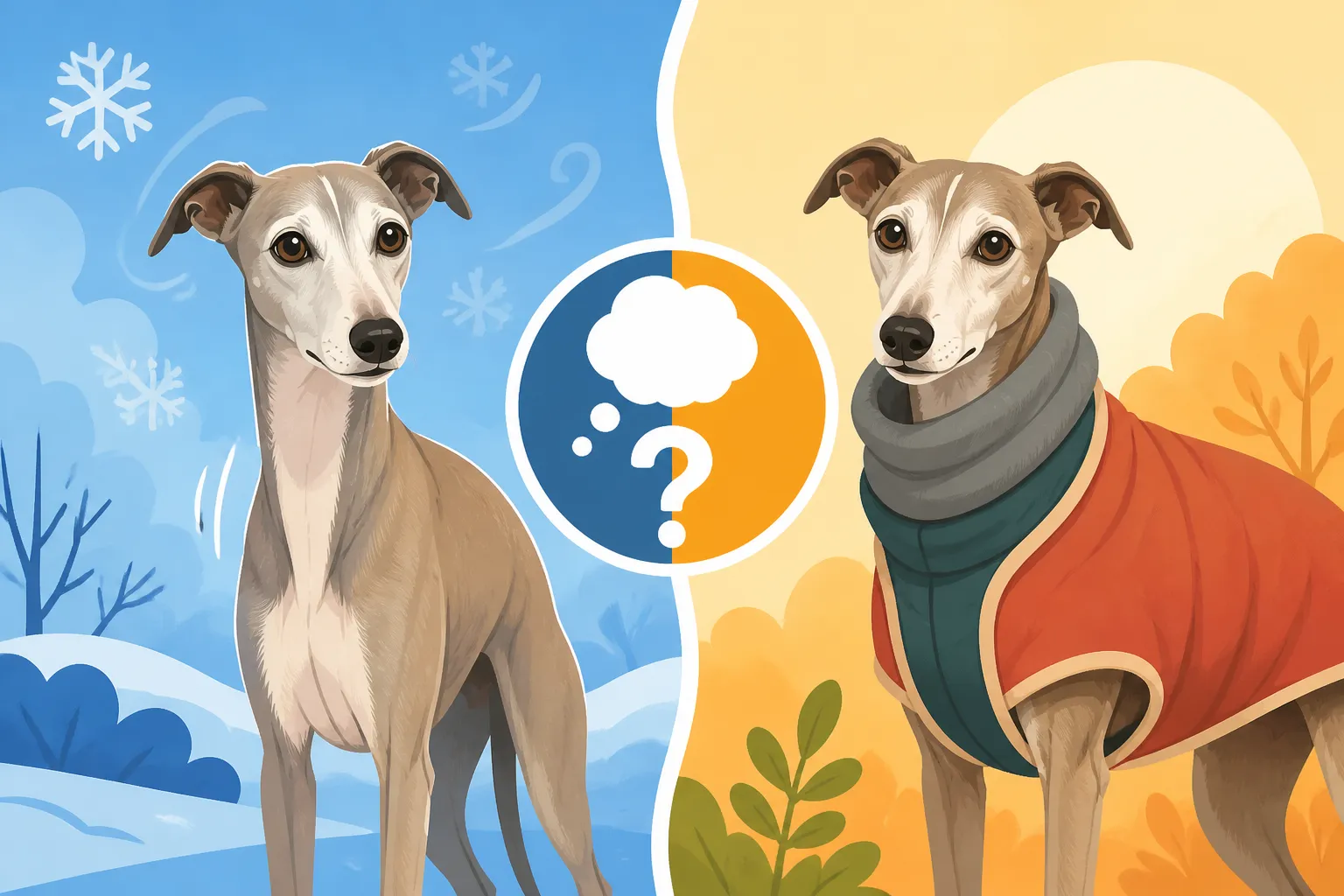
It's tempting to think a single coat will do the trick, but indoor and outdoor warmth requirements are distinctly different. Indoors, the goal is consistent comfort without overheating. Think breathable fabrics that add a gentle layer of warmth against drafts or cool flooring. Outdoors, you need protection against wind, rain, and genuinely cold temperatures, often requiring more robust, insulating, and sometimes waterproof materials. What works for a nap on the sofa might be utterly inadequate for a blustery walk.
Here’s a quick overview of how their needs differ:
| Feature | Indoor Layering Needs | Outdoor Layering Needs |
|---|---|---|
| Purpose | Maintain comfort, prevent drafts, aid relaxation | Protect from elements (wind, rain, snow, cold) |
| Materials | Soft fleece, cotton, breathable knits | Insulated, waterproof/resistant, windproof, durable |
| Fit | Snug but non-restrictive, allows free movement indoors | Secure, full coverage, allows for leash attachment |
| Duration | Worn for long periods, potentially overnight | Worn for specific outings, then removed |
| Comfort Focus | Softness, ease of movement, warmth without bulk | Weather protection, warmth retention, visibility |
Practical Layering Strategies for Senior Whippets
Now that we understand why old Whippets get colder and how to spot the signs, let's talk about what you can actually do to keep them toasty. It's all about strategic layering and providing cozy havens.
Choosing the Right Indoor Apparel
For indoor warmth, comfort is paramount. We're not looking for heavy-duty winter gear, but rather soft, breathable layers that help them retain their body heat without feeling constricted or overheating. Soft fleece pajamas or sweaters are perfect for this. They cover a good portion of the body, including those sensitive bellies and backs, and prevent drafts from chilling them as they nap on the sofa or wander through the house. Brands found on platforms like Chewy or Amazon offer a fantastic selection of specifically designed sighthound apparel that fits their unique physique, with deep chests and slender waists. These aren't just fashion statements; they're essential comfort items for an aging Whippet. Consider a light sweater for daytime and perhaps a warmer fleece pajama set for sleeping, especially if your home gets chilly at night. Many owners find that Whether a Whippet Needs a Coat Indoors is a definite 'yes' as they age.
Selecting Effective Outdoor Gear
When it's time for an outdoor adventure, even a short one, your senior Whippet needs serious protection. A good outdoor coat for an older Whippet should offer insulation, be windproof, and ideally, water-resistant or waterproof. Look for coats with a good amount of coverage over their chest, back, and belly, as these are critical areas for heat loss. Materials like quilted nylon with fleece lining, or even lightweight down-filled coats, can provide excellent warmth without excessive bulk. If your Whippet is prone to skin tears (a common sighthound issue, which you can read more about in The Thin Skin That Sends a Whippet to the Vet for Stitches), ensure the coat isn't too tight or made of abrasive material. For rainy or snowy days, a dedicated raincoat over a lighter fleece can be an excellent layering strategy, providing both warmth and dryness. Remember, they're not as agile as they once were, so ease of putting on and taking off the coat is also a consideration.
Beyond Clothing: Other Warming Solutions
While clothing is a primary method, there are many other ways to enhance your senior Whippet's comfort:
- Soft, Plentiful Bedding: This cannot be stressed enough. Older Whippets spend more time resting, and hard floors are simply not an option. Provide multiple, easily accessible soft beds in various rooms. Memory foam beds or orthopedic beds are fantastic for their joints, and adding a soft blanket for them to burrow under (which they instinctively love to do!) makes all the difference. Whether a Whippet Should Sleep Under a Blanket is a question many owners ponder, and for seniors, it's often a crucial comfort.
- Heated Beds or Pads: For Whippets who feel the cold profoundly, a thermostatically controlled heated bed or mat can be a game-changer. These provide gentle, consistent warmth that can soothe aching joints and help them relax more deeply. Always ensure it's specifically designed for pets and used safely according to manufacturer instructions.
- Draft-Free Zones: Take a tour of your home at your Whippet's eye level. Are there sneaky drafts under doors or near windows? Blocking these with draft stoppers or rearranging furniture to create cozier napping spots can make a huge difference in their comfort.
- Nutrition: Good nutrition plays a role in overall health, which impacts their ability to regulate temperature. While it won't replace layers, a high-quality diet provides the energy they need. Some owners explore fresh food options, like those from Ollie, which can be highly palatable and digestible for seniors, ensuring they get all the necessary nutrients to support their aging bodies. Staying at a healthy weight, neither too thin nor overweight, is essential for their overall well-being and warmth retention.
Common Layering Mistakes to Avoid
While we want our senior Whippets to be snug, it's possible to go too far or make choices that, with the best intentions, could cause discomfort.
Overheating and Its Dangers
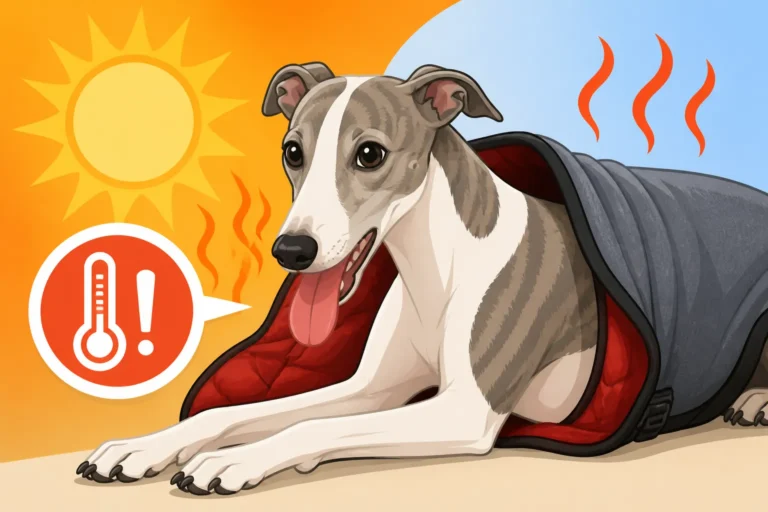
One of the biggest pitfalls of layering is the risk of overheating. Whippets, even older ones, can overheat if they're bundled up too much, especially indoors or if the weather takes an unexpected turn. Signs of overheating include excessive panting, lethargy, bright red gums, or seeking out cool spots to lie on. Always choose breathable fabrics for indoor wear and be mindful of the ambient temperature. If your Whippet is wearing a coat inside, ensure the house isn't overly warm, and remove it if they seem uncomfortable. Similarly, if the sun comes out during a walk, be prepared to shed a layer. It's a delicate balance to strike, but vigilance is key.
Restrictive Clothing and Discomfort
Ill-fitting clothing can be more detrimental than no clothing at all. A coat or sweater that is too tight can restrict movement, rub their delicate skin, or cause anxiety. Whippets are known for their deep chests and narrow waists, so generic dog clothing often doesn't fit well. Always measure your Whippet carefully and look for brands that specialize in sighthound apparel. The clothing should be snug enough to stay put but loose enough that it doesn't chafe or impede their natural gait. Watch for any signs of discomfort, such as your Whippet trying to chew at the fabric, stiffness in movement, or reluctance to wear the item. Comfort is key; if it's uncomfortable, they won't want to wear it. You can explore more about How Many Coats a Whippet Actually Needs to get a good sense of a practical wardrobe.
Ignoring Other Health Issues
Finally, it’s crucial to remember that excessive shivering or a persistent inability to stay warm, even with appropriate layering, could be indicative of an underlying health issue. Conditions like hypothyroidism, anemia, or even kidney disease can affect a dog's ability to regulate body temperature. While a low thyroid reading (Why a Whippet's Thyroid Reading Runs Low) is a common finding that doesn't always indicate a problem, extreme cold intolerance warrants a vet visit. If you notice your senior Whippet is unusually lethargic, has a poor appetite, or displays other concerning symptoms alongside their coldness, it's always best to consult your veterinarian. They can rule out any medical reasons for their discomfort and ensure you're providing comprehensive care as your Whippet navigates their golden years. Remember, Caring for a Whippet Past Ten often means being extra attentive to subtle changes in their health and well-being.
Disclaimer
This article is for general informational purposes only and does not constitute professional advice. Laws, prices and regulations vary by location and change over time. Consult a qualified professional for guidance on your specific situation.