Whether a Whippet Settles at a Boarding Kennel
Leaving your beloved Whippet when you travel or have an emergency can stir up a huge wave of anxiety and guilt. You worry if their sensitive nature will cope, if they'll be warm enough, or if they'll miss you terribly. This guide aims to alleviate those fears by exploring whether a Whippet typically settles in a boarding kennel, what factors play a role in their experience, and how you can best prepare them for a stay away from home.
Understanding the Whippet Temperament and Boarding Challenges
Whippets are truly unique dogs, and their distinctive physical and emotional traits mean that conventional boarding situations don't always suit them perfectly. Owners often find themselves agonizing over where their lean, loving companion will feel safe and comfortable when they're not around.
The Whippet's Sensitive Nature
Let's be real: Whippets are often described as "velcro dogs" for a reason. They form incredibly strong bonds with their human families and thrive on routine and comfort. This deep attachment, while endearing, can make separation anxiety a real concern when you're considering boarding. A sudden change in environment, routine, and the absence of their primary caregivers can be genuinely upsetting for them. They might display signs of stress like excessive panting, pacing, refusing to eat, or even trying to escape. Their emotional well-being is deeply tied to their familiar surroundings and people, and disrupting that can be a big deal.
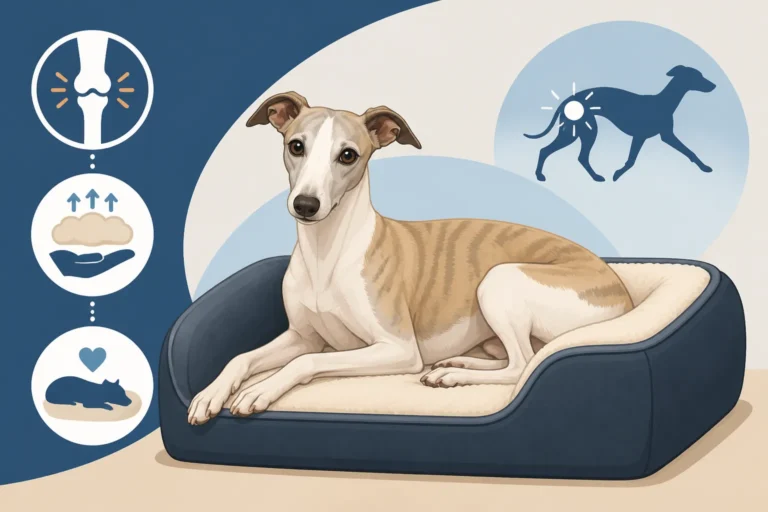
Beyond their emotional sensitivity, Whippets have physical traits that demand special consideration. With their fine, thin skin and incredibly low body fat, they are very susceptible to cold and prone to pressure sores if they don't have adequate, soft bedding. Imagine a typical concrete-floored kennel run – for a Whippet, that's not just uncomfortable, it's potentially damaging. They literally have no padding to protect their bony prominences like hips, elbows, and hocks. This is why you'll constantly find The Beds a Whippet Owner Keeps Buying and why Why a Whippet Cannot Sleep on a Hard Floor is such a common topic among us. Their need for warmth also means that a cold kennel environment, even one that feels fine to other breeds, can be genuinely distressing and physically uncomfortable for them.
Common Kennel Stressors for Whippets
A traditional boarding kennel, no matter how well-meaning, often presents a slew of stressors that can particularly affect a Whippet. The cacophony of barking from other dogs, the unfamiliar smells, and the constant coming and going of strangers can be overwhelming for a breed that typically enjoys a quiet, predictable home life. A Whippet might be particularly bothered by the sheer volume of sensory input, struggling to find a calm moment to rest. This constant low-level stress can lead to them becoming withdrawn, anxious, or even acting out in ways they wouldn't at home.
The structured, often impersonal routine of a kennel can also be a challenge. Whippets thrive on connection and individual attention. Being one of many dogs receiving generic care can feel lonely and isolating to them. While a kennel might offer group playtimes, a Whippet’s specific play style, which involves bursts of intense running followed by long naps, doesn't always mesh well with more boisterous breeds. Furthermore, their delicate skin, which is famously The Thin Skin That Sends a Whippet to the Vet for Stitches, puts them at higher risk of injury if they are housed with rougher players or in enclosures with sharp edges or abrasive surfaces. It's a double-edged sword: they need exercise, but they need safe exercise that understands their physical vulnerabilities.
Factors Influencing a Whippet's Success in Boarding
Not all Whippets are created equal, and not all kennels are either. Several factors can significantly impact how well your Whippet adjusts to a temporary stay away from home.
Kennel Environment and Staff
The choice of boarding facility is paramount for a Whippet. You need to look beyond surface cleanliness and ask deeper questions. Does the kennel prioritize quiet spaces and offer individual kennels that feel more like a cozy den than a barren cage? Are there heated areas, especially during colder months, given that A Whippet Has No Insulation and No Padding? What kind of bedding do they provide, and is it truly soft, thick, and plentiful enough to protect against pressure sores? Some facilities even offer raised beds or cots, which can make a huge difference.
Crucially, the staff's experience with sighthounds or other sensitive, thin-skinned breeds is invaluable. Do they understand that a Whippet might not eat well if stressed, or that they need extra blankets? Do they know Why a Whippet Needs a Sighthound Anesthesia Protocol if a medical emergency were to arise? A staff member who knows to offer a nervous Whippet a quiet snuggle or to hand-feed a few treats can make all the difference. Their ability to read canine body language, especially the subtle cues of a stressed Whippet, is far more important than just basic feeding and walking. This kind of personalized attention can turn a potentially traumatic experience into a tolerable, or even positive, one.
Your Whippet's Personality and Training
Just like people, every Whippet has a unique personality. Some are naturally more resilient and adaptable, perhaps having been exposed to various environments and people from a young age. These Whippets might take new situations in stride, bouncing back quickly from minor upsets. Others, however, are inherently more timid or routine-bound and will struggle significantly with changes. Knowing your own dog's specific temperament is your best guide.
Early socialization and positive training experiences can dramatically improve your Whippet's ability to cope with boarding. A puppy that has had positive exposures to different sights, sounds, people, and safe dogs will likely be more confident. If your Whippet is comfortable being crated at home, that crate can become a portable safe haven in a new environment, offering a sense of security. Whether a Whippet Can Be Crate Trained successfully makes a big difference, as a crate can provide a much-needed sense of privacy and safety in a busy kennel. Even if they're a The Whippet Is a Forty Mile an Hour Couch Potato at home, building their confidence in new situations through positive reinforcement can prepare them for the unexpected nature of a kennel.
Preparation is Key
You wouldn't send a child to camp without preparation, and the same goes for your Whippet. Gradual exposure is key. If possible, start with short daycare visits at the chosen facility, slowly increasing the duration. This allows your Whippet to become familiar with the sounds, smells, and staff while you're still nearby. Then, try a single overnight stay before committing to a longer trip. These trial runs are invaluable for both you and your dog, helping you gauge their comfort level and allowing the kennel staff to learn their individual quirks.
Bringing familiar items from home can also provide a huge source of comfort. A well-loved blanket that smells of home, their favorite soft bed, or a worn t-shirt that smells like you can be incredibly reassuring. Some kennels are happy for you to bring your dog's own food, which is always recommended to avoid stomach upset from a sudden diet change. If your Whippet is on a specific diet, like a fresh food diet from Ollie, ensure the kennel can accommodate this or provide clear instructions.
Alternatives to Traditional Boarding Kennels
If the thought of your sensitive Whippet in a traditional kennel fills you with dread, don't despair! There are several excellent alternatives that might be a better fit for your furry friend's specific needs.
In-Home Pet Sitters
For many Whippet owners, an in-home pet sitter is the gold standard. This option allows your Whippet to remain in the comfort and familiarity of their own home, maintaining their routine, diet, and sleep schedule. A pet sitter comes to your house, providing personalized care, walks, feeding, and companionship. This minimizes stress from environmental changes and means your Whippet isn't exposed to the noise and potential illnesses of a kennel environment. It's especially beneficial for Whippets prone to Separation Anxiety in a Whippet or those who simply do better with consistent human interaction.
The main drawback can be the cost, which is often higher than traditional boarding, and the availability of reliable, trustworthy sitters. You'll want to ensure the sitter is experienced with sighthounds and understands their unique needs, like their aversion to cold weather (a sitter would know Whether a Whippet Needs a Coat Outdoors) or their need for soft bedding everywhere. Always arrange a meet-and-greet beforehand to ensure both you and your Whippet feel comfortable with the individual. Look for sitters with good references and perhaps even background checks.
Doggy Daycare with Overnight Stays
If your Whippet is a social butterfly and enjoys the company of other dogs, a doggy daycare that offers overnight boarding could be a fantastic compromise. The key here is "social." Some Whippets, while friendly, prefer calmer interactions or the company of other sighthounds rather than boisterous play with larger, heavier breeds that could accidentally cause injury. If your Whippet regularly attends a specific daycare, the staff and environment will already be familiar, reducing stress.
Before booking an overnight stay, ensure your Whippet is comfortable with the daycare setting during the day. Ask about their sleeping arrangements: are dogs crated individually at night, or do they free-roam? Are the sleeping areas quiet and warm enough for a Whippet? Ideally, they should have soft beds and blankets readily available. This option works best for Whippets who genuinely thrive in a group setting during the day and can then retreat to a quiet, secure spot for rest.
Friends and Family
Without a doubt, the most ideal solution for many Whippet owners is to have a trusted friend or family member care for their dog. This person is likely already familiar with your Whippet's personality, quirks, and routine, making the transition much smoother. They can replicate your home environment more closely, provide the one-on-one attention your Whippet craves, and understand specific needs like their food preferences or the importance of a warm, soft spot to curl up.
This option truly offers peace of mind. Your Whippet is with someone they know and trust, reducing the emotional toll of separation. It often comes with the added benefit of being more affordable, if not free, depending on your arrangement! However, you must ensure your chosen caregiver is truly capable and willing to handle all aspects of Whippet care, from their sensitive stomachs to their need for careful exercise. Having a detailed list of instructions, including emergency contacts and vet information, is essential, even for the most experienced family member.
Tips for a Smoother Boarding Experience
No matter which option you choose, a little preparation goes a long way in ensuring your Whippet has the best possible experience while you're away.
Choosing the Right Facility
This step cannot be stressed enough. Don't just pick the closest or cheapest option. Start your search early and visit several facilities if possible. When touring, look for signs of a clean, well-maintained environment, but also pay close attention to the details that matter specifically to a Whippet.
- Sighthound Experience: Ask directly if staff have experience with sighthounds. Do they understand their unique needs regarding exercise, sensitivity, and physical fragility?
- Bedding: Critically examine the bedding provided. Is it thick, soft, and plentiful? Is it cleaned regularly? If not, can you bring your own memory foam bed from Amazon or Chewy?
- Temperature Control: Inquire about heating and cooling. Given their lack of body fat, Whippets need consistent warmth. Are there cozy, draft-free sleeping areas? Whether an Old Whippet Feels the Cold More applies to all Whippets, especially in a new environment.
- Play and Rest: What is the daily schedule? Is there ample opportunity for safe, supervised play, but also plenty of quiet downtime? The Whippet is a Forty Mile an Hour Couch Potato for a reason; they need their rest!
- Staff-to-Dog Ratio: A lower ratio generally means more individual attention, which is crucial for sensitive Whippets.
- Emergency Plan: What is their protocol for illness or injury? Which vet do they use, and is it a sighthound-savvy clinic?
Packing Your Whippet's Bag
Think of it as packing for a small, very particular child.
- Food: Always send your Whippet's own food. A sudden change in diet, especially when stressed, can lead to stomach upset. If they're on a specific diet, like a fresh food plan from Ollie, make sure the kennel can store and prepare it correctly. Pack a little extra just in case.
- Treats: Familiar treats can be a huge comfort and a great way for staff to bond with your dog.
- Bedding: Even if the kennel provides bedding, bring your Whippet's absolute favorite bed and a couple of blankets that smell like home. These familiar scents offer security. A worn t-shirt of yours can also be wonderfully comforting.
- Toys: A favorite chew toy or soft comfort toy can provide entertainment and reassurance.
- Medications & Instructions: If your Whippet is on any medications, pack them clearly labeled with detailed instructions, dosage, and administration times. Include your vet's contact information and a signed authorization for emergency care.
- Coat/Pajamas: If it's cold, pack their favorite fleece pajamas or a warm coat, especially if Whether a Whippet Needs a Coat Indoors is something you regularly consider for them.
The Drop-off and Pick-up
When it's time for drop-off, try to keep your goodbyes brief and calm. Whippets are highly attuned to our emotions, and if you are stressed or overly dramatic, they will pick up on it. A quick, confident "Be a good boy/girl, I'll be back!" is far better than a lingering, tearful farewell. Confidently hand them over to the staff, reinforcing that everything is okay.
Upon pick-up, expect your Whippet to be overjoyed to see you. They might be a bit tired, thirsty, or even a little bit "off" for the first 24 hours back home. This is normal as they readjust to their own environment. Give them a quiet reintegration, plenty of rest, and gentle reassurance. Watch for any signs of lingering stress, such as changes in appetite or unusual clinginess. Most Whippets will settle back into their routine quickly, but some might need a few days to truly decompress.
Here's a quick comparison of boarding options:
| Feature | Traditional Boarding Kennel | In-Home Pet Sitter | Doggy Daycare with Overnights |
|---|---|---|---|
| Environment | Unfamiliar, can be noisy, varied comfort levels. | Familiar, quiet, own home environment. | Familiar during day, varied overnight arrangements. |
| Human Interaction | Group care, limited individual attention. | One-on-one, personalized attention. | Group play during day, individual at night. |
| Routine Consistency | Kennel's routine, often different from home. | Maintains home routine (walks, feeding, sleep). | Daycare routine, home routine for food/sleep. |
| Suitability for Whippet | Can be stressful, requires careful selection for warmth/bedding. | Highly suitable, ideal for sensitive/anxious Whippets. | Good for social Whippets, ensure quiet sleeping area. |
| Health & Safety | Risk of illness/injury from other dogs. | Minimal risk of exposure to external illness. | Risk of illness/injury from group play. |
| Cost | Generally moderate. | Generally higher. | Varies, often comparable to moderate boarding. |
Remember, every Whippet is an individual. What works for one might not work for another. The most important thing is to consider your Whippet's personality and needs, do your research, and trust your gut when making decisions about their care.
Disclaimer
This article is for general informational purposes only and does not constitute professional advice. Laws, prices and regulations vary by location and change over time. Consult a qualified professional for guidance on your specific situation.