Whether a Whippet Needs a Heated Bed in Winter
When winter bites, or even when autumn just gets a bit nippy, many Whippet owners find themselves wondering if their beloved, sleek companion is truly comfortable. Their paper-thin skin, minimal body fat, and short coats mean they feel the cold far more acutely than many other breeds, often leaving us feeling like we're constantly trying to keep them from shivering. It’s natural to want to provide every comfort, and a heated bed often comes up as a potential solution. But is it truly necessary, or just a nice-to-have luxury? This guide dives deep into whether a heated bed is a smart investment for your Whippet, exploring their unique needs, the options available, and crucial safety considerations.
The Whippet's Unique Cold Sensitivity
It’s no secret that Whippets are not built for arctic expeditions. They are elegant athletes, designed for speed and grace, not insulation. This genetic predisposition means they experience cold in a way that truly impacts their daily comfort, prompting many owners to bundle them up in layers or worry about their sleeping arrangements.
Why Whippets Get Chilly So Easily
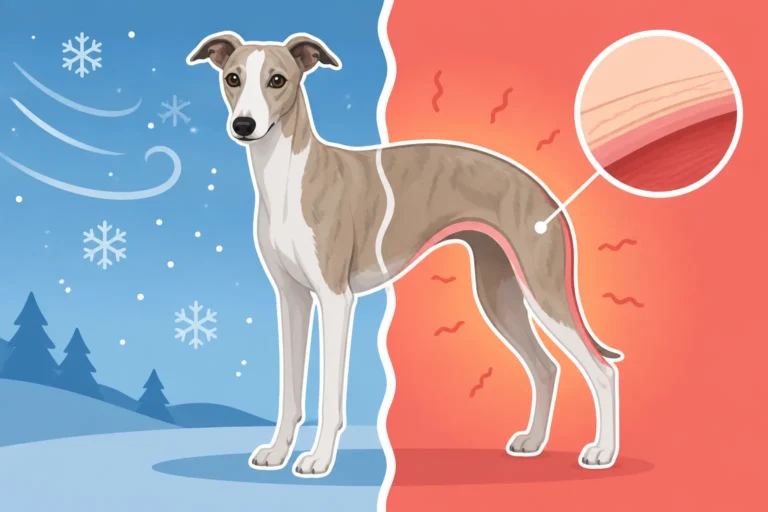
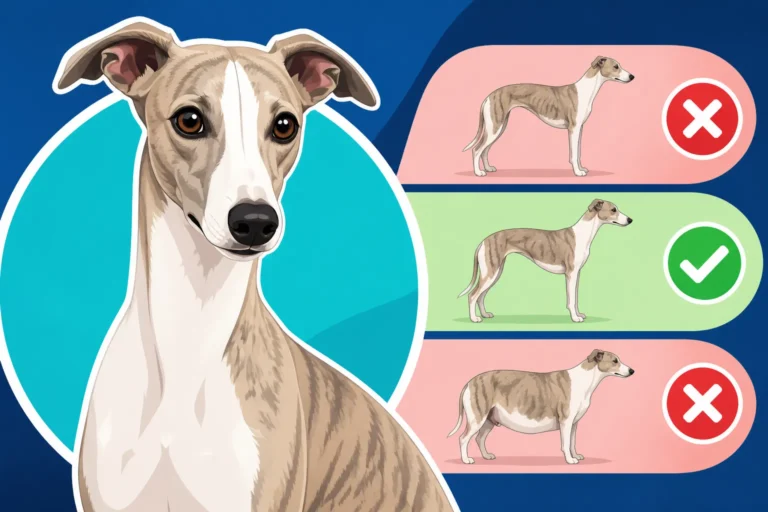
Imagine stepping outside in a light t-shirt when everyone else is in a heavy coat – that's often how a Whippet feels. Their physical build, while beautiful and efficient for running, leaves them incredibly vulnerable to temperature drops. Firstly, they possess very little subcutaneous fat. This layer of fat acts as a natural insulator for many animals, trapping warmth close to the body. Whippets, however, have barely any, meaning there's little barrier between their muscles and the chilly air. You can often feel every rib and hip bone, not because they are underweight (though strangers might mistakenly think so), but because there’s simply no padding. This lack of insulation is a primary reason why you'll find them constantly seeking out sunbeams or burrowing deep under blankets. A Whippet Has No Insulation and No Padding
Secondly, their short, fine coat offers minimal protection. Unlike breeds with thick double coats or wiry fur, a Whippet's single layer of fine hair does little to hold in body heat. It's like wearing a single sheet of paper as a winter coat. Combine this with their relatively large surface area compared to their slender body mass, and heat loss becomes a significant issue. Their long legs and neck, while aerodynamic, are also areas where heat can dissipate quickly. This isn’t a sign of weakness; it’s simply how their physiology works, optimized for explosive bursts of speed rather than sustained warmth in cold environments.
Signs Your Whippet Is Cold
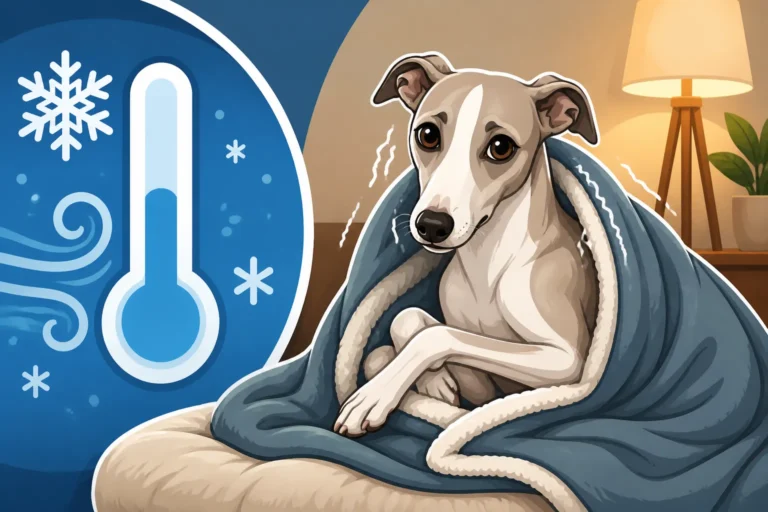
Recognizing when your Whippet is genuinely cold, rather than just being a typical blanket hog, is important. Their subtle cues often speak volumes if you know what to look for. The most obvious sign is shivering. This isn’t always accompanied by chattering teeth; sometimes it’s a subtle tremor that runs through their body, indicating their muscles are working to generate heat. Another common behavior is curling up tightly, tucking their nose under their tail, or burying themselves completely under blankets or cushions. This instinctual action reduces their exposed surface area, helping them retain warmth.
You might also notice a general reluctance to move or a desire to stay under covers for longer periods. If your Whippet, normally eager for a potty break, hesitates at the door or rushes back inside after only a minute or two, the cold is likely a major deterrent. They might also seek out your lap more often than usual, or try to squeeze into the warmest spots in the house, like a sunny window sill or directly in front of a heat vent. Sometimes their ears or paws might feel noticeably cool to the touch. These aren't just quirks; they are genuine indicators that your Whippet is struggling to maintain a comfortable body temperature. Paying attention to these signals can help you determine if additional warmth, like a heated bed, could genuinely improve their well-being, especially for older dogs who might feel the cold more acutely. Telling a Cold Whippet From a Nervous One
Understanding Heated Beds: Types and Benefits
Once you’ve established that your Whippet frequently feels the chill, the idea of a heated bed becomes much more appealing. But "heated bed" isn't a one-size-fits-all term. There's a range of options out there, each with its own mechanism for providing warmth and its own set of advantages and disadvantages.
Different Kinds of Heated Beds Available
When you start looking into heated beds, you'll quickly realize the market offers a surprising variety beyond just a simple electric blanket for dogs. Understanding these options is key to choosing the right fit for your Whippet and your home.
- Electric Heated Pads/Beds: These are perhaps the most common type. They use low-voltage electricity to generate a consistent, gentle warmth. Many come with internal thermostats to regulate temperature and prevent overheating, and some even have timers. You can find simple pads that slip under an existing bed, or full beds with integrated heating elements. These are excellent for consistent, long-term warmth. You'll find a wide selection of these on sites like Chewy and Amazon, offering different sizes and features, like chew-resistant cords or washable covers.
- Self-Warming Mats/Beds: These don't require electricity. Instead, they use special insulating materials, often with a reflective layer, to capture and reflect your dog's own body heat back to them. Think of it like a space blanket for your dog. They are ideal for dogs who might chew on cords, or for areas where an electrical outlet isn't convenient, like in a crate during travel or a drafty corner. While they don't produce active heat, they are surprisingly effective at preventing heat loss and creating a cozy microclimate.
- Microwaveable Heat Discs/Pads: These are typically solid discs or gel packs that you heat in the microwave. They then slowly release warmth for several hours. They're great for targeted, temporary warmth, such as slipping under a blanket for an hour or two, or for use in a carrier. However, they aren't a continuous source of heat and require re-heating. They're also usually smaller, so they might not cover a whole Whippet effectively for all-night comfort.
- Thermo-Reflective Blankets: These are essentially upgraded blankets with a thermal lining designed to reflect body heat. While not a "bed" in themselves, they can be layered on top of or under an existing bed to boost warmth. They are a versatile, non-electric option, perfect for burrowing Whippets who love to nest.
Each type has its place, and your choice will depend on your Whippet's specific habits, the temperature of your home, and your comfort level with electrical products.
The Real Benefits of a Heated Bed for a Whippet
Beyond just being "warm," a heated bed can offer several tangible benefits that contribute to your Whippet's overall comfort, health, and happiness, especially as they get older or during particularly cold spells.
Firstly, unparalleled comfort and improved sleep quality. A consistently warm sleeping surface allows a Whippet to relax fully without their body expending energy to stay warm. Instead of curling into a tight ball, shivering slightly, or constantly burrowing to find a warmer spot, they can stretch out and enter a deeper, more restorative sleep. Think about how much better you sleep when you're perfectly comfortable versus tossing and turning because you're too cold. This deeper rest can lead to a more energetic and content dog during waking hours.
Secondly, for Whippets, particularly those entering their senior years, a heated bed can provide significant relief for arthritic joints and aching muscles. The gentle, consistent warmth can increase blood flow to stiff joints, easing discomfort and promoting flexibility. It’s similar to how a warm compress helps human aches and pains. An older Whippet might find it easier to get up and move around after sleeping on a heated surface, rather than being stiff and slow. This is a huge benefit as they age, helping to maintain their quality of life. Beds That Suit an Arthritic Whippet
Thirdly, it helps in preventing excessive body heat loss, which is a constant battle for Whippets in cold environments. By providing external warmth, their body doesn't have to work as hard to maintain its core temperature. This can be especially important overnight when temperatures drop, or in homes that are kept cooler. It means less shivering, less frantic burrowing, and a more stable internal temperature for your dog. For Whippets recovering from illness or surgery, this controlled warmth can also be incredibly beneficial, aiding recovery by reducing stress on their system.
Finally, a heated bed can offer a dedicated safe haven of warmth. Whippets are creatures of comfort, and knowing they have a reliably warm spot to retreat to can reduce anxiety about being cold. It gives them autonomy to manage their own comfort, choosing their heated bed over a cold floor or drafty corner. This can be particularly reassuring in a larger, cooler home where warm spots aren't always readily available.
Safety Considerations and Responsible Use
While the benefits of a heated bed for a Whippet are clear, it's absolutely crucial to prioritize safety. Introducing any electrical appliance into your pet's environment requires careful thought and adherence to best practices to prevent accidents or discomfort.
Crucial Safety Precautions for Electric Beds
Electric heated beds, while wonderful for warmth, come with potential risks that must be managed responsibly. The number one concern is chewing. Whippets, especially younger ones or those prone to anxiety, might chew on cords. Always opt for beds with chew-resistant cords, or ensure the cord is completely inaccessible. Many quality pet beds, available from retailers like Chewy, come with reinforced cords precisely for this reason. Never leave a dog unsupervised with an electric bed if you suspect they might chew.
Overheating is another serious consideration. A good heated bed will have a low-voltage design and an internal thermostat that prevents it from getting too hot. However, you should still check the temperature regularly, especially when first introducing it. It should feel pleasantly warm to your hand, not hot. Never cover the heating element with thick blankets or place it directly on thick carpeting, as this can trap heat and cause it to overheat. Some beds have automatic shut-off features, which are a fantastic safety addition, turning the unit off after a set number of hours or if it detects an issue.
Placement matters too. Ensure the bed is on a flat, stable surface, away from any flammable materials. Regularly inspect the cord and the bed itself for any signs of damage – fraying, exposed wires, or scorched spots. If you see anything concerning, discontinue use immediately. Finally, consider your home's electrical system. Avoid overloading outlets, and if you're using an extension cord, ensure it's heavy-duty and rated for outdoor use, even if the bed is indoors, for added safety. Never use an electric bed with a dog that is incontinent or prone to accidents, as moisture and electricity are a dangerous combination.
When a Heated Bed Might Not Be Necessary (or Even Harmful)
While a heated bed can be a blessing for many Whippets, it's not a universal solution and might even be counterproductive in certain situations. Understanding these scenarios is part of responsible pet ownership.
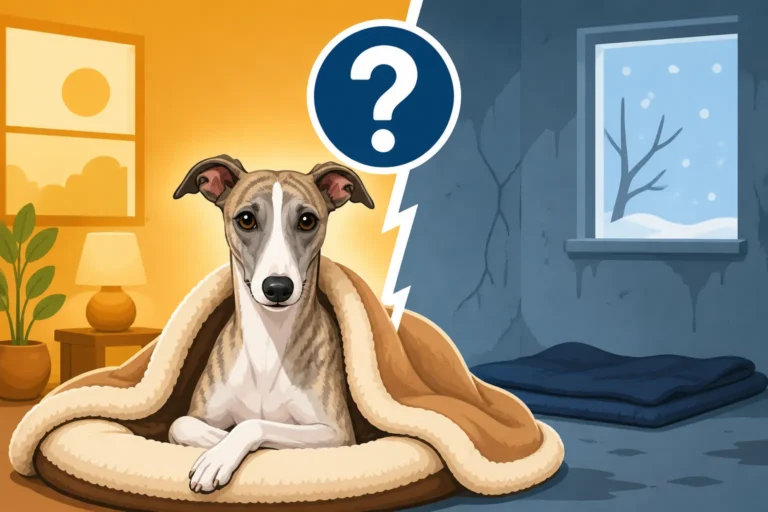
Firstly, consider your home's ambient temperature. If you keep your house consistently warm, say above 70°F (21°C), a heated bed might be overkill. A Whippet can easily overheat if they're too warm, especially if they can't easily move off the heated surface. Signs of overheating include panting, restlessness, and seeking cooler spots. When a Whippet Overheats Under Its Coat In a warm home, a thick, well-padded regular bed or a cozy blanket might be more than sufficient.
Secondly, for very young puppies, heated beds can be risky. Puppies have delicate skin and may not have the instinct to move away from a heat source if it becomes too warm. This could lead to burns. Always consult your vet before using a heated bed with a puppy, and if you do, choose one specifically designed for puppies with extremely low, controlled heat.
Thirdly, certain medical conditions might make a heated bed inadvisable. Dogs with some heart conditions, neurological issues that affect their ability to perceive heat or move, or those on certain medications might be more susceptible to overheating or less able to regulate their own body temperature. Again, a conversation with your veterinarian is essential before introducing a heated bed if your Whippet has any underlying health concerns.
Finally, if your Whippet is a destructive chewer, an electric heated bed, even with a chew-resistant cord, might not be safe. The risk of electrical shock or fire from a damaged cord is too great. In these cases, self-warming beds or other non-electric alternatives are a much safer choice. Sometimes, the added warmth isn't "necessary" but simply a luxury. While we all want to spoil our Whippets, ensuring safety always comes first.
Alternatives and Complementary Warmth Strategies
Even if you decide a dedicated heated bed isn't the right fit, or if you want to offer additional layers of comfort, there are many excellent ways to ensure your Whippet stays toasty warm throughout the colder months. Often, a combination of strategies works best, creating a truly cozy environment.
Layering Up: Coats, Pajamas, and Blankets
One of the simplest yet most effective ways to keep a Whippet warm is through strategic layering of their "wardrobe." Just like we bundle up, they can benefit immensely from appropriate attire, both indoors and out.
For indoor lounging and sleeping, especially if your home gets chilly overnight or if your Whippet is particularly sensitive, fleece pajamas are a game-changer. These soft, lightweight garments cover much of their body, trapping warmth close to their skin without being bulky or restrictive. They’re fantastic for preventing those subtle shivers that happen even indoors. Brands found on Amazon or Chewy often have designs specifically tailored for sighthounds, accommodating their deep chests and slender waists. Whether a Whippet Needs Pajamas for Sleeping
When it's time to venture outside for potty breaks or walks, a good winter coat is non-negotiable for a Whippet. Look for coats that cover the chest and belly well, as these are critical areas for heat loss. Water-resistant or waterproof outer layers are excellent for damp or snowy conditions. For extremely cold days, a two-layer approach can be best: a fleece sweater underneath a more robust, insulated outer coat. This layering traps more air, providing superior insulation. The Wardrobe a Whippet Needs Because It Has No Body Fat How Many Sweaters a Whippet Owner Ends Up With Always ensure coats fit snugly but allow full range of motion, and that they don't rub or chafe their delicate skin.
And then there are blankets. Oh, how Whippets adore blankets! Providing a generous supply of soft, warm blankets in all their favorite resting spots allows them to indulge their natural burrowing instinct. Fleece throws, faux fur blankets, or even old duvets can become their personal nesting materials. They'll knead them, rearrange them, and disappear into them with great satisfaction, creating their own self-regulated warm cocoon. The beauty of blankets is that your Whippet can add or subtract layers of warmth as needed, making them an excellent, safe, and natural alternative or complement to a heated bed.
Strategic Bedding and Home Environment Management
Beyond what your Whippet wears, how you set up their immediate environment can significantly impact their comfort levels, ensuring they have warm, inviting spaces to rest without necessarily needing an electric heated bed.
The foundation of warmth starts with excellent regular bedding. A thick, well-padded dog bed is essential. Whippets don't have much natural padding, so they need beds that offer ample cushioning to protect their bony joints and provide insulation from cold floors. Memory foam or orthopedic beds are fantastic choices, especially for older Whippets. Place these beds off the direct floor if possible, perhaps on a raised platform or in a dog-friendly basket, to minimize contact with cold drafts (see Whether a Whippet Needs a Heated Pad). Having multiple beds or cozy spots throughout the house ensures they can always find comfort, no matter which room you’re in.
Managing drafts is another crucial step. Even in a warm house, cold air seeping in from under doors or around windows can make a Whippet shiver. Use draft stoppers for exterior doors, ensure windows are properly sealed, and consider heavy curtains for added insulation. Whippets often seek out walls or furniture to lean against, so placing their beds in sheltered corners can help reduce exposure to circulating cold air.
Strategic placement of rugs can also make a difference. Hardwood, tile, or laminate floors can get very cold in winter, especially if there's an unheated basement underneath. Placing soft, thick rugs or carpet runners in high-traffic areas or where your Whippet likes to lounge provides a warmer surface for their paws and bodies.
Finally, consider the overall heating strategy of your home. If you keep your thermostat lower at night, a regular, plush bed piled with blankets might be enough for a younger, healthy Whippet. For an older Whippet or one that seems constantly cold, slightly adjusting your home's thermostat upwards by a degree or two, especially in the areas they frequent most, can provide baseline comfort that reduces the need for constant supplemental heat. The goal is to create an environment where your Whippet feels naturally comfortable and secure, not just tolerating the cold.
Here’s a quick comparison of different warming methods for your Whippet:
| Method | Pros | Cons | Best For |
|---|---|---|---|
| Electric Heated Bed | Consistent, active warmth; therapeutic for joints | Requires electricity; potential chewing hazard; overheating risk | Older Whippets, arthritic dogs, very cold homes, consistent warmth needs |
| Self-Warming Mat | No electricity needed; safe for chewers; portable | Relies on dog's body heat; less active warmth | Any Whippet, travel, crates, areas without power, mild chill |
| Microwaveable Disc | Quick, targeted heat; portable | Temporary warmth; needs re-heating; smaller coverage | Short-term warmth, specific body parts, temporary comfort |
| Fleece Pajamas | Covers entire body; non-restrictive; natural movement | Requires wearing clothing; needs washing | Indoor lounging, sleeping, extra layer under coats |
| Insulated Coat | Essential for outdoor warmth; protects against elements | Only for outdoors; may restrict movement if ill-fitting | Walks, potty breaks in cold weather, wet conditions |
| Plenty of Blankets | Allows burrowing; adjustable warmth; cost-effective | Can get tangled; needs washing; no active heat | Any Whippet, nesting instinct, self-regulating warmth |
| Thick Dog Bed | Insulates from floor; cushions joints; foundational | No active heat; only works where placed | All Whippets, essential comfort, base for other warming methods |
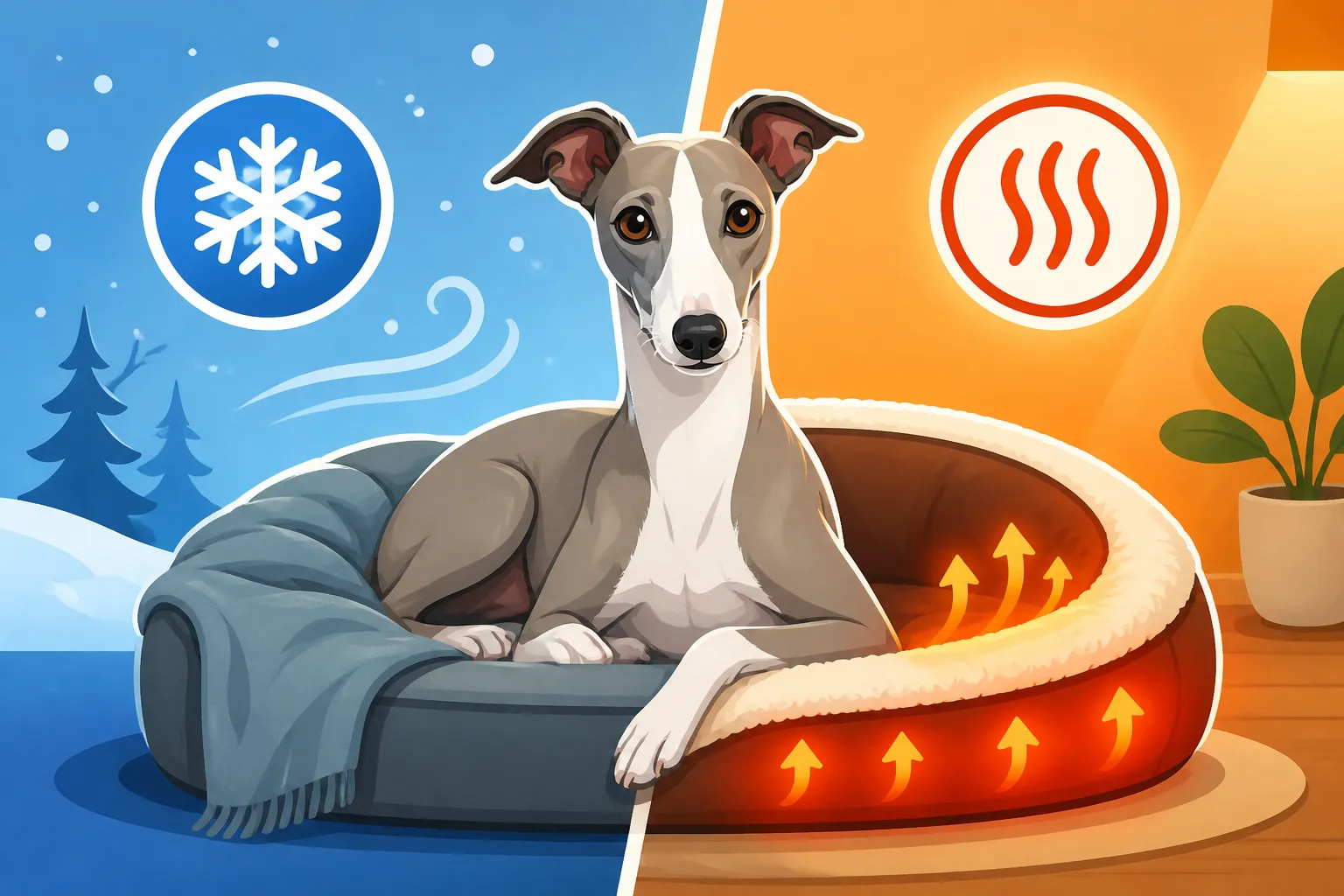
Ultimately, whether your Whippet "needs" a heated bed in winter comes down to a combination of factors: your dog's individual sensitivity to cold, their age, any health conditions, and the actual temperature of your home. While not every Whippet requires one, a heated bed can certainly be a wonderful luxury and a genuine source of comfort, especially for older or more delicate individuals. If you choose to invest in one, prioritizing safety through careful product selection and vigilant use is paramount. Otherwise, a thoughtful combination of cozy coats, snuggly pajamas, and ample, warm bedding can create a perfectly comfortable winter haven for your beloved companion.
Disclaimer
This article is for general informational purposes only and does not constitute professional advice. Laws, prices and regulations vary by location and change over time. Consult a qualified professional for guidance on your specific situation.