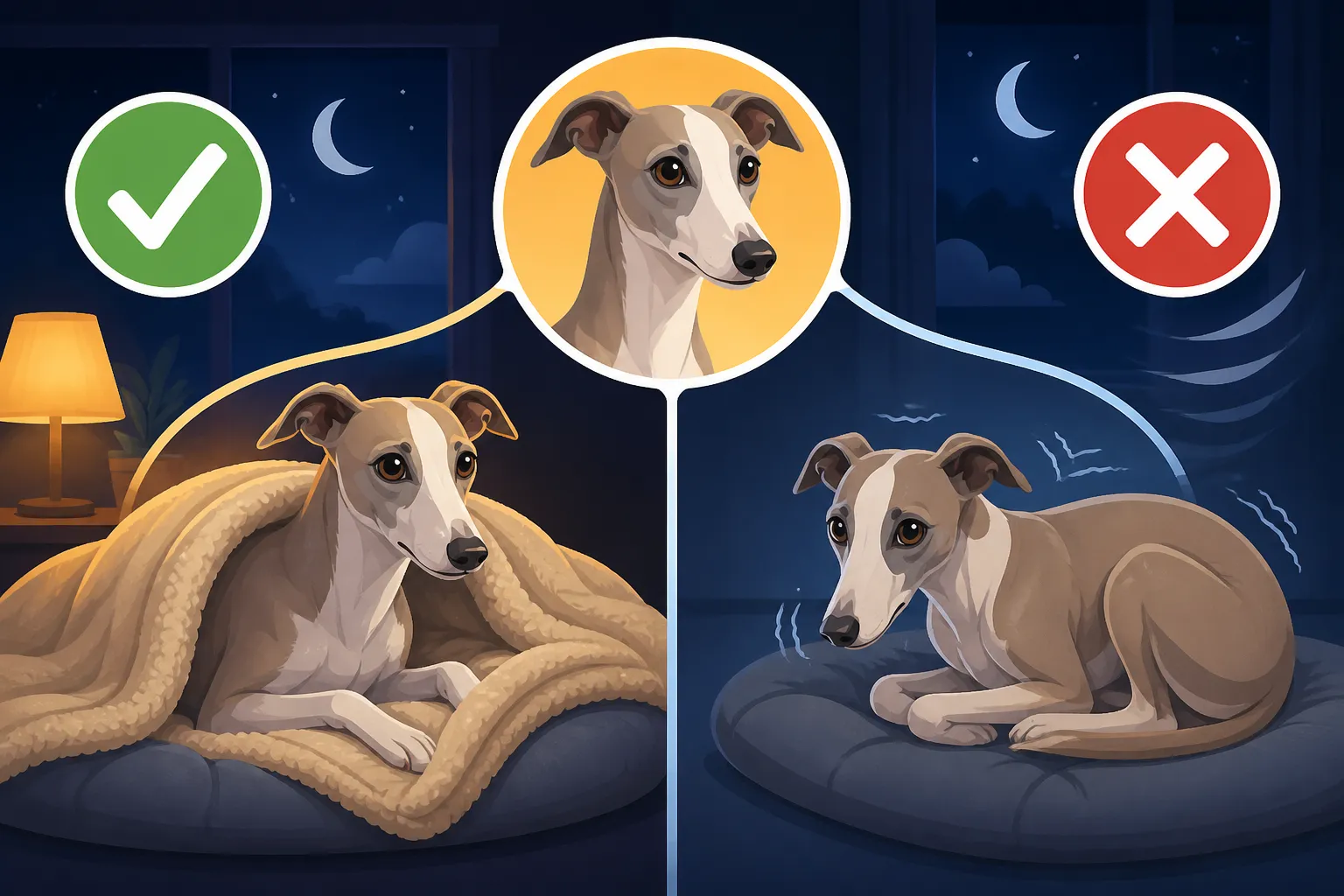
Whether a Whippet Should Be Covered at Night
It's a common sight for us Whippet owners, isn't it? Peeking into the living room late at night, only to find our sleek, elegant hounds shivering ever so slightly, or perhaps burrowed deep under every available throw pillow, nose tucked firmly away. The question invariably pops into our heads: should my Whippet be covered at night? We know they feel the cold easily, given their unique physiology, but how much is too much, and what's the best way to keep them cozy without making them uncomfortable or even unsafe? This guide is going to dive deep into exactly that, helping you understand your Whippet's unique needs when the lights go out, and how best to ensure they get a truly restorative night's sleep.
Why Whippets Are Particularly Susceptible to the Cold at Night
Whippets are undeniably beautiful, lithe creatures, built for speed and grace. But these very characteristics, which make them so captivating, also make them surprisingly vulnerable to the cold, especially when they're resting or sleeping. It's not just a preference; it's a physiological reality that we, as their guardians, need to understand and accommodate.
The Biological Realities: Lack of Body Fat and Thin Skin
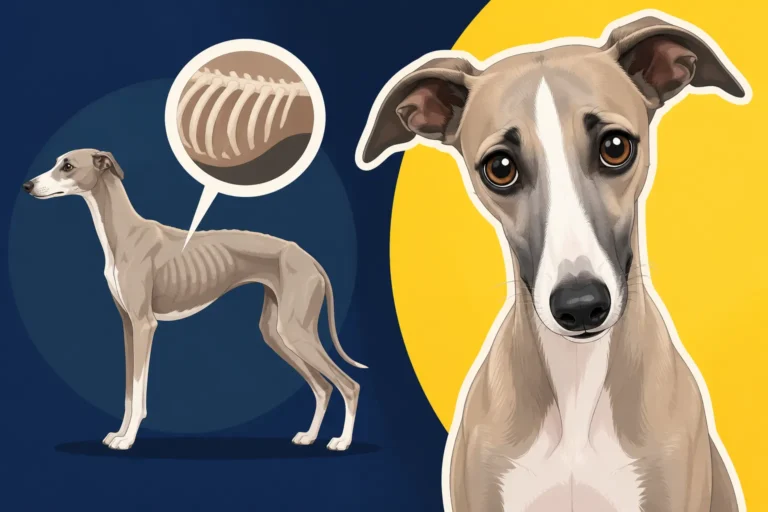
Unlike many other breeds, Whippets boast an incredibly low body fat percentage. They are literally built for athletic performance, and that means minimal insulation. Imagine trying to stay warm on a chilly evening with barely any natural padding – that's your Whippet's daily reality. Their skin is also remarkably thin and delicate, offering little protection against cool air, drafts, or even just the ambient drop in temperature that happens after sunset. This isn't just about shivering; prolonged exposure to cold can lead to discomfort, disrupted sleep cycles, and generally make them feel quite miserable. They simply don't have the natural defenses that a Malamute or even a Labrador would possess. A Whippet Has No Insulation and No Padding truly describes their situation perfectly.
Furthermore, their short, fine coat does little to trap heat. It's fantastic for dissipating heat during a strenuous sprint, but it's a significant disadvantage when the goal is to conserve warmth. When your Whippet curls into a tight ball, it's not just a cute sleeping position; it's an instinctive attempt to minimize exposed surface area and hold onto precious body heat. This natural inclination to bundle up is a clear signal from your dog about their internal temperature regulation needs.
The Impact of Indoor Temperatures and Drafts
Even if your home feels perfectly comfortable to you, it might not be for your Whippet. Our perception of "warm" is very different from theirs, especially when they're inactive. A house kept at a standard 70 degrees Fahrenheit might feel quite chilly to a sleeping Whippet when they're not generating their own heat through activity. Think about how you feel when you sit still for an hour in a room that's usually fine when you're moving around – now amplify that for a creature with less insulation.
Beyond ambient temperature, drafts can be a significant issue. Whippets often seek out sunbeams during the day or snuggle into tight spaces. At night, a draft from a poorly sealed window, a gap under a door, or even just the movement of air conditioning can quickly rob them of warmth. These subtle, often imperceptible (to us) shifts in air movement can be enough to make a Whippet feel distinctly uncomfortable. This is why you often find them burrowed deep into soft bedding or trying to get under blankets, even during what you might consider mild weather. The Temperature at Which a Whippet Needs a Coat is something we often think about for outdoor excursions, but it applies indoors too.
Recognizing the Signs: Is Your Whippet Actually Cold When Sleeping?
Sometimes, we project our own need for warmth onto our pets. Other times, we might overlook subtle cues that our Whippets are indeed feeling the chill. Learning to read your Whippet's body language and understanding their specific needs is crucial for their comfort and well-being. They can't just tell us they're cold, after all!
Subtle Indicators Beyond Shivering
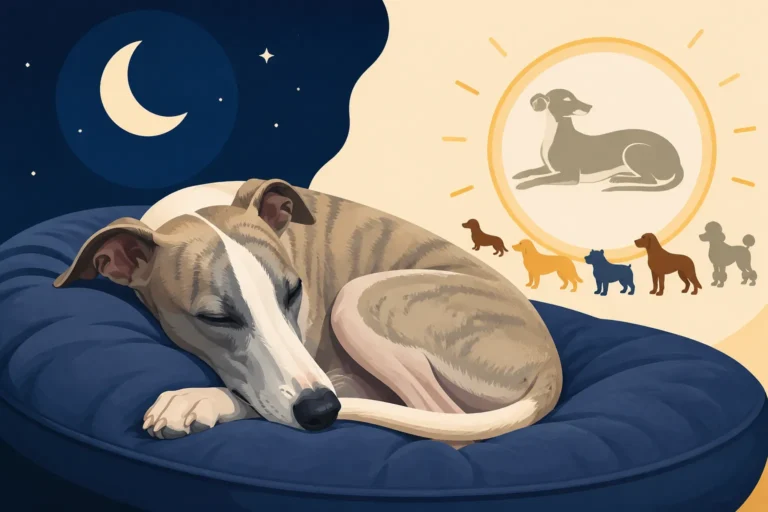
While obvious shivering is a clear sign, Whippets often exhibit more subtle indicators that they are feeling cold at night. One of the most common is the "donut" curl – a tightly curled sleeping position where they tuck their nose under their tail, minimizing exposed surface area. This is a primary heat-conserving posture. If your Whippet consistently sleeps in this ultra-tight ball, even when other options are available, it's a good bet they're trying to stay warm. Compare this to a Whippet sprawled out on their back with all four legs in the air, a position they adopt when they're comfortably warm and trying to cool down.
Another sign can be restless sleep. If your Whippet is shifting frequently, getting up and relocating, or nudging you for attention more than usual, they might be struggling to find a warm, comfortable spot. You might also notice their ears or paws feel cool to the touch, or that their breathing seems a little more shallow or rapid as their body works harder to maintain core temperature. Furthermore, their nose might feel excessively cold and dry. Paying close attention to these smaller cues can help you determine if your Whippet needs an extra layer of warmth. Why a Whippet Shivers Indoors often points to these internal temperature struggles.
The Myth of the "Hardy" Whippet in the House
There's a common misconception, sometimes even among sighthound owners, that because Whippets are athletic and seemingly robust, they must be fine with cooler indoor temperatures. This couldn't be further from the truth. Their athleticism is for short bursts of speed, not for enduring cold. Their thin build makes them excellent sprinters, but poor insulators. Thinking that a Whippet, just because it’s a dog, can handle the same conditions as a Golden Retriever or a Shepherd is a disservice to their unique biology.
Many new Whippet owners are surprised by how much their dogs seek out warmth. They'll burrow under blankets on the sofa, seek out sun puddles, or try to squeeze onto your lap even when you feel warm. This isn't just about wanting to be close to you; it's often a genuine quest for a heat source. Disregarding these behaviors as mere "spoiling" misses the fundamental physiological need. Their lean bodies simply don't retain heat efficiently, making them much more sensitive to environmental changes than many other breeds.
The Undeniable Benefits of Providing Nighttime Covers
Given their natural susceptibility to cold, it becomes quite clear that providing your Whippet with proper nighttime covers isn't just a luxury; it’s a fundamental aspect of their care that contributes significantly to their overall health and happiness.
Promoting Deeper Sleep and Reducing Anxiety
Imagine trying to sleep when you’re constantly a little bit cold. You’d toss and turn, struggle to relax, and likely wake up feeling unrested. The same applies to your Whippet. A warm, cozy environment allows them to fully relax their muscles, settle into a deeper state of sleep, and achieve true rest. This deep, uninterrupted sleep is crucial for their physical recovery, mental well-being, and overall immune function. When they are constantly slightly cold, their body is expending energy to stay warm, which interferes with the restorative processes of sleep.
Moreover, being able to burrow under a blanket often provides a sense of security and reduces anxiety. Many dogs, and sighthounds in particular, have a natural denning instinct. A blanket creates a soft, enclosed, and warm space that mimics a den, offering comfort and a feeling of safety. This can be especially beneficial for Whippets who might be naturally a bit shy or prone to being easily startled. Knowing they have a warm, secure spot can make a huge difference in their nighttime comfort. Whether a Whippet Should Sleep Under a Blanket isn't just about temperature; it's about comfort and security.
Preventing Pressure Sores and Joint Stiffness
Whippets, with their minimal body fat, are prone to developing pressure sores, especially on bony prominences like elbows, hocks, and hips, if they consistently sleep on hard or insufficiently padded surfaces. When they are cold, they might avoid stretching out, preferring to curl up tightly on a thin bed, which concentrates pressure on these points. A soft, warm blanket adds an extra layer of cushioning, distributing their weight more evenly and reducing the risk of these painful sores. The Pressure Sores a Whippet Gets From Sleeping on the Floor are a real concern for their long-term health.
Additionally, consistent cold can exacerbate joint stiffness, particularly as a Whippet ages. Just like humans, cold muscles and joints can become achy and less flexible. Keeping them warm at night helps maintain joint mobility and can reduce discomfort, contributing to better overall quality of life, especially for senior Whippets. This warmth can also aid in muscle recovery after a day of running or playing, ensuring they wake up feeling refreshed and ready for their next adventure. Caring for an Old Whippet That Feels the Cold often involves ensuring ample warmth at night.
Choosing the Best Blankets and Bedding for Nighttime Warmth
So, you're convinced your Whippet needs to be covered at night – fantastic! But what kind of covers are best? Not all blankets are created equal, and there are a few important considerations to ensure maximum comfort and safety for your delicate hound.
Material Matters: Fleece, Minky, and Thermal Options
When it comes to choosing blankets for your Whippet, soft, breathable, and warm materials are key. Fleece is a perennial favorite for good reason: it's incredibly soft, lightweight, and excellent at trapping body heat. It's also relatively inexpensive and washes well, which is a huge bonus for any pet owner. You can find a vast array of fleece blankets, often specifically designed for pets, on platforms like Chewy, offering both comfort and durability.
Minky fabric, known for its super-soft, velvety texture, is another excellent choice. It provides a luxurious feel and similar warmth to fleece, often with a slightly more plush pile. For colder climates or particularly sensitive Whippets, consider thermal blankets or those with specialized insulating properties. Some blankets are even designed with a faux sheepskin or sherpa lining, which offers superior warmth and softness. Regardless of the specific material, ensure it's easy to clean, as accidents happen, and a fresh, clean blanket is always more inviting.
Layering and Creating a Cozy Den
Often, one blanket isn't quite enough to satisfy a dedicated burrower, especially if they kick it off during the night. The art of layering can be incredibly effective. Start with a soft, thick bed as the base. Why a Whippet Cannot Sleep on a Hard Floor emphasizes the need for proper bedding. Then, provide several smaller, lighter blankets rather than one heavy one. This allows your Whippet to arrange them to their liking, creating their own personalized den. They can push them around, tunnel into them, and construct the perfect warm hideaway.
You can also consider dog pajamas, especially for very cold nights or for Whippets who just can't seem to keep a blanket on. Whether a Whippet Needs Pajamas for Sleeping is a question many owners ponder, and for some, it's a great solution. Layering a soft pair of pajamas with a couple of fleece blankets provides maximum warmth and security. Placing their bed in a quieter, draft-free corner of a room, perhaps even with a small soft-sided crate or a partially enclosed bed, can enhance that den-like feel, making them feel even more secure and allowing them to retain warmth more effectively.
Safety Considerations: Avoiding Overheating and Entanglement
While warmth is essential, it's equally important to consider safety. Whippets can overheat, especially if they are overly bundled in a very warm house. Always ensure they have the option to move out from under blankets if they get too warm. Lightweight, breathable fabrics help prevent excessive heat retention. If your Whippet starts panting or seems restless and tries to escape the covers, they might be too hot. It's about finding that comfortable balance.
Another consideration is entanglement. Avoid blankets with loose threads, tassels, or small decorations that could be chewed off or become a choking hazard. Choose blankets that are appropriately sized for your Whippet; too large and they might get tangled, too small and they won't offer adequate coverage. While tempting, be cautious with electric heated blankets designed for humans, as these can pose a burn risk or an electrical hazard if chewed. If you're considering a heated option, always opt for a pet-specific heated pad designed with safety features. Many excellent, safe options for pet bedding are available from online retailers like Amazon, so you can easily compare features and reviews. These are usually low-voltage and designed to warm to a safe, therapeutic temperature.
Disclaimer
This article is for general informational purposes only and does not constitute professional advice. Laws, prices and regulations vary by location and change over time. Consult a qualified professional for guidance on your specific situation.