The Bloodwork Numbers That Look Wrong on a Healthy Whippet
It’s a terrifying moment for any dog owner: you get a call from the vet after your Whippet’s routine bloodwork, and they tell you some numbers look “off.” Your heart sinks, imagining all sorts of dreadful scenarios. But here’s the thing many general practice vets, through no fault of their own, might not immediately recognize: a healthy Whippet’s bloodwork often looks quite different from what’s considered “normal” for other dog breeds. This comprehensive guide will walk you through these unique physiological quirks, helping you understand why your Whippet’s seemingly abnormal results are likely perfectly fine and when you truly need to be concerned.
Understanding Your Whippet's Unique Physiology
Our lean, muscled, and lightning-fast Whippets are truly special, and their internal workings reflect their unique build and heritage as sighthounds. This isn't just about their elegant appearance; it extends right down to their cellular level, influencing everything from their metabolism to their blood composition. When a vet trained on general canine physiology looks at a Whippet's blood panel, it's easy for them to flag results that, while unusual for a Labrador, are perfectly within the healthy range for a sighthound.
Why Whippets Aren't Like "Normal" Dogs
Imagine an Olympic sprinter compared to an average person. Their body composition, muscle mass, and even their resting heart rate are optimized for performance. Whippets are the canine equivalent of these finely tuned athletes. They were bred for explosive speed and endurance over short distances, demanding a physiology that maximizes oxygen delivery and efficient energy use. Standard reference ranges for bloodwork are typically established using a broad population of various dog breeds, often including a higher proportion of non-sighthounds. These "normal" ranges don't always account for the specific adaptations of a sighthound like a Whippet. For instance, their higher red blood cell count allows for superior oxygen transport, crucial for those incredible bursts of speed. Their lean body mass also means different metabolic byproducts can show up differently on tests designed for a heavier-boned, more adipose-covered dog. It's a fundamental difference, much like comparing the bloodwork of a human marathon runner to someone leading a more sedentary life; both can be perfectly healthy, but their internal metrics might show variances.
The Importance of a Sighthound-Savvy Vet
Given these distinct physiological differences, one of the most crucial things you can do as a Whippet owner is to find a veterinarian who has experience with sighthounds. A vet who regularly treats Greyhounds, Italian Greyhounds, or other Whippets will be familiar with these common bloodwork anomalies and won't immediately jump to conclusions about disease. Without this specialized knowledge, a well-meaning vet might misinterpret your Whippet’s healthy results as signs of illness, leading to unnecessary and potentially harmful diagnostic tests, medications, or even stress for both you and your dog.
Think about it: if your vet sees a low thyroid reading and immediately prescribes medication, your healthy Whippet could end up on lifelong drugs for a condition it doesn’t have, potentially leading to other health issues. Or if they misinterpret a high creatinine, they might embark on expensive kidney workups. A vet familiar with sighthound medicine understands that these "abnormal" numbers are often normal for the breed and will instead focus on the full clinical picture: Is your Whippet acting sick? Are there other symptoms? What does their overall health assessment tell us? They'll use breed-specific reference ranges where available or apply their knowledge to interpret results appropriately. Don't be afraid to ask potential vets about their experience with sighthounds; it could make a world of difference in your Whippet's care. If your current vet is unsure, you can also offer to provide them with resources or even seek a second opinion from a sighthound specialist.
Red Blood Cell Count and Packed Cell Volume
When your Whippet's bloodwork comes back, two of the first things a vet will look at are the Red Blood Cell (RBC) count and the Packed Cell Volume (PCV), also known as hematocrit. These measurements tell us how many red blood cells are circulating in your dog's blood, which are vital for carrying oxygen throughout the body. For most dog breeds, there's a fairly standard range that indicates health. But for Whippets, these numbers usually trend higher, and it's completely normal.
Why a Whippet's Red Cell Count Runs High
Imagine your Whippet tearing across a field, reaching speeds of up to 35 miles per hour. That kind of explosive athletic performance demands an incredibly efficient oxygen delivery system. This is where their higher red blood cell count comes in. Whippets, like other sighthounds, naturally have more red blood cells and thus a higher PCV than many other breeds. This physiological adaptation allows their blood to carry more oxygen per unit volume, directly supporting their powerful muscles and high-energy demands during sprints. It's essentially a natural doping mechanism built right into their genetics, giving them an advantage for intense, short bursts of activity.
Typically, a "normal" PCV for a general dog population might be somewhere between 37% and 55%. For a Whippet, however, it's not uncommon to see readings that push the upper limits of, or even slightly exceed, these standard ranges, perhaps up to 60% or even a bit higher, without any cause for alarm. Their bodies are simply more efficient at oxygen transport. This is a common reason why Why a Whippet's Red Cell Count Runs High is often noted by sighthound experts. This higher baseline is just part of what makes them such incredible athletes.
When a High PCV Isn't Normal
While a higher PCV is often normal for a Whippet, it's not a blanket pass. There are indeed situations where an elevated PCV can signal a problem. The most common cause of a pathologically high PCV, even in a Whippet, is dehydration. If your Whippet hasn't been drinking enough, or if they've been vomiting or experiencing diarrhea, the fluid portion of their blood (plasma) decreases, making the red blood cells appear more concentrated. In such cases, the high PCV isn't due to an increased number of red blood cells, but rather a reduced volume of fluid, creating a deceptively high ratio.
Other, more serious causes for a truly elevated red blood cell count (known as polycythemia) can include certain types of bone marrow disorders or conditions that lead to chronic low oxygen, which then stimulates the body to produce more red blood cells. However, these are far less common than simple dehydration.
To differentiate between a normal, healthy high PCV in a well-hydrated Whippet and one that's indicative of an underlying issue, your vet will look at the whole picture. They'll assess your Whippet's hydration status through physical examination (checking skin turgor, mucous membranes), look at other bloodwork parameters, and consider any clinical signs your dog might be showing. If your Whippet is bright, alert, well-hydrated, and has no other symptoms of illness, a slightly elevated PCV is usually nothing to worry about. If you're ever concerned about your Whippet's health, particularly if they're showing signs of dehydration or lethargy, it's always best to consult with your veterinarian promptly.
Thyroid Hormone Levels
One of the most frequently misunderstood bloodwork results for Whippets involves their thyroid hormone levels. Many Whippet owners, upon receiving routine bloodwork, are told their dog has “low thyroid” or “subclinical hypothyroidism.” This can be incredibly worrying, leading to discussions about lifelong medication. However, for many sighthounds, these readings are actually their normal baseline.
Why a Whippet's Thyroid Reading Runs Low
Whippets, along with other sighthound breeds like Greyhounds and Salukis, often have naturally lower baseline thyroid hormone levels (specifically T4 and sometimes T3) compared to the general canine population. This isn't a sign of disease; it's simply how their metabolism works. The exact physiological reason isn't fully understood, but it's believed to be a breed-specific adaptation. Their lean body mass and efficient metabolism might mean they simply don't require the same level of thyroid hormones as a heavier, less athletic breed.
When a veterinarian who isn't familiar with sighthound physiology uses standard reference ranges, these lower T4 readings will often fall below the "normal" threshold, triggering a concern for hypothyroidism. This can lead to anxiety for owners and potentially unnecessary treatments. It's a classic example of why Whether a Whippet Needs a Vet Who Knows Sighthounds is such a critical consideration. Many vets are now aware of this sighthound quirk, but it's still something to be mindful of.
The Dangers of Unnecessary Thyroid Medication
Treating a healthy Whippet with supplemental thyroid hormone (levothyroxine) when they don't actually have hypothyroidism can lead to a host of problems. Over-medication, or treating a dog that doesn't need it, can result in hyperthyroidism, which is far more serious than the perceived "low" thyroid. Symptoms of hyperthyroidism can include increased thirst and urination, weight loss despite increased appetite, restlessness, panting, and even heart problems. Imagine giving your dog medication every day, only to discover it's making them sick rather than helping them.
Beyond the physical risks, there’s the financial burden. Thyroid medication is a lifelong commitment, and while it might not be the most expensive drug, it adds up over the years. Plus, there are the costs of regular follow-up blood tests to monitor levels, which can also become a significant expense. The emotional toll of worrying about a chronic condition that isn't truly there can also be substantial for owners. It's truly a situation where doing nothing is often the best course of action.
When to Be Concerned About Low Thyroid
While a low T4 reading in a Whippet often isn't a cause for concern, it's absolutely crucial to understand that Whippets can genuinely develop hypothyroidism, just like any other breed. The key is to look beyond just the numbers on a blood test and consider the whole clinical picture. True hypothyroidism in dogs typically presents with a range of symptoms that are fairly consistent across breeds.
These symptoms might include:
- Lethargy and decreased activity: Your once energetic Whippet might seem unusually tired or unwilling to play.
- Weight gain: This can be tricky with lean Whippets, but if your dog is packing on pounds despite no change in diet or exercise, it's a red flag.
- Hair loss or poor coat quality: Thinning fur, especially on the flanks, or a dull, dry, brittle coat that doesn't shed normally can be a sign.
- Skin problems: Recurrent skin infections, scaling, or hyperpigmentation.
- Cold intolerance: Your Whippet might seem excessively cold even indoors, shivering more than usual.
- Mental dullness: A change in temperament, such as becoming less alert or responsive.
If your Whippet is showing one or more of these clinical signs in addition to having low thyroid bloodwork, then further investigation is warranted. This might include a full thyroid panel, which includes free T4 (fT4) by equilibrium dialysis and TSH (Thyroid Stimulating Hormone). TSH levels are particularly important because in true hypothyroidism, the pituitary gland tries to stimulate the thyroid, so TSH would typically be elevated while T4 is low. A specialist might even recommend a therapeutic trial of thyroid medication under close supervision. However, if your Whippet is otherwise healthy, active, and has a good coat and body condition, a low T4 by itself should generally not be a cause for alarm or immediate treatment. This is where understanding The Hypothyroidism a Whippet Does Not Have becomes vital.
Creatinine and Kidney Function
Kidney health is a major concern for any dog owner, and rightly so. When certain markers in bloodwork indicate potential kidney issues, it's natural to panic. Creatinine is one of those markers, and when it shows up higher than "normal" in a Whippet's blood panel, it can lead to unnecessary alarm.
Why a Whippet's Creatinine Runs High
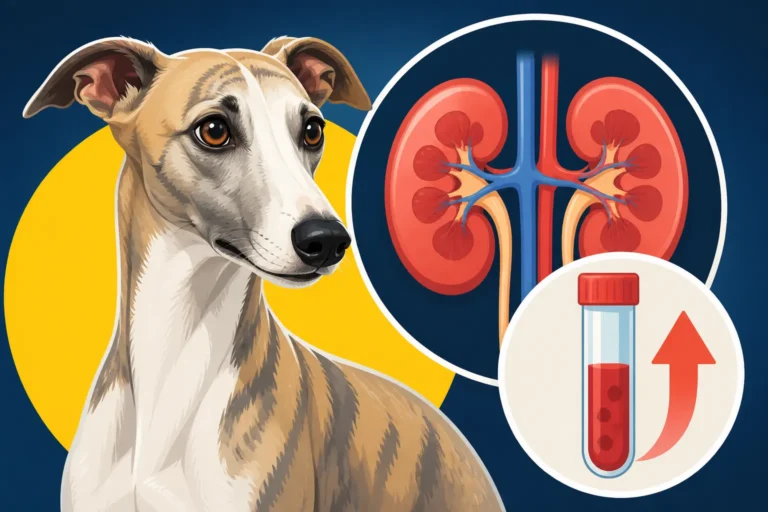
Creatinine is a waste product generated by muscle metabolism. It's normally filtered out of the blood by the kidneys. In most dogs, creatinine levels are used as an indicator of kidney function; if they're high, it suggests the kidneys aren't filtering waste effectively. However, Whippets are incredibly lean and muscular animals. Their bodies naturally produce more creatinine simply because they have a higher proportion of muscle mass compared to fat and bone. More muscle equals more creatinine production.
Because of this, a Whippet's "normal" creatinine level will often be higher than the standard reference range developed for the average dog breed. It's not uncommon for a healthy, well-hydrated Whippet to have creatinine readings that might be flagged as slightly elevated on a standard lab report. This is merely a reflection of their athletic build, not necessarily a sign of failing kidneys. Understanding Why a Whippet's Creatinine Runs High is key to avoiding misdiagnosis.
Differentiating Normal High Creatinine from Kidney Disease
So, how do you tell if your Whippet's high creatinine is just a breed quirk or if it's genuinely indicative of kidney disease? This is where your veterinarian's expertise, and a comprehensive approach to diagnostics, becomes essential. A truly elevated creatinine due to kidney disease will usually be accompanied by other changes in the bloodwork and urinalysis, as well as clinical signs.
Here’s what a sighthound-savvy vet will consider:
- Blood Urea Nitrogen (BUN): BUN is another kidney waste product. If both BUN and creatinine are elevated, and especially if the BUN:creatinine ratio is also abnormal, it strengthens the suspicion of kidney dysfunction.
- Symmetric Dimethylarginine (SDMA): SDMA is a newer, more sensitive marker for kidney function. It often elevates earlier than creatinine in cases of kidney disease. If creatinine is high but SDMA is normal, it points more towards a muscle-related creatinine elevation.
- Urinalysis: This is a crucial test. Healthy kidneys produce concentrated urine. If your Whippet's urine is dilute (low specific gravity) while their creatinine is elevated, it's a stronger indicator of kidney disease. Your vet will also look for protein in the urine, which can be a sign of kidney damage.
- Hydration Status: Dehydration can temporarily elevate creatinine levels, so your vet will assess if your Whippet is properly hydrated.
- Clinical Signs: Most importantly, how is your Whippet acting? Symptoms of kidney disease include increased thirst (polydipsia), increased urination (polyuria), lethargy, decreased appetite, vomiting, and weight loss. If your Whippet is otherwise bright, active, and eating well, a slightly high creatinine with normal BUN, SDMA, and concentrated urine is likely just their normal baseline.
It’s about looking at the entire puzzle, not just one piece. If your vet is only focusing on the creatinine number without considering these other factors, it’s worth asking questions or seeking a second opinion. Remember, your Whippet’s unique physique means their "normal" isn't always the standard "normal."
Platelet Count Anomalies
Platelets are tiny blood cells that play a crucial role in clotting and stopping bleeding. When their numbers are too low, it can indicate a risk of excessive bleeding, which is a serious concern. However, for many Whippets, a platelet count that might be flagged as slightly low in other breeds is often just their normal.
Why a Whippet's Platelet Count Runs Low
It's a phenomenon that has puzzled many a veterinarian, but it's now widely recognized among sighthound enthusiasts and specialists: Whippets, along with Greyhounds and other sighthounds, frequently have platelet counts that are lower than the standard reference ranges for the general canine population. While "normal" might be considered 175,000-500,000 platelets per microliter for most dogs, it's not at all unusual to see a healthy Whippet with a count in the 100,000-150,000 range, or even occasionally a bit lower. This condition is often referred to as "sighthound thrombocytopenia," which just means low platelet count in sighthounds.
The exact physiological reason for this breed-specific difference isn't fully understood. Some theories suggest it might be related to differences in platelet size, how platelets are stored in the spleen, or simply a genetic predisposition that doesn't impact their ability to clot normally. What we do know is that for the vast majority of Whippets, these lower numbers do not lead to any clinical problems with bleeding or clotting. It's just another one of those unique sighthound quirks that makes them, well, them. This is directly related to Why a Whippet's Platelet Count Runs Low and it's a topic that frequently comes up in discussions about Whippet health.
Assessing Bleeding Risk with Low Platelets
The critical question, of course, is whether your Whippet's low platelet count poses a real risk of bleeding. The good news is that for most Whippets with this breed-specific thrombocytopenia, the answer is no. Their platelets, even if fewer in number, are typically functional and capable of forming clots when needed. Many sighthounds undergo surgeries, dental procedures, and suffer the occasional skin tear without any unusual bleeding issues, even with these lower baseline platelet counts.
However, a low platelet count should never be completely ignored, especially if it's significantly below the typical sighthound range or if your Whippet is showing any signs of a bleeding disorder. Your vet will look for several things to determine if the low platelet count is merely a sighthound trait or if it signals a more serious problem:
- Clinical Signs of Bleeding: Is your Whippet bruising easily? Do they have nosebleeds, blood in their urine or stool, or pinpoint hemorrhages (petechiae) on their gums or skin? These would be definite red flags, regardless of breed.
- Other Bloodwork Parameters: Are other blood cells (red blood cells, white blood cells) also affected? A more generalized bone marrow problem could impact all cell lines.
- Platelet Morphology: Sometimes, a manual review of the blood smear by a veterinary pathologist can reveal if the platelets are unusually large (which can sometimes artificially lower automated counts) or if there are other abnormal cell types present.
- History: Has your Whippet recently been on any medications that could affect platelets? Have they been exposed to any toxins?
In the absence of any clinical signs of bleeding, and with a platelet count that falls within the expected lower range for a sighthound (e.g., above 80,000-100,000), most vets experienced with Whippets will simply note it as a breed characteristic and not recommend further diagnostics or treatment. However, if the count is extremely low (e.g., below 50,000) or if your Whippet is exhibiting any bleeding symptoms, further investigation to rule out immune-mediated thrombocytopenia, tick-borne diseases, or other serious conditions would be absolutely necessary. Always communicate any concerns about bleeding or unusual bruising with your vet, even if you know your Whippet typically has lower platelets.
Liver Enzyme Variations
Liver enzymes are another set of values in a blood panel that often cause concern when they appear outside the "normal" range. These enzymes, such as Alanine Aminotransferase (ALT) and Alkaline Phosphatase (ALP), are released into the bloodstream when liver cells are damaged or when there's an issue with bile flow. While significant elevations are always a red flag, subtle variations in Whippets might not always mean what you think.
Unique Liver Enzyme Profiles in Whippets
Just like with other bloodwork parameters, some sighthounds, including Whippets, can exhibit slight differences in their baseline liver enzyme levels compared to the general canine population. While not as consistently pronounced or well-documented as the high red blood cell counts or low thyroid and platelet levels, it's not unheard of for a healthy Whippet to have ALT or ALP readings that are just slightly above the standard reference range without any underlying liver disease. Their unique metabolism or even their intense physical activity might play a role in these subtle variations.
The key here, as always, is a holistic view. A single, slightly elevated liver enzyme reading, especially if your Whippet is otherwise healthy, active, and showing no clinical signs of liver disease, is usually not a reason to panic. Many factors can cause transient, mild elevations, including recent intense exercise, certain medications, or even stress during the vet visit. A good vet will consider the entire blood panel, not just one number in isolation.
What Abnormal Liver Enzymes Might Actually Indicate
While minor fluctuations in liver enzymes in a healthy Whippet might be nothing, it's vital to remember that significant or persistent elevations do warrant investigation. The liver is a critical organ, involved in detoxification, digestion, and metabolism, and serious liver disease can be life-threatening.
If your Whippet's liver enzymes are notably elevated, or if even mild elevations are accompanied by other clinical signs, your vet will want to explore potential causes. These signs might include:
- Jaundice: A yellowish tinge to the gums, whites of the eyes, or skin.
- Vomiting and Diarrhea: Especially if it's chronic or severe.
- Loss of Appetite and Weight Loss: Unexplained and persistent.
- Lethargy and Weakness: Beyond normal Whippet napping.
- Increased Thirst and Urination: Can be a sign of many issues, including liver disease.
- Abdominal Distension: A swollen belly.
- Changes in Stool or Urine Color: Pale stools or very dark urine.
Causes for genuine liver enzyme elevation are numerous and can range from infections, toxin exposure, inflammation (hepatitis), certain medications (like long-term NSAIDs or steroids), or conditions affecting bile flow (like gallstones or tumors). In such cases, your vet will likely recommend further diagnostics, which could include repeat bloodwork, a bile acid test (a more specific test for liver function), abdominal ultrasound to visualize the liver, or even a liver biopsy. The key takeaway is to look at the overall picture, and always address any significant or symptomatic changes with your vet.
Advocating for Your Whippet's Health
Navigating the world of veterinary medicine with a breed as unique as the Whippet can sometimes feel like a challenge. You want the best care for your beloved companion, but you also need to ensure that treatments are truly necessary and appropriate for their specific physiology. Being an informed and proactive advocate for your Whippet is one of the greatest gifts you can give them.
Partnering with Your Veterinarian
Your veterinarian is your primary partner in your Whippet's health journey. They are highly trained professionals, and most are genuinely dedicated to providing the best possible care. However, not every vet can be an expert in every single breed's nuances, especially with less common breeds like sighthounds that have distinct physiological traits.
Here's how you can effectively partner with your vet:
- Educate Respectfully: Don't assume your vet knows everything about Whippets. Bring resources with you, such as reputable articles from sighthound clubs or veterinary specialists on breed-specific bloodwork variations. Websites like the Greyhound Health Initiative or specific sighthound rescue organizations often publish excellent information. Frame it as "I read this, and it made me wonder about…" rather than "You're wrong."
- Ask Questions: If a bloodwork result is flagged as abnormal, ask your vet specifically if it falls within the sighthound normal range. Inquire about breed-specific reference ranges. Ask what clinical signs they would expect to see if the "abnormal" result truly indicated disease.
- Provide a Full Picture: Share your observations about your Whippet's behavior, appetite, energy levels, and any subtle changes you've noticed. A dog that is acting perfectly normal despite "abnormal" bloodwork is a strong indicator that the abnormality might be breed-specific.
- Discuss the "Why": Before agreeing to any further diagnostics or treatments, ask your vet why they believe it's necessary. What are they trying to rule out? What are the potential benefits and risks of the proposed actions?
- Build Trust: A good vet-client relationship is built on trust and open communication. If you feel heard and respected, you'll be more confident in their recommendations. And if you have a great vet, they’ll appreciate your engagement and willingness to learn.
Remember, you know your Whippet best. Your observations and intuition are invaluable in combination with your vet's medical expertise.
Seeking a Specialist's Opinion
There will be times when, despite your best efforts and communication, you might feel uncertain about a diagnosis or a recommended course of action, especially if your vet doesn't have extensive sighthound experience. This is when seeking a specialist's opinion is not only acceptable but often highly advisable. It's not a sign of mistrust; it's a desire to ensure the most accurate diagnosis and appropriate care for your beloved Whippet.
Consider a referral to a specialist if:
- Your Vet Lacks Sighthound Experience: If your general practice vet openly admits they're not familiar with sighthound bloodwork quirks, they might be the first to suggest a referral to a specialist.
- Persistent Unexplained "Abnormalities": If your Whippet consistently has bloodwork results flagged as abnormal, and you've already discussed the sighthound norms, but your vet is still pushing for extensive diagnostics or treatments that don't seem to fit your dog's clinical picture.
- Complex or Unusual Symptoms: If your Whippet is genuinely unwell with complex symptoms that aren't easily diagnosed, a veterinary internal medicine specialist or a critical care specialist can provide advanced expertise and diagnostics.
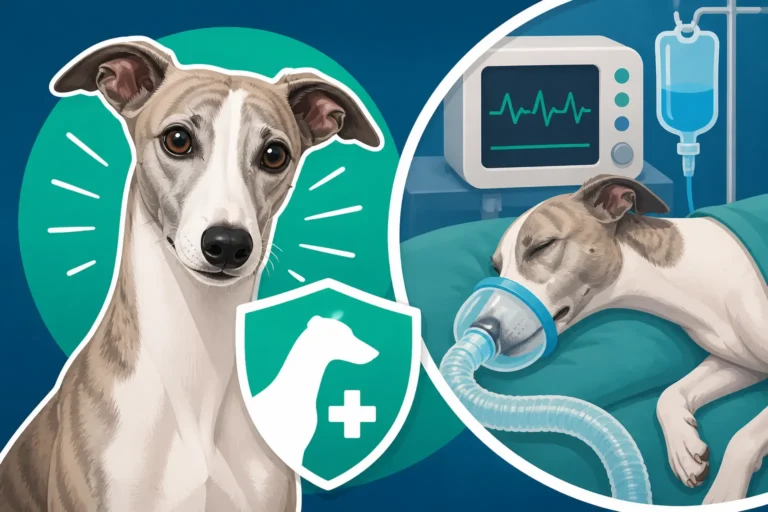
- Major Procedures: For surgeries, complex medical conditions, or specialized anesthesia (where Why Anesthesia Is Riskier in a Whippet is a serious concern), a specialist who understands sighthound physiology can be invaluable.
- Peace of Mind: Sometimes, you just need a second set of eyes, especially from someone who lives and breathes sighthound medicine. The reassurance alone can be worth the consultation fee.
Veterinary specialists, particularly internal medicine specialists, often have a deeper understanding of breed-specific conditions and unusual physiological norms. They can either confirm your current vet's recommendations or offer alternative interpretations and treatment plans tailored to your Whippet's unique needs. You can ask your current vet for a referral, or often, you can self-refer to a veterinary specialty center in your area. Insurance providers like Healthy Paws often cover specialist consultations, making this option more accessible. Investing in a specialist consultation can prevent unnecessary stress, expenses, and potential harm from misdiagnosis, ensuring your Whippet receives truly optimal care.
Common Whippet Bloodwork Readings: Normal vs. Standard Dog Interpretation
| Bloodwork Parameter | Standard Dog Reference Range (Approximate) | Typical Healthy Whippet Range (Approximate) | Potential Misinterpretation (Standard View) | Correct Interpretation (Sighthound View) |
|---|---|---|---|---|
| Packed Cell Volume (PCV) | 37% – 55% | 55% – 65% (or higher) | Anemia (if on the low end of standard), Polycythemia | Normal, reflecting superior oxygen carrying capacity |
| Red Blood Cell Count (RBC) | 5.5 – 8.5 x 10^6/µL | 7.0 – 10.0 x 10^6/µL (or higher) | Anemia (if on the low end of standard), Polycythemia | Normal, athletic adaptation |
| Thyroxine (Total T4) | 1.0 – 4.0 µg/dL | 0.5 – 2.5 µg/dL | Hypothyroidism | Normal, breed-specific metabolism |
| Creatinine | 0.5 – 1.5 mg/dL | 1.0 – 2.0 mg/dL (or higher) | Kidney disease/insufficiency | Normal, due to higher muscle mass |
| Platelet Count | 175,000 – 500,000/µL | 80,000 – 150,000/µL | Thrombocytopenia (risk of bleeding) | Normal, sighthound thrombocytopenia (no increased risk) |
| Total Protein / Albumin | Can be slightly lower than standard | Often on the lower end of standard | Liver disease, malabsorption, protein loss | Can be normal for sighthounds, usually not clinically significant if no other signs |
| Liver Enzymes (ALT, ALP) | Can have minor variations from standard | Often within standard, but slight elevations might be seen | Liver damage, disease | May be normal, especially if only slightly elevated and no clinical signs |
This table provides a simplified overview and ranges can vary between laboratories and individual dogs. Always discuss your Whippet's specific results with a veterinarian knowledgeable about sighthound physiology.
Disclaimer
This article is intended for informational purposes only and does not constitute veterinary medical advice. Always consult with a qualified veterinarian for any health concerns or before making any decisions about your Whippet's medical care. The information provided here is general in nature and may not be applicable to every individual Whippet or specific medical situation.