Whether a Whippet Needs Fish Oil
It's completely understandable to wonder if your beautiful Whippet needs a little extra something in their diet, especially when you see so many products marketed for pet health. We all want to give our lean, delicate sighthounds the best chance at a long, healthy life, but navigating the world of supplements can feel like a minefield. This guide will help you understand whether fish oil is a beneficial addition to your Whippet's routine and what to look for if you decide it is.
Understanding Omega-3s and Why They Matter for Your Whippet
Let's start with the basics of what fish oil actually provides: Omega-3 fatty acids. These aren't just trendy buzzwords; they're polyunsaturated fats that are essential for optimal health in both humans and dogs. The two most important Omega-3s you'll hear about for pet health are Eicosapentaenoic Acid (EPA) and Docosahexaenoic Acid (DHA). Unlike some other fats, your Whippet's body can't produce these on its own, meaning they have to get them directly from their diet or through supplementation.
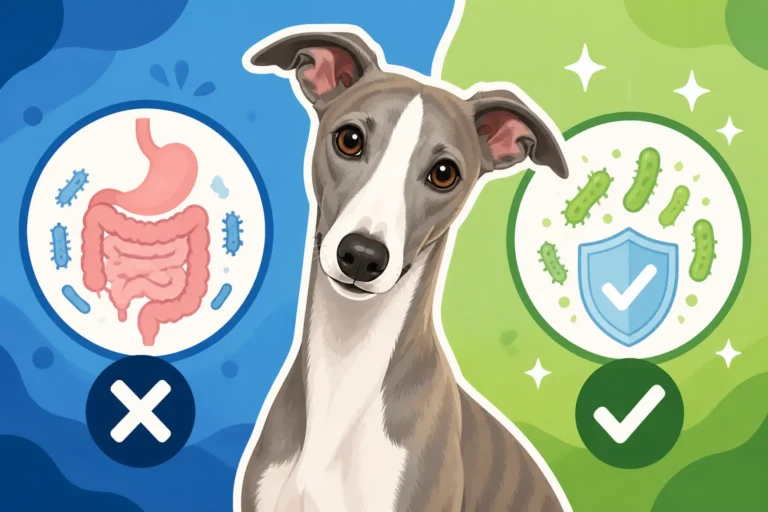
Many commercial dog foods today are formulated to be complete and balanced, but the type and quantity of fats can vary widely. Often, they contain plenty of Omega-6 fatty acids, which are also essential but need to be balanced with Omega-3s. An imbalance, particularly an excess of Omega-6s without enough Omega-3s, can sometimes promote inflammation in the body. This is where supplementing with fish oil, rich in those crucial Omega-3s, comes into play for many dog owners looking to tip the scales towards a more anti-inflammatory state.
For our Whippets, whose bodies are naturally lean and finely tuned, the precise balance of nutrients is particularly important. While a high-quality, complete dog food is the foundation, supplementing with a potent source of EPA and DHA can offer additional support that might not be fully met by diet alone. It's about giving their system every advantage, especially as they navigate the demands of their active lives or the changes that come with age.
Specific Benefits of Fish Oil for Whippets
When we talk about Whippets, we're talking about a breed with some truly unique characteristics. Their fine, sleek coats, their powerful yet lean bodies, and their incredible speed all mean their nutritional needs can be a little different. Fish oil, with its concentrated Omega-3s, offers several potential benefits that align perfectly with keeping our sighthound companions thriving.
Supporting Their Delicate Skin and Silky Coat
Anyone who lives with a Whippet knows their skin is famously thin and prone to scrapes and tears. It's not uncommon for a joyful romp in the yard to end with a trip to the vet for stitches, as their skin offers very little padding or protection. Fish oil, rich in Omega-3 fatty acids, can play a role in strengthening the skin's natural barrier function. This means it helps to lock in moisture and protect against environmental irritants, potentially leading to a more resilient, healthier skin barrier.
Beyond resilience, Omega-3s are renowned for their ability to promote a truly radiant coat. Whippets already boast a naturally sleek and shiny coat, but healthy skin contributes significantly to that luster. If your Whippet suffers from dry, flaky skin, or their coat seems a little dull, a consistent fish oil supplement might help to nourish it from the inside out, reducing flakiness and enhancing that characteristic silken feel. It's not a magic bullet for every skin issue, of course, but it's a valuable component of a holistic approach to skin health for breeds like ours.
Remember how important it is to protect that thin skin, especially during play or outdoor adventures. Supplementing with fish oil is one piece of the puzzle, alongside thoughtful practices like choosing appropriate bedding and considering coats when venturing into brush. Anything we can do to bolster their natural defenses against common injuries, like those dreaded The Thin Skin That Sends a Whippet to the Vet for Stitches, is worth exploring.
Promoting Joint Mobility and Comfort
Whippets are built for speed and agility, and their athleticism means their joints undergo a fair amount of stress throughout their lives. While they might not be as prone to certain joint conditions as some larger, heavier breeds, maintaining optimal joint health from puppyhood through their senior years is crucial. Omega-3s, particularly EPA, are well-known for their anti-inflammatory properties, which can be incredibly beneficial for joint comfort.
Inflammation is a natural part of the body's response to wear and tear, but chronic inflammation can contribute to stiffness and discomfort, potentially leading to conditions like arthritis down the line. By helping to modulate the inflammatory response, fish oil can support healthy joint function, potentially reducing stiffness and maintaining flexibility. This can be especially important for Whippets who enjoy regular sprints and zoomies, helping to keep them comfortable and agile for as long as possible.
As our Whippets age, some may naturally start to experience a bit of creakiness or reduced enthusiasm for long walks. While fish oil isn't a cure-all, it can be a supportive addition to their routine, working alongside other strategies to help them stay active and enjoy their lives. Thinking proactively about joint health, perhaps starting with supplementation before signs of When a Whippet Gets Arthritis even appear, is a responsible approach for such an athletic breed.
Supporting a Healthy Cardiovascular System
Whippets have a unique cardiovascular physiology. Many owners are surprised to learn that their perfectly healthy Whippet might have what appears to be an "enlarged heart" or a low resting heart rate, which would be concerning in other breeds. In sighthounds, this is often a normal, athletic adaptation, making their powerful hearts incredibly efficient. However, like all dogs, Whippets can still be susceptible to heart issues as they age, with Mitral Valve Disease Is What Ends Most Old Whippets being a particular concern.
Omega-3 fatty acids, especially EPA and DHA, have been studied extensively for their benefits to cardiovascular health. In dogs, these benefits can include supporting normal heart rhythm, helping to maintain healthy blood pressure within normal ranges, and supporting overall heart muscle function. While a vet needs to evaluate any specific heart concerns, incorporating fish oil can be a part of a general preventative health strategy aimed at supporting the long-term health of their robust heart.
It's vital to differentiate between a healthy, athletic sighthound heart and a heart with disease. A vet familiar with sighthound physiology can best explain Why a Whippet's Big Heart Is Not a Diagnosis. However, knowing that Omega-3s are beneficial for cardiovascular health broadly, adding fish oil can offer general support to this vital organ, potentially contributing to a healthier and longer life for your Whippet.
Boosting Brain and Cognitive Function
DHA, one of the key Omega-3s in fish oil, is a major structural component of the brain and eyes. This makes it particularly important for puppies during their crucial developmental stages, contributing to healthy brain and vision development. For an energetic and intelligent breed like the Whippet, ensuring they get enough DHA early on can lay a strong foundation for their cognitive abilities and trainability.
But the benefits aren't just for puppies. As Whippets enter their senior years, maintaining cognitive function becomes a growing concern for many owners. Just like in humans, older dogs can experience cognitive decline, sometimes manifesting as disorientation or changes in behavior. Omega-3s can help support brain health, potentially slowing the progression of age-related cognitive issues and helping our beloved senior Whippets remain mentally sharp and engaged as they approach The Twelve to Fifteen Years a Whippet Lives.
Supporting your Whippet's brain health throughout their life can make a real difference to their quality of life. From helping a puppy learn new commands to keeping an older dog engaged with their family and surroundings, the cognitive benefits of DHA are profound. If you're observing signs of your older Whippet becoming a bit confused or withdrawn, supplementing with fish oil could be a part of a broader plan to support their Caring for an Old Whippet That Feels the Cold and cognitive well-being.
Choosing the Right Fish Oil Supplement for Your Whippet
So, you're convinced that fish oil might be a great addition to your Whippet's diet. Now comes the trickier part: choosing a quality supplement. The market is flooded with options, and not all fish oils are created equal. It's essential to be discerning to ensure you're giving your Whippet something truly beneficial and safe, not just an expensive placebo or, worse, something potentially harmful.
Source and Purity Matters
The best fish oil supplements for dogs typically come from wild-caught, small fish like anchovies, sardines, and mackerel. These fish are lower on the food chain, which generally means they have less accumulation of heavy metals like mercury and other environmental toxins compared to larger, longer-lived fish such as tuna or swordfish. Always look for a product that explicitly states its source and ideally specifies that it's from sustainable fisheries.
Beyond the source, purity is paramount. You want a fish oil that has been molecularly distilled to remove contaminants like PCBs, dioxins, and heavy metals. Reputable brands will often provide evidence of third-party testing, sometimes with certifications or a batch number you can look up. This transparency is a huge indicator of quality and safety. When you're browsing options on platforms like Chewy or Amazon, always check the product descriptions for these crucial details – don't just go by the price tag.
Form, Concentration, and Dosing
Fish oil supplements typically come in liquid form or gel capsules. Both have their pros and cons. Liquid forms can be easier to administer, especially if you have a picky eater, as you can drizzle it over their food. However, they can oxidize faster once opened, potentially losing potency and becoming rancid. Capsules, on the other hand, protect the oil from oxygen until consumed but might be harder to hide in food for some dogs.
Regardless of the form, what truly matters is the concentration of EPA and DHA per dose. Don't just look at the total "fish oil" content; check the active Omega-3 content. A good quality supplement will clearly list the amounts of EPA and DHA. Dosing is always based on your dog's weight, and it's absolutely crucial to follow the manufacturer's guidelines or, even better, consult your veterinarian for a personalized recommendation. Over-supplementing can lead to issues, just as under-supplementing might not provide the desired benefits.
A helpful tip is to check reviews for pet-specific fish oil brands. Many owners find success with brands that specifically formulate for dogs, often found on reputable pet supply sites or even specialty pet food stores. For example, some brands like Ollie, while known for fresh food, may also offer supplements or endorse specific types of fish oil that complement their diets.
How to Safely Administer Fish Oil and Potential Side Effects
Adding any supplement to your Whippet's diet should be done thoughtfully and with an eye on their overall health. While fish oil is generally safe, understanding proper administration and being aware of potential side effects ensures you're doing the best for your furry friend.
Proper Dosing and Storage
The golden rule with fish oil, as with most supplements, is to start slow. Begin with a lower dose than recommended and gradually increase to the full dose over a week or two. This gives your Whippet's digestive system time to adjust and helps you monitor for any adverse reactions. Always adhere strictly to the dosing instructions provided by the manufacturer, which are typically based on body weight. If you have a particularly small Whippet or one with sensitive digestion, discussing the exact dosage with your vet is a smart move. This is especially true if your vet understands Whether a Whippet Needs a Vet Who Knows Sighthounds and their specific physiological needs.
Proper storage is key to maintaining the potency and freshness of fish oil. Exposure to air, light, and heat can cause the oil to oxidize and become rancid, making it not only less effective but potentially harmful. Always store liquid fish oil in the refrigerator after opening, and keep capsules in a cool, dark place away from direct sunlight. If you notice a strong, unpleasant fishy smell (beyond what's normal for fish oil), it might be rancid and should be discarded.
Potential Side Effects and Interactions
While fish oil is well-tolerated by most dogs, some can experience mild side effects, especially when first introduced or if the dose is too high. The most common issues are gastrointestinal upsets, such as soft stools, diarrhea, or a mild stomachache. If you notice these, try reducing the dose or administering it with food. Some dogs might also develop "fishy breath" or a general fishy odor to their skin, which is usually harmless but might be unpleasant for owners.
A more serious consideration is the potential for fish oil to thin the blood, particularly at very high doses. While this can be beneficial in some contexts, it's crucial to be aware of if your Whippet is already on blood-thinning medication or is about to undergo surgery. In these scenarios, fish oil supplementation could increase the risk of bleeding. This highlights why it's so important to have an open conversation with your veterinarian before adding fish oil, especially if your Whippet has any underlying health conditions or is on other medications. They can advise on potential interactions and the safest approach.
| Aspect | Potential Benefits for Whippets | Considerations & Potential Downsides |
|---|---|---|
| Skin & Coat Health | Promotes healthy skin barrier, reduces dryness, enhances coat luster. | Doesn't cure all skin issues; requires quality product to see results. |
| Joint Mobility | Reduces inflammation, supports joint comfort, maintains flexibility. | Not a standalone treatment for severe joint disease; gradual benefits. |
| Cardiovascular System | Supports healthy heart rhythm, blood pressure, and muscle function. | Must be used alongside vet care for existing heart conditions. |
| Cognitive Function | Aids brain/vision development in puppies, supports senior cognitive health. | Quality of DHA is key; not a cure for advanced cognitive decline. |
| Immune System | Modulates immune response, general anti-inflammatory effects. | Can interact with certain medications (e.g., blood thinners). |
| Overall Wellness | Contributes to a balanced inflammatory response in the body. | Potential for mild GI upset if introduced too quickly or at high doses. |
Always Consult Your Vet
Ultimately, your veterinarian is your best resource for personalized advice regarding your Whippet's health and diet. They can assess your dog's individual needs, consider any existing health conditions, and help you determine if fish oil is an appropriate supplement. They can also guide you on the correct type and dosage, ensuring you're choosing a high-quality product that aligns with current veterinary recommendations. A vet who is familiar with sighthound physiology will be particularly valuable in making these decisions, as some of our Whippets' norms might be considered abnormal for other breeds.
Disclaimer
This article is for general informational purposes only and does not constitute professional advice. Laws, prices and regulations vary by location and change over time. Consult a qualified professional for guidance on your specific situation.