Warming Food to Get a Whippet Eating
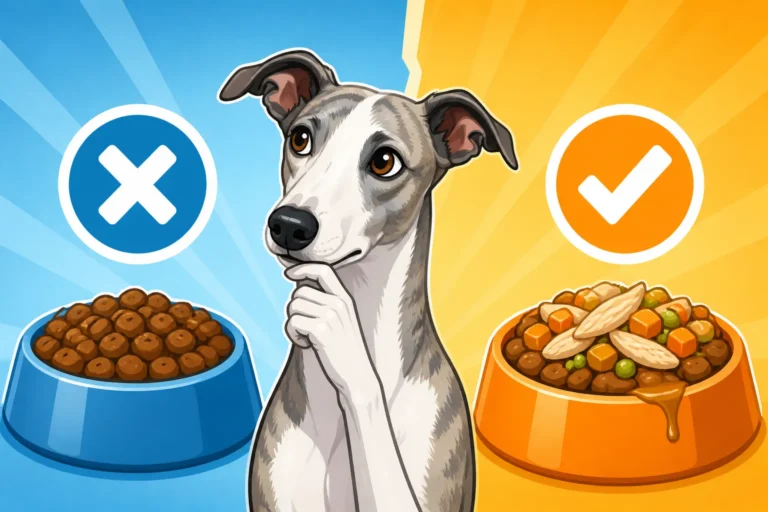
It can be incredibly frustrating when your beautiful, lean Whippet turns their nose up at their dinner, leaving you worried sick about their slender frame and nutritional needs. Many Whippet owners face this common challenge, wondering why their seemingly healthy dog isn't eager to eat, and often fearing they aren't getting enough fuel for their quick bursts of energy. This guide dives deep into why warming your Whippet's food can be a game-changer, offering practical methods and additional tips to transform mealtime from a struggle into a joyful experience.
Why Your Whippet Might Be a Picky Eater
Before we even get to warming food, it’s helpful to understand that a Whippet's finicky eating habits aren't always just about the temperature of their meal. These sensitive sighthounds can be particular creatures, and their appetite can be influenced by a myriad of factors, some of which are unique to their breed characteristics. It’s not uncommon for owners to wonder Why a Whippet Is a Picky Eater, and often, it’s a combination of things.
The Sensitive Sighthound Psyche
Whippets are known for their gentle, sensitive dispositions. They thrive on routine and can be easily put off by changes in their environment or even minor stresses in the household. A loud noise, a visitor, or even a new piece of furniture might be enough to make them hesitant to eat. This isn't them being stubborn; it's often a reflection of their innate sensitivity. They aren't the type of dog to gobble down food under duress; they prefer a calm, predictable mealtime.
Not Always "Food Motivated"
Unlike some breeds that live to eat, many Whippets are simply not highly food-motivated in the same way. They might value comfort, a soft bed, or a good run more than their next meal. Their lean build means they don't carry much excess weight, and sometimes, seeing a bowl of plain, cold kibble just doesn't spark their interest. You might be focused on Keeping Weight On a Whippet Without Making It Fat, but they're just not feeling it at the moment. This can be especially true for a Whippet that is accustomed to a specific type of food or a particular feeding schedule, or if they are accustomed to having their food enhanced in some way.
Underlying Health Considerations
While less common, it’s always important to rule out any underlying health issues if your Whippet suddenly becomes a picky eater or stops eating entirely. Dental pain, an upset stomach, or other medical conditions can severely impact appetite. If your Whippet's pickiness is a new development or is accompanied by other symptoms like lethargy, vomiting, or diarrhea, a vet visit is absolutely essential. Remember, their lean bodies can make even minor health setbacks seem more pronounced.
The Science and Comfort Behind Warming Food
So, why does warming food often work wonders for a reluctant Whippet? It's not just an old wives' tale; there's a good reason behind it that taps into a dog's natural instincts and sensory experiences. Think about how much more appealing a warm, fragrant meal is to us compared to a cold, bland one – the same often applies to our canine companions, especially sighthounds.
Enhancing Aroma and Appeal
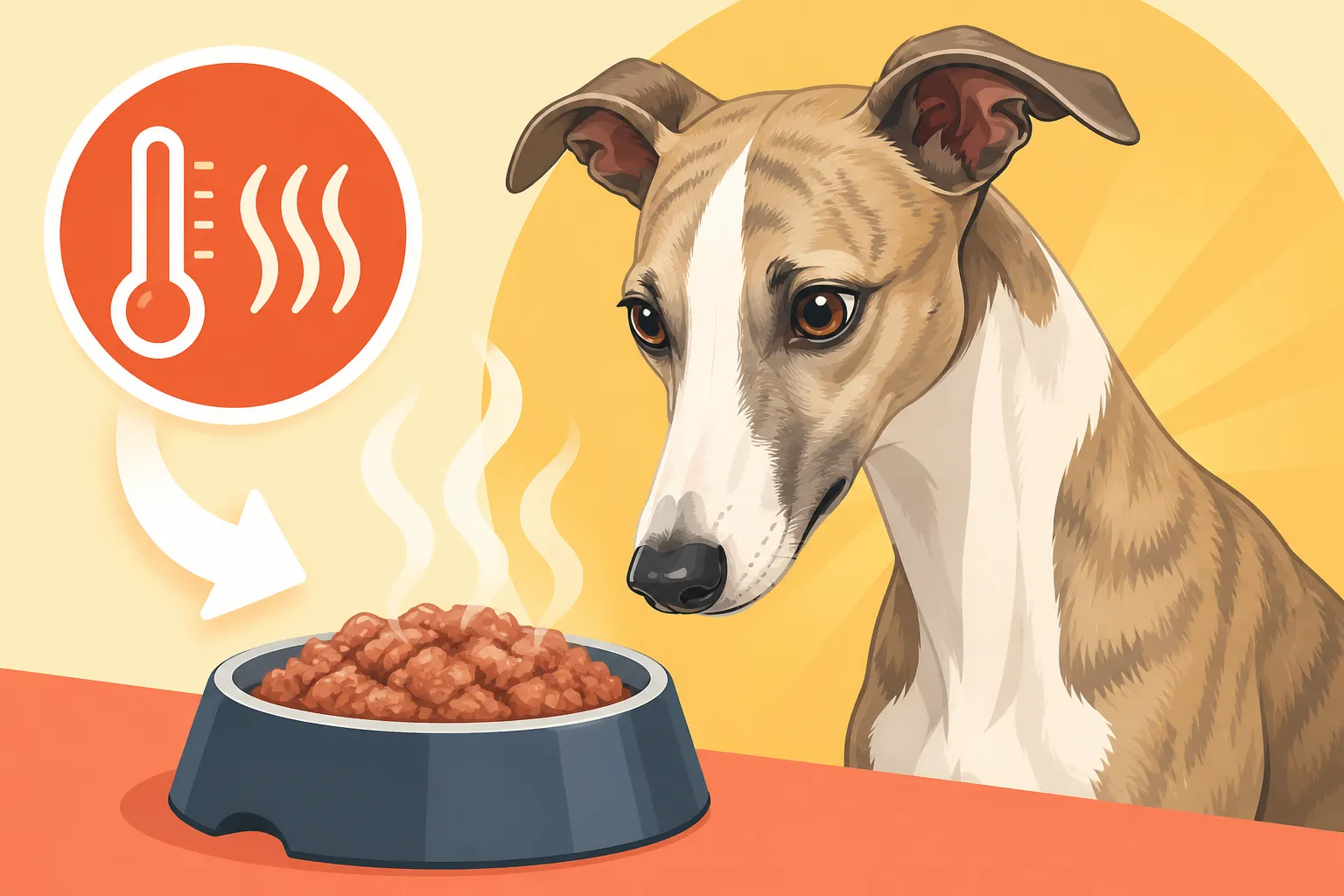
One of the primary reasons warming food is so effective is how it amplifies the scent. Dogs rely heavily on their sense of smell to assess their food. When food is cold, its molecules are less volatile, meaning fewer scent particles are released into the air. Gently warming the food releases these aromatic compounds, making the meal much more enticing to your Whippet's keen nose. This can turn a seemingly uninteresting bowl of kibble into a fragrant feast, triggering their appetite. It's a subtle change that can make a huge difference, especially for a dog that might otherwise skip a meal.
Improving Palatability and Texture
Beyond smell, the temperature of food can also affect its texture and palatability. Cold, hard kibble or dense refrigerated wet food might not be the most appealing sensation in a dog's mouth. Warming it slightly can soften kibble, making it easier to chew and more pleasant to eat, particularly for older Whippets or those with sensitive teeth. For wet or fresh foods, warming can transform a solid block into a more inviting, stew-like consistency that’s much more appealing and easier to digest. This also helps with dogs that have a [Sensitive Stomach].
Mimicking Natural Instincts
In the wild, a dog's prey would be warm, not cold. While our domesticated Whippets are far removed from their wild ancestors, some primal instincts remain. A warm meal can subconsciously signal "fresh kill" or a natural, readily digestible food source. This innate preference for warmth can tap into their natural eating drives, making them more inclined to tuck in. It's a simple trick that resonates with their ancient programming, making them feel safer and more comfortable with their meal.
Safe Methods for Warming Your Whippet's Food
Now that we know why warming food can help, let's talk about the how. It's important to do this safely to avoid burning your Whippet's mouth or inadvertently causing digestive upset. We're aiming for lukewarm, not hot.
The Microwave Method
This is perhaps the quickest method, but it comes with a significant caveat: uneven heating. Microwaves can create hot spots, so it's crucial to stir the food thoroughly after heating and check the temperature with your finger before serving.
- Portion: Place your Whippet's meal in a microwave-safe bowl.
- Heat Gently: Start with very short bursts, like 10-15 seconds.
- Stir and Check: Remove, stir well, and feel the food. It should be just warm, never hot. If you can't comfortably hold your finger in it for several seconds, it's too hot. Let it cool before serving.
This method works well for kibble that you've added a bit of water to, or for canned and fresh foods. Just be extra vigilant about those hot spots!
Gentle Stovetop Warming
For those who prefer not to use a microwave, a stovetop can work, especially for wet or fresh food.
- Small Pot: Place the food in a small saucepan.
- Low Heat: Warm over very low heat, stirring constantly to ensure even distribution of warmth.
- Monitor Temperature: Just like with the microwave, aim for lukewarm. Stir it well and test it with your finger before serving. This method offers more control over the heating process and helps avoid those troublesome hot spots.
The Warm Water Bath
This is one of the safest and most even ways to warm food, especially if it comes in a container or can.
- Container in Water: Place your Whippet’s bowl (if it’s watertight) or the unopened can of food into a larger bowl filled with warm, not boiling, water.
- Allow to Sit: Let it sit for 5-10 minutes.
- Stir and Serve: Remove the food, transfer to your Whippet's eating bowl, stir thoroughly, and check the temperature. This gentle, indirect heat ensures the food warms evenly without scorching.
Adding Warm Broth or Water
Sometimes, you don't need to heat the entire meal. Simply adding a splash of warm, low-sodium broth (ensure no onion or garlic!) or plain warm water can do the trick.
- Prepare Food: Put your Whippet's regular dry or wet food into their bowl.
- Add Liquid: Pour a small amount of warm (again, not hot) liquid over the food.
- Mix Well: Stir it in, allowing the warmth to permeate the food and release those enticing aromas. This softens kibble nicely too. You might find great dog-specific broths on Chewy or Amazon that are designed to be safe and appealing for dogs.
What to Warm and How Long It Lasts
Understanding which types of food benefit most from warming, and how to maintain food safety once warmed, is crucial for your Whippet's health. Different food consistencies will warm up differently and have varying shelf lives post-heating.
Warming Kibble
Dry kibble itself isn't usually warmed directly, as that can make it lose its crunch and appeal, and potentially dry it out. The best way to "warm" kibble is by adding warm water or warm, dog-safe broth. This not only adds warmth but also enhances flavor, softens the food (which is great for fast eaters or those with dental concerns), and increases hydration. Make sure the liquid is just warm to the touch, not hot, and mix it thoroughly into the kibble. If your Whippet is prone to scarfing food, softening it this way can help them slow down.
Warming Wet and Fresh Food
Canned wet food, fresh cooked food, or commercially prepared fresh dog food (like those from services such as Ollie) are excellent candidates for warming. These foods often have a higher moisture content and a richer aroma that truly comes alive when gently heated. For fresh foods that have been refrigerated, warming brings them back to a more palatable temperature and releases their natural scents. Always stir thoroughly after warming to ensure there are no hot spots, especially with microwave use.
Food Safety and Storage
Once food has been warmed, it's important to treat it like human food in terms of safety. Bacteria can grow rapidly on food left at room temperature, especially after it's been warmed.
- Serve Immediately: Once warmed, serve the food to your Whippet right away. Don't leave it sitting out for extended periods.
- Discard Leftovers: If your Whippet doesn't finish their warmed meal within about 20-30 minutes, it's best to discard the uneaten portion. Do not put it back in the fridge to reheat later, as this increases the risk of bacterial contamination.
- Proper Storage Before Warming: Always store your dog's food according to the manufacturer's instructions. Dry kibble should be kept in an airtight container in a cool, dry place. Wet or fresh foods should be refrigerated immediately after opening and used within the recommended timeframe. Good quality, airtight containers for food storage can be found easily on Amazon.
Beyond Warming: Other Tricks for Encouraging Eating
While warming food is a fantastic first step, sometimes a Whippet needs a little more encouragement. If you're still struggling, don't despair! There are several other strategies you can employ to make mealtime more appealing for your sensitive sighthound. Remember, the goal is to make eating a positive, stress-free experience. What a Whippet Needs Every Day definitely includes a good meal, so let's get creative.
High-Value Toppers and Mix-ins
If plain food isn't cutting it, adding a high-value topper can often spark interest. This doesn't mean transforming every meal into a gourmet feast, but a little something extra can go a long way.
- Cooked Meat/Fish: A small amount of plain, cooked chicken, turkey, or salmon (boneless, skinless, unseasoned) can be irresistible. You only need a tablespoon or two, finely shredded.
- Plain Yogurt/Kefir: A dollop of plain, unsweetened yogurt or kefir can add probiotics and a creamy texture that many dogs enjoy.
- Canned Pumpkin: A spoonful of plain canned pumpkin (not pie filling!) can be great for digestion and adds a touch of sweetness.
- Dog-Specific Broths: As mentioned earlier, warm dog-safe broths are excellent.
- Dehydrated Toppers: Many brands offer dehydrated meat or vegetable toppers specifically designed to be sprinkled over kibble. This can be particularly helpful if you're wondering Whether a Whippet Needs a Topper on Its Kibble.
Experiment to see what your Whippet finds most appealing. The key is moderation to ensure they still get balanced nutrition from their primary food.
Establishing a Consistent Routine and Calm Environment
Whippets thrive on routine. Feeding them at the same time each day in a consistent, quiet location can significantly reduce stress and improve their appetite. Avoid feeding them immediately after intense exercise or in a chaotic environment.
- Quiet Space: Designate a specific, calm area for their meals, away from high-traffic zones or other pets if they're easily distracted.
- Predictable Schedule: Stick to a regular feeding schedule. Dogs are creatures of habit, and knowing when to expect their meals can help regulate their hunger.
- Limited Time: Put the food down for 15-20 minutes. If they don't eat it, pick it up until the next scheduled meal. This can teach them that food is available at certain times and encourages them to eat when it's offered. This strategy can sometimes feel tough, especially if you're battling to get them to eat at all, but consistency is key.
Addressing Bowl Aversion or Preference
Sometimes, it's not the food itself, but the bowl. Some dogs dislike metal bowls because of the noise or reflection. Others might prefer a raised bowl or a flat plate.
- Material Matters: Try switching to ceramic or glass bowls.
- Height: Some Whippets prefer Feeding an Old Whippet or any age Whippet from a raised bowl, which can be more comfortable for their long necks.
- Cleanliness: Always ensure their bowl is sparkling clean. Leftover food smells can be off-putting.
Regular, Appropriate Exercise
A well-exercised Whippet is often a hungry Whippet. While they are renowned couch potatoes, they still need their daily opportunities for a good sprint or a brisk walk to stimulate their appetite. Feeding a Whippet That Sprints and Then Sleeps is often easier than feeding one that hasn't burned off any energy. However, be mindful of their age and physical condition; an elderly Whippet may have different needs, as discussed in Caring for an Old Whippet That Feels the Cold, which can impact their overall energy and appetite. Ensuring they're sufficiently, but not excessively, exercised can naturally boost their desire to eat.
Consulting Your Vet (Again)
If you've tried all these tricks, including warming food and various toppers, and your Whippet is still consistently refusing meals or losing weight, it's always wise to revisit your veterinarian. While Whippets are naturally lean, there's a difference between a healthy lean and being genuinely underweight or unhealthy. Your vet can perform a thorough check-up to rule out any underlying conditions, assess their Body Condition Score a Whippet Should Be, and offer tailored advice, especially if your Whippet is an older individual, since The Age a Whippet Counts as a Senior often brings new health considerations that might impact appetite. They might even suggest specific appetite stimulants or dietary changes to ensure your Whippet maintains a healthy What an Adult Male Whippet Weighs or What an Adult Female Whippet Weighs.
Making mealtime a positive experience for your Whippet often requires patience, observation, and a willingness to experiment. By understanding their unique sensitivities and employing strategies like warming their food, you can help them look forward to their meals and get the nutrition they need to thrive.
Whippet Food Warming Methods Comparison
| Method | Pros | Cons | Best For | Safety Tip |
|---|---|---|---|---|
| Microwave | Quick, convenient | Can create hot spots, uneven heating | Wet food, canned food, kibble with added liquid | Stir thoroughly and always test temperature before serving. |
| Stovetop | Good control over temperature, even heating with stirring | Requires constant attention, pot to clean | Wet food, fresh food | Use very low heat and stir continuously to prevent scorching. |
| Warm Water Bath | Very even heating, safe, preserves nutrients | Takes longer, food must be in a suitable container/can | Canned food, refrigerated wet food, fresh food in sealed pouches | Ensure water isn't boiling; allow sufficient time for heat to penetrate. |
| Adding Warm Liquid | Easiest, adds hydration, softens kibble, enhances aroma | May not warm solid food thoroughly, only adds moisture | Dry kibble, slightly dry wet food | Use dog-safe broth or plain water; ensure liquid is lukewarm, not hot. |
Disclaimer
This article is for general informational purposes only and does not constitute professional advice. Laws, prices and regulations vary by location and change over time. Consult a qualified professional for guidance on your specific situation.