Whether Retired Racing Whippets Are Rehomed
It’s a common worry for anyone considering opening their home to a retired racing dog: what happens to them when their track career is over? Many people fear that these magnificent athletes are simply discarded or left without a future once their racing days conclude. This guide aims to reassure you that, yes, retired racing Whippets are indeed rehomed, and we’ll explore the vibrant network of dedicated individuals and organizations that make these second acts possible, as well as what you can expect if you choose to welcome one into your family.
The Reality of Retired Racing Whippets
The idea that all racing dogs disappear into oblivion once they're no longer winning races is a deeply unsettling and largely inaccurate picture, especially when it comes to Whippets. While there may have been periods in history where outcomes for retired racers were less certain, the modern landscape for sighthound welfare is significantly different. Today, a robust network of rescue organizations and dedicated individuals works tirelessly to ensure these dogs find loving forever homes.
Where Do Retired Racing Whippets Go?
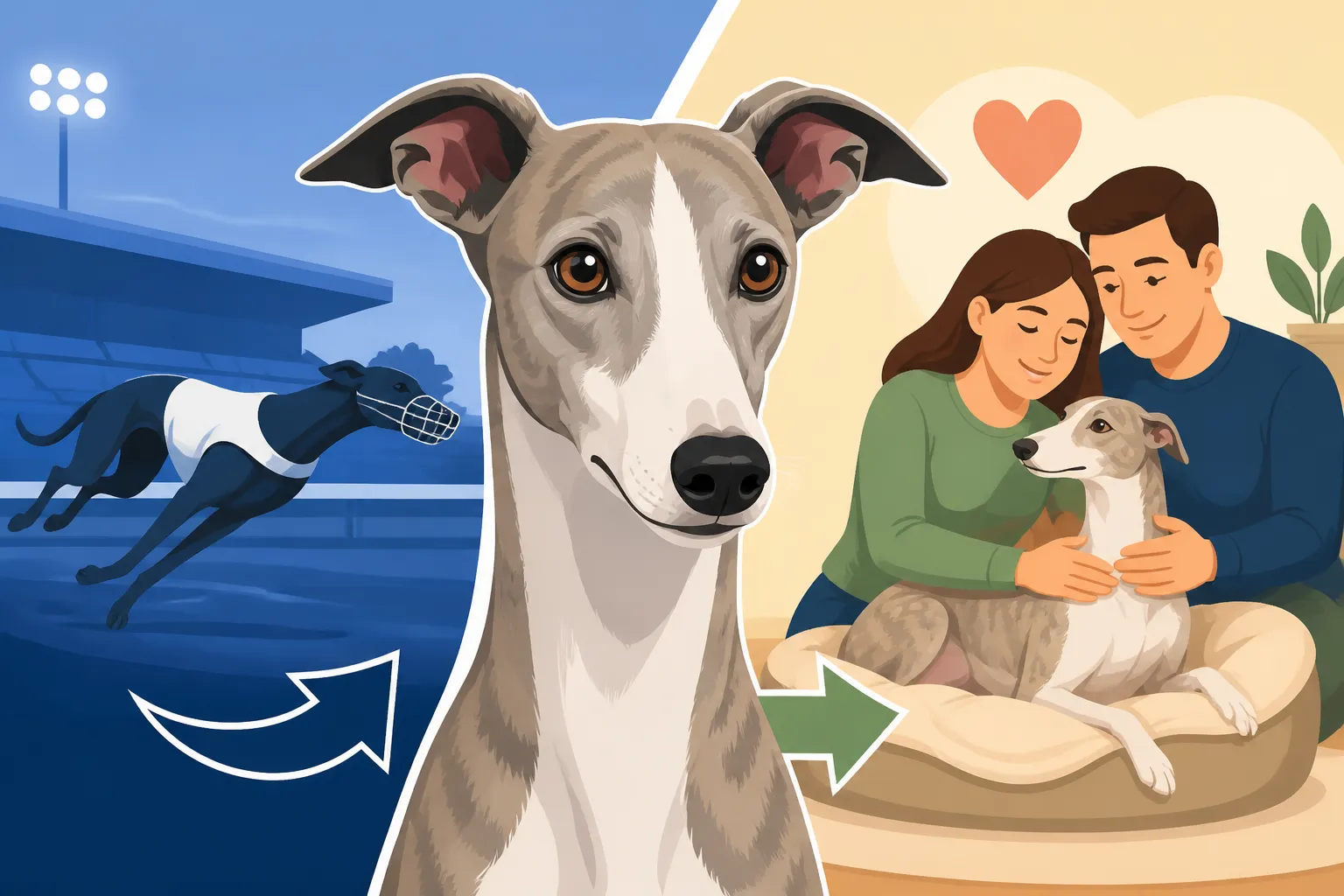
When a Whippet’s racing career comes to an end, whether due to age, injury, or simply not being fast enough to compete at the highest level, they typically don’t just vanish. Many breeders and owners of racing Whippets are deeply committed to their dogs' welfare and actively seek out responsible rehoming avenues. Often, these dogs transition directly from their racing homes to foster homes coordinated by sighthound-specific rescue groups. These foster homes provide a crucial bridge, allowing the Whippet to decompress from the structured environment of racing and begin adjusting to life as a cherished pet.
Some Whippets might even be rehomed directly by their racing owners to friends or family who are looking for a companion. The key is that there’s a strong sense of community among Whippet enthusiasts, and the idea of a dog being without a home is something many actively work to prevent. It's a testament to the breed's endearing qualities and the commitment of those who love them.
The Role of Sighthound Rescue Organizations
Sighthound-specific rescue organizations are the unsung heroes in the rehoming process for retired racing Whippets. These groups specialize in understanding the unique needs and quirks of sighthounds, from their sensitive nature to their thin skin that sends them to the vet for stitches quite often. They have established networks of foster homes, volunteers, and veterinarians who are familiar with the breed's particularities, such as Why a Whippet Needs a Sighthound Anesthesia Protocol.
These organizations perform vital functions:
- Assessment: They evaluate each dog's temperament, health, and readiness for a pet home.
- Veterinary Care: They provide necessary veterinary care, including spaying/neutering, dental work (which can be a significant issue for sighthounds), and any treatment for injuries sustained during racing. This care often includes ensuring they are up to date on vaccinations and addressing any specific health concerns.
- Matching: They meticulously match dogs with suitable adoptive families, considering factors like other pets, children, and lifestyle.
- Support: They offer ongoing support and advice to adopters, helping them navigate the transition period and beyond.
Without these dedicated groups, the successful rehoming of retired racing Whippets on the scale we see today would be significantly more challenging. They are a lifeline for these dogs, ensuring they get the second chance they so richly deserve.
Common Misconceptions About Ex-Racers
When people hear "retired racing dog," a host of images and assumptions can spring to mind, many of which are far from the reality of a Whippet. It's easy to imagine a dog that's high-strung, damaged, or unable to adapt to a quiet home life. Let's bust some of those myths right now.
Are They Damaged Goods?
This is perhaps the most common and unfair misconception. The vast majority of retired racing Whippets are not "damaged goods." While some may have minor injuries or wear and tear from their active careers, serious debilitating injuries are relatively uncommon, and any existing issues are typically addressed by rescue organizations before adoption. These dogs are generally well-cared for athletes, and their bodies are built for speed, not constant impact. They are robust in spirit, even if their skin is delicate.
Furthermore, these dogs often come from environments where they’ve been handled by many people and are accustomed to routine and social interaction. They are usually clean, quiet, and surprisingly laid-back once they get past the initial adjustment period. Many people are astonished to discover that a Whippet, despite its incredible speed, is actually a The Whippet Is a Forty Mile an Hour Couch Potato indoors. Their transition to pet life is often smoother than expected.
Will They Be Difficult to Train?
Another widespread concern is that a retired racer, having been trained for a very specific job, will be difficult to retrain for pet life. This couldn't be further from the truth. Whippets are intelligent and eager to please, and while they might have learned to chase a lure, they are often quick to pick up new routines and commands. Their racing careers actually instill a strong sense of routine and the ability to focus, which can be advantageous in training.
The biggest "training" challenge isn't usually teaching them basic commands (which many already know, just perhaps with different cues), but rather teaching them about life outside the track:
- Stairs: Many have never encountered stairs.
- Reflections: Windows and mirrors can be utterly perplexing.
- Small Animals: While they might have a strong prey drive, many can learn to coexist with cats and smaller dogs, especially with proper introductions. Living With a Whippet and a Cat is definitely possible.
- Potty Training: While generally clean, they need to learn where to go in a yard, especially if they’re used to designated turnout areas. Some even have a peculiar dislike for rain, which can complicate things, as discussed in The Whippet That Will Not Toilet in the Rain.
With patience, positive reinforcement, and consistency, retired racing Whippets are highly trainable and quickly learn the ropes of being a beloved family member. They thrive on human connection and a comfortable routine.
What to Expect When Adopting a Retired Whippet
Bringing a retired racing Whippet into your home is an incredibly rewarding experience, but it comes with its own set of unique adjustments for both you and your new furry friend. It's not always a seamless transition on day one, but with understanding and preparation, it can be a beautiful journey.
Adjusting to Home Life
Imagine spending your entire life in a relatively structured environment, surrounded by other dogs, with a clear purpose (running!) and suddenly finding yourself in a house full of strange sounds, soft beds, and endless cuddles. It’s a lot to take in! Retired Whippets often go through a "de-racing" period where they learn what it means to be a pet.
Here’s what you might observe:
- The "Honeymoon Period": Initially, your Whippet might be quiet, reserved, and seem almost perfect. They’re observing, learning, and processing. Don't mistake this for their true personality; it will emerge!
- New Experiences: Everything from the television to a vacuum cleaner, a doorbell, or even a slippery floor can be a novel and sometimes scary experience. Patience is key. Exposing them gently to these new stimuli helps them build confidence.
- Separation Anxiety: Some Whippets, especially those used to constant canine companionship, may develop Separation Anxiety in a Whippet when first left alone. Gradual desensitization and appropriate enrichment can help.
- The Power Nap Masters: These dogs are true athletes, built for short bursts of speed followed by extensive rest. Expect your retired racer to sleep a lot – How Many Hours a Day a Whippet Sleeps will likely surprise you! Provide plenty of soft, comfortable beds, perhaps even a heated one in colder climates, as they truly feel the cold. The Beds a Whippet Owner Keeps Buying is a common refrain.
This adjustment period can take weeks or even months, but with each passing day, you'll see more of their true, loving personality shine through.
Integrating with Existing Pets and Family
A major consideration for many adopters is how a retired Whippet will fit in with existing pets and human family members. Sighthounds are generally very social creatures, accustomed to living in packs, so they usually welcome canine companions.
- Other Dogs: Most retired Whippets integrate well with other dogs, often enjoying their company. Supervised introductions are crucial, allowing them to meet on neutral ground and get to know each other at their own pace.
- Cats and Small Animals: This is where their prey drive comes into play. While many Whippets can live successfully with cats, especially if they've been specifically "cat-tested" by the rescue, it's never a guarantee. Some rescues will only place cat-friendly Whippets in homes with felines. Always exercise caution and follow the rescue's advice. If you have rabbits, guinea pigs, or other small pocket pets, a retired racing Whippet might not be the best fit unless you have extremely secure separation.
- Children: Whippets are generally gentle and tolerant with children, making wonderful family pets. However, like any dog, they need to be taught appropriate manners, and children need to learn how to interact respectfully with a dog. Supervision is always recommended, especially with very young children who might not understand a dog's subtle cues.
The key to successful integration is slow, controlled introductions, consistent routines, and positive reinforcement for good behavior. Remember, your Whippet is learning a whole new social structure.
Preparing for a Retired Racing Whippet
Bringing any new dog into your home requires preparation, but a retired racing Whippet has some specific needs that you’ll want to consider before they even walk through your door. Thinking ahead can make the transition much smoother for everyone involved.
Essential Supplies and Environment
Given their unique physical characteristics, certain supplies are non-negotiable for a Whippet:
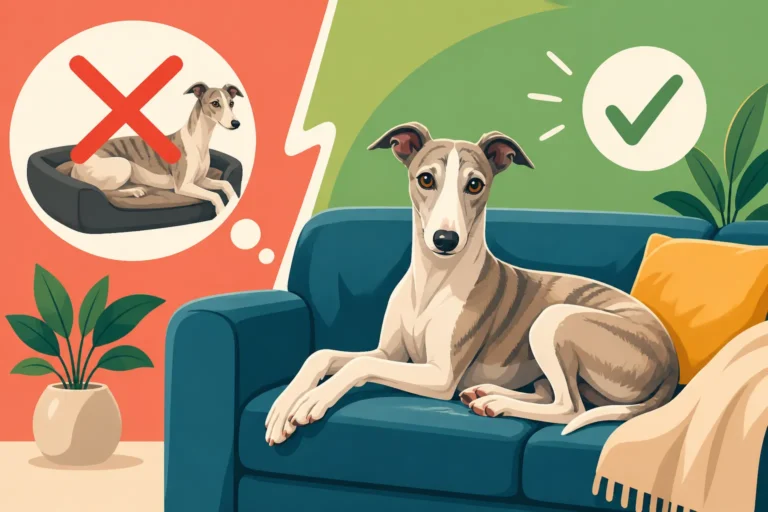
- Soft Bedding: This is paramount. Whippets have very little body fat and thin skin, making them prone to pressure sores if they lie on hard surfaces. You'll need multiple soft beds around the house, and a thick, well-padded crate mat if you plan on crate training. Memory foam or orthopedic beds are ideal.
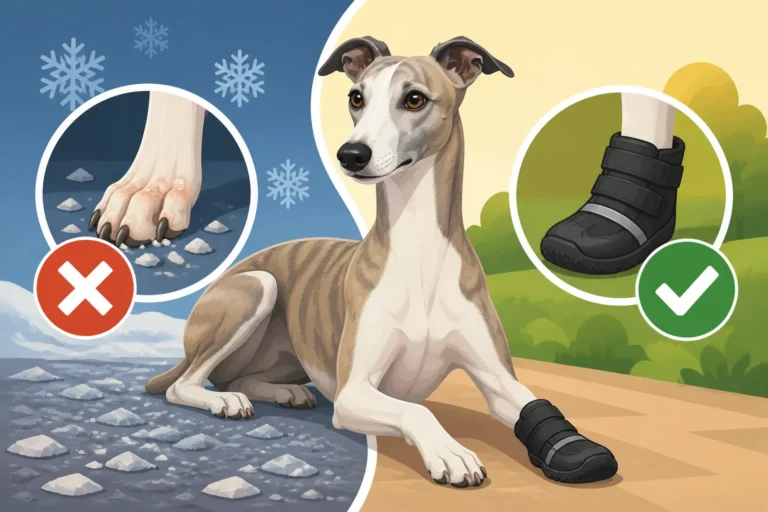
- Coats and Pajamas: Whippets feel the cold intensely. A The Wardrobe a Whippet Needs Because It Has No Body Fat is not a luxury, but a necessity, even indoors in cooler homes. Invest in a good quality outdoor coat for walks in cold weather and some soft fleece pajamas for chilly nights.
- Sighthound Collar: Their slender necks mean they can easily slip out of a standard flat collar. A martingale collar, which tightens gently when pulled, is essential for walks to prevent escapes.
- Leash: A sturdy 6-foot leash is perfect for daily walks.
- Food and Water Bowls: Simple, but necessary. Some Whippets prefer raised bowls, while others are fine with floor-level.
- Toys: Soft toys, puzzle toys, and appropriate chew toys can help with enrichment and bonding.
- Secure Fencing: This is a big one. Whippets are incredibly fast and possess a strong prey drive. A securely fenced yard is crucial. For information on how far they can sprint, check out How Far a Whippet Can Sprint Before It Tires. Their recall, while trainable, can be unreliable if a squirrel or rabbit crosses their path, as detailed in Thirty Five Miles an Hour and No Brakes on a Whippet's Recall. Many rescues require a fence of a certain height to ensure safety.
You can find many of these essentials, from cozy beds to winter coats and durable leashes, through online retailers like Chewy, making it easy to prepare for your new arrival.
Veterinary Care and Health Considerations
Before bringing your Whippet home, ensure you have a relationship with a veterinarian who is knowledgeable about sighthounds. Their physiology is different from many other breeds, and a vet familiar with these nuances can provide the best care.
- Sighthound-Specific Bloodwork: Whippets naturally have some bloodwork numbers that might look alarming to a vet unfamiliar with the breed, but are perfectly normal for a sighthound. This includes higher red blood cell counts and sometimes lower thyroid readings. Learn more about this in The Bloodwork Numbers That Look Wrong on a Healthy Whippet.
- Anesthesia Protocols: This is extremely important. Sighthounds have unique reactions to certain anesthetic drugs and require a specific protocol to ensure their safety during surgery or sedation. Your vet needs to understand Why a Whippet Needs a Sighthound Anesthesia Protocol.
- Dental Care: Whippets are prone to dental disease, so regular dental checks and at-home brushing are important. Factor in potential costs for professional cleanings.
- Skin Tears: Their thin skin is beautiful but fragile. Minor cuts and scrapes can happen easily, and sometimes require veterinary attention and stitches. Be prepared for the possibility of Emergency Stitches: the Whippet Bill Nobody Budgets For. Having a pet insurance plan from a provider like Healthy Paws can be a tremendous help in managing unexpected vet costs, giving you peace of mind.
- Diet: While Whippets are generally easy to keep weight on once retired from racing, ensure you're feeding a high-quality diet appropriate for their activity level. If your new Whippet is a bit of a picky eater, or if you're concerned about digestive health, fresh food options like Ollie could be a consideration, as they offer tailored nutrition that many dogs thrive on.
| Aspect | Common Myth About Retired Racers | Reality for Most Retired Racing Whippets |
|---|---|---|
| Temperament | High-strung, nervous, hyperactive, only interested in running. | Calm, quiet, affectionate "couch potatoes" indoors; playful outdoors. |
| Training | Untrainable for pet life, too focused on racing, hard to housetrain. | Intelligent, eager to please, respond well to positive reinforcement, generally clean. |
| Socialization | Poorly socialized, aggressive with other dogs, bad with kids. | Socialized with other dogs, generally gentle with people and children. |
| Health Issues | Prone to severe, chronic racing injuries. | Generally healthy with typical sighthound predispositions; injuries usually minor or resolved. |
| Adaptability | Struggle to adapt to a home environment, require special housing. | Adapt remarkably well with patience, routine, and a soft place to sleep. |
| Exercise Needs | Need constant running and intense exercise daily. | Enjoy short bursts of speed, but mostly satisfied with walks and lounging. |
Embracing the Second Chapter
Adopting a retired racing Whippet is a truly special opportunity to give a deserving dog a comfortable, loving home for their second chapter. These dogs have given their all on the track, and now they deserve to be cherished companions. They bring immense joy, quiet companionship, and often a surprising amount of goofy charm to their families.
While there's an adjustment period, the rewards far outweigh any initial challenges. With proper care, understanding of their unique needs, and a generous supply of soft beds and cuddles, a retired racing Whippet will quickly become an indispensable part of your family. The transformation from track star to beloved family pet is a beautiful thing to witness, and you'll quickly realize that these elegant athletes are truly some of the most wonderful dogs to share your life with.
Disclaimer
This article is for general informational purposes only and does not constitute professional advice. Laws, prices and regulations vary by location and change over time. Consult a qualified professional for guidance on your specific situation.