What a Whippet’s First Year Costs
Bringing a Whippet puppy home is an incredibly exciting time, filled with dreams of zoomies, snuggles on the sofa, and a new best friend. But amidst the joy, it’s easy to feel overwhelmed by the sheer number of items and services your new family member needs, often leading to unexpected financial strain. This guide is here to walk you through the realistic costs you can expect during your Whippet’s crucial first year, helping you budget wisely and ensure your pup gets the best start possible without any surprises.
The Initial Investment: Bringing Your Whippet Puppy Home
The moment you decide to welcome a Whippet into your life, the financial journey begins. This initial phase often includes the largest single expenses, covering the puppy itself and all the immediate necessities to make your home a safe and welcoming haven for your new companion.
The Puppy Purchase Price and Breeder Considerations
Let’s be honest, the cost of the puppy itself is usually the first number that catches your eye. This isn't just a simple transaction; it reflects a responsible breeder's investment in health testing, quality care for the dam and litter, and the time spent ensuring healthy, well-socialized puppies. You’ll find a range in prices, often depending on whether the puppy comes from show lines, racing lines, or is simply destined to be a beloved pet. Good breeders invest heavily in their dogs, which is reflected in the price. They’ll have done all the necessary health screenings for the parents, such as cardiac exams and eye certifications, and possibly even DNA tests for conditions like Phosphofructokinase Deficiency. Don’t be tempted by suspiciously low prices, as these often indicate a lack of proper health testing or care, which could lead to far more expensive vet bills down the line. It's truly an investment in future health and happiness.
A reputable breeder will be transparent about their practices and expenses, and they’ll want to make sure you’re prepared for the commitment. They’ll openly discuss the various health tests performed on the parent dogs, offering a peace of mind that can be invaluable. This might include testing for conditions that are rare but present in the breed, ensuring that you're starting with the healthiest possible foundation for your new family member. Remember, a higher initial cost for a well-bred puppy often saves you considerable heartache and expense in veterinary care over their The Twelve to Fifteen Years a Whippet Lives. Always ask about these health clearances and understand what they mean for your puppy's long-term well-being.
Setting Up Your Home: Essential Supplies
Once you've secured your Whippet puppy, your next task is to prepare your home. This means stocking up on essentials before they even set a paw inside. You’ll need a crate – preferably one with a divider so it can grow with your pup – comfortable bedding, food and water bowls, a martingale collar or sighthound-specific harness, a leash, and an assortment of toys. Don't forget grooming tools like soft brushes, nail clippers, and puppy-friendly shampoo, even if a Whippet's coat maintenance is minimal.
Whippets, with their thin skin and lack of body fat, really appreciate comfort. You'll quickly discover the truth in The Beds a Whippet Owner Keeps Buying. Invest in several soft beds or thick mats for different areas of your home. They'll need cozy spots in the living room, your bedroom, and perhaps a designated "safe zone" like their crate. A flat collar can easily slip off a Whippet's slender neck, so a martingale collar, designed to tighten gently without choking, is a must-have for walks. For everyday wear around the house, some owners prefer a softer, wider sighthound collar.
Beyond the basics, think about safety. Puppy-proofing your home means securing electrical cords, removing toxic plants, and putting away anything a curious pup might chew or ingest. While Whippets aren’t typically destructive chewers in the same way some other breeds are, a bored or anxious puppy can still find trouble. Having a good supply of appropriate chew toys can redirect this natural instinct and save your furniture. Shopping for these supplies can be an enjoyable part of the preparation, and retailers like Chewy offer a vast selection, making it easy to find everything you need in one place.
First Steps in Healthcare: Vet Visits and Vaccinations
The first few months of your Whippet's life are packed with essential veterinary care. Your puppy will need a series of vaccinations to protect them from common diseases, typically starting around 8 weeks and continuing every 3-4 weeks until they are around 16 weeks old. Each of these visits involves an examination, ensuring your puppy is growing properly and addressing any immediate concerns. Deworming treatments are also crucial during this period, as puppies are often born with or quickly acquire intestinal parasites.
Your vet will also recommend microchipping, which is a permanent form of identification crucial for reuniting you with your Whippet should they ever get lost. This simple procedure is usually done during one of the vaccination appointments. These initial vet visits are not just about shots; they are vital for establishing a relationship with your veterinarian and getting tailored advice on nutrition, training, and preventative care specific to sighthounds. It’s highly beneficial to find a vet who is familiar with Why a Whippet Needs a Sighthound Anesthesia Protocol and other unique aspects of the breed's health.
Don't underestimate the importance of these early visits. They set the foundation for a lifetime of good health. Your veterinarian will be able to answer all your questions, from understanding your Whippet’s specific bloodwork numbers to discussing their unique physical characteristics. Proactive discussions about potential breed-specific issues, like certain sensitivities to medications, are invaluable. These initial consultations are also a good time to bring up concerns about puppy behavior or any unusual quirks you might observe, allowing for early intervention if needed.
The Rhythm of Puppyhood: Ongoing and Unforeseen Expenses
After the initial flurry of bringing your Whippet home, you'll settle into a routine, but the expenses keep coming. These are the recurring costs that form the bulk of your first year's budget, along with some inevitable surprises.
Fueling Your Whippet's Growth: Food and Treats
Feeding a growing Whippet puppy means a steady supply of high-quality food. Puppies require specific nutrition for their developing bodies, so don't skimp here. While Whippets are often described as "cheap to feed" due to their size, quality food still costs money. The type of food you choose – kibble, wet food, fresh food, or raw – will greatly impact your monthly expenditure. Some Whippets can be notoriously picky eaters, so you might go through a few brands before finding one they consistently enjoy.
Remember to factor in treats for training and positive reinforcement. These don't have to be expensive, but they add up. You might find yourself experimenting with different types, from crunchy biscuits to soft, high-value training treats. What an Adult Whippet Weighs might seem small, but the energy demands of a growing, active puppy are significant. Many owners choose fresh food options, or supplement kibble with fresh ingredients, to entice their Whippets and ensure they're getting optimal nutrition. Brands like Ollie deliver fresh, human-grade meals that can be a fantastic option for a Whippet's health, though they come at a different price point than traditional kibble.
The cost of food isn't just about the bag price; it's about what keeps your Whippet healthy and thriving. A well-fed Whippet puppy will have a shiny coat, good energy levels, and strong bones. Monitor their body condition carefully; you should be able to feel their ribs easily, but they shouldn't look skeletal. Adjusting food portions as they grow and their activity levels change is key. Sometimes, a high-quality food might cost more per bag but require smaller serving sizes, balancing out the overall cost.
Nurturing Good Behavior: Training and Socialization
Training and socialization are paramount during your Whippet's first year, shaping them into a well-adjusted adult. Puppy classes are an excellent investment, teaching basic manners, leash skills, and crucial socialization with other puppies and people in a controlled environment. These classes typically run for several weeks and the cost can vary. Beyond puppy classes, you might consider basic obedience courses or even private lessons if you encounter specific behavioral challenges.
Socialization isn't just about classes; it's about exposing your Whippet puppy to a wide variety of sights, sounds, people, and safe environments. This might involve short car rides, visits to pet-friendly stores, gentle interactions with calm, vaccinated adult dogs, and quiet walks in different neighborhoods. All these experiences, while not directly costing money for a class, require your time and sometimes small expenses like gas or special treats. The goal is to build a confident, resilient dog who isn't fearful of new situations.
Investing in training early pays dividends throughout your Whippet's life, preventing more serious behavioral issues down the road. Whippets are intelligent and sensitive, responding best to positive reinforcement methods. How a Whippet Learns When It Bruises From Pressure reminds us that harsh handling is counterproductive. Consistent, gentle training builds a strong bond and a well-behaved companion. If you decide to pursue canine sports like lure coursing or Fast CAT in the future, early positive training will give your Whippet a head start.
Preparing for the Unexpected: Routine and Emergency Healthcare
Even with the best care, puppies are prone to accidents and illnesses. During their first year, many Whippets are spayed or neutered, which is a significant vet expense. This procedure typically happens between six months and a year, though the exact timing can depend on your vet's recommendation and your personal preferences. Beyond this planned surgery, puppies are curious, sometimes clumsy, and occasionally prone to ingesting things they shouldn't.
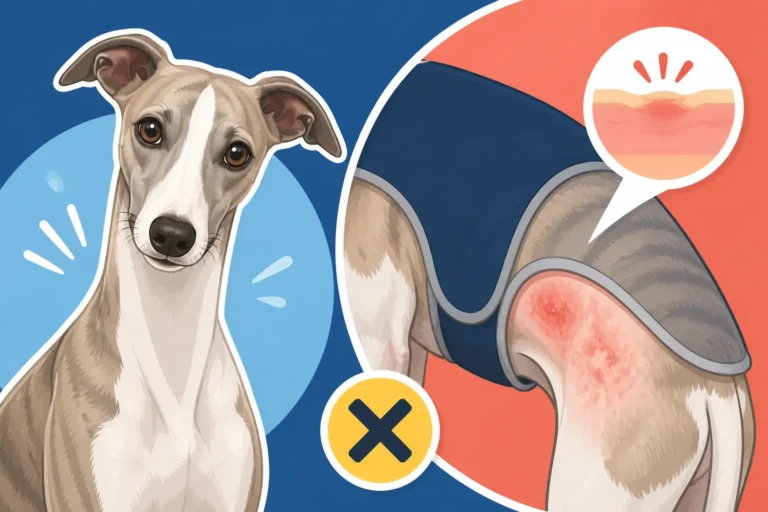
One of the most common and often shocking costs for Whippet owners is treating skin tears. Their delicate skin, especially on their legs and flanks, can rip surprisingly easily, even from minor bumps or scrapes during play. The Thin Skin That Sends a Whippet to the Vet for Stitches is a real concern. These injuries often require veterinary attention, cleaning, and sometimes stitches, along with pain medication and antibiotics. An emergency vet visit for a deep cut or sudden illness can quickly run into hundreds of dollars, highlighting the value of a financial safety net.
This is where pet insurance becomes less of a luxury and more of a necessity. Enrolling your Whippet puppy in a plan like those offered by Healthy Paws early on can provide immense peace of mind. While you'll pay a monthly premium, it can cover a substantial portion of emergency bills, accidents, and unexpected illnesses, saving you from a potentially devastating financial hit. It’s important to research different plans and understand what they cover, including deductibles and reimbursement percentages, but having it in place before any major issues arise is invaluable.
Keeping Your Whippet Cozy: Wardrobe Essentials
A Whippet isn't like a Husky or a Newfoundland. They truly feel the cold due to their minimal body fat and thin coats. This means a significant part of your first-year budget will go towards keeping them warm and comfortable, both indoors and out. Even a young puppy will need at least a couple of basic fleece sweaters or pajamas for chilly indoor temperatures, and a good quality winter coat for walks.
You'll quickly understand A Whippet Has No Insulation and No Padding once you feel their lean bodies. Don’t be surprised if you find yourself accumulating quite a collection of coats, sweaters, and even raincoats. They’ll need different layers depending on the season and specific weather conditions. A simple fleece might suffice for a brisk autumn walk, but a waterproof, insulated coat is essential for winter snow or rain. These items are investments in your Whippet’s health and comfort, preventing them from shivering and risking illness.
Many Whippet owners find themselves browsing online stores or even specialty boutiques for properly fitting sighthound apparel. While mass-market dog coats rarely fit a Whippet’s deep chest and slender waist correctly, several brands cater specifically to their unique physique. You might find yourself adding to this wardrobe regularly, especially as your puppy grows out of their initial sizes during that first year. Even for sleeping indoors, many Whippets appreciate a warm set of pajamas or a blanket to burrow under, making them a truly cozy companion.
Looking Ahead: Financial Decisions for a Lifetime of Whippet Love
The first year isn’t just about immediate costs; it’s about making financial decisions that will impact your Whippet’s long-term health and your budget for years to come. Thinking ahead helps smooth the journey.
The Safety Net: Understanding Pet Insurance
We touched on this earlier, but it truly deserves its own section because it's such a critical decision in the first year. Pet insurance isn't just for emergencies; it's a proactive measure to manage healthcare costs over your Whippet’s entire life. With a breed known for some specific sensitivities and a propensity for skin tears, having comprehensive coverage can be a game-changer. Imagine facing a sudden, serious illness or a major injury; the emotional stress is enough without adding crushing financial worry.
Most pet insurance plans work on a reimbursement model, where you pay the vet directly and then submit a claim for repayment. You’ll choose a deductible, a reimbursement percentage (often 70-90%), and an annual limit. The cost of premiums can vary based on your location, your Whippet’s age, and the plan specifics. Enrolling your Whippet as a puppy is often beneficial because premiums tend to be lower, and you avoid pre-existing condition exclusions that could arise later. Whether Insuring a Whippet Puppy Early Is Cheaper is definitely worth considering. Healthy Paws, for instance, offers customizable plans that can be a great fit for a Whippet's unique needs.
Taking the time in your Whippet’s first year to research and select a pet insurance plan is one of the smartest financial moves you can make. It transforms unpredictable, potentially huge veterinary bills into manageable monthly payments. Think of it as health insurance for your beloved companion – an essential part of responsible pet ownership. It allows you to make medical decisions based on what's best for your Whippet, rather than solely on what you can afford at a moment's notice.
Ongoing Wellness: Preventative Medications and Care
Beyond vaccinations, your Whippet will need ongoing preventative care throughout their first year and beyond. This primarily includes heartworm prevention, which is typically a monthly oral medication or an injectable given every six months, and flea and tick control. The cost of these medications varies by brand and your dog's weight, but they are non-negotiable for their health. Flea Treatment Reactions in a Whippet can be avoided by discussing options with your vet.
Your vet will likely recommend a yearly heartworm test, even if your dog is on preventative medication, to ensure its efficacy. Additionally, while Whippets have easy-care coats, their nails grow quickly and need regular trimming. Learning to do this yourself can save money, but many owners opt for professional trims at the vet or a groomer, especially if their Whippet is sensitive about their paws.
Dental care is another often-overlooked ongoing expense that can start in the first year. Whippets can be prone to dental disease, so establishing good habits early on, such as regular tooth brushing with a dog-specific toothpaste, is crucial. While a professional dental cleaning under anesthesia might not happen in the first year, it's a significant expense down the line, and good home care can delay or reduce the frequency of these costly procedures. Whether a Whippet's Teeth Need Scaling Often is a question many owners face.
Those Little Extras: Miscellaneous Whippet Expenditures
Finally, there are all those little extras that add up over the first year. Sometimes, it’s replacing a beloved toy that got torn apart, or a new leash that’s just a little bit nicer. If you travel, you'll need to budget for pet-sitting or boarding costs. Some Whippets get carsick, so motion sickness remedies or specialized travel crates might be needed. Then there's the possibility of replacing items around the house that a bored or teething puppy decides to "redecorate."
Whippets don’t require professional grooming like many long-haired breeds, but you might still have occasional needs, such as a bath at a professional groomer if you prefer. More often, these miscellaneous costs will be for things like treats, new enrichment toys, or even entry fees for local fun runs or informal lure coursing events as your puppy gets older and you explore activities together. What Lure Coursing and Fast CAT Cost a Whippet Owner can give you an idea if you decide to pursue these exciting activities.
Owning a Whippet means embracing their love for comfort and speed. You might decide to invest in a special car seat or crate for safe travel, or a custom-made coat for extreme weather. These aren't necessities, but they enhance your Whippet's life and your bond. Being prepared for these smaller, often spontaneous, purchases helps keep your budget on track and ensures you can provide your Whippet with everything they need to be happy and healthy.
Disclaimer
This article is for general informational purposes only and does not constitute professional advice. Laws, prices and regulations vary by location and change over time. Consult a qualified professional for guidance on your specific situation.