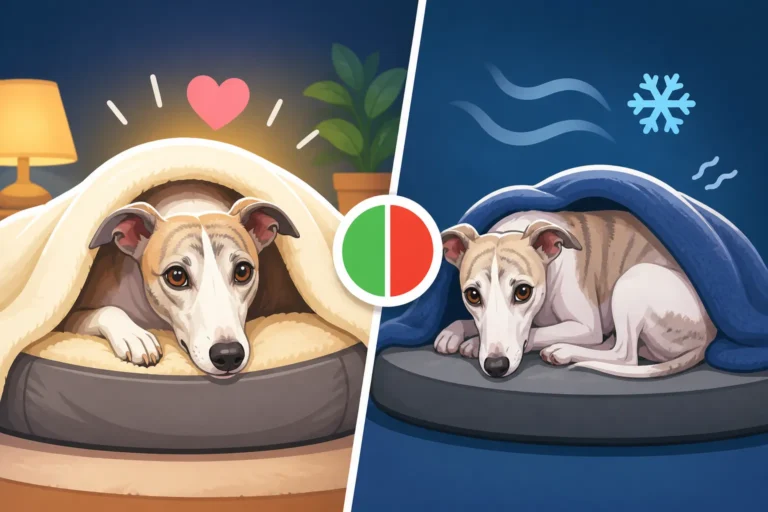
What a Whippet Rescue Asks in Adoption Fees
It’s a common scenario: you’ve fallen in love with the elegant, speedy Whippet, and your heart is set on giving a deserving dog a second chance through rescue. You start browsing rescue websites, filled with hope, only to pause when you see "adoption fee." Immediately, questions pop up. What does that even mean? Is it like buying a puppy, just cheaper? And what exactly goes into that number? It can feel a bit opaque, leaving you wondering if you can even afford to rescue. This guide is here to shed light on what a Whippet rescue typically asks in adoption fees, what those fees cover, and what other costs you should realistically expect when opening your home to a rescued sighthound.
Understanding Whippet Rescue Organizations and Their Mission
Whippet rescues are incredible groups of dedicated volunteers, often passionate Whippet owners themselves, who work tirelessly to find new homes for Whippets in need. Unlike breeders who are focused on producing puppies and adhering to breed standards, rescues are solely focused on the welfare and rehoming of dogs who, for various reasons, have found themselves without a family. These dogs might come from shelters, be owner surrenders, or sometimes even arrive from situations of neglect or abandonment. Their mission is purely about saving lives and making sure these wonderful dogs land softly.
The Purpose Behind Adoption Fees
Let's be clear: adoption fees are not a profit-making venture for rescue organizations. In fact, most rescues operate at a significant deficit, relying heavily on donations and fundraising to bridge the gap between their expenses and the fees they collect. Think of the adoption fee as a contribution towards the extensive care and preparation each Whippet receives before they are ready for their forever home. It’s a small fraction of the actual investment the rescue makes into each dog.
Without these fees, rescues simply couldn't operate. They couldn't provide the necessary veterinary care, quality food, or behavioral assessments that ensure a dog is healthy and well-adjusted before adoption. It’s a vital part of their financial model, allowing them to continue their life-saving work. These fees help sustain the entire operation, not just cover the direct costs for one individual dog. It’s a collective effort, and your fee contributes to the well-being of all the Whippets in their care, not just the one you bring home.
What Rescue Fees Typically Cover
When you see an adoption fee, it’s easy to assume it just covers the initial check-up. But for a reputable Whippet rescue, that fee encompasses a comprehensive package of care, ensuring your new family member is as healthy and ready as possible. This often includes:
- Veterinary Examination: Every Whippet coming into a rescue will receive a thorough vet check to assess their overall health. This is crucial, as many rescue dogs have unknown histories or may have underlying health issues that need addressing.
- Spay/Neuter Surgery: Responsible rescues always spay or neuter adult dogs before adoption to prevent accidental litters and reduce the number of homeless animals. For puppies too young for surgery, there's usually a spay/neuter contract with a deposit or a follow-up required.
- Vaccinations: This includes core vaccinations like distemper, parvovirus, and rabies, ensuring the Whippet is protected against common diseases.
- Parasite Treatment: Flea, tick, and heartworm prevention are standard, along with deworming if necessary. Many rescues will also test for common parasites.
- Microchipping: This is a critical step for identification, increasing the chances of reunification if your Whippet ever gets lost. Registration of the chip is usually included or easily facilitated.
- Behavioral Assessment: Rescues spend time observing their Whippets, often in foster homes, to understand their temperament, house training status, and how they interact with people, children, and other pets. This helps them match the right dog with the right family, and sometimes includes basic training or addressing specific behavioral challenges.
- Food and Supplies: While in rescue, the Whippets are fed good quality food, often from brands like Ollie if the rescue prioritizes fresh diets, or other premium kibbles available through retailers like Chewy. They also have bedding, toys, and other daily necessities covered by the rescue.
Consider this: the total cost for all these services, if you were to pay for them at a private veterinary clinic after acquiring a free or very cheap dog, would almost certainly far exceed the adoption fee. Many rescues are able to get these services at a reduced rate from their partner vets, but the overall cost per dog is still substantial.
The Range of Adoption Fees for a Whippet Rescue
The actual dollar amount for a Whippet rescue adoption fee can vary quite a bit. It’s not a fixed number across the board, and you might see different figures depending on the specific rescue organization, the age of the dog, and sometimes even the region. Generally, you can expect fees to fall within a certain range, but don't be surprised if you see some fluctuations.
Factors Influencing the Cost
Several factors play into how a rescue organization sets its adoption fees. Understanding these can help you anticipate what you might encounter:
- Age of the Whippet: This is often the biggest differentiator. Puppies and young adult Whippets (typically under two years old) often command higher fees. Why? Because they are in higher demand, and the rescue uses these higher fees to help offset the costs of caring for older, less adoptable, or medically complex dogs. Older Whippets, often referred to as senior sighthounds, tend to have lower adoption fees to encourage their placement. Many people are hesitant to adopt an older dog due to the shorter potential lifespan or concerns about age-related health issues, so rescues make them more financially accessible. Whether an Old Whippet Is Easier to Adopt is a common question, and sometimes a lower fee helps.
- Medical History and Needs: A Whippet that comes into rescue with significant medical issues—perhaps requiring surgery, extensive dental work, or ongoing medication—will have incurred much higher costs for the rescue. While the adoption fee won't cover all of this, the rescue might factor in the average medical expenses they incur across their population. A healthier dog with fewer needs might still have an average fee, contributing to the overall sustainability of the rescue for those dogs who needed more.
- Demand for the Breed: Whippets, while not as common as some breeds, are beloved for their gentle nature and athleticism. High demand can sometimes influence the fee, allowing rescues to generate more funds for their operations. However, ethical rescues prioritize placement over profit and will not inflate fees excessively.
- Geographic Location: The cost of living and veterinary services varies significantly by region. A rescue operating in an area with high veterinary costs might naturally have higher adoption fees than one in a region with lower overheads.
- Rescue Organization's Policies: Each rescue is an independent entity with its own operational costs and fundraising strategies. Some might have more extensive networks of foster homes or higher administrative costs, which can reflect in their fee structure.
The Difference Between a Puppy and an Adult Whippet
As mentioned, the age of a Whippet is a significant factor in the adoption fee. Let's compare what you might see:
| Factor | Whippet Puppy (Under 1 year) | Adult Whippet (1-7 years) | Senior Whippet (8+ years) |
|---|---|---|---|
| Demand | Highest | Moderate to High | Lower |
| Adoption Fee | Generally on the higher end of the rescue's range | Mid-range | Often significantly reduced, sometimes even "donation-only" for special needs |
| Typical Costs Covered | Initial vet check, first vaccinations, deworming, microchip, spay/neuter contract | Full vet check, all vaccinations, spay/neuter, microchip, behavioral assessment | Full vet check, updated vaccinations, spay/neuter, microchip, often includes addressing age-related health concerns |
| Behavioral | Requires significant training and socialization | Personality often established, may have basic training, adaptable | Calm, established habits, may have specific needs (e.g., arthritis) |
| Medical Risk | Generally low immediate risk, but future unknown | Generally healthy, may have known history if surrendered | Higher likelihood of age-related health issues (e.g., Mitral Valve Disease Is What Ends Most Old Whippets) |
While a puppy might have a higher upfront adoption fee, remember that What a Whippet Puppy Costs in 2026 in total during that first year goes far beyond the adoption fee. Puppies require extensive training, more vet visits for their initial series of shots, and often more in terms of supplies and potential destruction! An adult Whippet, while having a slightly lower adoption fee, often comes with the benefit of being house-trained, having a known temperament, and potentially having all their initial veterinary care completed.
Navigating the Adoption Process Beyond the Fee
Thinking about the adoption fee is just one piece of the puzzle. The process of adopting a Whippet from a reputable rescue is thorough, and for good reason. They want to ensure their dogs are going to loving, permanent homes where they will thrive. This means you’ll be doing more than just paying a fee and picking up a dog.
Application and Vetting
Before you even get to discussing fees, you’ll typically go through a detailed application and vetting process. This often includes:
- Detailed Application Form: Expect questions about your living situation (house, apartment), yard (fenced? how high?), work schedule, experience with dogs (especially sighthounds), and other pets or children in the home. They want to know your lifestyle matches a Whippet's needs. Remember, these dogs are The Whippet That Will Not Toilet in the Rain sometimes, and need comfy places to sleep.
- Veterinary Reference Check: If you've owned pets before, rescues will often contact your current or previous vet to verify you’re a responsible pet owner who provides regular care.
- Personal References: You might be asked to provide references from non-family members who can vouch for your character and suitability as a pet owner.
- Home Visit (Virtual or In-Person): Many rescues conduct home visits. This isn't about judging your housekeeping skills! It’s about ensuring your home environment is safe and suitable for a Whippet, checking fence security, and discussing potential hazards.
- Meet and Greet: After the initial screening, you’ll usually have the opportunity to meet the Whippet you're interested in, often in their foster home. This allows you to interact with the dog and see if your personalities click.
This extensive vetting helps the rescue ensure a successful match, which ultimately benefits both the dog and the adopter. It might seem like a lot of hoops to jump through, but it’s a testament to their commitment to the dogs in their care. And honestly, it’s a good sign that you’re dealing with a responsible organization.
The True Cost of Bringing Home a Rescue Whippet
While the adoption fee covers many upfront costs, it’s crucial to understand that it’s just the beginning of your financial commitment. Owning a Whippet involves ongoing expenses, and being prepared for these will make for a much smoother transition. The What a Whippet's First Year Costs can be substantial, even with a rescue.
Here's a breakdown of what you should budget for, beyond the adoption fee:
- Food: Whippets are lean machines, but they still need quality nutrition. Whether you choose kibble from Chewy, fresh food like Ollie, or another diet, this is a recurring monthly cost. Whether a Whippet Is Cheap to Feed is a good question, and generally, they aren't huge eaters compared to giant breeds, but quality food still adds up.
- Supplies:
- Bedding: Whippets need soft, comfortable places to sleep everywhere. They have no natural padding and can develop The Pressure Sores a Whippet Gets From Sleeping on the Floor. Expect to invest in multiple soft beds, blankets, and maybe even a dog sofa.
- Collar/Harness and Leash: A martingale collar is almost essential for a Whippet due to their narrow heads.
- Toys: Durable toys for playtime, soft toys for snuggling.
- Crate: If you plan on crate training, a suitably sized crate will be needed.
- Coats and Sweaters: Whippets have very little body fat and need protection from the cold. Expect to buy a wardrobe of warm gear for colder months. The Wardrobe a Whippet Needs Because It Has No Body Fat is a real consideration.
- Ongoing Veterinary Care:
- Annual Check-ups: Even healthy dogs need yearly vet visits, vaccinations, and parasite prevention.
- Unexpected Illnesses or Injuries: Whippets can be prone to skin tears due to their thin skin. Emergency Stitches: the Whippet Bill Nobody Budgets For is a very real possibility. Having an emergency fund or pet insurance from a provider like Healthy Paws can be a lifesaver. What a Sighthound Vet Costs Over a Whippet's Life can be significant, especially as they age.
- Dental Care: Whippets are notoriously prone to dental disease. Regular dental cleanings are often necessary. What a Whippet's Dental Cleaning Costs can be a significant expense, often requiring anesthesia.
- Training: Even if your rescue Whippet comes with some basic manners, you might want to enroll in obedience classes, especially if you're a first-time sighthound owner. This helps build your bond and reinforce good behavior. How a Whippet Learns When It Bruises From Pressure means positive, gentle training methods are key.
- Pet Insurance: This is highly recommended for Whippets, given their propensity for injuries like skin tears and their unique anesthesia requirements. While premiums are an ongoing cost, they can save you thousands in the event of a major accident or illness. Whether Insurance Covers a Whippet's Emergency Stitches is a question many new Whippet owners quickly find themselves asking.
- Miscellaneous: Grooming supplies (though minimal for Whippets), treats, waste bags, and potential boarding costs if you travel.
When you add up all these elements, The Full Cost of Fourteen Years With a Whippet becomes quite clear, but it’s an investment in a loving companion who will enrich your life beyond measure.
Finding the Right Whippet Rescue
Finding the right rescue organization is just as important as finding the right Whippet. You want to work with a reputable group that puts the welfare of their dogs first and provides excellent support to adopters. Why Whippets Rarely Reach Rescue means you might have to look a little harder, but they are out there.
Questions to Ask Potential Rescues
When you're interacting with a Whippet rescue, don't be afraid to ask questions. A good rescue will welcome your inquiries and be transparent about their processes and their dogs. Here are some things you should definitely ask:
- "What does the adoption fee specifically cover?" This allows them to detail their veterinary care, spay/neuter policy, microchipping, etc.
- "Can you tell me about this Whippet's history?" Whether Rescue Whippets Come With History is important. While some dogs have unknown backgrounds, a good rescue will share all known information about temperament, previous living situations, and any medical issues.
- "How long has the Whippet been in foster care, and what have you observed about their temperament, house training, and interactions with other pets/children?" This gives you insight into the dog's personality in a home environment.
- "What is your policy if the adoption doesn't work out?" Reputable rescues will always require the dog be returned to them if you can no longer care for it, rather than allowing it to go to a shelter or another home. This shows their long-term commitment.
- "What kind of post-adoption support do you offer?" Some rescues provide resources, advice, or even behavior consultations after adoption.
- "Are there any known medical conditions or ongoing needs for this particular Whippet?" Be upfront about any concerns you have, and a good rescue will be honest and open.
Choosing a rescue is about finding a partner in this journey. They're there to help you, and they want the best for their dogs.
Supporting Whippet Rescues (Even if You Can't Adopt)
Maybe now isn't the right time for you to adopt, or perhaps you already have a full house. Even if you can't bring a Whippet home, there are many ways you can support these vital organizations and help them continue their amazing work:
- Volunteer: Rescues always need help! Whether it's fostering a Whippet, transporting dogs, helping with paperwork, organizing fundraising events, or even just walking dogs, your time is invaluable.
- Donate: Financial contributions, even small ones, directly help cover veterinary bills, food, and supplies. Many rescues have specific needs, like needing a new batch of winter coats for their foster dogs.
- Spread the Word: Share adoptable Whippets on social media, tell your friends about the rescue, and educate others about the benefits of adopting a sighthound.
- Donate Supplies: Old blankets, towels, food (if unopened), leashes, collars, and toys can often be greatly appreciated. Check with your local rescue to see what they need most.
- Sponsor a Whippet: Some rescues offer a sponsorship program where you can contribute specifically towards the care of a particular dog, especially those with long-term medical needs or who are harder to place.
Every little bit helps these passionate volunteers continue to save and rehome these magnificent, gentle dogs. The adoption fee is just one part of a much larger, heartwarming story of rescue and rehabilitation.
Disclaimer
This article is for general informational purposes only and does not constitute professional advice. Laws, prices and regulations vary by location and change over time. Consult a qualified professional for guidance on your specific situation.